Modern addiction treatment combines three main approaches you’ll encounter: medication-assisted therapy using FDA-approved drugs like methadone or buprenorphine, behavioral interventions including cognitive behavioral therapy and motivational augmentation, and technology-driven solutions featuring AI-powered platforms and digital recovery apps. These evidence-based options work together to provide personalized care, with studies showing up to 50% lower overdose risk and 47% fewer hospital readmissions. The integration of these approaches offers promising outcomes worth exploring further. Guide to Drug Treatment Programs offer a variety of options tailored to individual needs. Many facilities incorporate holistic practices alongside traditional methods to enhance recovery.
Medication-Assisted Treatment: Modern Pharmaceutical Solutions

Medication-Assisted Treatment (MAT) represents a scientifically validated approach to treating substance use disorders through FDA-approved pharmaceuticals. Three primary medications effectively treat opioid use disorder: methadone, buprenorphine, and naltrexone, while acamprosate, disulfiram, and naltrexone address alcohol use disorder. Behavioral counseling combined with medications offers a comprehensive treatment approach.
You’ll find medication efficacy in diverse populations consistently demonstrates reduced mortality rates, with patients on methadone or buprenorphine showing 50% lower overdose risk. MAT has proven particularly effective as gold standard treatment for opioid use disorder according to leading medical authorities. Long-term medication adherence strategies focus on accessibility through insurance coverage and flexible dispensing options. You can receive buprenorphine prescriptions directly from certified physicians, while methadone requires specialized clinic visits. These treatments don’t substitute one addiction for another; they restore normal brain function without causing intoxication, supporting your sustained recovery alongside holistic treatment programs.
Behavioral Therapy and Psychological Interventions
While medication plays a key role in addiction treatment, behavioral therapy and psychological interventions form the essential foundation of extensive recovery programs. You’ll find Cognitive Behavioral Therapy (CBT) at the forefront, offering skill development techniques to build self-control and modify harmful thought patterns. Research shows that CBT with pharmacotherapy achieves better outcomes for substance use frequency compared to usual care. Contingency Management strengthens your commitment through positive reinforcement, while Motivational Enhancement Therapy helps you resolve ambivalence about change.
Family-based interventions address pivotal relationship dynamics and support systems, particularly effective for younger patients. These approaches integrate harm reduction strategies and can be combined with 12-step facilitation for all-encompassing care. When paired with appropriate medication, these evidence-based interventions greatly improve your chances of maintaining long-term recovery, especially through their focus on relapse prevention and coping mechanisms. Treatment plans should be tailored to patients to effectively address their specific drug use patterns and associated challenges.
Technology-Based Treatment Approaches
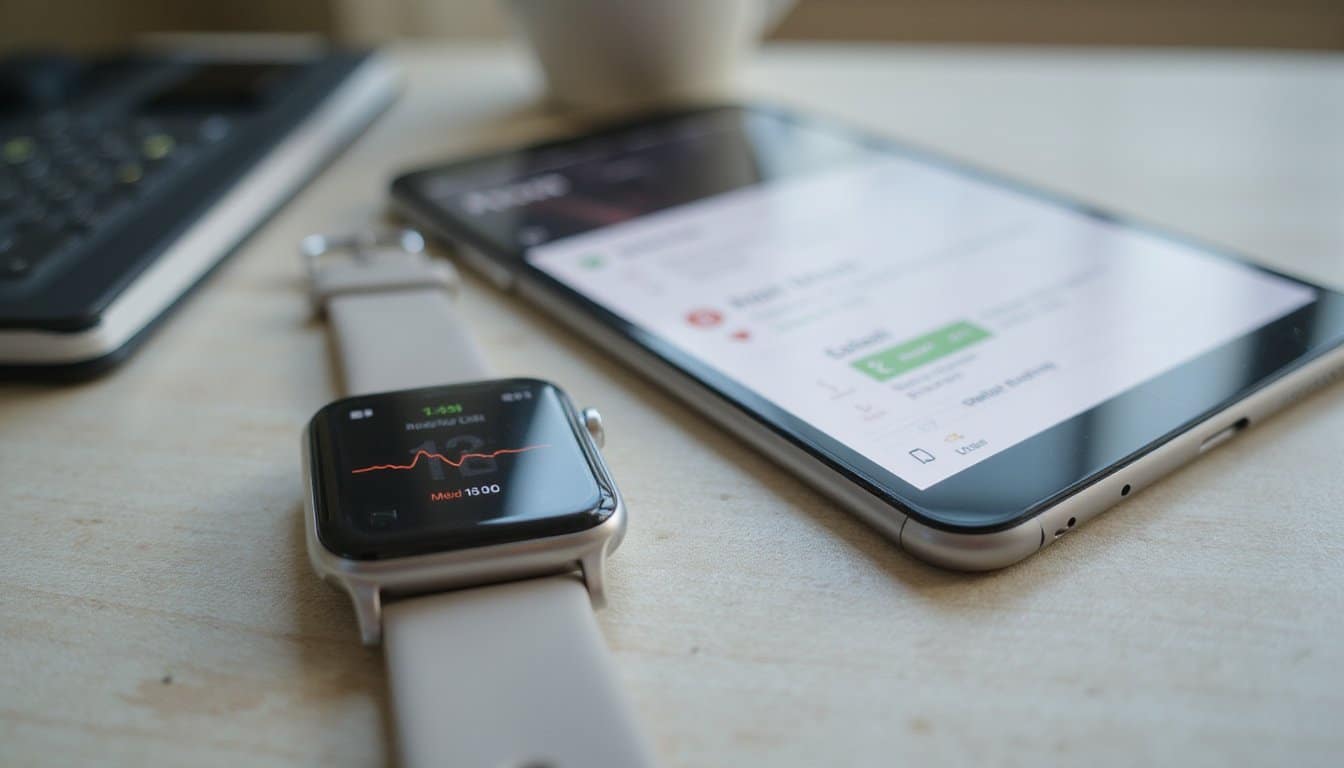
AI-powered platforms can analyze your health data and behavioral patterns to create personalized treatment plans that adapt in real-time to your recovery progress. You’ll find that digital recovery applications offer essential tools like mood tracking, medication reminders, and immediate access to coping strategies when you need them most. Wearable devices can detect physiological signs of stress and deliver real-time interventions automatically. These technological solutions enable your healthcare providers to monitor your progress continuously and make rapid adjustments to your treatment protocol, considerably improving your chances of successful long-term recovery. The integration of virtual support groups allows you to connect with peers and receive guidance from counselors remotely, making treatment more accessible regardless of your location. Rural residents can now access high-quality addiction treatment through telehealth services without traveling long distances to treatment centers.
AI-Powered Treatment Optimization
Modern treatment facilities have turned to artificial intelligence for revolutionizing addiction recovery protocols. Through personalized diagnosis analytics and biometrics-driven monitoring, AI systems now predict relapse risks with unprecedented accuracy while customizing treatment plans for ideal outcomes. The integration of Kipu platform technology has significantly enhanced patient care coordination and operational efficiency in treatment centers. Wearable devices continuously monitor patients’ progress throughout their recovery journey. Early identification through provider consultations has proven as effective as AI screening in hospital settings.
- AI-powered screening tools have demonstrated a 47% reduction in hospital readmissions, resulting in significant healthcare cost savings.
- Machine learning algorithms achieve up to 99.75% accuracy in addiction diagnosis, enabling precise intervention strategies through continuous data analysis and real-time adjustments.
- Virtual assistants and AI-driven support tools provide 24/7 care, while automated administrative functions allow clinicians to focus more on direct patient interaction.
These technological advances are transforming addiction treatment by delivering evidence-based, personalized care that adapts to your unique recovery path. Professional drug treatment programs are increasingly incorporating technology to enhance patient engagement. This integration allows for real-time feedback and support, making recovery more accessible.
Digital Recovery Apps
Building on the advances in AI-driven treatment, digital recovery applications represent the next frontier in accessible addiction support. You’ll find nearly half of individuals in recovery now use these platforms, which offer 24/7 access to therapists, peer support, and personalized intervention strategies. The market shows tremendous growth potential, with experts projecting market value of $1.5 billion by 2025. Notably, AI analytics help predict potential relapse triggers and customize intervention approaches for each patient. Most users engage with these apps for less than 5 minutes during each session.
While a cost benefit analysis shows promising outcomes, particularly in remote and rural areas, you’ll need to evaluate data privacy concerns when selecting an app. Research indicates that sustained engagement correlates with better recovery outcomes, though only a fraction of available apps are clinically validated. You can expect features like real-time monitoring through wearables, virtual group therapy, and hybrid treatment models combining digital and in-person care. These tools are particularly effective when integrated into extensive treatment plans, with 74% of users reporting high satisfaction with virtual support options.
Personalized Recovery Programs and Assessment
Recent advances in addiction treatment have revolutionized how clinicians develop and implement personalized recovery programs. Through comprehensive biopsychosocial evaluations and AI-driven assessments, you’ll receive a treatment plan catered to your specific needs, whether through intensive outpatient programs or supportive housing solutions. Residential drug treatment programs offer a structured environment for individuals seeking recovery from addiction. These programs often include therapy sessions, support groups, and a range of holistic services to ensure comprehensive care.
Modern treatment facilities now utilize advanced technology and data analytics to optimize your recovery process:
- Genetic testing matches your neurobiology with appropriate medication-assisted treatments
- Wearable devices track your behavioral patterns and physiological responses
- AI-powered risk stratification identifies your relapse likelihood and suggests interventions
Your personalized program integrates evidence-based therapies with holistic approaches, considering your cultural background, trauma history, and co-occurring conditions. This data-driven approach guarantees continuous monitoring and real-time adjustments to your treatment plan, maximizing your chances of successful recovery.
Aftercare Strategies and Relapse Prevention Methods

Following the establishment of a personalized treatment plan, aftercare strategies and relapse prevention methods become the cornerstone of long-term recovery success. You’ll need to engage in regular individual or group therapy sessions to address emotional challenges and build effective coping strategies. Support groups like AA or NA provide pivotal peer connections, while family support and employment support services help rebuild life stability.
Sober living environments offer structured, substance-free shifts with shared accountability. You’ll develop essential life skills through routine building, including time management and budgeting. Your personalized relapse prevention plan will identify specific triggers, outline coping mechanisms, and establish emergency contacts. This thorough approach, combining therapy, community support, and practical skill development, greatly increases your chances of maintaining long-term sobriety.
Holistic and Alternative Treatment Options
While traditional addiction treatments remain essential, holistic and alternative approaches have emerged as valuable complementary therapies in extensive recovery programs. These mind-body synergy treatments integrate multiple dimensions of healing, addressing both physical symptoms and emotional trauma underlying addiction.
Holistic approaches work alongside traditional addiction treatments, offering powerful mind-body healing that targets both physical dependency and deep emotional roots.
- You’ll find broad programs combining yoga, meditation, and mindfulness practices to build emotional resilience and reduce stress
- You can access many holistic wellness practices, including acupuncture, nutritional therapy, and creative arts that support your recovery path
- You’ll benefit from personalized treatment plans incorporating trauma-informed therapy, biofeedback, and lifestyle modifications suited to your needs
These evidence-based alternative approaches complement conventional treatments, providing you with additional tools for managing cravings, processing emotions, and maintaining long-term sobriety. Research shows these integrative methods can greatly enhance your recovery outcomes.
Frequently Asked Questions
How Long Does It Typically Take to Fully Recover From Drug Addiction?
You’ll typically need several years to fully recover from drug addiction, with studies showing an average of 8.4 years for opioid users and longer for other substances. While holistic treatment approaches can help you achieve sobriety within weeks or months, your brain and behaviors need extended time to stabilize. You’ll need ongoing relapse prevention strategies, as only 20% maintain sobriety in the initial year. Five years of sustained abstinence generally indicates stable recovery.
What Percentage of Addicted People Actually Achieve Long-Term Sobriety?
Based on the data, you’ll find that only about 15-20% of people achieve long-term sobriety after addiction treatment. While relapse prevention strategies can help, the initial year is particularly challenging, with 85% returning to substance use. However, if you maintain sobriety for 5 years, your relapse risk drops dramatically to less than 15%. Measuring abstinence milestones shows that about 47% reach the one-year mark within their first three years of recovery attempts.
Can Addiction Treatment Be Covered by Standard Health Insurance Plans?
Yes, your standard health insurance plan will typically cover addiction treatment since it’s mandated by law as an essential health benefit. You’ll find both private and public insurance plans (including Medicare and Medicaid) offer coverage for diverse treatment options. However, you should be aware of coverage limitations and insurance barriers, such as preauthorization requirements, in-network restrictions, and out-of-pocket expenses. Always verify specific coverage details with your insurance provider before starting treatment.
Are There Specialized Treatment Programs for Pregnant Women With Addictions?
Yes, you can access specialized treatment programs designed specifically for pregnant women with substance use disorders. These residential rehabilitation programs offer integrated care combining addiction treatment with prenatal services. You’ll receive medication-assisted therapy that’s safe during pregnancy, along with fetal monitoring and holistic maternal health support. These programs also provide parenting education, mental health counseling, and postpartum care to guarantee the best outcomes for both you and your baby.
What Role Do Genetics Play in Determining Treatment Success Rates?
Your genetic predispositions substantially influence treatment outcomes, but they’re not the sole determinant. While genetics account for about 40-70% of addiction risk, they explain only around 10% of treatment success variability. Your biological factors interact with environmental triggers and personal history to shape recovery. Currently, doctors can use genetic profiling to help identify high-risk individuals and customize treatment approaches, though prediction models aren’t yet highly precise.