


Meth addiction treatment at The Hope Institute is an outpatient program for adults with stimulant use disorder. Because no medication is FDA approved for meth, treatment is behavioral: contingency management, cognitive behavioral therapy, and counseling across partial care, intensive outpatient, and outpatient levels. We treat the co occurring depression and anxiety that drive relapse, and we work with most major insurance plans.
Start with one confidential call. Call (855) 659-2310 or verify your insurance online to begin.
Common Traits of Meth Addiction
Meth addiction is a stimulant use disorder marked by compulsive use despite serious harm to health, relationships, and daily function. Methamphetamine produces intense, long lasting highs followed by severe crashes, and dependence forms quickly.
Common signs include binge use followed by days of withdrawal, sharp weight loss, dental and skin damage, paranoia, and sleep that swings between days awake and long crashes. Behavioral signs include secrecy, money trouble, and pulling away from family and work. Meth use frequently occurs alongside depression and anxiety, which deepen as use continues.
Medication Options for Meth Addiction
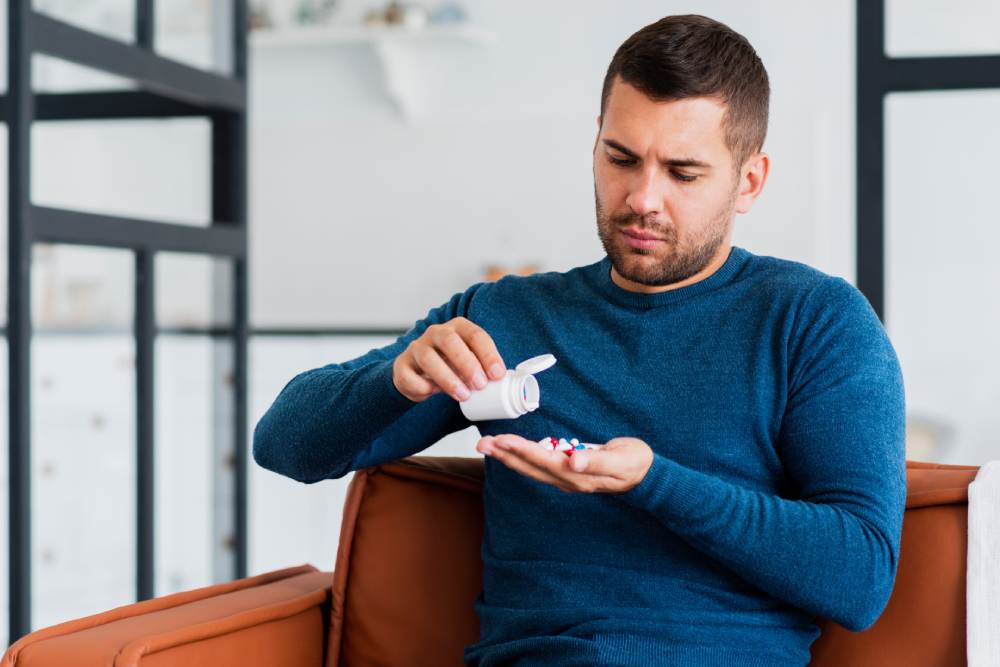
No medication is FDA approved to treat methamphetamine or stimulant use disorder. This is the honest answer to one of the most common searches, and it is why effective treatment is behavioral rather than medication based. Some medications approved for other conditions are sometimes used off label to support recovery, but none is approved for meth and none replaces therapy.
Medication still has a role in the care around meth use. We treat co-occurring conditions such as depression and anxiety with appropriate medication, and we support mood and sleep through the early weeks. The treatment that changes meth use itself is behavioral.
What Meth Withdrawal Involves
Meth withdrawal is mainly psychological rather than physically dangerous, but it is intense and lasts longer than many people expect. The first days bring exhaustion, heavy sleep, and increased appetite, followed by weeks of low mood, loss of pleasure, and strong cravings. Depression during this phase can be severe, and any thoughts of self harm need immediate clinical attention.
No medication reverses meth or treats its withdrawal directly. Care during this phase is supportive: monitoring mood and safety, treating co-occurring depression or anxiety, and helping stabilize sleep and routine while the brain recovers.
We do not provide detox onsite. Where detox is needed, we connect you with a trusted detox facility, then provide the outpatient treatment that carries someone through the long mood recovery period. The hardest stretch is the weeks when pleasure feels flat and cravings persist, which is when structured treatment matters most.
Recovery From Meth Addiction
Meth addiction is treated with structured behavioral therapy, because no medication is approved for it. The strongest evidence supports contingency management, which reinforces drug-free milestones, alongside cognitive behavioral therapy. Both are the recognized standard of care for stimulant use disorder.
Treatment combines cognitive behavioral therapy, group therapy, and individual counseling. CBT identifies the triggers and thought patterns that drive use and builds skills to manage cravings without relapse. Group and individual sessions reinforce accountability and address the depression and isolation that often sit underneath compulsive meth use.
Our Meth Recovery Programs
For meth addiction, The Hope Institute offers a continuum of outpatient levels, delivered while you live at home rather than as an inpatient stay. Care matches the severity of use at each stage.
The levels of care for meth recovery are:
- Partial Care (PHP), structured daytime treatment for people who need intensive support but return home each evening
- Intensive Outpatient (IOP), several clinical sessions a week built around work, school, or family
- Outpatient (OP), ongoing counseling at a lighter weekly schedule as recovery stabilizes
- Aftercare and 12-step support, continued groups and planning after structured treatment ends
Supporting Recovery From Meth Use and Co Occurring Conditions
Meth addiction commonly occurs alongside depression and anxiety, and treating them together is central to recovery rather than optional. The crash and the long mood-recovery period after meth use can deepen existing depression, and untreated depression is one of the strongest drivers of relapse.
Our dual diagnosis care treats mental health and substance use in the same plan, with the clinical team coordinating therapy and any psychiatric care. Addressing the underlying depression or anxiety lowers the pull back toward use during the weeks when mood feels flat.
Admission Requirements and Coverage
Most major insurance plans cover outpatient meth addiction treatment, and we verify your benefits before you start so you know your coverage up front. Coverage and out of pocket cost vary by plan, and our team confirms the details directly with your insurer.
To get started, submit the insurance verification form on this page or call us. Private pay options are available for people without coverage or who prefer not to use insurance. We keep the process straightforward and confidential.
Meth Treatment That Fits Around Daily Life
The Hope Institute provides outpatient meth treatment in West Milford, in Passaic County, and serves adults across Northern New Jersey, including communities in Passaic, Morris, Sussex, and Bergen counties. Outpatient care fits people who need treatment without leaving home, work, or family.
Many people searching for meth rehab in New Jersey are looking for help that fits around daily life rather than a residential stay. Our levels of care are built for exactly that.
Medically Reviewed By
Begin Your Recovery at The Hope Institute
Meth addiction can feel overwhelming, but recovery is possible when treatment fits into your everyday life. At The Hope Institute, our meth addiction care combines therapy, support, and structure that works alongside your career, family, and daily responsibilities. Our experienced team meets you where you are and walks with you at a pace that feels right for you.
Call (855) 659-2310 or visit our contact page to learn more about our meth addiction treatment or to start your assessment. Your privacy is always respected, and everything you share stays fully confidential.
Frequently Asked Questions
Is there a medication for meth addiction?
No. There is no FDA approved medication for methamphetamine or stimulant use disorder. Some medications approved for other conditions are sometimes used off-label to support recovery, but treatment is behavioral, using contingency management, cognitive behavioral therapy, and counseling, with medication used to treat co-occurring depression or anxiety.
How is meth addiction treated?
Meth addiction is treated with structured behavioral therapy across outpatient levels of care. Treatment combines contingency management, CBT, and group and individual counseling, delivered through partial care, intensive outpatient, or outpatient programs based on severity.
How long does meth withdrawal last?
The acute phase lasts about one to two weeks, but low mood, low motivation, and cravings can continue for several weeks as the brain recovers. Support during this longer phase is where treatment matters most, since depression drives relapse.
Is meth withdrawal dangerous?
Meth withdrawal is mainly psychological rather than physically life threatening, but the depression it causes can be severe and sometimes includes thoughts of self harm. Clinical monitoring during this phase is important for safety.
Does insurance cover meth rehab?
In most cases, yes. Most commercial plans cover outpatient addiction treatment, though coverage varies by plan. We work with most major insurance plans and verify your benefits before you start, free and confidentially.
Where is meth treatment near me?
Our outpatient program is in West Milford and serves adults across Northern New Jersey, including Passaic and Morris counties. Call (855) 659-2310 to confirm we serve your area.