Wait: Does Tiramisu Actually Get Baked?
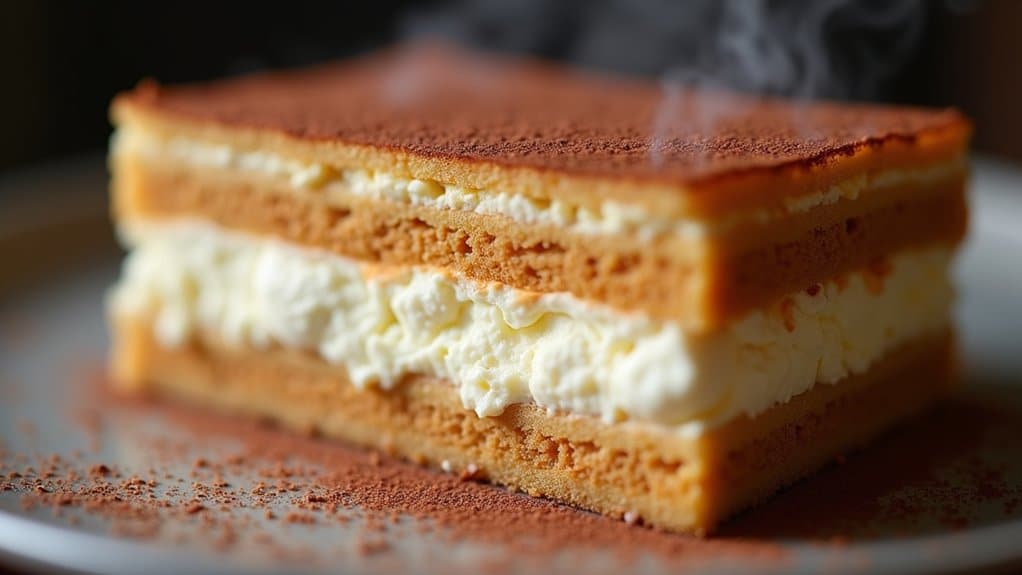
Why do so many people search for alcohol content “after baking” when traditional tiramisu never actually touches an oven? You’re working with a classic no-bake dessert that relies entirely on refrigeration for structure and firmness.
Here’s what actually happens: You’ll dip ladyfingers briefly in espresso, layer them with mascarpone cream, and chill the assembly for 4-24 hours. The only heat involved occurs when you cook egg yolks over a double boiler to reach 165°F, creating a safe sabayon base. This gentle technique isn’t baking, it’s controlled custard preparation. For those concerned about using raw eggs, this cooked egg method results in a similar flavor and texture while providing added food safety. Some recipes also use pasteurized eggs as an alternative approach to address food safety concerns without requiring the double boiler technique.
Your tiramisu sets through cold temperatures, not oven exposure. This distinction matters because alcohol evaporation behaves differently in chilled environments versus heated ones. For best results, you should chill tiramisu for at least 6 hours before serving to achieve proper firmness and flavor development. Understanding this clarifies why “after baking” reflects search intent rather than actual culinary technique.
Does the Alcohol Really Cook Off?
Three persistent myths continue to mislead home bakers about alcohol evaporation in tiramisu. First, you’ll hear that mixing alcohol with hot coffee eliminates ethanol, it doesn’t. The brief contact provides insufficient heat exposure for complete toxin clearance. Second, many assume chilling the dessert removes alcohol; refrigeration actually preserves it entirely. Third, the “cooking off” belief ignores that traditional tiramisu undergoes no heat application whatsoever. Tiramisu is a no-bake dessert, which means any alcohol added remains in the finished product rather than evaporating during preparation.
When you consume residual alcohol, your liver initiates alcohol metabolism through enzymatic pathways. For individuals with alcohol use disorder or compromised liver function, even small amounts may contribute to hepatotoxicity risk. Expert consensus confirms that standard preparation, combining Marsala wine or rum directly into uncooked mascarpone, retains detectable alcohol content sufficient to affect sensitive populations, including children and pregnant individuals. Marsala wine is the traditional alcohol choice for tiramisu, offering warm, caramel notes that blend seamlessly with espresso and mascarpone. For those who wish to avoid rum, amaretto or coffee liqueur can serve as suitable alternatives while still contributing to the dessert’s characteristic flavor profile.
Why Refrigeration Doesn’t Remove the Alcohol
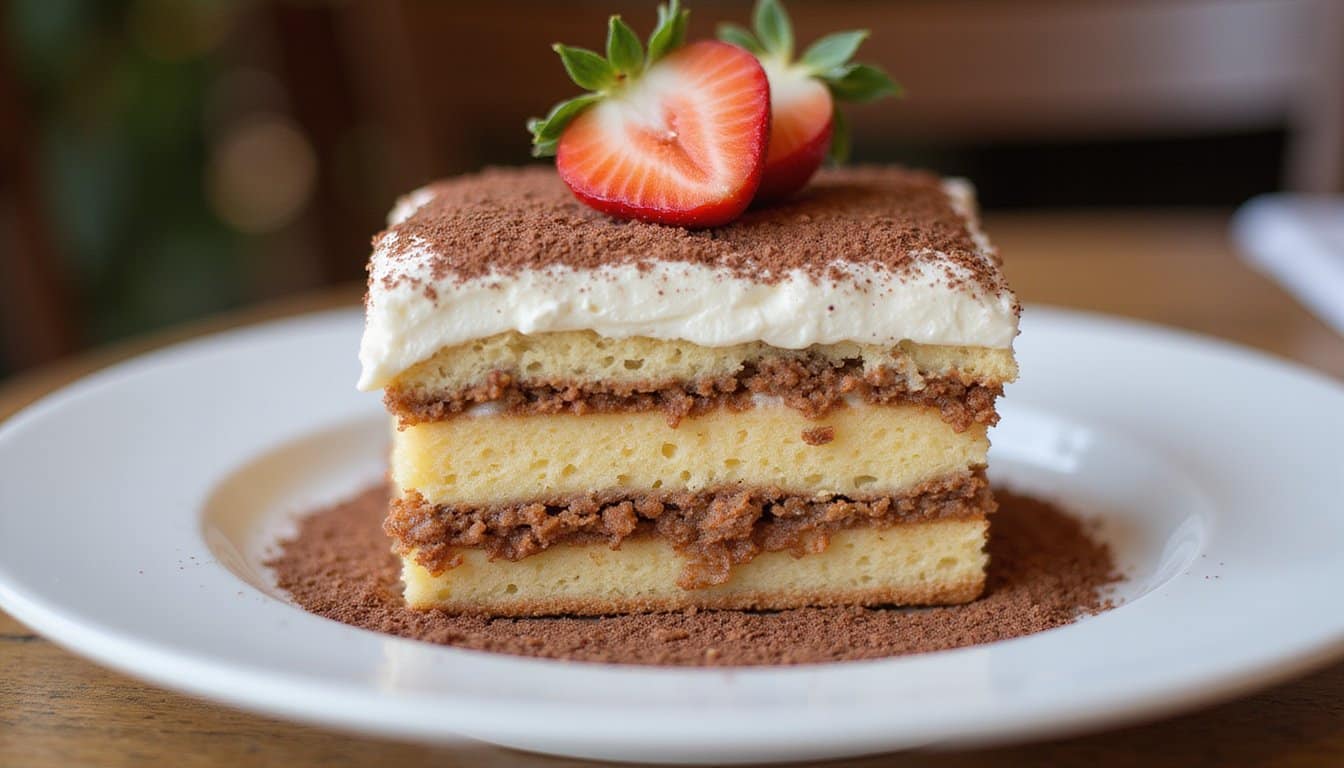
Understanding why heat fails to eliminate alcohol leads directly to another common misconception: that refrigeration somehow removes ethanol from tiramisu. You’re dealing with refrigeration temperature limitations that make alcohol evaporation chemically impossible. Your refrigerator maintains 35-40°F, while ethanol’s boiling point sits at 173°F.
During chilling, ladyfingers absorb the Marsala-espresso mixture, distributing alcohol throughout the dessert’s structure. Cold storage actually preserves ethanol by slowing chemical breakdown. The sealed container environment prevents any volatilization. It is recommended to chill tiramisu for at least 6 hours before serving to allow the flavors to develop properly.
This alcohol interference affects more than taste, it impacts how your body processes other substances. For individuals undergoing thc detox, residual ethanol can cause delayed thc clearance by competing for liver enzyme pathways. The mascarpone’s fat content doesn’t neutralize alcohol; it simply modifies absorption dynamics. Refrigeration provides zero reduction benefit for those requiring alcohol-free options.
How Much Alcohol Is in Traditional Tiramisu?
When you prepare traditional tiramisu, you’re typically incorporating Marsala wine, dark rum, or coffee liqueur, with recipes calling for quantities ranging from 2 tablespoons to 7 tablespoons of alcohol mixed into the espresso soak or mascarpone filling. These amounts mean a single serving can contain measurable ethanol, since the ladyfingers absorb the alcohol-infused liquid during their brief 2-second dip and the dessert undergoes no heat treatment that would promote evaporation. You should understand that this retained alcohol content, while generally lower than a standard drink per portion, can still produce mild physiological effects in sensitive individuals. For optimal texture and flavor development, the assembled tiramisu should be refrigerated for at least 6 hours before serving, during which time the alcohol remains integrated into the dessert rather than dissipating.
Common Alcohols Used
Traditional tiramisu recipes frequently incorporate one or more alcoholic components, with Marsala wine serving as the most authentic choice in Italian preparations. You’ll find this fortified wine soaked into ladyfingers alongside espresso, typically using 7 tablespoons per batch.
Dark rum ranks as the most prevalent alternative, providing robust flavor when mixed at 1/3 cup with espresso. Amaretto offers an almond-forward profile for those seeking variation.
Common alcoholic additions include:
- Fortified wines, Marsala or brandy incorporated into sabayon cream at 2-3 tablespoons
- Spirits, Dark rum, whisky, or brandy blended with coffee soaking liquid
- Liqueurs, Coffee liqueur, amaretto, or Irish cream added at 2 tablespoons to espresso syrup
Each component contributes distinct flavor characteristics while introducing variable ethanol content.
Typical Recipe Quantities
Although debates persist about whether authentic tiramisu originally contained alcohol, most contemporary recipes incorporate measurable quantities of wine, spirits, or liqueurs that affect total ethanol content per serving.
Although debates persist about whether authentic tiramisu originally contained alcohol, Alcohol in Tiramisu Dessert remains relevant because most contemporary recipes incorporate measurable quantities of wine, spirits, or liqueurs that affect total ethanol content per serving.
You’ll typically find 1/3 cup Marsala wine in the filling, with an additional 7 tablespoons mixed into espresso for soaking ladyfingers. Some variations add 1/4 to 3/4 cup dark rum or 3 tablespoons coffee liqueur. When you’re serving 12-16 portions, these quantities distribute ethanol unevenly across each slice. The Marsala wine is cooked with the egg yolks and sugar over a double boiler, which likely cooks out most of the alcohol.
Your liver enzymes, particularly CYP2E1, metabolize this residual alcohol. Unlike cannabis detox protocols, tiramisu’s ethanol processing doesn’t typically cause significant glutathione depletion at standard serving sizes. However, if you’re consuming multiple portions or have compromised hepatic function, cumulative exposure increases. Track recipe specifications precisely, alcohol content varies substantially between traditional and modified preparations. For those avoiding alcohol entirely, a coffee-free tiramisu variation uses hot cocoa instead of espresso and can easily omit spirits altogether. Notably, the original tiramisu recipe from Le Beccherie in Treviso does not contain any alcoholic beverages, meaning children can safely enjoy the authentic version.
Buzz Potential Explained
How much alcohol actually remains in your tiramisu when it never sees the inside of an oven? Since traditional tiramisu is a no-bake dessert, the 2-4 tablespoons of Marsala, rum, or liqueur you add stays fully intact without thermal evaporation. Your final chilled product delivers approximately 0.5-2% ABV per serving. Adding alcohol to the coffee that soaks the ladyfingers is actually a common variation rather than part of the original recipe.
Three factors determine your individual response:
- BMI and body composition, Higher fat cell storage can slow alcohol distribution through your system
- Metabolic rate, Faster metabolism processes ethanol more efficiently
- Dual diagnosis considerations, Individuals managing co-occurring conditions may experience heightened sensitivity
While this concentration won’t intoxicate most adults, it remains detectable. Sensitive groups, including those with alcohol intolerance or enzyme deficiencies, should exercise caution with traditionally prepared versions.
How Much Alcohol Stays in Each Slice?
When you slice into a tiramisu prepared with Marsala wine or rum, you’re consuming a dessert that retains approximately 0.5% to 1% ABV in its finished form. Since traditional tiramisu isn’t baked, alcohol doesn’t evaporate noticeably during preparation. Even mixing Marsala with hot espresso removes only a fraction of ethanol content.
Your body mass index affects how you metabolize this residual alcohol. Individuals with lower BMI may process ethanol differently than those with higher values. The mascarpone and egg components dilute alcohol distribution across each portion, but concentrations remain measurable. Restaurant or homemade versions often contain higher alcohol content than commercially prepared alternatives.
You won’t experience withdrawal symptoms or require electrolyte drinks from a single slice. However, repeated consumption could contribute to minor oxidative stress in sensitive individuals. For complete alcohol elimination, substitute Marsala with alcohol-free alternatives or almond extract.
Can You Actually Taste the Alcohol?
When you taste traditional tiramisu, you’ll detect the distinctive flavor profile of Marsala wine or coffee liqueur because the dessert’s no-bake preparation preserves alcohol at full strength without heat-induced evaporation. Your palate can identify specific spirit characteristics, whether it’s rum’s toasted sugar notes, amaretto’s nutty sweetness, or Baileys’ creamy Irish cream finish, since these compounds remain intact in the chilled mascarpone layers. Unlike baked goods that lose 40-75% of alcohol content through cooking, tiramisu’s uncooked assembly means the taste intensity stays remarkably prominent throughout each bite. For an elegant variation, champagne can substitute water in recipes like No-Bake Passion Fruit Tiramisu, where its bright taste will shine through in the finished dessert.
Flavor Profile Detection
Why does tiramisu’s alcohol content seem so prominent on the palate when laboratory measurements confirm concentrations below 0.7% ABV? Your flavor profile detection relies on volatile aromatic compounds, not just median ethanol levels. Alcohol molecules evaporate readily at mouth temperature, delivering concentrated sensory impact disproportionate to actual concentration.
Recipe variation factors considerably influence your perception:
- Soaking duration: A 45-second ladyfinger soak produces 400% more retained alcohol than a 5-second dip, intensifying taste.
- Spirit selection: High-proof rum delivers sharper bite than fortified Marsala at equivalent volumes.
- Serving temperature: Warmer portions accelerate volatility and evaporation, releasing more aromatic compounds toward your olfactory receptors.
You’re detecting alcohol’s flavor signature through chemesthetic receptors responding to ethanol’s warming, slightly burning sensation, not through taste buds measuring actual concentration. Additionally, overnight refrigeration causes up to 25% of added alcohol to dissipate, particularly from surface layers, which explains why the first bite often tastes milder than the center.
Alcohol Taste Intensity
How readily you’ll detect alcohol in tiramisu depends on three primary factors: spirit selection, incorporation method, and serving conditions. Dark rum beaten directly into mascarpone delivers more pronounced intensity than Marsala wine diluted in espresso. Your detox timeline after consumption varies based on residual ethanol levels, which affect how your body processes the dessert.
| Factor | Low Intensity | High Intensity |
|---|---|---|
| Spirit Type | Coffee liqueur | Dark rum |
| Method | Espresso dilution | Direct cream incorporation |
| Serving | Room temperature | Chilled overnight |
| Absorption | Fresh ladyfingers | Stale ladyfingers |
| Duration | Immediate serving | 6-9 hour refrigeration |
Understanding alcohol impact on detox helps you gauge consumption effects. Supporting hydration for detox and considering n-acetyl cysteine supplementation may assist metabolic processing.
Should Kids, Pregnant Women, or Non-Drinkers Skip It?
Although traditional tiramisu offers a rich, complex flavor profile, its residual alcohol content raises legitimate safety concerns for specific populations.
You should understand that no-bake tiramisu retains 40% of its alcohol even after mixing with hot coffee. This retention rate poses distinct risks for vulnerable groups.
Populations advised to avoid traditional tiramisu:
- Children, Their developing livers cannot efficiently process residual ethanol, unlike adults who might use coconut water for natural detox support.
- Pregnant women, Any alcohol-thc interaction or standalone alcohol exposure threatens fetal development.
- Non-drinkers, Those abstaining for religious reasons, cannabis withdrawal recovery, or medical conditions should select alcohol-free alternatives.
You’re safest choosing recipes explicitly labeled alcohol-free. Don’t assume cooking eliminates ethanol, it doesn’t without extended high-heat exposure.
Can You Make Tiramisu Completely Alcohol-Free?
For those who must avoid alcohol entirely, the good news is that you can prepare tiramisu without any alcoholic ingredients whatsoever. You’ll substitute Marsala wine with almond extract or alcohol-free coffee concentrate, maintaining flavor complexity without compromising dietary restrictions.
| Alcoholic Ingredient | Alcohol-Free Substitute | Flavor Profile |
|---|---|---|
| Marsala wine | Almond extract | Nutty, sweet |
| Coffee liqueur | Espresso concentrate | Bold, bitter |
| Rum | Vanilla extract | Warm, aromatic |
Unlike substances affecting the endocannabinoid system or cannabinoid receptors, these substitutes won’t trigger concerns on a urine drug test. You’ll achieve authentic taste through precise ratios and proper hydration protocols for your ladyfingers. Guarantee complete soaking without oversaturation, this technique delivers moisture balance identical to traditional preparations while eliminating alcohol retention entirely.
Best Swaps: Extract, Coffee, and Alcohol-Free Liqueurs
You can achieve authentic tiramisu flavor without alcohol by substituting non-alcoholic coffee liqueurs or amaretto alternatives for traditional spirits like Kahlúa or Marsala wine. When using extracts, add 1-2 teaspoons of almond or vanilla extract directly to your cold espresso soak to replicate the nutty, aromatic complexity of fortified wines. These swaps maintain the dessert’s signature depth while ensuring your tiramisu remains completely alcohol-free.
Alcohol-Free Liqueur Options
Consider these precise swaps for your mascarpone mixture:
- Heavy cream swaps, Whip thickened cream with sugar and vanilla extract to replace liquor-enhanced filling
- Zero-proof coffee spirits, Blend Lyre’s American Malt with espresso for complex soaking liquid
- Pure extract method, Add vanilla extract directly to mascarpone for enhanced flavor
Following traditional alcohol-free notes, the original tiramisu recipe excludes alcohol entirely. You’ll dust cocoa powder on top for the classic finish while maintaining complete ethanol elimination. Your prepared tiramisu can be stored for up to 36 hours in the refrigerator, allowing the flavors to meld beautifully without any alcohol content.
Extract Substitution Tips
A well-chosen extract transforms alcohol-free tiramisu from bland to complex. You’ll find almond extract replicates the nutty undertones of fortified wine when you use half a teaspoon per quarter cup of Marsala replacement. Vanilla extract mimics rum’s warm sweetness at one teaspoon per two tablespoons of omitted alcohol.
For intensified depth, coffee extract amplifies espresso notes without adding excess liquid that compromises texture. You can combine these extracts with strong brewed coffee to achieve a balanced flavor profile equivalent to traditional recipes containing fortified wine.
Cold espresso remains your preferred base, it prevents ladyfinger sogginess during assembly. Dissolve quality instant coffee in chilled water when espresso isn’t available. Decaf options maintain the classic taste profile without caffeine amplification. Chill your coffee mixture thirty minutes before dipping to preserve distinct layer definition.
Store-Bought vs Homemade: Which Has Less Alcohol?
Most store-bought tiramisu products retain their full alcohol content because manufacturers follow the traditional no-bake preparation method, which provides zero opportunity for ethanol evaporation.
When you prepare homemade tiramisu, you’re working with identical no-bake recipes that preserve alcohol at equivalent levels. However, homemade versions offer control over ingredient quantities.
Consider these key distinctions:
- Store-bought tiramisu typically contains standardized alcohol amounts, often lower than traditional recipes for broader consumer appeal.
- Homemade tiramisu allows you to adjust alcohol content from 2-3 tablespoons to complete omission.
- Neither preparation method involves heat sufficient for meaningful ethanol reduction.
Your safest approach involves checking ingredient labels on commercial products or preparing homemade versions with almond extract substitutions. Both store-bought and homemade tiramisu retain full alcohol strength without thermal processing.
Frequently Asked Questions
Does Tiramisu Alcohol Show up on a Breathalyzer Test?
Yes, tiramisu’s alcohol can register on a breathalyzer test. When you consume traditional tiramisu containing Marsala wine, rum, or coffee liqueur, your body absorbs the retained ethanol through digestion. Since classic tiramisu isn’t baked, the alcohol remains largely intact. Even small quantities can produce detectable blood alcohol concentrations, as breathalyzer sensitivity thresholds respond to minimal ethanol levels. You’ll metabolize this alcohol identically to beverage consumption, potentially triggering positive readings depending on portion size and your individual metabolism.
Can People With Alcohol Intolerance Safely Eat Tiramisu?
You shouldn’t eat traditional tiramisu if you have alcohol intolerance. Since tiramisu’s a no-bake dessert, ladyfingers soaked in Marsala wine, rum, or liqueurs retain their full ethanol content, no evaporation occurs during chilling. Even trace amounts can trigger symptoms like flushing, nausea, or rapid heartbeat in sensitive individuals. You’ll need to verify ingredients carefully or choose alcohol-free versions that substitute espresso or non-alcoholic flavorings for safe consumption.
How Long Does Alcohol From Tiramisu Stay in Your Body?
Your body metabolizes alcohol from tiramisu at approximately 0.015% blood alcohol concentration per hour. Since tiramisu contains minimal residual ethanol, typically far less than a standard drink, trace amounts generally clear your system within a few hours. However, clearance timing varies based on your liver enzyme efficiency, body composition, hydration status, and whether you’ve consumed other foods. If you have ADH/ALDH enzyme deficiencies, expect slower processing rates.
Is Tiramisu Considered Halal if It Contains Alcohol?
Traditional tiramisu containing alcohol isn’t considered halal under strict Islamic dietary guidelines. You’ll find that even minimal alcohol retention disqualifies the dessert, regardless of quantity. Since tiramisu’s no-bake preparation preserves the intoxicating properties of Marsala wine or coffee liqueur, the alcohol-soaked ladyfingers remain haram. You can achieve halal compliance by substituting alcohol-free liqueurs, almond extract, or pure espresso. Always verify ingredients before consuming store-bought or restaurant versions.
Can Eating Tiramisu Trigger a Reaction With Certain Medications?
Yes, eating tiramisu can trigger reactions with certain medications. If you’re taking SSRIs, the trace ethanol potentiates vasodilatory effects, amplifying symptoms like flushing or dizziness without actual intoxication. You’ll also experience caffeine-induced jitters that intensify when combined with even minimal alcohol. The interaction doesn’t require significant ethanol absorption, your medication sensitivity creates noticeable physiological responses from amounts measuring as low as 0.28% ABV in standard preparations.