No, cocaine doesn’t sober you up from alcohol. It masks alcohol’s sedation by flooding your brain with dopamine and norepinephrine, creating an illusion of clarity, but your BAC, motor impairment, and cognitive deficits remain unchanged. Worse, your liver converts both substances into cocaethylene, a metabolite that’s more cardiotoxic than cocaine alone and raises your risk of sudden death up to 25-fold. Understanding exactly how this combination endangers every major organ system can change how you weigh the risk.
Does Cocaine Actually Sober You Up From Alcohol?

While cocaine creates a powerful subjective sense of sobriety during alcohol intoxication, it doesn’t reduce your blood alcohol concentration, reverse motor impairment, or restore genuine cognitive function. The cocaine and alcohol interaction produces a stimulant and depressant interaction where noradrenergic arousal overrides sedation at the awareness level only.
You’re experiencing masking intoxication effects, cocaine’s dopamine and norepinephrine reuptake blockade counteracts alcohol’s GABAergic sedation, generating a reduced perception of alcohol intoxication that feels convincingly real. However, objective psychomotor testing confirms impairment remains equivalent to or worse than alcohol alone. Critically, this concurrent use triggers the liver to produce cocaethylene, a metabolite with a longer half-life than cocaine, which prolongs and intensifies the psychoactive experience while significantly increasing cardiovascular risk.
This dissociation drives impaired judgment about your actual functional capacity. Your BAC follows identical elimination curves regardless of cocaine use, metabolizing at approximately 0.015% per hour through fixed hepatic enzymatic pathways. This false sense of sobriety is particularly dangerous on the road, as alcohol alone is responsible for around 30% of fatal road accidents in the U.S., and adding cocaine only amplifies the likelihood of reckless decision-making behind the wheel.
Why You Feel Sober but Aren’t
Because cocaine’s stimulant effects directly oppose alcohol’s sedation at the level of conscious awareness, your brain generates a convincing internal signal that you’ve regained control, but this signal is neurochemically manufactured, not physiologically accurate. Your alcohol intoxication remains fully active beneath cocaine’s stimulant overlay, and cocaethylene formation extends this dangerous masking intoxication effects window.
| What You Perceive | What’s Actually Happening | Clinical Risk |
|---|---|---|
| Mental clarity | Prefrontal impairment persists | Increased risk taking behavior |
| Physical coordination | Motor deficits unchanged | Fall and crash risk intact |
| Alertness | BAC elimination unaffected | Delayed overdose recognition |
| Reduced thirst | Kidney function stressed | Dehydration alcohol toxicity compounds |
| Emotional control | Inhibitory circuits suppressed | Aggression and impulsivity escalate |
This perception-reality gap drives continued drinking, compounding cardiovascular and hepatic danger. Over time, this pattern of combined use significantly elevates the risk of long-term liver damage, making each session of co-use more physiologically costly than the last.
Why Cocaine and Alcohol Use So Often Go Together

The gap between how sober you feel and how impaired you actually are doesn’t exist in isolation, it actively drives a pattern of combined use so widespread that it constitutes a defining feature of cocaine consumption rather than an incidental overlap. An estimated 74% of cocaine users simultaneously consume alcohol, and nearly 60% with cocaine intoxication patterns also meet criteria for substance use disorder involving alcohol.
- Polydrug use occurs because cocaine masks sedation, prompting you to drink more
- Cocaethylene formation in liver extends the perceived high 2, 5 times longer than cocaine alone
- Cocaethylene toxicity increases sudden death risk 18- to 25-fold
- Cocaine peak plasma levels rise 18, 20% when you co-administer alcohol
- Complementary stimulant-depressant effects reinforce continued co-use across sessions
What Is Cocaethylene and Why Is It Dangerous?
When your liver receives both cocaine and alcohol simultaneously, it doesn’t simply process each substance independently, it produces a third compound that neither substance generates on its own. This metabolite, cocaethylene, forms when hepatic enzymes shift from breaking down cocaine to synthesizing an entirely new psychoactive substance that enters your bloodstream directly.
Cocaethylene binds dopamine transporters with higher affinity than cocaine itself, producing intensified euphoria that persists three to five times longer. This extended activity comes at severe physiological cost. Cocaethylene’s cardiotoxicity exceeds cocaine’s by over tenfold, disrupting cardiac ion channels and driving heart rate increases exceeding 200% above baseline. The toxicity profile includes seizures, liver damage, and cerebral infarction. Research indicates cocaethylene carries an 18- to 25-fold increased risk of immediate death compared to cocaine alone.
How Alcohol Secretly Boosts Cocaine in Your System
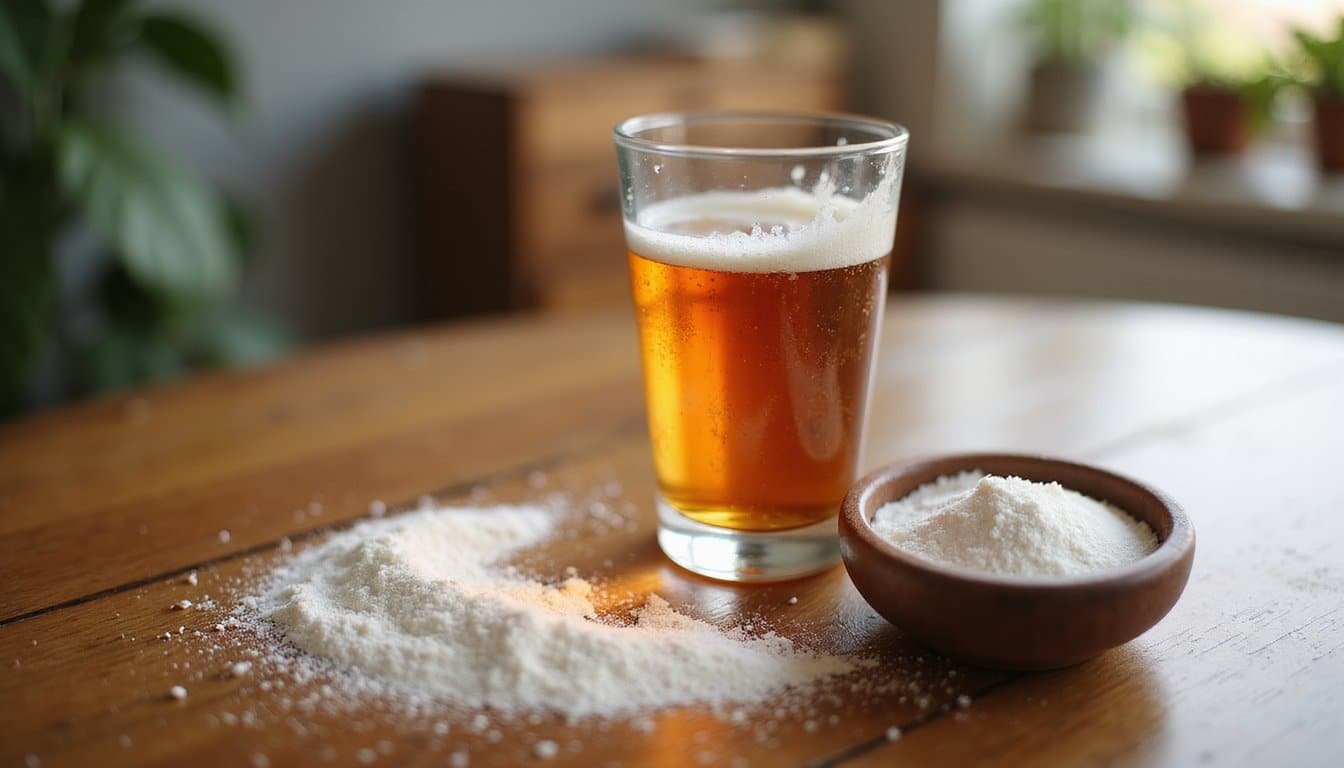
When you drink alcohol alongside cocaine, your liver’s ability to break down cocaine drops considerably, plasma clearance falls by roughly 50%, meaning cocaine lingers in your bloodstream far longer than it would on its own. This suppressed first-pass metabolism causes your peak cocaine blood levels to rise 18, 20% higher than they’d reach without alcohol, with overall cocaine exposure (measured by area under the curve) increasing by 23, 29%. You’re not just taking two drugs at once; alcohol is actively amplifying cocaine’s presence in your system, setting the stage for intensified cardiovascular strain and accelerated cocaethylene formation.
When you look at cocaine vs alcohol, the interaction is far more dangerous than it appears. When you drink alcohol alongside cocaine, your liver’s ability to break down cocaine drops considerably, plasma clearance falls by roughly 50%, meaning cocaine lingers in your bloodstream far longer than it would on its own. This suppressed first-pass metabolism causes your peak cocaine blood levels to rise 18, 20% higher than they’d reach without alcohol, with overall cocaine exposure (measured by area under the curve) increasing by 23, 29%. You’re not just taking two drugs at once; alcohol is actively amplifying cocaine’s presence in your system, setting the stage for intensified cardiovascular strain and accelerated cocaethylene formation.
Elevated Cocaine Blood Levels
Because alcohol doesn’t just mask cocaine’s effects at the level of perception, it actively changes how your body handles cocaine at the pharmacokinetic level, increasing how much cocaine actually reaches your bloodstream and how long it stays there. This interplay raises the question of does alcohol make cocaine stay longer in the system than it normally would. Consequently, individuals might experience prolonged effects, leading to a greater risk of dependency and adverse reactions.
The cocaine-alcohol interaction produces measurable pharmacokinetic shifts that increase toxicity risk: Effective cocaine detection and alcohol testing are essential for ensuring public safety in various environments. Understanding the complexities of these substances can help in developing better monitoring strategies.
- Cocaine plasma levels rise 18, 20% with intranasal use when alcohol is present
- Cocaine clearance drops by approximately 50%, prolonging blood persistence
- The alcohol effect on first-pass metabolism drives the strongest elevations during oral cocaine use
- Cocaethylene formation contributes to sustained blood concentrations and enhanced cardiotoxicity
- Fatalities involving both substances occur at cocaine blood levels nearly three times lower than cocaine-alone deaths
These changes mean your body retains more cocaine longer, compounding danger you can’t perceive.
Slower Hepatic Cocaine Metabolism
Although cocaine normally undergoes rapid hepatic hydrolysis, broken down by carboxylesterase enzymes into the inactive metabolites benzoylecgonine and ecgonine methyl ester, alcohol’s presence in the liver fundamentally redirects this process. When your liver metabolism alcohol through alcohol dehydrogenase and acetaldehyde metabolism pathways simultaneously, carboxylesterase activity shifts toward transesterification, producing cocaethylene instead of rapidly clearing cocaine.
This enzymatic competition directly slows your hepatic cocaine clearance. Cocaethylene’s plasma half-life extends three to five times longer than cocaine’s, sustaining pharmacological activity well beyond expected duration. The resulting hepatotoxicity mechanisms compound your liver toxicity risk, cocaethylene depletes hepatic antioxidant defenses and produces toxicity approximately 30% greater than either substance alone. You’re not sobering up; you’re generating a longer-lasting, more hepatotoxic metabolite that accelerates progression toward fibrosis and irreversible organ damage.
Why Sudden Death Risk Jumps Up to 25 Times Higher
Everything about the cocaine-alcohol interaction described above, the masking of impairment, the unchanged blood alcohol concentration, the false confidence in sobriety, becomes exponentially more dangerous when you consider what’s happening simultaneously at the cardiac level. Cocaethylene formation drives sudden cardiac death risk 18 to 25 times higher than cocaine alone. Ethanol doesn’t buffer cardiac stress, it amplifies it.
- Cocaethylene inhibits cardiac ion channels, lowering your fibrillation threshold and triggering fatal arrhythmias
- Heart attack risk spikes 4.3 to 24-fold within the first hour after cocaine use, worsening with alcohol co-ingestion
- Coronary blood flow decreases while myocardial oxygen demand surges, creating acute ischemic conditions
- Overdose risk escalates because lower cocaine blood levels still prove lethal when cocaethylene is present
- Cardiovascular failure accounts for 62% of cocaine-related sudden deaths
Cocaine and Alcohol Spike Heart Attack Risk Fast
When your liver produces cocaethylene from the simultaneous presence of cocaine and alcohol, it creates a metabolite that blocks cardiac sodium and potassium channels more potently than cocaine alone, directly increasing your risk of fatal arrhythmia and acute myocardial infarction. Research shows cocaethylene’s plasma half-life runs two to five times longer than cocaine’s, meaning this heightened cardiotoxicity persists well after cocaine’s subjective effects fade, sustaining dangerous elevations in heart rate, blood pressure, and myocardial oxygen demand. The result is that cocaethylene can trigger lethal cardiac events at lower combined doses than either substance would require independently, a pharmacological reality that makes every episode of co-use a high-stakes cardiovascular gamble.
Cocaethylene Multiplies Heart Danger
Nearly every fatal cocaine-alcohol interaction traces back to a single metabolite your liver shouldn’t be making: cocaethylene. When a central nervous system stimulant and central nervous system depressant combine hepatically, this compound forms and blocks cardiac ion channels more potently than cocaine alone.
Cocaethylene dramatically escalates your arrhythmia risk and myocardial infarction probability through these mechanisms:
- Blocks sodium and potassium channels, disrupting electrical conduction
- Increases myocardial oxygen demand by 17% within 30 minutes of co-use
- Elevates heart rate over 200% more than cocaine alone due to slowed metabolic clearance
- Causes vasoconstriction and prothrombotic effects, starving cardiac tissue of oxygen
- Produces 18, 25 times greater sudden death risk compared to cocaine alone
You can’t outpace this chemistry with perceived alertness.
Fatal At Lower Doses
You’re facing a 4.3 to 24-fold increased acute myocardial infarction risk within the first hour of use. Cocaine blocks sodium and potassium channels, producing fatal arrhythmias in 4, 17% of cocaine-related infarction cases. Alcohol doesn’t buffer these dangers, it extends them by generating cocaethylene, prolonging the window during which even moderate doses can trigger cardiac arrest.
How the Combo Damages Memory, Learning, and Cognition
Because cocaine masks alcohol’s sedating effects without reversing actual impairment, many users don’t recognize that the combination is simultaneously inflicting measurable damage on memory, learning, and broader cognitive function that extends far beyond the period of acute intoxication. Dopamine system disruption drives cocaine-related cognitive deficits by reducing DA neuron activity and receptor function, while cocaethylene prolongs these disruptions.
- Working memory impairments worsen with increased cocaine use severity and earlier age of onset
- Combined use decreases decision-making and verbal learning beyond either substance alone
- Long-term neuroplastic changes in prefrontal cortex circuitry underpin persistent cognitive decline
- Cocaethylene’s prolonged dopamine blockade intensifies memory circuit damage
- White matter structural changes compound functional deficits across attention, recall, and executive domains
These deficits aren’t temporary, they represent lasting neurochemical alterations that persist into abstinence.
Why the Mix Fuels Aggression, Paranoia, and Violence
How does a combination already proven to mask impairment and damage cognition also become a reliable trigger for aggression, paranoia, and outright violence? The norepinephrine increase cocaine produces activates fight-or-flight hypervigilance, while the serotonin increase cocaine disrupts mood regulation. Alcohol then strips your inhibitory control. Simultaneously, mesolimbic dopamine system activation through reward pathway activation can reinforce aggression as subjectively rewarding.
| Risk Factor | Clinical Finding |
|---|---|
| Paranoia prevalence | 68, 84% of cocaine users |
| Violence rate | 55% of cocaine-induced psychiatric cases |
| Crack-specific risk | Greater anger and violence than intranasal use |
| Alcohol co-use | Amplifies irritability and impulsivity synergistically |
| Homicide association | Cocaine implicated in 31% of victims |
You’re not just impaired, you’re neurochemically primed for dangerous behavior.
Harm Reduction if You’ve Mixed Cocaine and Alcohol
If you’ve already combined cocaine and alcohol, the priority shifts from prevention to damage control, because cocaethylene is now forming in your liver, your cardiovascular system is under compounded stress, and your ability to judge how impaired you actually are has been pharmacologically stripped away.
- Stop redosing both substances immediately, cocaethylene’s extended half-life means cocaine toxicology risks compound with each additional dose.
- Don’t drive or make consequential decisions, your perceived sobriety doesn’t reflect your actual BAC or motor impairment.
- Monitor for alcohol poisoning signs: vomiting, slow breathing, loss of consciousness, and low body temperature warrant an overdose emergency call to 911.
- Stay with someone who can recognize cardiovascular distress, chest pain, irregular heartbeat, or hyperthermia.
- Seek addiction treatment if combined use has become a pattern rather than an isolated event.
Call Now and Get the Help You Need
Alcohol and cocaine take more than they give, and the people you love feel it before you do. At The Hope Institute, we provide Cocaine Addiction Treatment built on compassion and personalized care to help you heal. Call (855) 659-2310 now and let us walk this journey with you.
Frequently Asked Questions
Can Coffee or Water Speed up Alcohol Metabolism After Using Cocaine?
No, coffee and water won’t speed up your alcohol metabolism after using cocaine. Your liver processes alcohol at a fixed rate of about 0.015% BAC per hour, and neither caffeine nor hydration accelerates this enzymatic pathway. When you’ve combined cocaine and alcohol, your liver’s also producing cocaethylene, which persists even longer than cocaine alone. Coffee may make you feel more alert, but it doesn’t reduce your actual blood alcohol concentration or impairment.
Does Cocaethylene Show up on Standard Workplace or Probation Drug Tests?
Standard workplace and probation drug panels don’t specifically test for cocaethylene. They detect cocaine through its primary metabolite, benzoylecgonine, at cut-off levels of 150, 300 ng/mL. However, cocaethylene’s presence in your system confirms you’ve used cocaine and alcohol simultaneously, and forensic toxicology labs can identify it when specifically requested. If you’re on probation, a positive cocaine metabolite alone triggers violations, cocaethylene detection simply adds evidence of concurrent alcohol use, potentially worsening your legal consequences.
How Long Should You Wait Between Using Alcohol and Cocaine Separately?
You should wait at least 24 hours between using alcohol and cocaine separately to minimize pharmacokinetic overlap. If you use both within approximately two hours, your liver produces cocaethylene, a toxic metabolite with two to five times cocaine’s half-life. Alcohol also increases cocaine’s plasma levels by 18, 20%, intensifying cardiovascular risk. However, no truly safe interval exists because metabolite persistence varies individually. The only evidence-based safe approach is avoiding co-use entirely.
Are Certain People Genetically More Vulnerable to Cocaethylene-Related Sudden Death?
Yes, you’re genetically more vulnerable if you carry certain heart-related gene variants. SCN5A mutations, linked to Brugada syndrome, can remain silent until cocaine unmasks fatal arrhythmias, post-mortem DNA testing has confirmed this in young users with no structural heart disease. Variable genetic predisposition also explains why some people develop severe cardiomyopathy after relatively brief cocaine-alcohol use. You can’t know your risk without specialized genetic testing.
Does Cocaine Mixed With Alcohol Affect Hormonal Birth Control or Other Medications?
Yes, cocaine mixed with alcohol can affect how your body processes hormonal birth control and other medications. Both substances tax your liver’s metabolic pathways, potentially altering hormone absorption and clearance rates. You’re also more likely to miss pills or forget patch changes while intoxicated. If you’re taking medications like rifampin, antiepileptics, or antiretrovirals alongside hormonal contraceptives, adding cocaine and alcohol compounds unpredictable drug interactions and increases your risk of contraceptive failure.