The difference is speed. Smoked crack reaches the brain in 10 to 15 seconds through the lungs. Snorted powder takes 3 to 5 minutes, traveling through the bloodstream first. That gap reverses when it comes to duration: smoking fades in 5 to 15 minutes while snorting holds for 15 to 60. The faster route produces the more intense high, and that intensity is what drives the higher addiction risk. Each route also damages a different part of the body.
Key Takeaways
- Onset & delivery: Smoked crack reaches the brain in 10, 15 seconds, while snorted powder takes 3, 5 minutes to take effect.
- Duration & peak: Snorting sustains a high for 15, 60 minutes, whereas smoking peaks fastest but lasts only 5, 15 minutes.
- Intensity & addiction risk: Smoking’s rapid, concentrated high creates greater intensity and higher dependence risk than slower-acting snorting.
- Health risks by route: Snorting damages nasal architecture (nosebleeds, septum perforation), while smoking harms lungs and raises heart attack, stroke, and psychosis risk.
- Treatment outcomes: Intranasal users typically stay in treatment longer with better outcomes, while smokers report greater dependence and more severe consequences.
Snorted vs Smoked Cocaine Compared
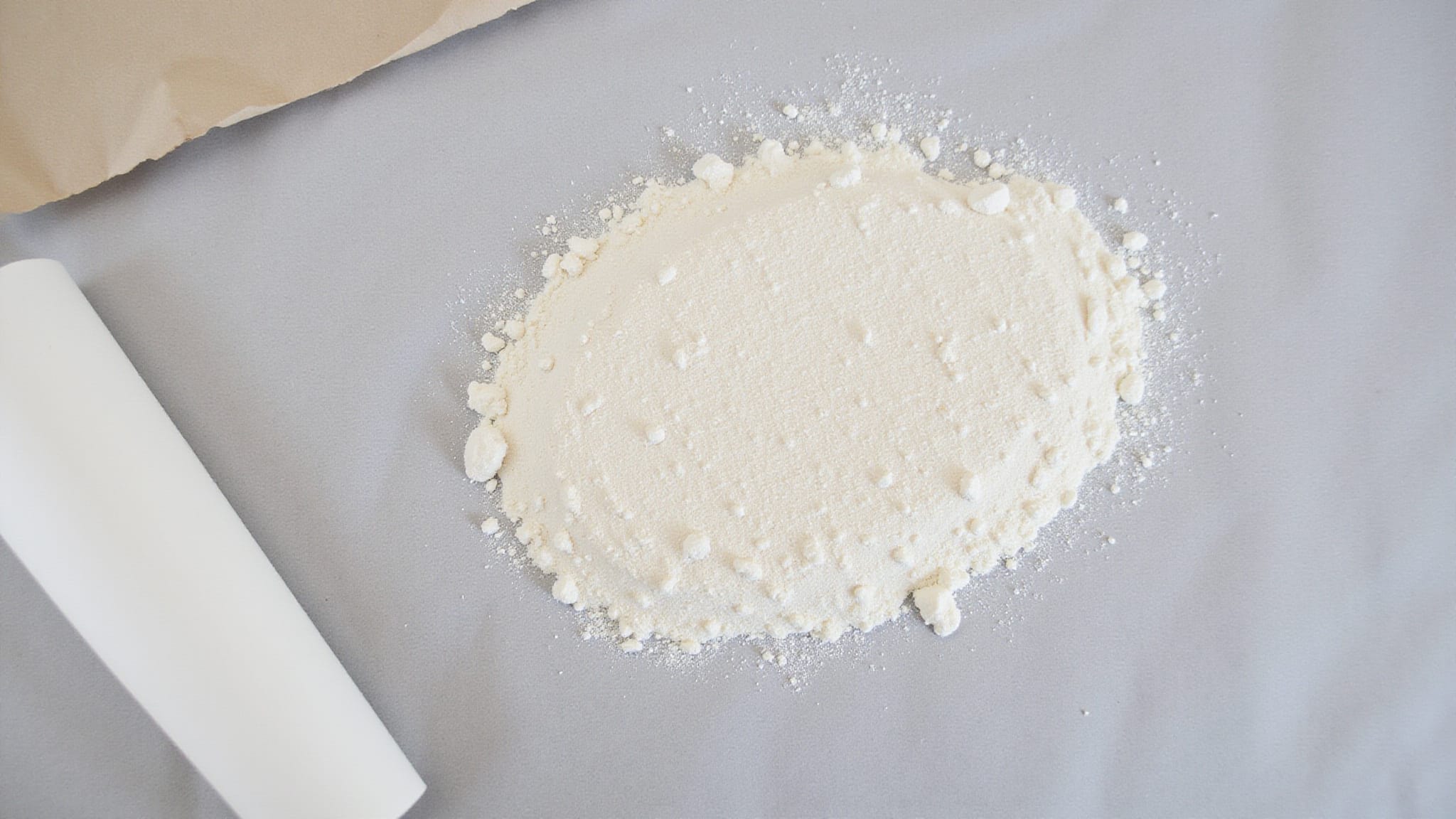
Snorted and smoked cocaine differ sharply in how quickly and intensely they act. If you smoke crack, effects reach your brain within 10, 15 seconds through the lung membranes. If you snort powder cocaine, you’ll wait 3, 5 minutes as the drug travels through your circulatory system.
These cocaine use methods also differ in duration. Smoking crack produces a high lasting just 5, 15 minutes, while snorting powder sustains cocaine effects for 15, 60 minutes.
Intensity matters too. Smoking achieves maximal concentration faster, generating a more intense high that elevates addiction risk. Snorting produces a slower, less concentrated effect. Regardless of the route you choose, no method of cocaine use is safe.
What happens when you snort cocaine
Snorting powder cocaine causes the hydrochloride salt to absorb through the mucous membranes lining your nasal passages and enter your circulatory system. Because this route travels through your bloodstream before reaching your brain, the effects don’t arrive instantly. Compared with other cocaine methods, snorting produces a slower, more gradual onset.
When you snort cocaine, the hydrochloride salt absorbs through nasal membranes into your bloodstream, delaying effects and softening the onset.
Here’s what you can expect:
- Onset: Effects begin within 3, 5 minutes, not seconds.
- Duration: The high lasts about 15, 45 minutes, longer than smoking.
- Absorption: The hydrochloride salt is water-soluble, enabling mucosal uptake.
- Nasal damage: Repeated use erodes nasal passages, causing chronic nosebleeds and septum perforation.
- Intensity: The high is less intense than smoked forms.
In the crack vs cocaine comparison, snorting delivers a milder, more delayed effect.
What happens when you smoke cocaine

Smoking crack cocaine delivers the drug to your brain within 10, 15 seconds, because the free-base form passes directly through your lung membranes into the bloodstream. You reach maximal concentration far faster than snorting, but the high fades quickly, lasting only 5 to 10 minutes. This rapid onset produces a more intense effect, which elevates the drug’s addictive qualities, even a single use can lead to addiction. The intensity and speed make crack more addictive than powder cocaine, increasing your risk of dependence and more severe life consequences. Physically, smoking damages your lungs and worsens asthma, and it carries risks including heart attack, stroke, and psychosis. Crack is usually smoked, often combined with marijuana. No method is safe, but smoking’s concentrated delivery amplifies harm.
How do the effects and onset compare
Smoking produces faster, more intense effects than snorting, while snorting lasts longer. When you smoke crack, it crosses your lung membranes and reaches your brain within 10 to 15 seconds. When you snort powder, it travels through your circulatory system, so effects begin in 3 to 5 minutes. Smoking achieves maximal concentration far faster than the intranasal route.
Duration inverts this pattern. Your smoked high fades within 5 to 15 minutes, while snorting sustains effects for 15 to 60 minutes.
| Method | Onset & Duration |
|---|---|
| Smoked crack | 10 to 15 seconds; lasts 5 to 15 minutes |
| Snorted powder | 3 to 5 minutes; lasts 15 to 60 minutes |
| Peak effect | Fastest when smoked |
| Intensity | Higher when smoked |
That rapid, intense onset elevates smoking’s addiction potential considerably.
How do the health risks differ between the two

The health risks differ by route because the route you choose determines where the damage concentrates. Snorting powder cocaine targets your nasal architecture, while smoking crack sends the impact to your lungs and cardiovascular system through rapid bloodstream entry.
- Snorting erodes your nasal passages, causing chronic nosebleeds and septum perforation.
- Smoking damages your lungs and worsens asthma.
- Smoked cocaine enters through your lungs, producing rapid effects on your heart and brain.
- Smoking carries risks including heart attack, stroke, and psychosis.
- Smoking crack links more strongly to addiction than snorting or oral ingestion.
Regardless of which method you choose, no route is safe. Each concentrates distinct, documented damage across different organ systems in your body.
Which method is more addictive and dangerous
Smoking is both more addictive and more dangerous than snorting. When you smoke crack, it reaches your brain within 10, 15 seconds, producing a more intense, immediate high than the 3, 5 minute onset you’d experience snorting powder. That rapid onset and greater intensity elevate its addictive potential. Smoking even once can lead to addiction. The smokable free-base form is more concentrated, further increasing your risk of dependence.
The dangers escalate accordingly. Because smoked cocaine enters your bloodstream through the lungs, it acts rapidly on your heart and brain, raising your risk of heart attack, stroke, and psychosis. You also face lung damage and worsened asthma. Clinically, smokers report greater dependence and more severe consequences across multiple life areas than snorters.
How do you find help for cocaine addiction
Help for cocaine addiction starts with evidence-based treatment that works regardless of how you use cocaine. Research shows treatment outcomes differ by administration route: intranasal users typically stay in treatment longer and achieve better cocaine use outcomes, while smokers report greater dependence and more severe life consequences. Understanding your usage pattern helps clinicians tailor your care.
Your cocaine usage pattern shapes your treatment path, and understanding how you use helps clinicians tailor care that works.
Consider these evidence-based options:
- Behavioral therapies addressing dependence severity and triggers
- Structured treatment programs with retention support, especially for smokers
- Outpatient options such as intensive outpatient or partial care that keep work and family commitments intact
- Medical monitoring for cardiac, neurological, and respiratory complications
- Relapse prevention targeting the rapid, intense highs driving addiction
- Follow-up care extending beyond treatment termination to sustain reduced use
No usage method is safe, so early intervention matters.
Conclusion
Route of use is not a detail. It sets how fast the drug arrives, how hard the brain learns to want it again, and which organ system absorbs the damage. Smoking front-loads all of that, which is why dependence tends to form faster and hit harder among people who smoke.
None of that makes snorting a safer choice, only a differently damaging one. Septum perforation, cardiac strain, and dependence all follow the intranasal route too, just on a slower timeline that is easier to ignore. The useful takeaway is that switching routes is not a form of harm reduction, and the point at which someone starts asking which method is worse is usually the point at which an assessment is worth having.
There’s Hope on the Other Side of Cocaine
Cocaine can steal your energy, your relationships, and your peace, but with the right people beside you, everything can begin to feel possible again. At The Hope Institute in Pompton Lakes, NJ, our caring team offers compassionate outpatient Cocaine Addiction Treatment shaped around your heart, your history, and your hopes. Call +1 (855) 659-2310 today and let us help you find yourself again.
Frequently Asked Questions
What actually makes crack different from powder cocaine?
Chemistry, not potency. Powder cocaine is a hydrochloride salt, which dissolves in water but breaks down under heat, so it cannot be smoked effectively. Processing it with baking soda and water strips off the hydrochloride and leaves the free base, which vaporizes at a low enough temperature to inhale. The active molecule is the same in both. What changes is the delivery speed, and speed is what drives the difference in addiction risk.
Can a perforated septum heal on its own?
Once cartilage is perforated it does not regenerate, because the septum has no blood supply of its own and depends on the tissue covering it. Stopping use halts further erosion and lets the surrounding lining recover, which often reduces crusting and bleeding. Closing an existing hole requires surgical repair, and surgeons generally want a documented period of abstinence first, since continued use causes the graft to fail.
What is crack lung?
It refers to acute respiratory symptoms appearing within hours to a couple of days of smoking, including chest pain, cough, shortness of breath, fever, and sometimes coughing up blood. Imaging can show diffuse infiltrates. The causes include direct thermal injury from hot vapor, inflammation from adulterants, and bleeding within the lung tissue. It needs emergency evaluation, because it overlaps with pneumonia and with cardiac events that also present as chest pain.
Does the route of use affect how cocaine shows on a drug test?
Standard testing looks for benzoylecgonine, a metabolite the body produces regardless of route, so smoking and snorting both register on the same panel. Route affects how quickly the metabolite appears and, marginally, how long it stays detectable, since dose and frequency matter more than delivery method. Smoked use tends to involve more frequent redosing, which can extend the window slightly. No route avoids detection.
Why do smokers drop out of treatment more often than snorters?
Several factors compound. The rapid high produces stronger conditioned cravings, and cues tied to smoking tend to be more environmentally specific and harder to avoid. Smoked use is also associated with heavier overall consumption, more financial and legal disruption, and less stable housing, all of which make attending sessions harder. The pattern reflects circumstances and craving intensity rather than motivation, which is why retention support is built into treatment planning for this group.