


What is Alcohol Addiction?
Alcohol addiction, also known as Alcohol Use Disorder (AUD), is a chronic disease characterized by an inability to stop or control alcohol use despite adverse social, occupational, or health consequences. The history of alcohol addiction traces back to ancient times, with its impact on society being profound and far-reaching.
The diagnostic criteria for AUD have evolved over time, with significant changes between the Diagnostic and Statistical Manual of Mental Disorders, Fourth Edition (DSM, IV) and the Fifth Edition (DSM, 5). The DSM, 5 has expanded the criteria for diagnosing AUD, making it more inclusive and accurate.
The Complexity of Alcohol Addiction
Alcohol addiction is a complex physical, psychological, and social disorder. Signs of alcoholism can range from physical symptoms like tremors and blackouts to behavioral changes such as neglecting responsibilities and increased aggression.
Alcoholism poses significant dangers, including both short-term effects like accidents and injuries, and long-term effects such as liver disease and cancer. It often co-occurs with mental health disorders like depression and anxiety, further complicating its treatment.
The causes of alcohol addiction are multifaceted, encompassing genetic, environmental, and psychological factors. Risk factors can include a family history of addiction, exposure to alcohol at a young age, and high levels of stress or trauma.

The Process of Diagnosing Alcohol Addiction
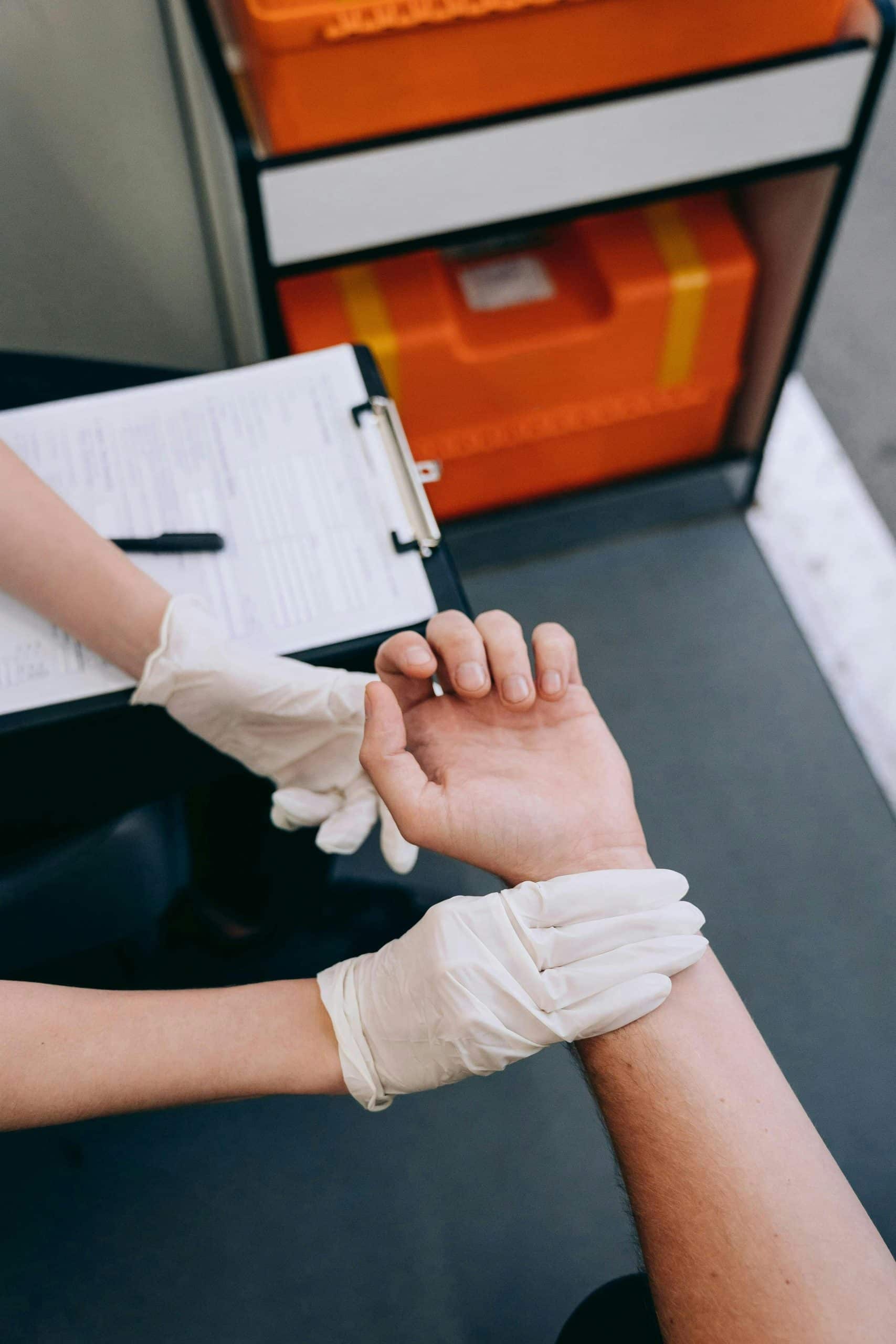
Symptoms of alcohol addiction can vary widely, from physical signs like tolerance and withdrawal, to behavioral symptoms such as unsuccessful attempts to cut down on drinking. Diagnosis typically involves a thorough evaluation by a healthcare professional using established diagnostic criteria.
Early diagnosis and intervention are crucial in managing alcohol addiction, as they can prevent severe complications and improve the chances of recovery.
Support and Coping Mechanisms for Alcohol Addiction
Support groups like Alcoholics Anonymous can provide invaluable help during recovery. Lifestyle changes, such as a healthy diet and regular exercise, can also aid recovery. Cognitive-behavioral techniques and mindfulness can help individuals manage cravings and avoid triggers.
Strategies for the Prevention of Alcohol Addiction
Prevention strategies can range from public health initiatives to individual-level interventions. Education plays a crucial role in prevention, with school-based programs and public awareness campaigns being particularly effective. Parents can also play a significant role in prevention through open communication and role modeling.

Prognosis and Outlook for People with Alcohol Addiction
Recovery from alcohol addiction is possible and probable with the right support and treatment. Many individuals have successfully overcome their addiction and have gone on to lead fulfilling, alcohol-free lives. Several factors can influence the prognosis and outlook for people with alcohol addiction:
Personal Motivation
Support Networks
Adherence to Treatment
Positive Outlook
Maintaining a positive outlook, characterized by hope and resilience, can significantly impact recovery. This includes believing in one’s ability to recover and viewing setbacks as opportunities for growth rather than failures.
Healthy Lifestyle

Safe and Supportive Environment for Your Recovery Journey
Our luxury facility offers comfortable accommodations and essential amenities, including a pool and hot tub, creating a home-like atmosphere. Our caring staff, many with personal recovery experience, provide 24/7 support throughout your healing process at our Woodland Hills location.
Exploring Treatment Options for Alcohol Addiction
Frequently Asked Questions about Alcohol Addiction in Milford, New Jersey
How Does Alcohol Addiction Treatment Work in Milford, New Jersey?
The Hope Recovery Institute offers complete alcohol addiction treatment that includes medical care, therapy, and support groups. Our treatment center provides safe detox services with 24/7 medical supervision. Patients receive personalized care plans that address both their addiction and any mental health needs. The program includes individual counseling, group therapy, and family support services to help build a strong foundation for lasting recovery.
What Are the Signs of Alcohol Addiction?
How Long Does Alcohol Addiction Treatment Take?
What Happens During Alcohol Detox?
How Do You Handle Dual Diagnosis Cases?
What Activities Are Included in Treatment?
Can I Visit Family During Treatment?
Resources for Alcohol Addiction
Numerous resources are available for those struggling with alcohol addiction. These resources can provide valuable information, support, and treatment options. Here are some of the resources available:
- Hotlines: There are several hotlines available 24/7 for those struggling with alcohol addiction. These include the Substance Abuse and Mental Health Services Administration (SAMHSA) National Helpline (1-800-662-HELP) and the National Council on Alcoholism and Drug Dependence Hope Line (1-800-622-2255).
- Support Services: Support groups like Alcoholics Anonymous (AA) and SMART Recovery offer peer support and practical strategies for dealing with alcohol addiction.
- Books: There are many books available that provide insights into alcohol addiction and recovery. Some recommended reads include “Drinking: A Love Story” by Caroline Knapp and “The Unexpected Joy of Being Sober” by Catherine Gray.
- Websites: Numerous websites provide valuable information and resources on alcohol addiction. These include the National Institute on Alcohol Abuse and Alcoholism (NIAAA) and the American Society of Addiction Medicine (ASAM).
- Treatment Centers: There are numerous treatment centers that specialize in alcohol addiction. These centers offer a range of treatment options, from detoxification to therapy and aftercare. If you’re seeking help with alcohol addiction treatment, contact us and we would be happy to help.
Seeking help is a crucial step in recovery, and overcoming stigma and barriers to treatment is often the first hurdle to overcome. Remember, there is no shame in seeking help for alcohol addiction. It’s the first step towards a healthier, happier life.