The best anxiety treatment methods rely on a combination of evidence-based approaches that address both symptoms and underlying drivers. Cognitive Behavioral Therapy is widely regarded as the gold standard, pairing cognitive restructuring with behavioral exposure. Pharmacological options such as SSRIs and SNRIs provide well-established support for many individuals. Mindfulness practices and controlled breathing techniques activate the parasympathetic nervous system, offering more immediate symptom relief. Lifestyle factors, including regular exercise, consistent sleep, and strong social connection, help build long-term emotional resilience. These methods are most effective when tailored to individual needs, and understanding how they work together can substantially enhance overall outcomes.
Cognitive Behavioral Therapy: The Gold Standard for Anxiety Relief

Cognitive behavioral therapy (CBT) has emerged as the gold standard for anxiety treatment, backed by robust empirical evidence demonstrating moderate to large effect sizes across most anxiety disorders. You’ll benefit from CBT’s structured approach, which combines cognitive restructuring, identifying and challenging distorted thoughts, with behavioral exposure techniques that directly confront feared situations.
Leading mental health authorities recommend CBT as first-line treatment, often outperforming other psychotherapies and matching medication effectiveness. You can access customized CBT protocols through various delivery methods: individual sessions, group formats, or therapist-guided digital CBT. Most courses span 8, 20 weekly sessions, though brief models under 8 sessions prove effective for some individuals. Recent meta-analyses of placebo-controlled trials published since 2017 reveal small placebo-controlled effects of CBT on anxiety disorder symptoms, with findings primarily driven by research on posttraumatic stress disorder. Research shows that relapse rates remain relatively low following treatment completion, supporting the durability of CBT’s therapeutic gains. Effective CBT requires individualized case conceptualization to tailor interventions to your specific anxiety presentation and maintaining factors.
Your sustained symptom reduction typically persists for 12 months post-treatment, with placebo-controlled effects ranging from moderate to strong depending on your specific anxiety disorder.
Medication Options: SSRIs and SNRIs as First-Line Treatments
While psychotherapy forms a robust foundation for anxiety management, medication often complements or serves as an alternative treatment pathway. SSRIs and SNRIs represent first-line pharmacological options for generalized anxiety disorder, panic disorder, and social anxiety disorder. Both classes increase serotonin availability; SNRIs additionally boost norepinephrine levels, benefiting patients experiencing fatigue alongside anxiety.
Your medication selection factors should include symptom profile, comorbidities, and side effect tolerability. Escitalopram and duloxetine demonstrate superior efficacy and tolerability in clinical trials. Most side effects, nausea, insomnia, or hypertension, resolve within weeks. SNRIs carry a higher risk of increased blood pressure compared to SSRIs, which should be considered during medication selection. These medications should be taken consistently at the same time of day to maintain steady therapeutic levels.
These medications require several weeks for full therapeutic benefit, typically taking 6-8 weeks before patients notice noticeable improvements in their anxiety symptoms. Importantly, both classes remain non-addictive for long-term use. When discontinuing, implement withdrawal management strategies through gradual tapering to prevent discontinuation syndrome.
Mindfulness and Relaxation Techniques for Immediate Symptom Management
Beyond pharmacological interventions, evidence-based mindfulness and relaxation techniques offer accessible, immediate relief from anxiety symptoms. You can activate your parasympathetic nervous system through controlled breathing practices like 4-7-8 or box breathing, which produce rapid decreases in acute anxiety. Body scan meditation helps you recognize anxiety-induced tension while developing interoceptive awareness, your ability to perceive bodily signals linked to lower anxiety levels. Guided imagery and visualization techniques redirect your attention from worrisome thoughts, with short 3-15 minute sessions proven effective in clinical populations. The 5-4-3-2-1 grounding exercise anchors you to the present moment, interrupting anxiety spirals using your senses. Mindfulness-Based Stress Reduction demonstrates noninferior efficacy to escitalopram, delivering approximately 30% anxiety symptom reduction. These techniques require no equipment, involve minimal adverse effects, and you can deploy them anywhere for immediate symptom management. Practicing diaphragmatic breathing for 5-10 minutes sends a signal to the brain that the perceived threat has passed, allowing the body and mind to calm down. MBSR can be facilitated by individuals without clinical degrees, making it accessible in community settings beyond traditional medical environments. Progressive muscle relaxation, which involves systematically tensing and releasing muscle groups, helps reduce the physiological manifestations of anxiety while promoting overall relaxation and body awareness.
Lifestyle Changes That Reduce Anxiety and Build Resilience
Since anxiety symptoms respond robustly to lifestyle modifications, you can substantially reduce anxiety and enhance your capacity to manage stress through evidence-based behavioral changes.
| Lifestyle Domain | Key Intervention | Expected Outcome |
|---|---|---|
| Physical Activity | 30+ minutes moderate exercise daily | Reduced anxiety, improved mood, better sleep |
| Nutrition | Whole foods, omega-3s, reduced caffeine | Emotional stability, decreased inflammation |
| Sleep | 7-8 hours nightly, consistent routines | Enhanced resilience, lower daytime anxiety |
You’ll benefit from increasing your physical activity levels, which trigger endorphin and serotonin release. Optimizing nutrition, emphasizing fruits, vegetables, lean proteins, and fish while limiting processed foods, stabilizes mood regulation. Prioritize restorative sleep through consistent bedtime routines and daytime sunlight exposure. Incorporating mindfulness meditation into your daily routine can further enhance anxiety reduction by helping you observe thoughts without judgment and stay present in the moment. Strengthen social connections, which regulate your stress response. Eliminate alcohol, nicotine, and stimulants that exacerbate anxiety. Consider learning relaxation techniques like guided imagery and breathing exercises to actively manage your physiological stress response. These integrated lifestyle changes create a neurobiological foundation for sustained anxiety reduction and improved stress resilience.
Family history and medical conditions can significantly influence your anxiety levels, making it essential to address underlying health factors alongside lifestyle modifications. By recognizing these risk factors, you can tailor your approach to anxiety management more effectively and work with healthcare providers to develop a comprehensive treatment plan.
Complementary Therapies to Support Your Primary Treatment Plan
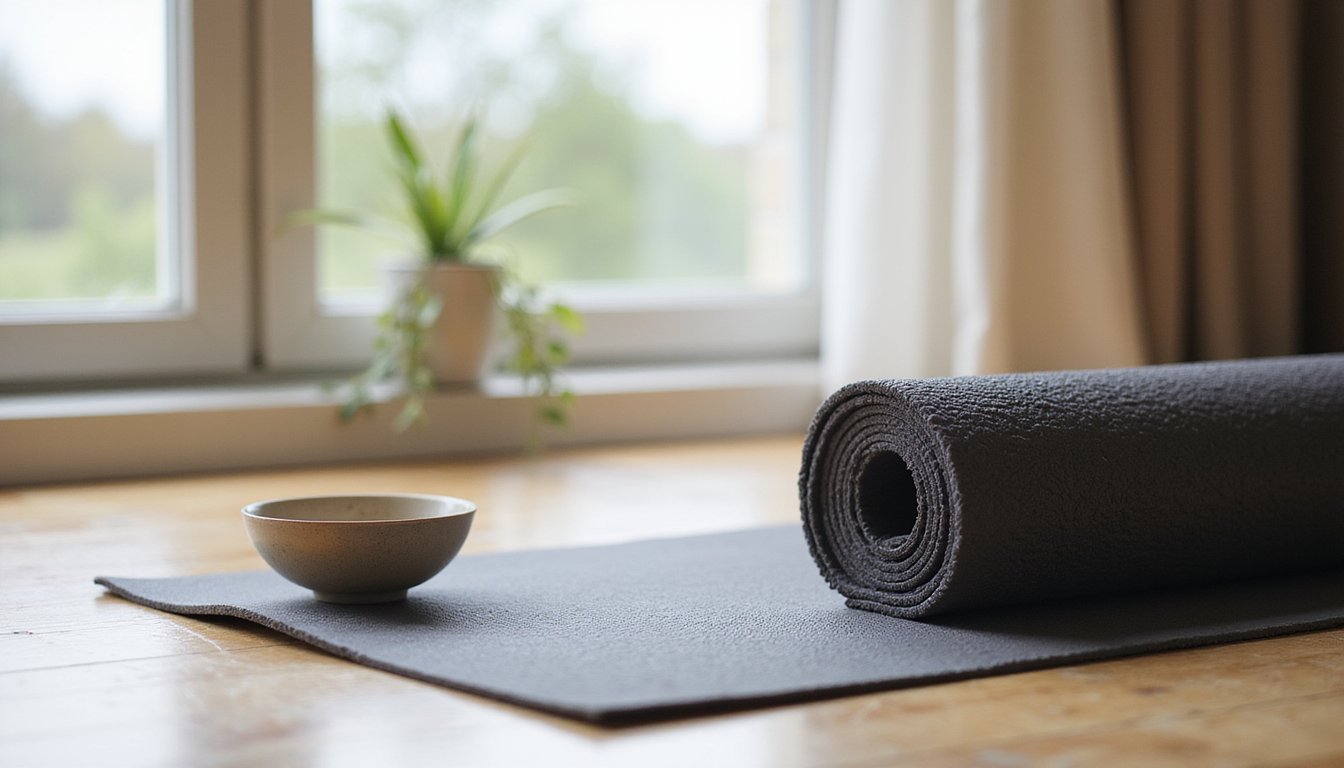
Complementary and alternative approaches can enhance your primary anxiety treatment when integrated thoughtfully into your overall management plan. Herbal supplementation options like lavender oil and passionflower show evidence for reducing anxiety symptoms, though they require professional oversight. Mind-body therapies, including mindfulness meditation, yoga, and breathing exercises, demonstrate moderate clinical effectiveness and appear in most treatment guidelines. Expressive therapies such as music therapy, journaling, and art therapy offer accessible adjunctive support, particularly when combined with conventional interventions. Acupuncture shows moderate benefit for generalized anxiety disorder. These complementary approaches work best alongside your primary treatment rather than replacing it. Research demonstrates that randomized controlled trials provide the strongest evidence for evaluating the effectiveness of complementary therapies when compared against conventional treatment or placebo controls. Practices involving movement may carry risk of injury, so proper instruction and individual assessment of your age, health status, and current medications are essential. Always consult your healthcare provider before adding supplements or new therapies to verify they won’t interact with medications or interfere with your established treatment protocol.
Frequently Asked Questions
How Long Does It Typically Take to See Anxiety Symptom Improvement With Treatment?
You’ll typically notice anxiety reduction within 4, 6 sessions, though clinical improvement usually emerges after 4, 8 weeks of consistent treatment. If you’re engaged and your anxiety’s mild, you might experience pronounced benefits in 6, 10 sessions. However, most people require 12, 20 sessions for lasting change. Your improved treatment adherence and active participation can considerably reduce treatment duration. Moderate cases generally need 15, 20 sessions for enduring symptom relief, depending on your anxiety’s severity and any co-occurring conditions.
What Should I Do if My First Anxiety Treatment Approach Doesn’t Work Effectively?
If your first anxiety treatment isn’t working, you shouldn’t hesitate to explore alternative treatments like ACT or DBT instead of CBT. Consider combination therapies, pairing psychotherapy with medication often boosts effectiveness for resistant symptoms. You’ll also benefit from consulting a psychiatrist or specialist in anxiety disorders for a fresh perspective. They can reassess your diagnosis, identify overlooked comorbidities, and tailor a personalized plan addressing specific barriers to your progress.
Can Anxiety Disorders Go Untreated, or Do They Require Professional Intervention for Resolution?
You can leave anxiety untreated, but professional intervention greatly improves your chances of lasting recovery. While self-help strategies and lifestyle modifications like exercise and mindfulness may ease mild symptoms, they’re insufficient for moderate-to-severe disorders. Research shows only one-third of individuals with anxiety seek treatment, yet those who do achieve remission rates up to 51% with evidence-based therapies like CBT. Without professional support, you’ll likely experience persistent symptoms and increased risk of comorbid conditions.
How Do I Know Which Anxiety Treatment Method Is Best for My Specific Situation?
You’ll identify your best anxiety treatment by consulting a mental health professional who’ll assess your symptoms, medical history, and comorbidities. Start by identifying personal triggers and evaluating lifestyle factors like your therapy adherence capacity and medication tolerance. Your provider will match you with evidence-based options, typically CBT or medication, based on your anxiety type and severity. Track your symptom changes weekly, then adjust your treatment plan accordingly if you’re not improving within several weeks.
Is Combining Multiple Anxiety Treatments More Effective Than Using a Single Approach Alone?
Yes, combining multiple anxiety treatments substantially outperforms single approaches. Research shows that integrative treatment approaches, pairing cognitive behavioral therapy with medication, yield an effect size of 2.12, compared to 1.30 for therapy alone. You’ll likely experience greater symptom reduction and lower relapse rates when you use complementary therapies together. This approach addresses both your physiological and psychological symptoms, making it especially effective for severe anxiety disorders where monotherapy hasn’t sufficed.