Yes, alcohol considerably affects your THC detox timeline. When you drink during detox, your liver prioritizes alcohol metabolism over processing THC-COOH, temporarily stalling cannabinoid elimination and potentially adding days to your detection window. Alcohol also disrupts the fat-burning processes needed to release stored cannabinoids and can increase peak THC levels by enhancing gut absorption. Understanding the specific mechanisms behind this interaction can help you plan a more effective detox strategy.
Yes, alcohol considerably affects your THC detox timeline, highlighting the alcohol effects on thc detoxification when you drink during detox. Your liver prioritizes alcohol metabolism over processing THC-COOH, temporarily stalling cannabinoid elimination and potentially adding days to your detection window. Alcohol also disrupts the fat-burning processes needed to release stored cannabinoids and can increase peak THC levels by enhancing gut absorption. Understanding the specific mechanisms behind this interaction can help you plan a more effective detox strategy.
What’s the Standard THC Detox Timeline Without Alcohol?

When you stop using cannabis, your body begins eliminating THC through a predictable sequence of metabolic events. Within the first 72 hours, your bloodstream flushes initial THC concentrations while withdrawal symptoms emerge, headaches, irritability, and cravings signal cannabis withdrawal syndrome onset.
Between days 2-7, you’ll experience peak intensity. Physical symptoms like fatigue and nausea taper by day 4, but psychological manifestations intensify through day 7. Cannabis withdrawal typically peaks around days 7-10, with depression commonly occurring during this window. For heavy users, THC may continue releasing from accumulated fat cells over several weeks to months after quitting. Similar to alcohol detox where acute withdrawal completes within about a week, the most intense THC withdrawal symptoms generally resolve within the first 7-10 days. The standard cannabis detoxification period spans approximately 30 days as THC fully clears the system.
Does Drinking During Detox Reset Your THC Timeline?
Understanding your baseline detox timeline provides context for examining how alcohol disrupts this process. When you drink during detox, you’re not resetting your timeline completely, but you are extending it. Your liver prioritizes alcohol metabolism over THC-COOH processing, temporarily stalling cannabinoid elimination.
Research shows alcohol consumption enhances plasma THC levels and creates pharmacological interactions that complicate clearance rates. If you’re managing marijuana addiction or marijuana use disorder, adding alcohol burdens the same hepatic pathways needed for the detox process. Studies indicate that cannabis use during treatment was significantly associated with lower percentage of days abstinent from alcohol at both end of treatment and one-year post-treatment, highlighting how these substances interact to undermine recovery goals.
Each drinking episode diverts enzymatic resources, potentially adding days to your detection window. This matters whether you’re pursuing independent cessation or formal alcohol addiction treatment alongside cannabis detox. The interaction isn’t beneficial, it’s a metabolic bottleneck. Abstaining from alcohol removes this modifiable barrier, allowing your liver to prioritize THC metabolite elimination efficiently. Additionally, stopping cannabis use triggers withdrawal symptoms within 24-48 hours, which can complicate the detox experience when alcohol is simultaneously stressing the body’s systems.
Why Alcohol Makes THC Stay in Your System Longer
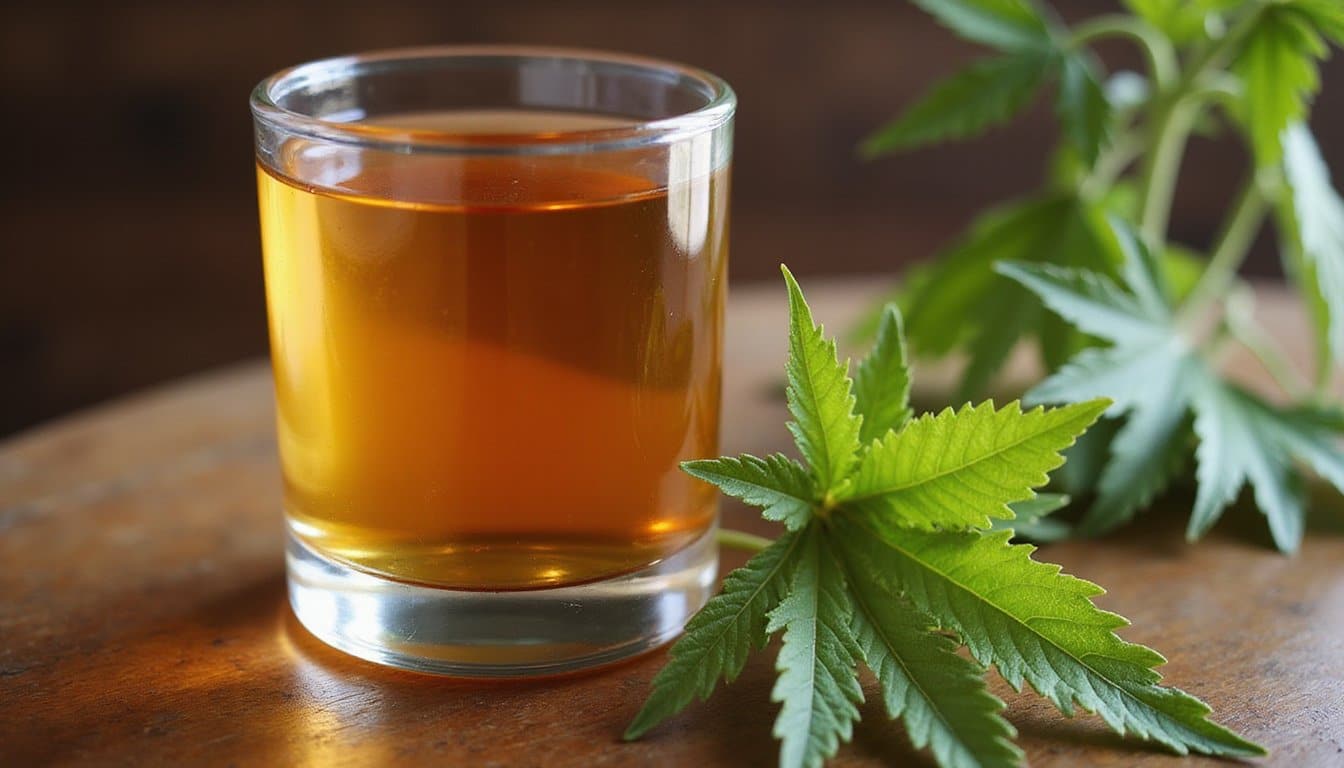
Although many people assume alcohol might help flush THC from their system faster, the metabolic reality works in the opposite direction. When you drink, your liver prioritizes alcohol breakdown over THC processing, directly competing for cytochrome p450 metabolism pathways.
- Enzyme competition: Alcohol monopolizes liver enzymes needed to break down THC metabolites
- Fat tissue THC storage: Alcohol disrupts fat-burning processes required to release sequestered cannabinoids
- Chronic effects: Alcohol use disorders reduce enzyme levels that normally metabolize THC efficiently
- Higher blood concentrations: Studies show alcohol increases peak THC levels by enhancing gut absorption
- Extended detection: Drug test THC sensitivity increases when metabolites remain amplified longer
You’ll test positive longer when combining substances. Research confirms that individuals who consumed alcohol had much higher levels of THC in their bloodstream compared to those given a placebo. This intensified high can cause a “green out” with symptoms like sweating, dizziness, nausea, and vomiting. Abstaining from alcohol removes this avoidable metabolic barrier. For those struggling with regular combined use, a medically-supervised detox can provide a personalized plan that prioritizes comfort and safety while addressing the unique challenges of clearing both substances from the body.
How Combined Use Impairs Memory and Focus for Weeks
When you combine alcohol and THC, you’re not just extending your detox timeline, you’re also setting yourself up for weeks of cognitive impairment that affects daily functioning. Research shows that heavy episodic drinking paired with marijuana use leads to measurable declines in cognitive flexibility, verbal recall that stays impaired even after short-term abstinence, and psychomotor speed that lags behind non-users. These effects aren’t subtle; studies demonstrate performance deficits ranging from 6% to 14% below controls across memory, attention, and processing speed tasks. The combination can also trigger heightened anxiety and paranoia from the compounded mind-altering effects of both substances. Notably, research indicates that females showed higher THC metabolite levels in blood samples compared to males following the same consumption patterns, suggesting potential sex differences in how the body processes these substances during detox.
Cognitive Flexibility Declines Significantly
Research shows that combining alcohol and marijuana creates a measurable decline in cognitive flexibility that can persist for weeks after use. If you’re undergoing drug testing or treatment for substance use disorder, understanding these deficits helps you make informed decisions.
Key findings on cognitive flexibility impairment:
- Teens with heavy episodic drinking show poorer cognitive flexibility than non-using peers
- Combined alcohol and marijuana use produces deficits similar to heavy drinking alone
- More alcohol withdrawal symptoms correlate with lower executive function scores
- These impairments affect real-world task performance and daily functioning
- Co-use perpetuates cognitive deficits, creating cycles of continued consumption
- A longitudinal study following seventh-graders for five years found that cannabis use negatively impacts cognitive functions more than alcohol alone
Your treatment team may integrate cognitive behavioral therapy and trauma informed care approaches to address these neurological impacts. Studies indicate that current marijuana use is significantly associated with decreased cognitive function scores, even when accounting for other factors. Recovery requires recognizing how combined use compromises the mental flexibility essential for adaptive decision-making and sustained sobriety.
Verbal Recall Stays Impaired
Beyond cognitive flexibility, verbal recall represents another domain where combined alcohol and marijuana use leaves measurable, lasting deficits. Research shows you’ll experience poorer delayed recall and semantic organization when using both substances compared to controls. Your metabolism rate influences how long these impairments persist, with deficits often lasting weeks after abstinence begins.
The detox process liver handles becomes compromised during co-use, affecting how efficiently your brain recovers. Your body fat percentage effects THC storage and release, prolonging cognitive impacts. Adolescents face particular vulnerability, performing up to 14% worse on verbal working memory tasks tied to processing.
Post-acute withdrawal cannabis symptoms include sustained verbal learning decrements. Clinical measures like the MoCA memory domain confirm these deficits persist beyond acute intoxication, indicating you’re facing genuine neurological consequences requiring patience during recovery. These deficits in cognitive function may actually perpetuate continued co-use, creating a cycle where impaired decision-making sustains the very substance use causing the impairment.
Psychomotor Speed Suffers Longer
How long does psychomotor impairment actually persist after you’ve combined alcohol and cannabis? Research shows your psychomotor speed suffers extensively longer than you might expect. Heavy marijuana users demonstrate 14% slower performance on visual-motor tasks, with combined use amplifying these deficits.
Key findings on persistent impairment:
- Reaction time increases more with combined use than either substance alone
- Hazard response time shows greater decrements in meta-analyses of 57 studies
- Lateral position variability rises by 0.5 standard deviations over alcohol alone
- Earlier cannabis onset correlates with slower psychomotor speed on standardized tests
- Youth combining substances show measurable differences in cognitive flexibility
You should understand these impairments don’t resolve overnight. While cannabis alone shows no residual effects after two days, combination use heightens risks and prolongs recovery of coordination and processing speed. Unlike cannabis users who tend to drive slower to compensate for impairment, alcohol makes drivers overly confident and faster, which compounds danger when both substances are combined. Animal studies reveal that combining THC with even mildly intoxicating doses of ethanol produced widespread and severe neuronal degradation, suggesting the biological basis for these prolonged deficits.
Why Alcohol Withdrawal Makes THC Detox Harder
When you’re traversing THC detox while simultaneously experiencing alcohol withdrawal, your body faces a compounding physiological burden that greatly complicates both processes. Your liver’s metabolic processes become overwhelmed as alcohol withdrawal triggers physiological-stress-amplification through heightened heart rate, blood pressure, and cortisol levels. This metabolic competition delays THC clearance, potentially extending your drug test detection window beyond the standard 1-4 weeks.
| Withdrawal Phase | Alcohol Symptoms | THC Symptom Overlap |
|---|---|---|
| 6-48 hours | Anxiety, tremors, nausea | Irritability, GI distress |
| 48-72 hours | Peak autonomic instability | Depression, cravings peak |
| 1-4 weeks | Sleep problems withdrawal | Persistent insomnia |
You’ll experience compounded sleep problems withdrawal from both substances, with alcohol-related insomnia persisting up to a month while THC sleep disturbances continue 2-4 weeks, creating prolonged recovery challenges.
Can CBD Help Manage Withdrawal From Both Substances?

If you’re traversing withdrawal from both alcohol and THC, CBD may offer targeted relief, but timing is critical to its effectiveness. Research shows CBD reduces anxiety-like behaviors at the 24-hour withdrawal mark, yet it can increase anxiety when administered too early in the withdrawal process. You’ll also benefit from CBD’s ability to reverse withdrawal-induced changes in neuroimmune markers within the central amygdala, which helps regulate your brain’s stress response during this vulnerable period.
CBD’s Anxiety Reduction Effects
Several emerging studies suggest CBD may help reduce anxiety during withdrawal from both alcohol and THC, though the evidence remains preliminary. When you’re managing cannabis withdrawal symptoms, CBD’s interaction with your endocannabinoid system may promote calm without affecting thc levels markedly.
Research indicates CBD may support marijuana addiction treatment through these mechanisms:
- Restores endocannabinoid balance while reducing inflammation
- Modulates your brain’s reward pathways, weakening substance-pleasure associations
- Eases anxiety, nausea, and sleep disruptions during withdrawal
- Reduces impulsive decision-making that triggers relapse
- Protects against long-term neurological damage from chronic use
A 2025 human study found CBD reduced cravings when participants encountered alcohol cues. However, CBD isn’t a standalone cure for cannabis dependence. You’ll achieve better outcomes combining it with professional counseling and medical supervision tailored to your individual needs.
Timing Matters for CBD
Understanding CBD’s potential benefits represents only part of the equation, the timing of CBD administration during withdrawal dramatically influences its therapeutic effects. Research shows early CBD intervention during the 4-hour withdrawal phase actually increased anxiety-like behaviors, while delayed administration at 24 hours produced anxiety reduction.
Your body fat percentage affects how THC stores in fat tissue and fat cells, directly impacting your detox process THC timeline. When you’re managing dual substance withdrawal, CBD’s metabolism changes considerably, requiring adjusted timing protocols.
Chronic CBD administration reduced alcohol intake and withdrawal symptoms while lowering relapse behaviors in preclinical studies. The neuroimmune response fluctuates throughout withdrawal stages, explaining why CBD timing critically determines outcomes. You’ll achieve the best therapeutic benefit by coordinating CBD use with your specific withdrawal phase rather than administering it arbitrarily.
Neuroimmune Marker Reversal Benefits
While timing CBD administration determines whether you experience anxiety relief or exacerbation during withdrawal, the underlying mechanism involves neuroimmune marker reversal, a process that addresses brain inflammation driving both alcohol and THC withdrawal symptoms.
CBD’s therapeutic potential stems from its ability to target multiple neurobiological systems simultaneously:
- Neuroimmune cell modulation: S100β and Iba1 cell counts normalize in the central extended amygdala during acute withdrawal phases
- Endocannabinoid system restoration: CBD replenishes depleted endocannabinoid levels, optimizing neurotransmitter control
- Neurodegeneration prevention: Striatal reward circuits receive protection from alcohol-induced cellular damage
- Anxiety-behavioral stabilization: Open field center time increases, indicating reduced avoidance behaviors
- Glutamate-GABA rebalancing: Excitotoxicity decreases through stress-related neurotransmission regulation
These mechanisms work synergistically, addressing withdrawal from both substances. You’re fundamentally restoring neurobiological balance rather than masking symptoms, supporting sustainable recovery outcomes.
The Safest Way to Detox From Alcohol and THC Together
Because alcohol and THC share overlapping hepatic pathways, detoxing from both substances simultaneously requires careful attention to your body’s metabolic limits and overall health status. Medically supervised detox provides the safest framework, offering professional support to monitor withdrawal symptoms and liver function throughout the process.
| Approach | Benefits | Considerations |
|---|---|---|
| Gradual reduction approaches | Minimizes withdrawal severity | Requires consistent monitoring |
| Professional support | Personalized treatment plans | Evaluates metabolic factors |
| Holistic therapies detox | Supports overall wellness | Complements medical care |
You shouldn’t attempt abrupt cessation without clinical guidance. Healthcare providers can assess your liver enzyme activity, hydration status, and individual elimination timeline. Gradual reduction approaches reduce physiological stress while holistic therapies detox methods, including nutrition optimization and adequate sleep, support your body’s natural clearance capacity without overburdening hepatic systems.
Frequently Asked Questions
Does Exercise Speed up THC Elimination When You’ve Been Drinking Alcohol?
Exercise can help release THC from fat stores, but alcohol undermines this benefit. When you’ve been drinking, your liver prioritizes metabolizing alcohol over THC metabolites, slowing clearance. Alcohol also causes dehydration and reduces metabolic efficiency, counteracting exercise‘s detox advantages. You’ll see better results if you avoid alcohol during your detox period. Stop exercising 24, 48 hours before any drug test, as workouts temporarily spike blood THC levels.
Can Secondhand Cannabis Smoke Affect THC Detox Timelines?
Yes, secondhand cannabis smoke can affect your THC detox timeline. In unventilated spaces, you can absorb enough THC to produce detectable blood and urine levels, sometimes enough to fail standard drug tests. THC-COOH, the metabolite screened in testing, has a half-life around 140 hours, meaning even passive exposure can delay your negative result. Ventilation dramatically reduces this risk. If you’re detoxing, avoid enclosed spaces where others are smoking cannabis.
Do Home Drug Tests Accurately Detect THC After Alcohol Consumption?
Home drug tests detect THC-COOH metabolites, not THC itself, so they’ll still identify cannabis use after you’ve consumed alcohol. However, alcohol can temporarily elevate your blood THC levels and may slow hepatic metabolism, potentially extending how long you test positive. No studies confirm altered home test accuracy specifically from alcohol-cannabis combinations. You should expect standard detection windows to apply, though individual variability exists based on your usage patterns and metabolism.
How Does Body Fat Percentage Influence THC Detection Windows?
Your body fat percentage directly impacts how long THC remains detectable. Since THC is fat-soluble, it binds to adipose tissue and releases gradually into your bloodstream. If you have higher body fat, you’ll likely test positive longer, chronic users with amplified fat levels can show positive results for 30-90+ days. Lower body fat typically shortens detection windows to 3-10 days for occasional use, as there’s less storage capacity for metabolites.
Will Drinking Water Flush THC Metabolites Faster During Detox?
Drinking water won’t flush THC metabolites faster during detox. THC-COOH stores in your fat cells due to its lipophilic nature, making it resistant to water flushing. While hydration supports kidney function and may temporarily dilute urine concentration, it doesn’t accelerate your liver’s CYP2C9/3A4 enzyme activity or shorten detection windows. Clinical studies show no correlation between fluid intake and THC clearance rates. Excessive water intake risks hyponatremia without enhancing metabolite elimination.