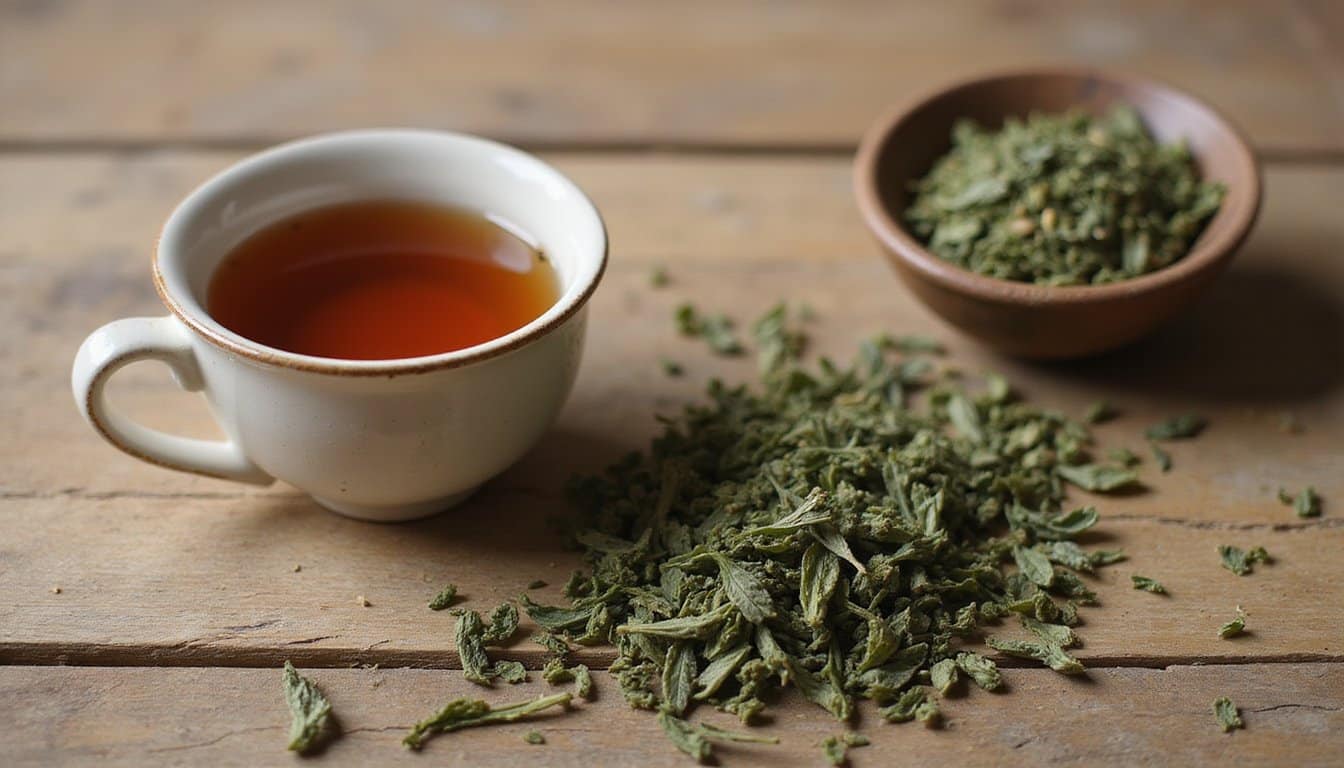
Traditional tiramisu from Le Beccherie in Treviso, Italy doesn’t contain any alcohol, you’ll find only six core ingredients: mascarpone, eggs, sugar, espresso, ladyfingers, and cocoa powder. However, modern recipes often incorporate Marsala wine, Kahlua, or amaretto to add depth and complexity to the flavor profile. Whether your tiramisu contains alcohol depends entirely on the specific recipe you’re following, and understanding these variations will help you choose the perfect version for your needs.
Does Traditional Tiramisu Contain Alcohol?
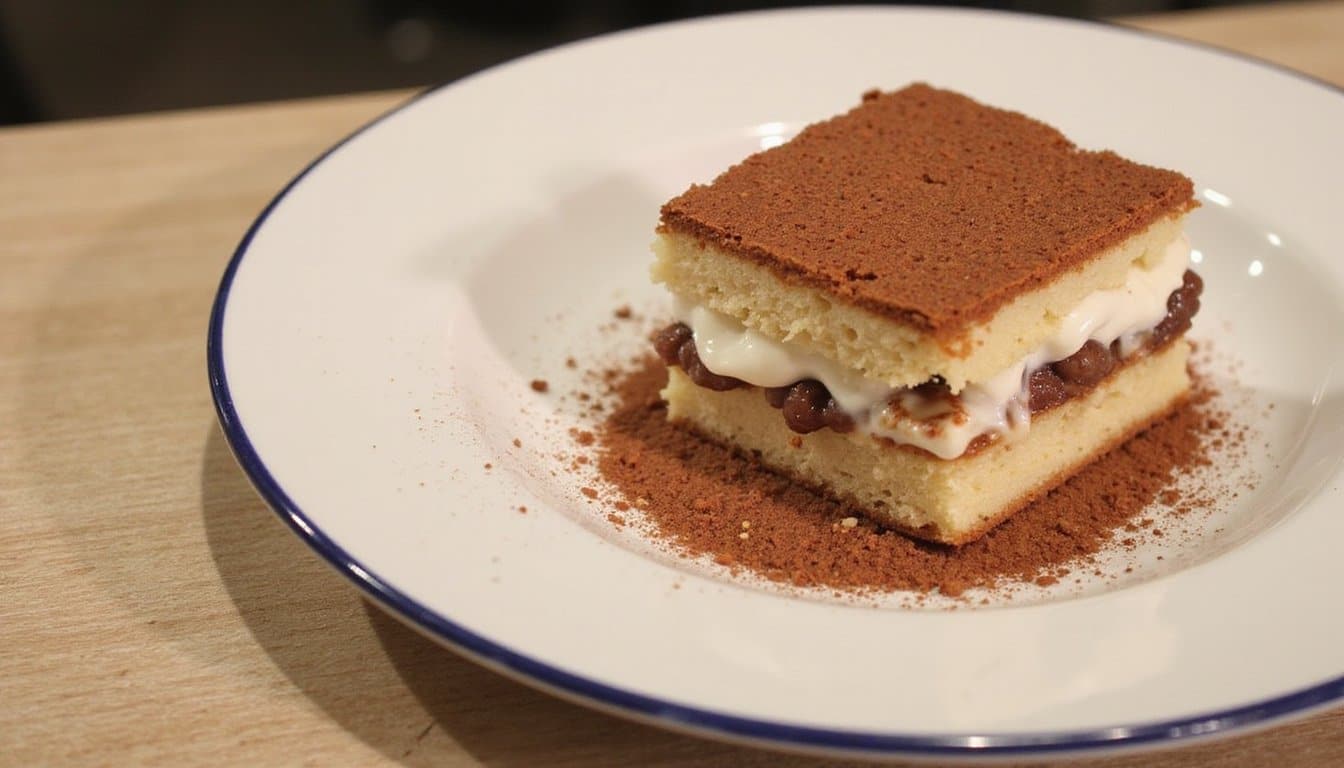
Whether traditional tiramisu contains alcohol depends on which “traditional” recipe you’re referencing, and that’s where considerable confusion begins. Some sources claim the original tiramisu included only six core ingredients: coffee-soaked ladyfingers, mascarpone, eggs, sugar, espresso, and cocoa, no alcohol whatsoever. The authentic recipe from Le Beccherie in Treviso, Italy, which was filed with the Accademia Italiana della Cucina in 2010, confirms this alcohol-free original version.
However, many Italian recipes incorporate Marsala wine into the zabaglione filling or add coffee liqueur to the espresso soak. You’ll find recipes calling for 1/3 cup Marsala wine cooked with egg yolks, while others use 3 tablespoons of liqueur per 2 cups espresso. The alcohol helps to infuse the ladyfingers and contributes to the overall flavor profile of the dessert. When the Marsala wine is cooked with the egg yolks and sugar over a double boiler, it likely cooks out most of the alcohol.
The alcohol in tiramisu varies substantially by regional tradition and family recipe. Since tiramisu isn’t baked, any added alcohol remains in the final dessert. If you’re tracking alcohol content, always verify the specific recipe’s ingredient list.
The Original Italian Recipe Had No Liqueur
You’ll find that Treviso’s original tiramisu tradition relies on coffee as the sole flavoring liquid, with no liqueur touching the ladyfingers. The authentic recipe contains just six core ingredients: mascarpone cheese, raw eggs, sugar, espresso, Savoiardi cookies, and cocoa powder for dusting. If you’re tracking alcohol content, this coffee-only approach means the original version was inherently non-alcoholic before Marsala wine became a common addition. The traditional filling achieves its rich texture using only eggs, sugar, and mascarpone without any heavy whipping cream. Some modern home cooks have adapted this by adding Kahlua to the espresso mixture for an extra layer of coffee-liqueur flavor. Modern recipes often include 2 tablespoons of Marsala Wine mixed with the espresso coffee for dipping the ladyfingers.
Treviso’s Coffee-Only Tradition
Although many modern tiramisu recipes call for Marsala wine, rum, or coffee liqueur, the original version created at Le Beccherie restaurant in Treviso during the late 1960s contained no alcohol at all. The tiramisu ingredients focused on pure, regional flavors that didn’t require enhancement from spirits.
This alcohol-free tiramisu relied on six core components:
- Fresh mascarpone cheese for rich, creamy texture
- Espresso coffee for bold, aromatic depth
- Espresso-soaked ladyfingers as the absorbent base layer
- Egg yolks and sugar whipped into frothy cream
- Cocoa powder dusted on top for finishing
You’ll find this non-alcoholic tiramisu tradition prioritized simplicity. The espresso provided all the complexity needed, allowing each ingredient to speak for itself without competition from added liqueurs. Interestingly, some historians believe tiramisu was originally served in Italian brothels as an aphrodisiac due to its energizing caffeine content, which may explain the name meaning “pick me up.” A local pastry chef perfected the dessert using every day flavors of the region, which explains why the authentic recipe avoided imported spirits in favor of locally available ingredients. The dessert’s roots trace back even further to the sbatudin, a traditional cream made by whipping egg yolk with sugar, which formed the foundation from which modern tiramisu eventually evolved.
Six Core Ingredients Only
The authentic tiramisu recipe from Treviso’s Le Beccherie restaurant relied on exactly six ingredients, mascarpone cheese, eggs, ladyfingers (Savoiardi biscuits), espresso coffee, granulated sugar, and cocoa powder. You won’t find marsala wine or coffee liqueur in this original formulation. Traditional Italian tiramisu achieved its distinctive flavor through espresso’s natural bitterness rather than alcohol enhancement.
| Ingredient | Quantity | Function |
|---|---|---|
| Mascarpone cheese | 500g | Creamy base |
| Savoiardi biscuits | 30-40 pieces | Structure layer |
| Espresso coffee | 300ml | Flavor depth |
The original recipe’s purity distinguished it from modern variations. You’re working with raw eggs separated for texture, granulated sugar for binding, and cocoa powder as the sole finishing element. This six-ingredient model represents authentic Italian craftsmanship, no whipped cream, vanilla extract, or alcohol additions existed in the foundational recipe. Mascarpone quality is the most important factor for achieving perfect tiramisu, with Galbani brand being consistently creamy and ideal for this classic dessert. When separating eggs, ensure no yolk contaminates the whites before beating, as even small amounts will cause the whites to collapse and ruin the texture. The name tiramisu itself translates to “cheer me up” or “pull me up” in Italian, reflecting the energizing combination of espresso and sugar that defines this beloved dessert.
Which Alcohols Work Best in Tiramisu?
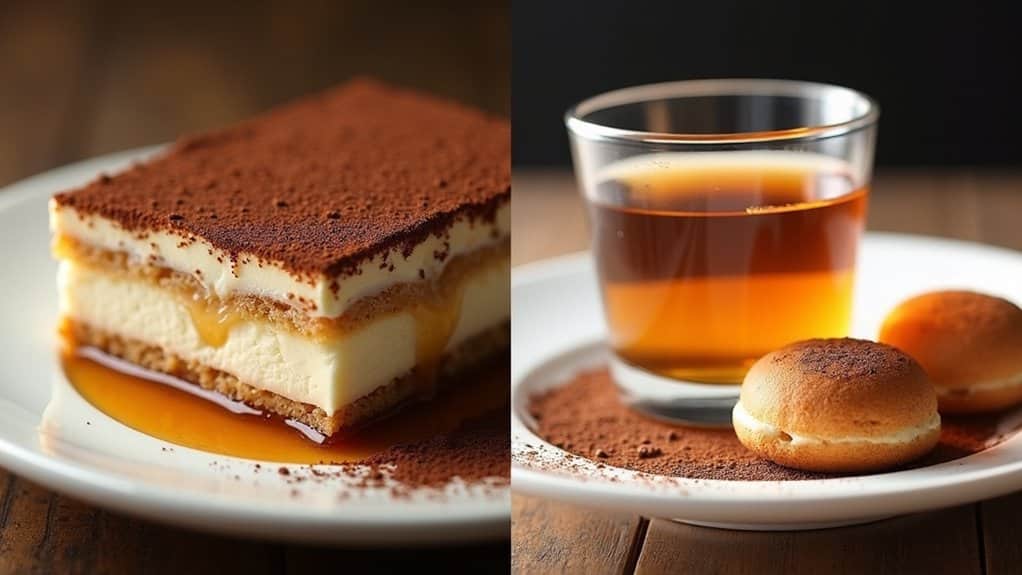
Marsala wine traditionally anchors tiramisu’s flavor profile, delivering warm caramel and vanilla notes that blend seamlessly with espresso and mascarpone. This sweet fortified wine provides complexity without overwhelming the dessert’s delicate balance. An added benefit is that Marsala wine lasts for several months after being opened, giving you flexibility to use it across multiple baking projects.
Marsala wine brings caramel warmth and vanilla depth that perfectly complements tiramisu’s espresso and mascarpone layers.
Coffee liqueurs like Kahlua and Tia Maria intensify the espresso foundation, adding richness and depth to your soaking mixture. Amaretto and other almond liqueurs offer an alternative path, contributing sweet nutty undertones that complement mascarpone beautifully. For those who prefer a non-alcoholic version, you can skip the liqueur entirely and still achieve delicious results.
Dark rum and brandy bring warm baking spices and subtle oak hints, perfect for boozy variations. When making a traditional sabayon, the alcohol is combined with egg yolks and sugar to create the rich base for the mascarpone filling.
Best alcohol pairings for tiramisu:
- Marsala wine, caramelized sweetness with vanilla complexity
- Coffee liqueurs, enhanced espresso depth without overpowering
- Almond liqueurs, nutty richness pairing well with cream
- Dark rum or brandy, warm spice notes and fruitiness
Avoid vodka and gin, their sharp profiles clash with tiramisu’s flavor architecture.
Does the Alcohol Actually Cook Off?
When you soak ladyfingers in liqueur for tiramisu, you’re working with an uncooked method that retains 100% of the alcohol content since no heat-driven evaporation occurs. Unlike simmered sauces or baked goods where cooking time and temperature reduce ethanol levels, 15 minutes of boiling still leaves 40% retention, tiramisu’s cold preparation preserves the full strength of whatever alcohol you’ve added. This same principle applies to alcohol in glazes poured over cakes, which also remain at full potency without heat application. Understanding this distinction helps you make informed decisions about serving sizes and recipe modifications based on your specific needs.
Alcohol Retention in Soaking
If you’ve ever wondered whether the alcohol in tiramisu’s coffee soak actually “cooks off,” here’s the straightforward answer: it doesn’t. Since tiramisu requires no heat during assembly, alcohol retention remains near 100%. Scientific evaporation data confirms that alcohol only dissipates when exposed to sustained temperatures above 78°C, conditions absent in cold or room-temperature soaking.
Key factors affecting alcohol retention:
- Soaking temperature effects: Cool soaks preserve full alcohol content since no heat triggers evaporation
- Dip duration impact: Standard 1-3 second dips trap alcohol within ladyfingers without dissipation
- Recipe evidence retention: Coffee-flavoured liqueurs added post-brewing remain potent throughout assembly
- Alcohol evaporation: Zero measurable reduction occurs without cooking
For those avoiding ethanol entirely, an alcohol-free coffee soak provides identical texture while eliminating retention concerns completely.
Cooked Versus Uncooked Methods
Beyond the soaking question lies another layer of alcohol complexity, the cooking method itself. When you use the double boiler cooking process, you’re heating egg yolks, sugar, and Marsala wine together to create zabaglione. This gentle heat thickens the custard while allowing alcohol retention after cooking to drop considerably through evaporation.
However, uncooked coffee soak mixtures tell a different story. The liqueur or brandy you add to ladyfinger soaks remains fully intact since no heat transforms it. Modern recipe cooking variations often combine both approaches, cooking Marsala in the filling while leaving rum uncooked in the soak.
Interestingly, original recipe alcohol absence challenges common assumptions. Authentic Italian tiramisu traditionally excludes all alcohol, relying solely on espresso. Many adapted versions introduced Marsala later, creating today’s widespread misconception about classic formulations.
Temperature Affects Evaporation Rates
Because tiramisu never reaches the heat levels that drive substantial ethanol loss, the alcohol you add stays largely intact throughout preparation and storage. Ethanol’s boiling point sits at 78.4°C, and since you’re working with chilled or room-temperature ingredients, vapor pressure remains too low for meaningful evaporation. The diffusion rate at 20-25°C can’t overcome ambient conditions that keep ethanol locked within the mascarpone layers.
Understanding quantified evaporation rates clarifies what happens:
- Refrigerator storage at 4°C preserves 90-100% of added alcohol
- Room temperature exposure loses only 10-20% over 24 hours
- Azeotrope formation with water prevents complete removal without distillation
- The evaporation rate increases drastically only above 60°C
Your tiramisu’s temperature throughout chilling means the liqueur’s ethanol content remains functionally unchanged when served.
Is Tiramisu Safe for Kids and Pregnant Women?
When considering tiramisu for children or during pregnancy, you’ll need to examine the specific recipe’s alcohol and caffeine content before serving. Traditional tiramisu contains no alcohol, only coffee and mascarpone cheese form the base. However, dessert alcohol myths have led many to believe Marsala wine is standard, when it’s actually a modern addition.
For a family-friendly dessert, verify whether your espresso dessert uses alcohol substitutes or spirits like rum or brandy. Safety considerations for children extend beyond alcohol content, the caffeine in this coffee dessert can affect younger individuals based on sensitivity levels.
Pregnant women should avoid modern variations containing spirits entirely. When you’re uncertain about a specific tiramisu’s preparation, selecting confirmed alcohol-free versions eliminates risk completely.
Best Alcohol-Free Substitutes for Tiramisu
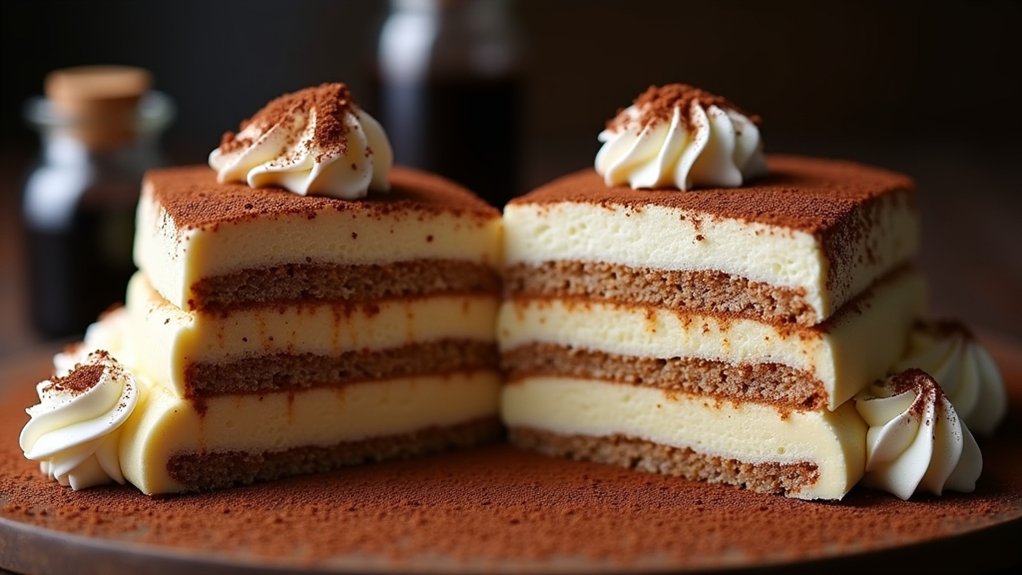
For those avoiding alcohol in tiramisu, you’ll find that strong espresso mixed with hot water and a touch of sugar delivers the same aromatic depth that coffee liqueur traditionally provides. Vanilla powder enhances this coffee mixture alternative, while a chai substitute creates unique biscoff chai tiramisu variations.
Key Alcohol-Free Substitutions:
- Ladyfinger replacements: Digestive biscuits, sponge cake, or rusk provide sturdy bases; homemade versions offer an egg-free option.
- Cream filling adjustments: Whip heavy cream with icing sugar and sweetened condensed milk for richness without liquor.
- Mascarpone substitutes: Light cream cheese or whipped heavy cream effectively mimics the original texture.
- Preparation and enhancements: Refrigerate minimum four hours; finish with cocoa powder and shaved chocolate for authentic presentation.
Can You Get Drunk From Eating Tiramisu?
How much alcohol actually ends up in your slice of tiramisu depends entirely on the recipe you’re eating. The tiramisu alcohol content varies dramatically, authentic Italian versions use a coffee-only soak with zero alcohol, while modern recipes incorporate coffee liquor, spiced rum, Baileys, or Irish cream.
Does tiramisu contain alcohol enough to intoxicate you? Quantitative analysis says no. A recipe using 3 tablespoons of liqueur across 12 servings delivers minimal alcohol per portion. Even recipes with 1/3 cup of dark rum won’t get you buzzed when distributed across multiple servings.
Is tiramisu alcoholic enough to affect you? For most adults, the answer remains no. Your body metabolizes these trace amounts within 30-90 minutes, producing no intoxicating effects under normal circumstances.
Boozy vs Alcohol-Free: Two Recipes Compared
You’ll notice the clearest distinction between boozy and alcohol-free tiramisu right in the ingredient lists. A classic Italian tiramisu recipe typically incorporates Marsala wine in the mascarpone dessert filling, plus coffee liqueur or dark rum for soaking ladyfingers. The authentic tiramisu approach, rooted in Italian tiramisu origin traditions, often combines multiple spirits for layered complexity.
Here’s how the two versions compare in this ladyfinger dessert:
- Boozy version: Uses 1/3 cup Marsala wine, 3 tablespoons coffee liqueur, and optional dark rum
- Alcohol-free version: Relies solely on strong coffee or espresso for soaking
- Flavor compensation: Adds 1 tablespoon vanilla extract when omitting spirits
- Preparation difference: Boozy recipes cook Marsala with egg yolks; alcohol-free skips this step
Your homemade tiramisu can follow either path while maintaining the mascarpone dessert’s signature texture.
Frequently Asked Questions
Can Tiramisu Trigger Symptoms in People With Alcohol Dehydrogenase Enzyme Deficiency?
Yes, tiramisu can trigger symptoms if you have alcohol dehydrogenase enzyme deficiency. Traditional recipes contain Marsala, rum, or liqueurs, and since tiramisu isn’t baked, the ethanol remains active in the soaked ladyfingers. Even small amounts, typically 1-2% ABV per serving, can elevate acetaldehyde levels in your system, causing facial flushing, nausea, and rapid heartbeat. You’ll want to verify ingredients or choose alcohol-free versions using espresso alone to avoid reactions.
How Long Does Alcohol From Tiramisu Stay in Your System?
Your body typically clears alcohol from tiramisu within 1, 3 hours, depending on the recipe’s ethanol content and your metabolism. Uncooked soaking liquids containing rum, brandy, or coffee liqueur retain full potency, while Marsala cooked into the zabaglione loses most alcohol through evaporation. Your liver processes ethanol at approximately 0.015% BAC per hour, meaning trace amounts from a standard serving, usually under 0.5g ethanol, won’t linger long in your system.
Does Tiramisu Contain Enough Alcohol to Interact With Prescription Medications?
You’re unlikely to experience medication interactions from tiramisu’s alcohol content, as most recipes contain only 2-3 tablespoons of liqueur divided across 12+ servings. The cooked Marsala in zabaglione loses most ethanol, while uncooked soaks retain trace amounts, typically under 1.8% ABV per portion. However, if you’re taking medications metabolized by the liver, particularly acetaminophen, sedatives, or certain antibiotics, you should consult your physician before consuming boozy variants.
Is Tiramisu Safe for People With Liver Disease or Hepatitis?
You should avoid traditional tiramisu if you have liver disease or hepatitis. Recipes containing Marsala wine, rum, or coffee liqueur retain their full alcohol content since the dessert isn’t cooked, meaning your compromised liver must process ethanol it can’t efficiently metabolize. Even small amounts stress impaired hepatic function and can exacerbate inflammation. Choose alcohol-free versions using only espresso for dipping, or consult your healthcare provider before consuming any alcohol-containing desserts.
Will Eating Tiramisu Show up on an Alcohol Breath Test?
Eating tiramisu typically won’t show up on a breath test. Traditional recipes using only espresso contain zero alcohol, guaranteeing negative results. Modern versions with uncooked rum, Kahlúa, or coffee liqueur retain full ethanol potency, but standard servings yield negligible blood alcohol concentration, usually below 0.01%, beneath most device thresholds. Your body metabolizes these trace amounts within 1-2 hours. If you’re concerned, choose non-alcoholic versions or wait briefly after eating alcohol-containing tiramisu.