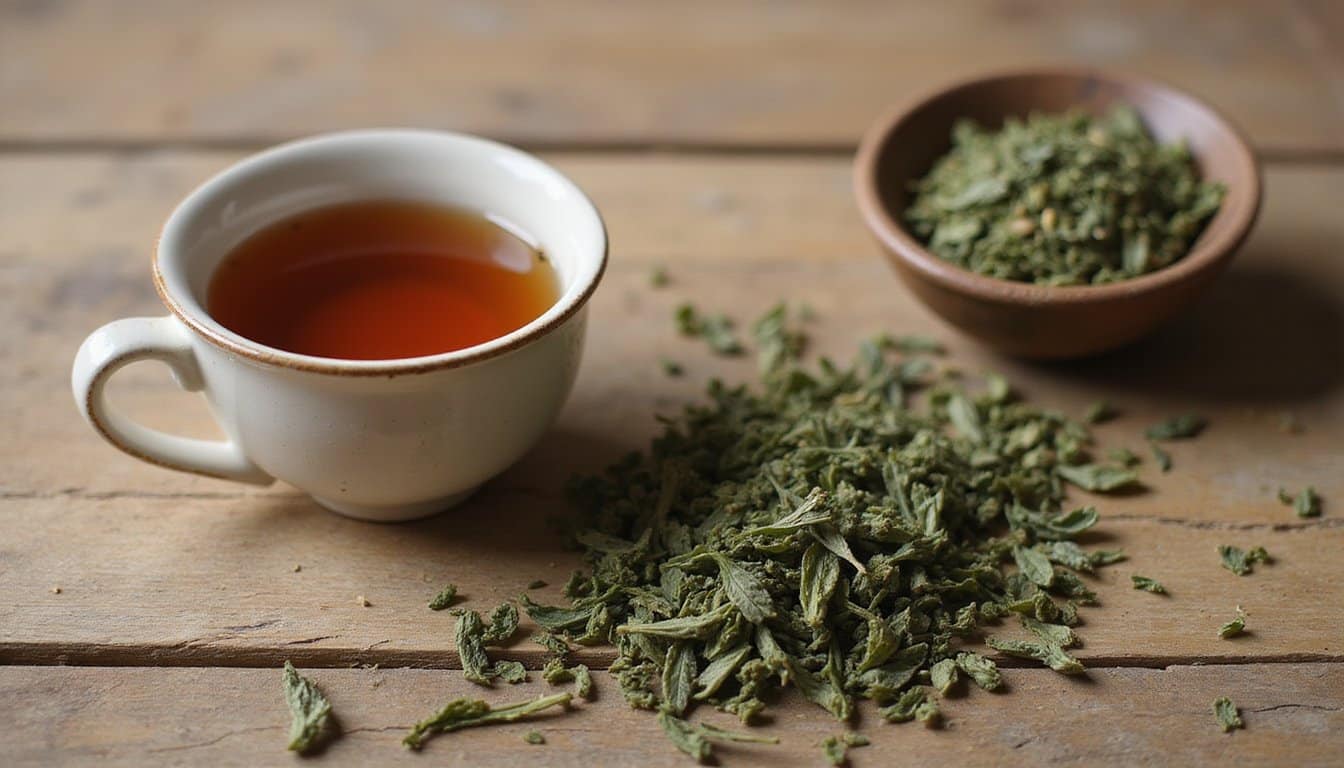
Holistic recovery works best when you combine mindfulness practices, proper nutrition, and sensory-based therapies. You’ll accelerate healing by eating anti-inflammatory foods rich in omega-3s and polyphenols while staying well-hydrated. Mindful eating transforms meals into opportunities for nourishment, while aromatherapy and deep pressure techniques help reduce anxiety and promote relaxation. Since your mind and body are interconnected, addressing both physical and psychological needs creates a powerful synergy for complete wellness. Understanding these connections can transform your entire recovery journey.
Understanding the Mind-Body Connection in Recovery

Anyone who’s experienced trauma or injury knows that recovery isn’t just physical – it’s deeply interconnected with our mental and emotional wellbeing. Recent neuroscience reveals that your brain contains built-in mind body communication pathways that directly influence healing and rehabilitation outcomes.
When you’re dealing with unprocessed trauma or chronic stress, these indispensable connections become disrupted, often manifesting as physical symptoms and delayed recovery. The good news is that you can actively strengthen these pathways through targeted interventions focused on reducing physiological stress responses. Modern mindfulness-based interventions have proven effective at promoting both physical and psychological healing. Ancient traditions recognized the importance of treating holistic wellness as an integrated system rather than separate parts. When left untreated, these disruptions can trigger fight or flight responses, flooding your system with stress hormones that create lasting physiological changes.
Research shows that combining mental and physical recovery techniques creates a powerful synergy as you improve in one area, you’ll naturally see benefits in the other. Understanding this bidirectional relationship is pivotal for developing an effective recovery strategy that addresses both your physical and psychological needs.
Essential Nutritional Support for Healing
Your body’s recovery process requires specific nutrients that work synergistically to repair tissue, reduce inflammation, and restore ideal function.
You’ll accelerate healing by incorporating a variety of nutrient-dense whole foods like lean proteins, colorful produce, healthy fats, and mineral-rich ingredients into your daily meals. A daily intake of omega-3 fats can effectively combat inflammation and speed recovery.
Through mindful eating practices that prioritize these healing foods, you’re providing your body with the essential building blocks it needs to support natural recovery processes. Eating foods rich in polyphenol antioxidants like leafy greens can significantly reduce inflammation and strengthen immune response. Maintaining proper hydration levels helps support efficient detoxification and optimal nutrient absorption during recovery.
Nutrient-Dense Foods Boost Recovery
When recovering from injury or illness, the strategic consumption of nutrient-dense foods can substantially accelerate healing and reduce inflammation. You’ll want to focus on anti-inflammatory spices like turmeric and muscle building supplements that include leucine-rich proteins, which you can find naturally in foods like cheese, fish, and tempeh. Magnesium-rich foods are essential for supporting tissue repair during recovery. Research shows that consuming polyphenol supplements significantly improves muscle strength recovery and reduces post-exercise muscle soreness.
Incorporate polyphenol-rich foods such as tart cherries, berries, and green tea to combat oxidative stress and enhance muscle recovery. Don’t overlook the power of whole grains, which provide essential B vitamins and complex carbohydrates to fuel your healing process. Adequate daily intake of 2.3 grams of protein per kilogram of body weight helps prevent muscle deterioration during the rehabilitation journey.
To optimize recovery, aim for 20-35g of protein every three hours, combining both animal and plant sources. Before bed, choose casein-rich dairy products to support overnight tissue repair and muscle protein synthesis.
Healing Through Mindful Eating
Beyond the physical components of nutrition, mindful eating practices represent a powerful tool for healing and recovery. By cultivating self-compassion and exploring food-related rituals, you’ll transform your relationship with meals from a source of stress to one of nourishment and enjoyment. Preparing homemade meals allows you to fully engage with and appreciate the cooking process. Studies show that mindfulness-based therapy can significantly improve eating behaviors and food restraint in those with binge eating disorders.
Research shows that mindful eating effectively reduces emotional overeating and disrupts harmful patterns. Making meals a time to focus on the present by eliminating distractions helps create a more conscious eating experience. You’ll learn to recognize hunger cues, slow your eating pace, and appreciate food’s sensory qualities. A 12-week program demonstrates an average weight loss of 1.9 kg through these practices, while simultaneously lowering stress-related cortisol levels.
The Power of Sensory-Based Healing Methods

You can harness the therapeutic power of aromatherapy by using essential oils like lavender, chamomile, and bergamot to naturally reduce anxiety during recovery. These calming scents work through your olfactory system to trigger relaxation responses in your brain, helping to lower stress hormones and promote healing. Using deep pressure therapy through weighted blankets or compression garments can provide additional calming benefits during aromatherapy sessions. When you’re feeling overwhelmed, try diffusing these oils or applying them diluted to pulse points for immediate sensory support that complements other evidence-based treatment approaches. For those with autism spectrum disorders, sensory therapies can be especially beneficial since many experience sensory processing difficulties that impact their ability to filter and integrate environmental stimuli. Working with qualified regulated practitioners is essential for developing an individually-tailored sensory intervention program that addresses your specific needs.
Calming Scents Reduce Anxiety
Through extensive clinical research, calming scents have emerged as powerful tools for reducing anxiety and promoting emotional well-being. When you inhale therapeutic aromas, they trigger immediate physiological changes, including respiratory stabilization and immune function enhancement. Your body responds with lowered blood pressure, reduced heart rate, and decreased cortisol levels.
You’ll find the most significant anxiety relief from scents like lavender, which directly affects your limbic system’s emotional regulation. Bergamot and sweet orange also provide notable benefits, especially when combined with other calming aromas. Clinical studies show these scents are particularly effective in medical settings, where they’ve reduced preoperative anxiety by up to 56% in adolescents. Studies show that clary sage oil is particularly effective at decreasing pulse rates in males experiencing anxiety. By activating specific neural pathways and modifying hormone levels, these natural interventions offer you a non-invasive approach to stress management.
Essential Oils For Recovery
While calming scents offer immediate relief from anxiety, specific essential oils provide thorough support for recovery and healing. Through sensory exploration, you’ll discover how these natural compounds work with your body’s own healing mechanisms to restore neurochemical balance and promote wellness at multiple levels.
Combine sage and rosemary oils to enhance memory, mental clarity, and cognitive function during rehabilitation.
Use peppermint and ginger oils to address physical discomfort, particularly digestive issues and muscle tension.
Apply chamomile and bergamot oils before bedtime to improve sleep quality and support natural healing cycles.
Integrate essential oils with traditional therapies to reduce dependency on medications while managing withdrawal symptoms.
Your recovery journey benefits most when you incorporate these oils under professional guidance, allowing for safe, effective implementation within your overall treatment plan.
Aromatherapy During Stressful Moments
Research-backed evidence demonstrates that aromatherapy can be a powerful tool for managing acute stress responses, with clinical studies showing significant reductions in anxiety levels and improved emotional regulation.
When you’re feeling overwhelmed, incorporating aroma diffusion methods can trigger positive changes in your brain’s limbic system. Studies show that daily exposure to essential oils like lavender and chamomile through inhalation can decrease stress scores by up to 1.8 points. The effects of scent experience are enhanced when you combine aromatherapy with deep breathing exercises or gentle massage.
To maximize benefits, dilute essential oils to 5-15% concentration and establish a consistent twice-daily practice. You’ll likely notice improvements in sleep quality and energy levels, with research showing 0.6-point improvements in sleep metrics among regular users compared to control groups.
Creative Expression as a Recovery Tool

As individuals navigate their recovery journey, creative expression emerges as a powerful therapeutic tool that transcends traditional talk therapy. Through creative self discovery and emotional processing techniques, you’ll find natural pathways to healing that bypass verbal barriers while activating your brain’s relaxation response.
Creates a safe space for processing trauma through non-verbal channels, allowing you to externalize difficult experiences. Reduces stress hormones and anxiety by engaging in mindful artistic activities. Builds self-esteem through completing creative projects that reinforce your sense of accomplishment. Strengthens social connections when participating in group art or music activities.
This approach proves especially effective for managing depression, anxiety, and PTSD symptoms while supporting your immune system’s natural healing capabilities.
Managing Trauma Through Holistic Approaches
Building on the healing power of creative expression, holistic approaches to trauma management offer extensive pathways for addressing both the physical and emotional impacts of traumatic experiences. When you engage in mind-body practices like yoga, tai chi, or qigong, you’ll activate your body’s natural healing responses while incorporating guided imagery practices to process trauma safely.
You can enhance your recovery by combining traditional therapies with neurofeedback therapies and culturally informed approaches. Focus on nervous system regulation through breathwork, body scans, and somatic experiencing to release stored tension. Consider incorporating Eastern medicine like acupuncture or Ayurvedic practices to support your healing journey. Remember to prioritize trauma-sensitive mindfulness techniques that emphasize grounding and anchoring, ensuring you maintain emotional safety while working through challenging experiences.
Building a Sustainable Recovery Lifestyle
Establishing a sustainable recovery lifestyle requires five interconnected pillars: nutrition, physical activity, sleep, emotional regulation, and relapse prevention strategies. Your path to emotional stability integration starts with consistent daily practices that nourish both body and mind. Creating personalized recovery routines means adapting these elements to fit your unique needs and circumstances.
Prioritize nutrient-dense foods while practicing mindful eating to reduce cravings and support brain function. Engage in structured physical activities, from yoga to team sports, to maintain motivation and build social connections. Implement consistent sleep hygiene practices and optimize your rest environment. Develop stress management techniques through health education and relaxation practices that work for you.
Integrating Cultural and Personal Values
Successful recovery programs recognize that cultural identity and personal values form the cornerstone of lasting behavioral change. By integrating culturally grounded treatments with modern therapeutic approaches, you’ll experience more meaningful and sustainable recovery outcomes.
Programs that honor your cultural background while incorporating evidence-based practices show impressive results, including 40% lower turnover rates and 91% retention compared to traditional approaches. You’ll benefit from personalized assessments that align treatment with your beliefs, whether through traditional ceremonies, herbal remedies, or spiritual practices.
These integrated well-being practices combine the best of both worlds respecting ancestral wisdom while leveraging contemporary therapeutic techniques. When your recovery journey reflects your cultural values, you’re more likely to stay engaged, build lasting connections, and achieve your wellness goals through authentic, personally meaningful transformation.
Strengthening Community Support Networks
Three core pillars anchor strong community support networks in holistic recovery: emotional reinforcement, practical assistance, and information sharing. You’ll find the most effective support systems leverage trusted community partners while strengthening peer-to-peer connections, especially in medically underserved areas where 31 million+ patients seek care.
Connect with community health centers that serve diverse populations 40% Hispanic and 17% Black patients rely on these networks for culturally aligned care
Tap into cross-sector referral systems linking healthcare providers with social services
Participate in joint community activities where healthcare providers act as central hubs for connection
Access behavioral health resources through integrated networks, which have seen a 40% surge in visits since 2018
Frequently Asked Questions
How Long Does It Typically Take to See Results From Holistic Treatments?
You’ll often notice initial improvements within days to weeks when you’re consistent with holistic treatments. Physical changes like better sleep and reduced withdrawal symptoms appear first, while mental clarity emerges within weeks through mindfulness practices.
More substantial progress develops over 1-3 months as you build healthy routines. For lasting results, maintain your treatment for 3-18 months, during which you’ll see deeper psychosocial improvements and stronger relapse prevention skills.
Are Holistic Treatments Covered by Most Insurance Plans?
Insurance plan coverage for holistic treatments varies greatly. You’ll find that some treatments like acupuncture, chiropractic care, and certain types of massage therapy are partially covered by many insurers, while others aren’t covered at all.
It’s crucial to check your specific plan’s reimbursement policies before starting treatment. Many insurance providers have begun expanding their coverage of evidence-based holistic approaches, but you’ll likely still have some out-of-pocket expenses for most complementary therapies.
Can Holistic Treatments Replace Traditional Medication-Assisted Recovery Programs?
While natural substance alternatives and holistic lifestyle changes can support your recovery journey, they shouldn’t replace medication-assisted treatment (MAT) for opioid addiction. Research shows that MAT reduces overdose risk by 50-60% and provides essential neurobiological stabilization that holistic approaches can’t achieve alone.
You’ll get the best results by combining MAT with holistic practices think of MAT as your foundation while holistic methods enhance your overall recovery success.
What Qualifications Should I Look for in Holistic Treatment Practitioners?
When choosing a holistic practitioner, you’ll want to verify their licensing and experience first. Look for relevant certifications like NCCAOM for acupuncturists or BCNS for nutritionists, and guarantee they’re licensed in your state.
Don’t overlook their communication skills a qualified practitioner should clearly explain their treatment approach and listen to your concerns. Check their clinical training hours and continuing education to affirm they stay current with best practices.
How Do I Combine Multiple Holistic Approaches Without Overwhelming Myself?
Start with a core practice and gradually add complementary methods to avoid overwhelm (Smith et al., 2019). Create a structured weekly schedule that allocates specific times for different practices (Johnson, 2020).
Listen to your body’s responses and adjust accordingly (Brown, 2018). Consider working with an integrative health practitioner who can help coordinate multiple approaches (Davis & Wilson, 2021).
Track results but maintain flexibility in your routine (Taylor, 2020).