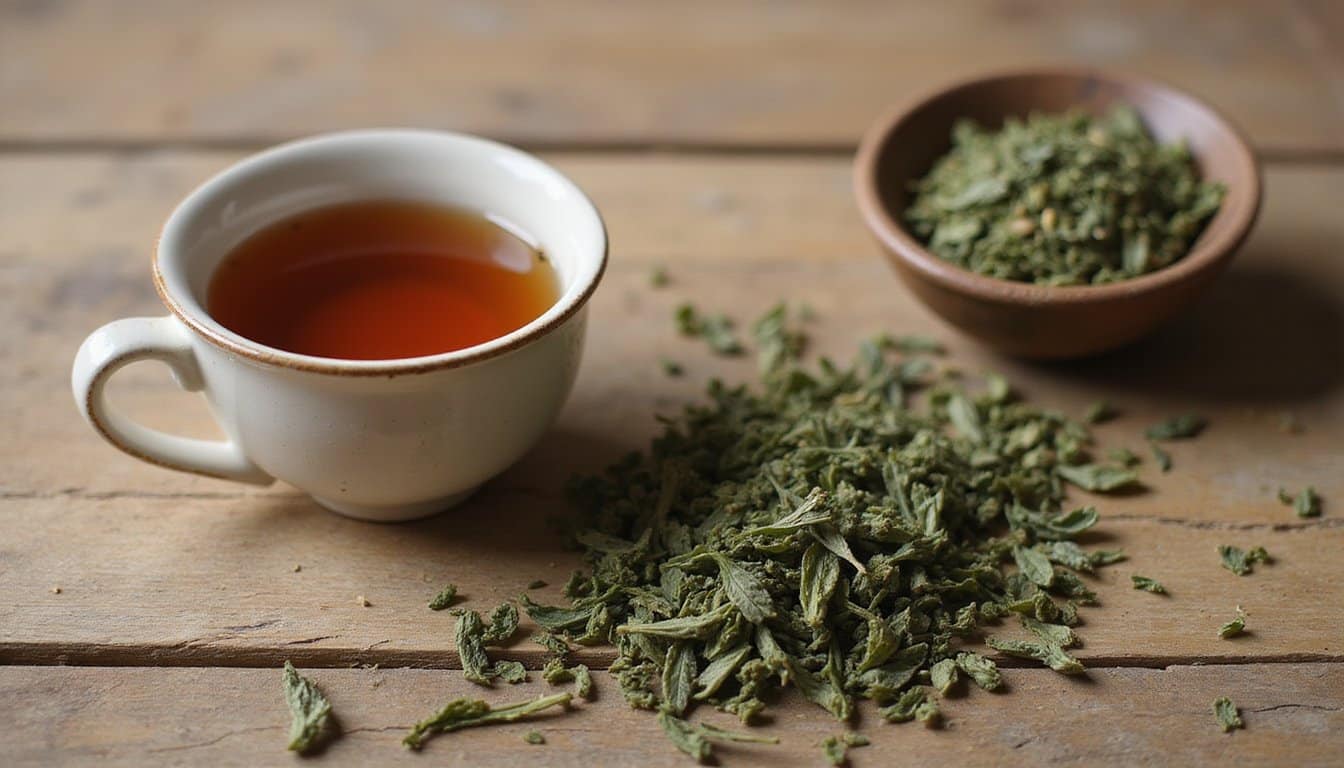
When you ingest catnip, nepetalactone, the primary active compound, interacts with your olfactory neurons, amygdala, and hypothalamus to produce mild sedative and antispasmodic effects. At therapeutic doses of 1-2 teaspoons of dried herb per cup, you’ll experience relaxation and muscle tension relief rather than any psychoactive response. Your body metabolizes these compounds through pathways that promote calmness, though exceeding recommended amounts can trigger nausea or digestive upset. Understanding catnip’s bioactive compounds reveals why dosage matters so substantially.
What Happens When You Eat or Drink Catnip?
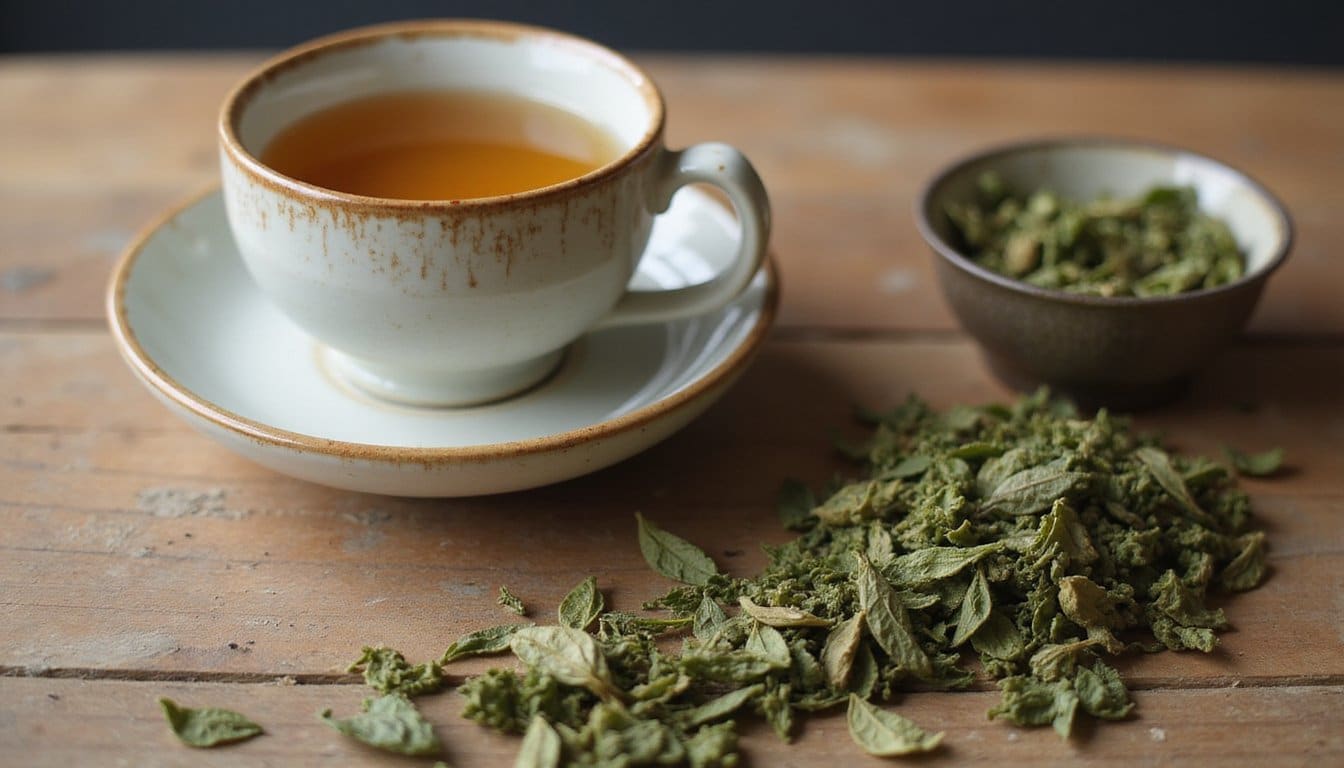
When you consume catnip through tea or food, the primary active compound nepetalactone, which constitutes 70-99% of catnip’s essential oil, interacts with your body in ways fundamentally different from its effects on cats. Unlike felines, your neuroreceptors don’t bind with nepetalactone, preventing any psychoactive response.
Catnip tea functions among mild sedative herbs, producing gentle relaxation and drowsiness. This mechanism explains its historical inclusion in the US Pharmacopeia from 1840-1890 for treating nervousness and insomnia. Modern herbalists also value catnip for its antispasmodic properties, which may help relax muscle tension and reduce cramping throughout the body. Traditional practitioners have also used catnip to address colds and flu symptoms.
As one of the digestive support herbs, moderate consumption can soothe stomach discomfort. However, larger quantities trigger adverse responses, nausea, vomiting, and diarrhea occur at higher doses. The herb’s diuretic properties cause frequent urination, and excessive consumption risks dehydration. The sedative effects can also cause drowsiness that makes driving potentially unsafe. You’ll experience no euphoric or hallucinogenic effects regardless of amount.
Catnip Side Effects and Safe Dosage Limits
The body’s tolerance threshold for catnip determines whether you’ll experience therapeutic benefits or uncomfortable side effects. When you consume excessive amounts beyond one teaspoon dried, your gastrointestinal system may respond with nausea, vomiting, or diarrhea. These self-limiting symptoms typically resolve within hours.
To maximize catnip benefits humans report, start with 1-2 teaspoons of dried herb per cup of tea, steeped for 5-10 minutes. Limit consumption to 1-2 cups daily and space sessions 48 hours apart to prevent receptor desensitization. For smaller adults, begin with 1/4 teaspoon to assess individual sensitivity.
High doses trigger temporary overstimulation, causing restlessness or agitation. No lethal overdose threshold exists, but moderation prevents discomfort. Store your supply in airtight containers away from light to maintain nepetalactone potency. For optimal freshness, replace your supply after 6, 12 months since the active compounds degrade over time. If catnip doesn’t produce desired effects for you, consider that silver vine and valerian serve as effective alternatives with similar calming properties. When purchasing catnip for personal use, choose organic, pesticide-free products from reputable suppliers to ensure purity and safety.
Who Should Never Use Catnip

Several populations must avoid catnip entirely due to physiological vulnerabilities or pharmacological interactions. If you’re pregnant, catnip poses significant risks because it stimulates uterine activity and may induce contractions, potentially harming fetal development. Breastfeeding individuals should also abstain since catnip effects on humans during lactation remain unstudied, and transmission through milk could affect infants.
Pregnant and breastfeeding individuals should avoid catnip due to uterine stimulation risks and unknown effects on nursing infants.
You shouldn’t give catnip to children or babies. Pediatric dosing guidelines don’t exist, and the sedative properties create heightened adverse reaction risks in developing systems.
If you’re allergic to mint family plants, avoid catnip completely. Cross-reactivity with Lamiaceae species triggers rashes, hives, swelling, or breathing difficulties. Stop use immediately if symptoms emerge. Since catnip is a member of the mint family, this cross-reactivity is particularly common.
Those taking sedatives or CNS-affecting medications must consult healthcare providers first, as catnip enhances sedative effects through pharmacological interaction. The compound nepetalactone may interact with GABAergic pathways in humans, which could amplify the effects of other sedating substances. Since catnip is not considered a drug but rather an herbal remedy, many people underestimate these potential interactions.
Why Catnip Affects Your Body
When you ingest catnip, nepetalactone, the primary active compound, interacts with your olfactory neurons and triggers downstream responses in your amygdala and hypothalamus, influencing mood regulation and autonomic functions. Your body metabolizes these terpenoid compounds through pathways that produce mild sedative and antispasmodic effects at typical tea doses of 1-2 teaspoons of dried herb per cup. Understanding these mechanisms explains why you’ll experience subtle relaxation rather than the dramatic behavioral changes cats display. However, the reason why nepetalactone does not affect humans the same way it affects cats is not fully understood by researchers. Because catnip has additional reported benefits such as anesthetic and antibiotic properties, you should only consume it under the guidance of an expert herbalist. It’s worth noting that only 30-50% of cats actually show sensitivity to catnip, demonstrating how responses to this herb vary significantly across species.
Active Compounds at Work
Catnip owes its physiological effects to nepetalactone, a monoterpenoid that constitutes approximately 85-90% of the plant’s essential oils. When you consume catnip edible preparations, two primary isomers enter your system: 4a-α,7-α,7a-β-nepetalactone (55-58%) and 4a-α,7-β,7a-α-nepetalactone (30-31%). These compounds feature an iridoid ring structure derived from oxidized geraniol, with three chiral centers producing distinct stereoisomers.
Beyond nepetalactones, you’re absorbing potent phenolic acids and flavonoids. Chlorogenic acid reaches 1647.32 μg/g in flower extracts, while rosmarinic acid contributes 1056.14 μg/g in leaf preparations. Quercitrin delivers hepatoprotective effects at 50 mg/kg doses. Flavonoid aglycones like luteolin (24.71 μg/g) and kaempferol (23.15 μg/g) provide anti-inflammatory and antioxidant activity. These compounds work synergistically, explaining catnip’s multifaceted effects on your body. Research demonstrates that flower extracts contain 18 bioactive compounds that have been quantified and analyzed for their therapeutic potential. The essential oils also exhibit strong antimicrobial activities against both Gram-positive and Gram-negative food-borne pathogens, adding protective benefits when catnip is used in food preparations. Interestingly, catnip shares similar properties to chamomile and has been utilized for its sedative effects by humans for centuries, making it a versatile herbal remedy beyond its famous feline applications.
Bodily Responses Explained
Your body processes nepetalactone through a specific neurological cascade that begins when the compound enters your system via ingestion or inhalation. The olfactory bulb receives these signals first, then transmits information directly to your amygdala and hypothalamus. These brain regions regulate your emotional responses, sleep cycles, and core bodily functions.
Once activated, your limbic system coordinates a mild sedative response similar to valerian-based herbal remedies. You’ll experience reduced restlessness and potential pain relief through nervous system interaction. Your digestive tract also responds, nepetalactone acts as an antispasmodic, decreasing involuntary muscle contractions and alleviating gastrointestinal discomfort.
Additionally, catnip’s antimicrobial properties inhibit certain bacterial growth and adhesion. Anti-inflammatory effects contribute to muscular ache reduction, explaining its traditional use in poultices for localized pain relief.
How Catnip Was Used as Medicine for Centuries
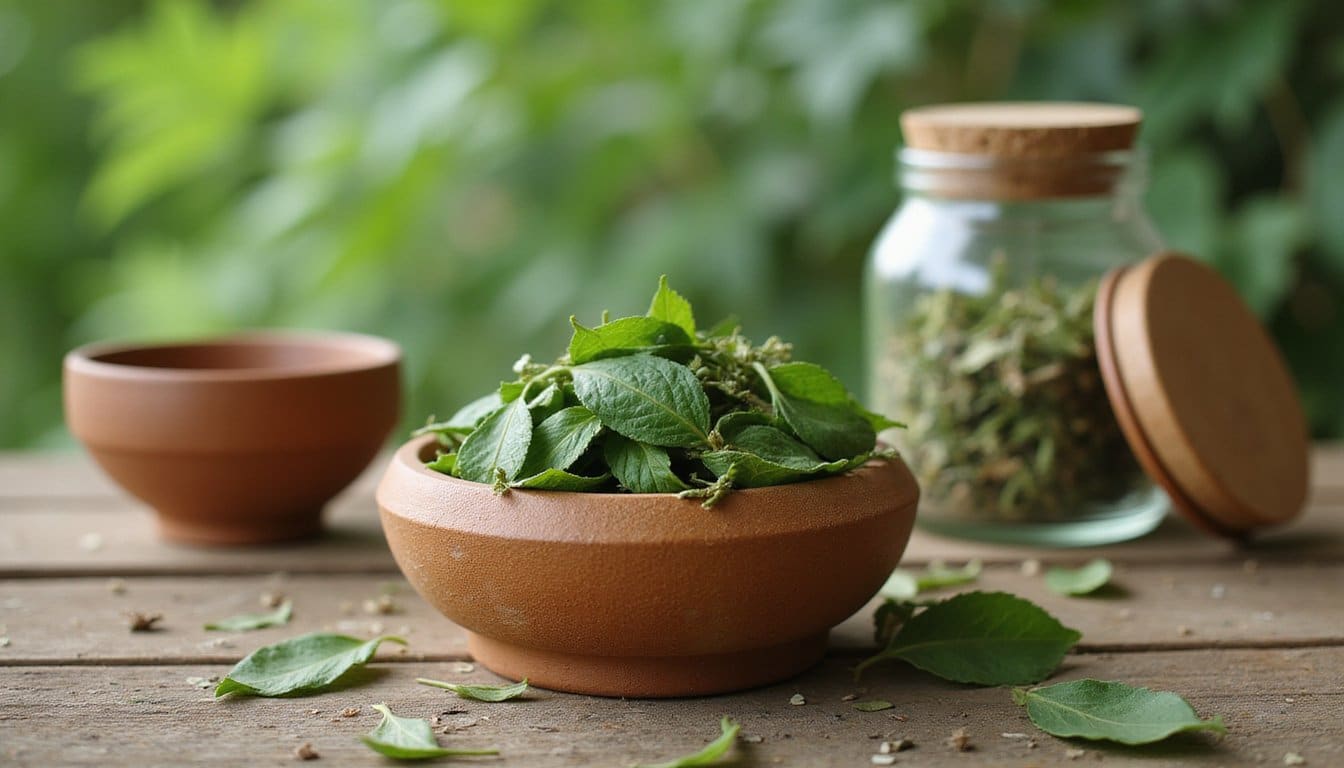
Long before modern pharmacology emerged, ancient physicians recognized catnip’s therapeutic potential and documented its applications with remarkable specificity. Greek physician Dioscorides prescribed catnip for headaches and digestive disorders, establishing early traditional medicine protocols. Romans cultivated the Nepeta genus from the Etruscan city Nepete, integrating it into herb garden remedies alongside basil and oregano.
Medieval European herbalists brewed standardized catnip infusions to calm nervous disorders, treat internal bruising, and relieve respiratory symptoms. You’ll find references in the 11th-century *De viribus herbarum* detailing specific medicinal properties. Colonial American practitioners administered catnip preparations for infant colic, leveraging its gentle sedative mechanisms. They also applied topical poultices to wounds and bruises. Traditional Chinese medicine employed catnip’s sedative compounds to address insomnia and anxiety through concentrated tea preparations. The plant’s effectiveness stems from nepetalactone, a compound with naturally soothing properties that has been valued across cultures for generations.
How to Make Catnip Tea for Relaxation
To prepare catnip tea, you’ll steep 1-2 teaspoons of dried leaves and flowering tops in boiling water, allowing the nepetalactone compounds to extract into the infusion. Your ideal steeping time ranges from 5-10 minutes, which maximizes the sedative compound concentration without over-extracting bitter elements. After straining the plant material, you can consume the tea hot for immediate nervous system calming effects or serve it chilled as a revitalizing caffeine-free beverage.
Simple Brewing Instructions
Place your measured catnip in a tea steeper or teapot. Pour boiling water directly over the leaves to maximize extraction of nepetalactone and other bioactive compounds. Steep for 10 to 15 minutes, then strain thoroughly.
You can enhance the therapeutic profile by adding complementary herbs like lemon balm or peppermint, which synergize with catnip’s calming properties. Sweeten with honey if desired. For ideal results, consume while warm. Store any remaining tea refrigerated for up to five days, though fresh preparation yields maximum potency.
Optimal Steeping Time
Steeping duration directly influences nepetalactone concentration in your finished tea, making timing a critical variable for achieving desired relaxation effects.
For standard preparations, steep dried catnip in water heated to 85, 90°C for 5, 7 minutes. This range optimizes compound extraction while preserving volatile oils. Avoid boiling water directly, as excessive heat degrades therapeutic constituents.
If you’re seeking stronger effects, extend steeping to 15, 30 minutes. This prolonged infusion increases nepetalactone bioavailability, particularly when combining catnip with chamomile or lavender. Cover your vessel during steeping to prevent essential oil evaporation through steam loss.
For milder blends incorporating hops, reduce time to 2, 3 minutes. Always strain plant matter post-steep to halt extraction. You can adjust duration based on individual sensitivity, longer steeps yield more potent relaxation properties, while shorter times produce gentler effects.
Take the First Step Today
Experimenting with unconventional substances can sometimes signal a deeper struggle with addiction. Getting help sooner rather than later can change the entire course of recovery. At The Hope Institute, we provide trusted Addiction Treatment and a flexible Intensive Outpatient Program (IOP) to help you get ahead of the problem before it grows. Call (855) 659-2310 today and take the first step toward a healthier life.
Frequently Asked Questions
Can Catnip Help Repel Mosquitoes or Other Insects When Applied to Skin?
Yes, you can use catnip to repel mosquitoes effectively. When you apply catnip essential oil to your skin, nepetalactone activates the TRPA1 receptor in insects, triggering an irritant response that drives them away. You’ll find it doesn’t affect your TRPA1, making it safe for topical use. Studies show it achieves over 95% repellency against Aedes and Anopheles mosquitoes, comparable to DEET in some formulations. It also repels fruit flies and termites.
Does Catnip Affect Dogs or Other Pets the Same Way It Affects Cats?
No, catnip doesn’t affect dogs the same way it affects cats. Dogs lack the specific olfactory receptors that bind nepetalactone, the active compound triggering feline responses. You’ll notice most dogs show minimal to no behavioral change, though some exhibit mild sedation via vomeronasal organ interaction. Small doses remain safe, but large quantities can cause gastrointestinal upset. Unlike cats’ dramatic reactions, any canine response proves brief and subtle.
Can You Grow Catnip at Home and Harvest It for Personal Use?
Yes, you can cultivate catnip (*Nepeta cataria*) domestically and harvest it for personal use. You’ll need full sun exposure (minimum 6 hours daily), well-drained soil with pH 6.1-7.5, and temperatures between 65-75°F. Stratify seeds through freezing, then soak 12-24 hours before sowing ¼ inch deep. Germination occurs within 10-14 days. Once plants reach 3 feet maturity, you can harvest flowering tops on dry days for ideal nepetalactone concentration.
How Does Catnip Tea Taste Compared to Other Herbal Teas?
You’ll find catnip tea delivers a woodsy, grassy flavor with subtle minty undertones, less intense than peppermint due to lower nepetalactone concentrations. It lacks chamomile’s floral sweetness and presents milder citrus notes than lemon balm. The volatile compounds responsible for aroma dissipate quickly, so you’ll want to steep covered for 5-10 minutes. Most people enhance palatability by blending with stronger herbs like peppermint or chamomile at 1:1 ratios.
Will Catnip Show up on a Drug Test if Consumed Regularly?
No, catnip won’t show up on a drug test, even with regular consumption. Standard screening panels detect specific metabolites like THC-COOH, opioids, or amphetamines, compounds absent in catnip’s chemical profile. Nepetalactone, catnip’s primary active compound, doesn’t trigger immunoassay reactions used in urine, blood, or hair testing. You can consume catnip tea at typical doses (1-2 teaspoons per cup) without risking positive results on employment or legal screenings.