Modern drug treatment programs share core evidence-based approaches but differ considerably in their specific methodologies and delivery. You’ll find that 85% of centers now utilize digital platforms, while offering varying combinations of medication-assisted treatment, therapeutic communities, and personalized interventions. Your treatment experience will depend on factors like location, technology integration, and individual needs. Understanding these distinctions can help you navigate the expanding landscape of addiction recovery options.
The Evolution of Evidence-Based Treatment Programs

Since the establishment of the US Narcotic Farm in Kentucky during the 1930s, drug treatment programs have undergone considerable transformation from moral-based approaches to evidence-based medical interventions.
When examining the historical context, you’ll find that the 1960s marked a pivotal shift as addiction gained recognition as a disease rather than a moral failing. This recognition led to insurance coverage for treatment between 1964-1975 and the integration of addiction care into mainstream healthcare. Early treatment approaches relied heavily on inebriate homes for supportive care. Modern facilities now utilize security measures to ensure patient safety and prevent unauthorized access. Therapeutic communities emerged as a groundbreaking treatment model with the founding of Synanon in California in 1958. Treatment efficacy improved considerably with the introduction of medication-assisted options, starting with methadone in 1964 and later buprenorphine in the early 2000s. The creation of NIDA in 1974 further solidified addiction’s status as a medical condition, while federal regulations standardized treatment protocols. Modern programs now combine pharmacological interventions with behavioral therapies for ideal outcomes.
Technology’s Role in Modern Addiction Recovery
The integration of technology into addiction treatment represents a significant advancement in the field’s evolution from traditional therapeutic approaches. You’ll find that 85% of treatment centers now utilize digital platforms to deliver evidence-based interventions like CBT, MI, and MBSR through interactive multimedia modules and virtual therapy sessions. These solutions are particularly valuable since they offer limited maintenance costs while providing consistent therapeutic support. Remote therapy sessions via telemedicine platforms have revolutionized access to treatment by enabling patients to receive care from home. The incorporation of mindfulness strategies has enhanced emotional regulation for many patients in digital treatment settings.
Real-time monitoring through wearables and apps enables your healthcare providers to track progress continuously, making timely adjustments to your treatment plan. Digital platforms analyze your data using AI and machine learning to create personalized interventions. You’ll gain access to support communities, where 67% of patients engage with recovery apps and online groups. Technology also reinforces relapse prevention by helping you identify triggers, manage stress, and maintain healthy habits through ongoing self-monitoring and digital therapeutic practices.
Personalized Treatment Pathways for Better Outcomes

While addiction treatment programs historically followed standardized protocols, mounting evidence demonstrates that personalized approaches yield better outcomes across multiple metrics. Through genetic profiling and dosage refinement, you’ll find that treatment success rates can improve considerably when programs are tailored to individual needs. Studies show that customized medication dosages, particularly in methadone maintenance, can increase retention rates from as low as 7% to over 50%. Programs incorporating evidence-based methods demonstrate success rates between 40-60% for substance use disorders. Research conducted at GGZ inGeest confirms the effectiveness of precision-based addiction care approaches. Just as security measures protect websites from threats, modern treatment programs implement protective protocols to safeguard patient wellbeing.
- Genetic markers help predict treatment response, allowing for more precise medication selection
- Individualized dosing strategies, typically between 60-100 mg/day for methadone, show better outcomes
- Treatment duration requirements vary greatly, with 90+ days generally producing better results
- Biological variations in drug metabolism necessitate personalized dose adjustments for best therapeutic effect
This evidence-based approach to personalization guarantees you receive the most effective treatment protocol for your specific biological and genetic profile.
Integrating Holistic Approaches With Traditional Methods
Modern addiction treatment increasingly embraces holistic interventions alongside traditional methods, with 85% of studies demonstrating positive outcomes when incorporating nature-based and alternative therapies. You’ll find integrated therapies addressing multiple dimensions of recovery, combining evidence-based practices with complementary approaches. Proper technical resource mapping ensures seamless access to digital treatment materials and therapeutic content.
Clinical research shows that holistic healing techniques, when paired with conventional treatments, can reduce relapse rates by up to 50% in patients with co-occurring disorders. These all-encompassing programs integrate mind-body-spirit connections through targeted interventions, including mindfulness-based cognitive therapy, environmental medicine, and culturally-specific healing practices. Treatment centers now routinely incorporate physical activities, traditional ceremonies, and nature-based therapies to create synergistic effects beyond standard treatment protocols alone. This integrated approach particularly benefits the 20% of clients experiencing both mental illness and substance use disorders. Success in recovery often depends on establishing strong connections with substance-free networks and family support systems in the external environment.
Breaking Down Treatment Access Barriers
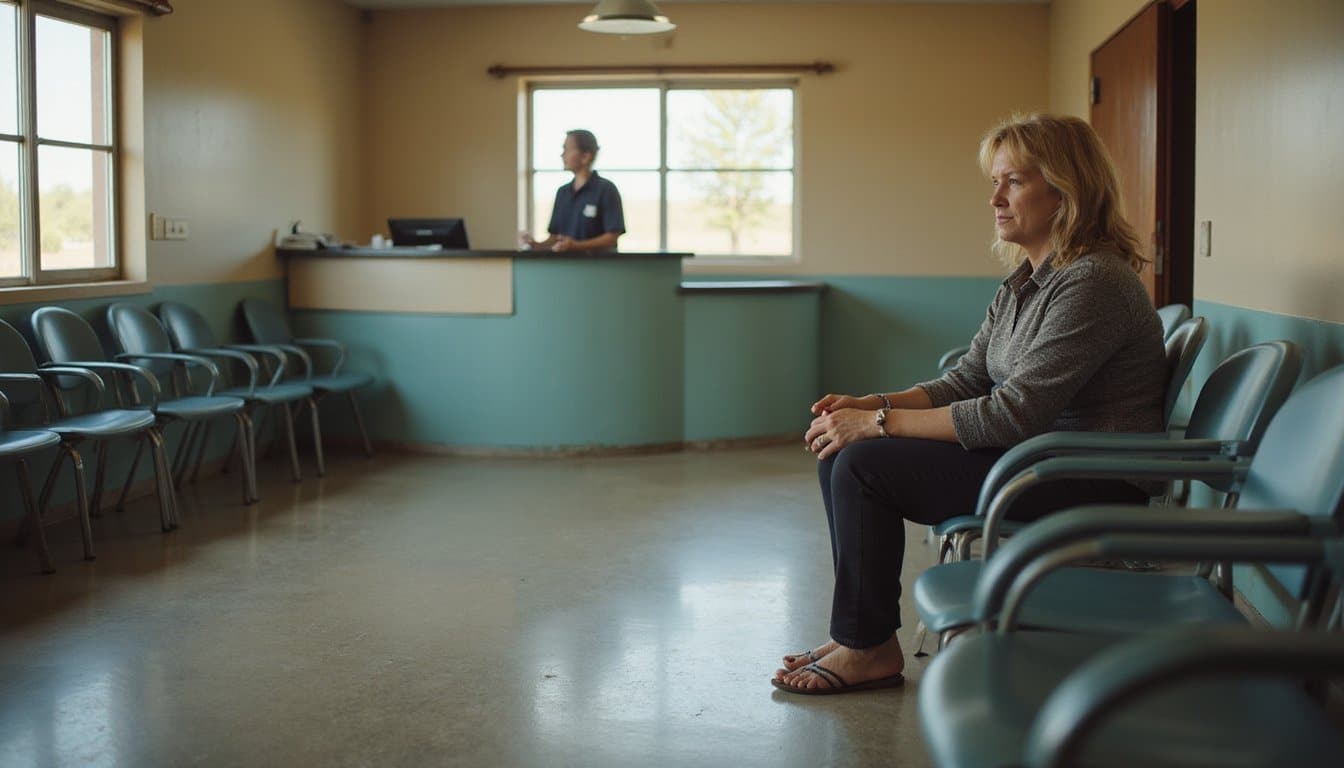
Despite significant advances in holistic treatment approaches, widespread barriers continue blocking access to addiction care for millions of Americans. You’ll find that financial constraints and geographic limitations create substantial obstacles, with 54% of patients expressing concerns about medication costs and many rural residents lacking nearby treatment facilities. The median wait time of three business days for appointments shows progress in rapid access to treatment. When access issues occur, patients may need to seek alternative resources due to website or facility availability problems. Studies show that increasing access to methadone treatment helps reduce dropout rates and improves patient outcomes.
- Only 43% of clinics can confirm buprenorphine prescription availability at initial visits
- Geographic isolation forces reliance on telemedicine innovations
- Insurance coverage gaps affect both public and private sectors
- Treatment system fragmentation creates administrative hurdles
You’re facing a healthcare landscape where only 14.6% of people with substance use disorders received treatment in 2023. These barriers disproportionately impact certain populations, with Black and American Indian/Alaska Native communities experiencing higher overdose death rates. Breaking down these access barriers requires addressing both systemic issues and individual challenges through policy reform and improved healthcare infrastructure.
Frequently Asked Questions
How Long Does Insurance Typically Take to Approve Treatment Program Coverage?
You’ll typically wait 1-3 business days for standard insurance approval timelines, though this can vary based on your coverage limitations and treatment type. Urgent requests may receive same-day approval, while complex cases could take several weeks. Private insurers generally process requests faster than government programs. For standard treatment programs, expect processing times of up to 5-7 days when all documentation is complete and properly submitted.
What Percentage of Patients Maintain Sobriety After Completing Modern Treatment Programs?
Research shows you’ll have varying chances of maintaining sobriety, with patient success rates typically ranging from 40-60% in the first year after treatment completion. You’re most likely to maintain sobriety if you stay in treatment for 12+ months, with studies indicating sobriety rates of up to 70% at nine months post-treatment. You’ll see better outcomes with medication-assisted treatment, which demonstrates five times lower relapse rates during active treatment phases.
Can Family Members Participate in Virtual Therapy Sessions During Treatment?
Yes, you can participate in virtual therapy sessions with your family during treatment. Modern programs offer extensive family involvement through digital platforms, enabling secure video conferencing and structured virtual support regardless of geographical location. You’ll have access to specialized sessions including caregiver components, child-focused activities, and family-based behavioral interventions. Research shows these technology-enabled family therapy options effectively promote recovery outcomes while maintaining privacy and accessibility for all participants.
Are There Age Restrictions for Different Types of Modern Treatment Approaches?
Yes, you’ll find specific age restrictions across different treatment approaches based on age appropriateness and developmental needs. Most adult programs serve ages 21-65, while adolescent programs typically accommodate ages 12-20. Treatment accessibility varies by facility and program type. You’ll need to verify age requirements before enrollment, as some facilities maintain strict protocols. Insurance coverage and program effectiveness often correlate with age-specific treatment models and evidence-based outcomes.
How Do Treatment Programs Handle Medication Interactions With Existing Health Conditions?
You’ll receive thorough health assessments upon entering treatment to identify all existing conditions and medications. Treatment programs employ strict medication safety protocols, carefully documenting drug interactions and monitoring potential complications. Your medical team will adjust treatment medications to avoid adverse reactions with your current prescriptions. They’ll continuously evaluate your response to medications, modify dosages as needed, and implement specialized monitoring for high-risk combinations or comorbid conditions.