The L484 pill isn’t a narcotic, it’s a 500 mg acetaminophen caplet, the same active ingredient found in brand-name Tylenol. You’re getting identical pain and fever relief at a lower generic price. The confusion often arises because L484’s white, oblong appearance resembles some prescription opioid combinations, and households frequently store both medications together. Counterfeit pills can also mimic similar markings. Understanding proper dosing limits and potential drug interactions will help you use L484 safely. While the l484 pill health benefits and uses primarily focus on its effectiveness for pain relief, it is essential to remain vigilant about the proper administration. Patients should also consult a healthcare professional if they have any pre-existing conditions or if they are on other medications to avoid adverse effects.
What Is the L484 Pill, and Is It a Narcotic?
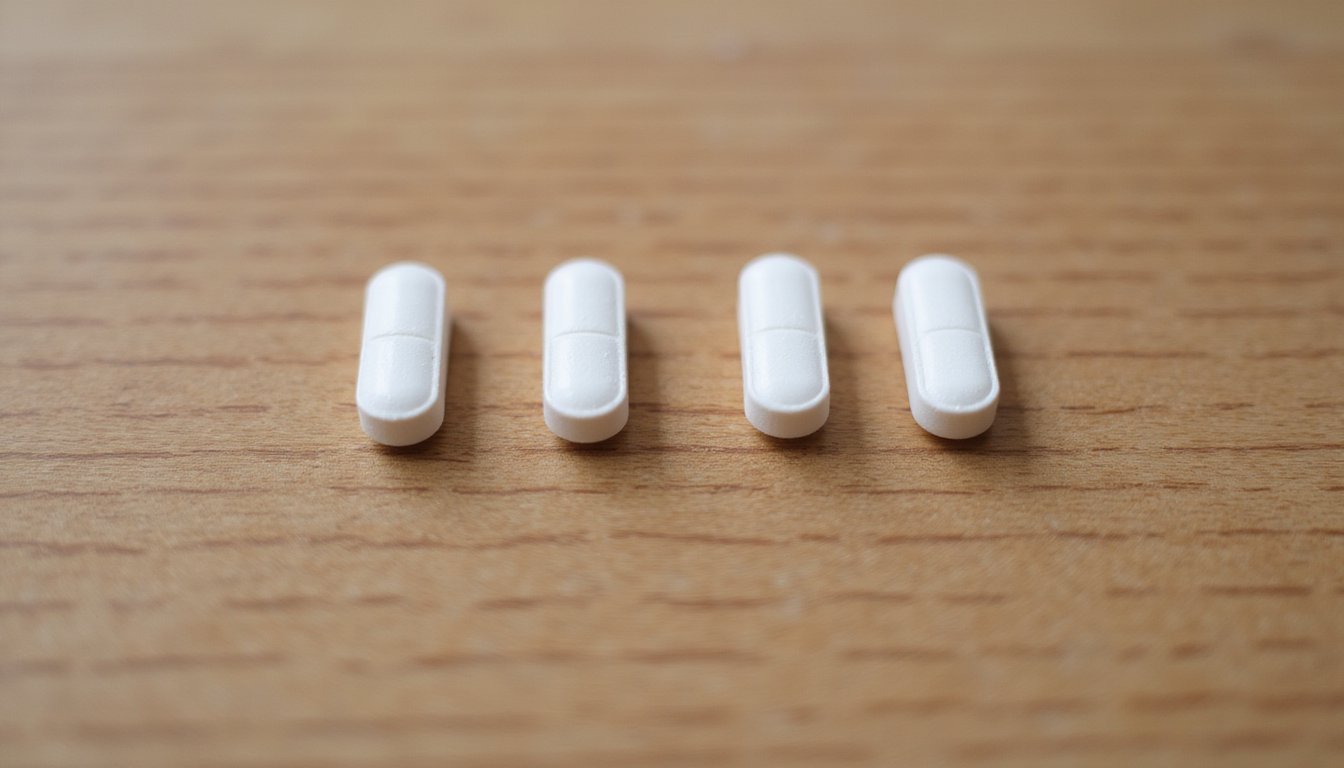
The L484 pill contains 500mg of acetaminophen, a non-opioid analgesic that’s distinctly different from narcotic medications. This over-the-counter medication works by blocking pain-signaling chemicals in your brain rather than binding to opioid receptors.
When comparing acetaminophen vs hydrocodone, the distinctions are significant. Hydrocodone produces euphoria and carries addiction risks, while acetaminophen doesn’t affect the brain’s reward pathways. You won’t experience the high or respiratory depression associated with controlled substances. Hydrocodone is classified as an opioid with a high risk of misuse and addiction, requiring a prescription for access.
Narcotic pill confusion often stems from the L484’s appearance or its pain-relieving purpose. However, this non-opioid pain reliever contains no controlled substances. It’s classified as safe for over-the-counter sale precisely because it lacks addictive properties. The L484 pill is easily identifiable as an oblong-shaped, white tablet. Understanding this difference helps you make informed decisions about appropriate pain management options. While acetaminophen is not addictive, misuse can still cause severe liver damage, making proper dosing essential.
L484 Is Generic Tylenol: Same Ingredient, Lower Price
L484 pills contain 500 mg of acetaminophen, the exact same active ingredient found in Tylenol Extra Strength. You’re getting identical therapeutic benefits at a lower cost when you choose this store-brand option from retailers like Kroger.
L484 delivers the same 500 mg acetaminophen as Tylenol Extra Strength, just without the brand-name price tag.
Understanding pain medication categories helps dispel controlled substance myths. Here’s what distinguishes L484 from narcotics:
- Classification: Acetaminophen is a miscellaneous analgesic, not an opioid
- Regulation: No prescription required, it’s available over-the-counter
- Effects: No euphoria or respiratory depression occurs with proper use
- Opioid comparison: Unlike hydrocodone combinations, L484 contains zero controlled substances
You can trust that L484 delivers effective relief for headaches, muscle aches, and fever without the risks associated with narcotic medications. The generic formulation simply offers cost savings without compromising quality. You can easily identify this medication by its oblong or oval shape and white coloring with the L484 imprint. Acetaminophen works by raising your pain threshold and reducing fever rather than targeting inflammation like NSAIDs. This medication is also found in popular brand-name products like Panadol, Nyquil, Dayquil, and Excedrin Tension Headache.
How to Verify Your L484 Pill Is Authentic
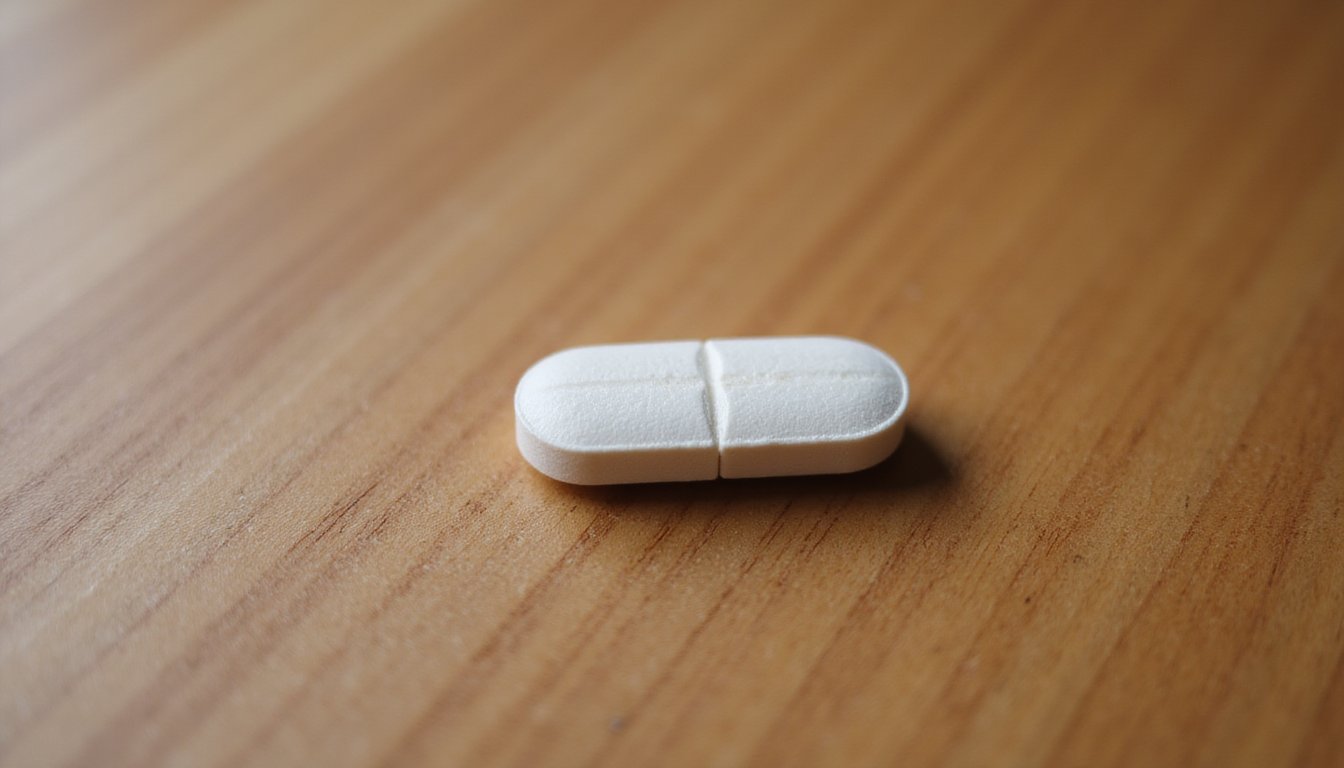
You can verify your L484 pill is authentic by examining the imprint code and physical characteristics, the tablet should be white, oval-shaped, and display “L484” clearly on its surface. Comparing the inactive ingredients listed on your package with those from the manufacturer, typically the Kroger Company, provides an additional layer of verification. Authentic L484 pills contain 500mg of Acetaminophen, which can be confirmed through official pill identification databases. Since acetaminophen is the active ingredient in the L484 pill, verifying this information on the packaging helps ensure you have a legitimate product. The imprint serves as a unique fingerprint for the drug, helping distinguish it from similar-looking pills that may contain different medications. If you’re uncertain about your medication’s authenticity, consult a pharmacist who can confirm the pill matches legitimate product specifications.
Check Imprint and Shape
Verifying your pill’s authenticity starts with examining the imprint directly stamped on the tablet’s surface. The L484 code appears on one side only, confirming this is l484 tylenol (acetaminophen 500 mg), not a controlled substance. Understanding whether is l484 a narcotic requires checking these specific characteristics.
Follow these verification steps:
- Confirm the imprint reads “L484” clearly on one side with no additional markings.
- Verify the opposite side remains blank without scoring lines.
- Check the shape measures approximately 16 mm in oblong, capsule-like form.
- Guarantee uniform white coloring with smooth surface texture.
Any deviation from these standards, blurred imprints, color variations, or size inconsistencies, warrants pharmacist consultation. Cross-reference your findings with verified pill identifier databases to confirm authenticity before use. Note that a different L484 pill exists containing 25 mg of Diphenhydramine Hydrochloride, which is an antihistamine rather than acetaminophen, so proper identification is essential.
Compare Inactive Ingredients
Beyond the visible imprint and physical characteristics, examining inactive ingredients offers another layer of verification for your L484 tablet’s authenticity. Authentic L484 contains carnauba wax, corn starch, croscarmellose sodium, hypromellose, polyethylene glycol, and povidone. You can cross-reference these excipients against the product packaging or the DailyMed database under NDC 56062-484.
Notably, you won’t find any narcotics or opioids listed in the ingredient profile. This absence confirms L484’s classification as a non-controlled acetaminophen product. If you notice deviations in the listed starch or wax components, this may indicate a counterfeit product. If you’ve ever experienced an allergic reaction to this product or any of its ingredients, do not use it.
Before use, screen for potential allergies to corn starch or carnauba wax. You should also verify that the total acetaminophen content matches 500 mg to avoid exceeding safe daily limits when combining multiple products. Do not use L484 with any other drug containing acetaminophen, and if you’re unsure whether a medication contains acetaminophen, ask a doctor or pharmacist.
Why L484 Gets Confused With Vicodin and Other Opioids
Because L484 and Vicodin tablets share a white, oblong appearance, people often confuse these two medications despite their fundamentally different compositions. Both contain acetaminophen, but Vicodin adds hydrocodone, a controlled opioid narcotic.
You should understand the key reasons for this misidentification:
- Generic opioid formulations feature similar size and color profiles to L484
- Imprint codes on hydrocodone combinations can resemble L484 at quick glance
- Households often store L484 alongside prescription opioids, creating mix-up opportunities
- Counterfeit pills sometimes mimic L484-like markings to deceive users
L484 remains an over-the-counter acetaminophen product without narcotic properties. It won’t produce opioid effects like euphoria or respiratory depression. You can verify any pill’s identity through the FDA’s pill identifier or by consulting your pharmacist directly. This confusion can be particularly dangerous since acetaminophen is involved in an estimated 50% of all acute liver failure cases in the U.S., making accurate identification critical for safe use. Misidentifying pills can also lead to unintentional overdose, and you should not exceed 4,000 mg of acetaminophen in a 24-hour period to avoid severe liver damage.
Safe Dosage Limits for L484 Acetaminophen Tablets
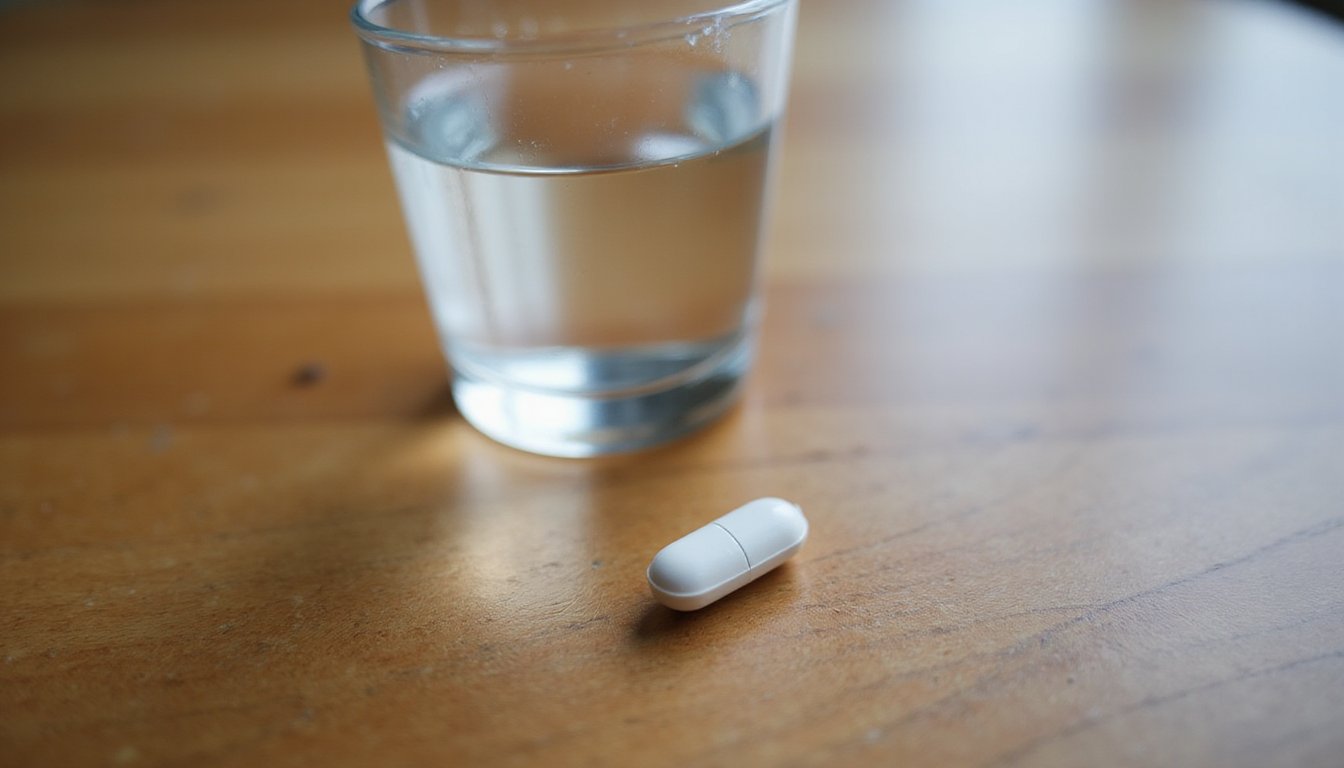
When taking L484 acetaminophen tablets, you’ll need to follow specific dosage guidelines to prevent serious complications. Adults should take 500-1000 mg every 4-6 hours as needed, with a strict maximum of 4000 mg within 24 hours. For extra strength formulations, don’t exceed 6 caplets (3000 mg) daily.
Children over 12 can follow adult dosing, while those under 12 require pediatric guidance from a healthcare provider. Take tablets with a full glass of water and swallow them whole.
Critical safety limits apply: use L484 for no longer than 10 days for pain or 3 days for fever. Exceeding 4000 mg risks severe liver damage, causing symptoms like nausea, vomiting, and jaundice. Always verify you’re not taking multiple acetaminophen-containing products simultaneously. Be aware that over 500 OTC and prescription medicines contain acetaminophen, making it essential to check all medication labels before combining treatments.
Can You Take L484 With Nyquil, Excedrin, or Sleep Aids?
You might not realize that many common medications like Nyquil, Excedrin, and sleep aids already contain acetaminophen, creating a hidden risk when combined with L484. Taking multiple acetaminophen-containing products simultaneously can push you past the safe daily limit of 4,000 mg, substantially increasing your risk of liver damage. Prolonged overuse of acetaminophen through combined products can lead to serious health complications requiring professional attention. Before combining L484 with any over-the-counter medication, you should carefully check ingredient labels and consult a healthcare provider to guarantee safe use.
Hidden Acetaminophen Risks
Over 600 medications contain acetaminophen as an active ingredient, making accidental overdose a significant hidden risk when combining products like L484 with other common remedies. You may not realize you’re exceeding the 4,000 mg daily limit when taking multiple over-the-counter products simultaneously.
To protect yourself from unintended acetaminophen toxicity:
- Check every medication label for acetaminophen content before combining with L484
- Calculate your total daily acetaminophen intake across all products
- Avoid alcohol consumption, which amplifies liver damage risk
- Recognize early overdose symptoms: nausea, vomiting, and abdominal pain
L484 contains 500 mg of acetaminophen per tablet, the extra-strength dose. Since this pill matches Tylenol’s active ingredient exactly, you must account for it in your total daily consumption to prevent serious hepatotoxicity.
Safe Combination Guidelines
Combining L484 with NyQuil, Excedrin, or certain sleep aids creates a serious risk of acetaminophen overdose because these products often contain the same active ingredient. Each L484 tablet delivers 500mg of acetaminophen, and your daily limit shouldn’t exceed 4000mg. When you add NyQuil or acetaminophen-containing sleep aids, you can quickly surpass safe thresholds without realizing it.
Before taking L484 alongside any multi-symptom medication, check the active ingredients label for “acetaminophen” or “APAP.” Certain Excedrin variants combine acetaminophen with aspirin and caffeine, effectively doubling your acetaminophen exposure per dose. Before taking L484 pill alongside any multi-symptom medication, check the active ingredients label for “acetaminophen” or “APAP.” Certain formulations, such as some Excedrin variants, combine acetaminophen with aspirin and caffeine, which can unintentionally double your total acetaminophen intake per dose. Being aware of l484 pill potential side effects is critical, as exceeding safe limits increases the risk of liver toxicity and other complications.
To protect yourself, space doses appropriately and avoid overlapping acetaminophen sources. Consult your healthcare provider before combining L484 with cold, flu, or sleep medications. Exceeding recommended limits can cause severe liver damage, making label verification essential for your safety.
Blood Thinners, Alcohol, and Other L484 Interactions
Although L484 is a safe over-the-counter option for most people, it can cause serious interactions when combined with blood thinners, alcohol, or certain medications.
If you take warfarin, acetaminophen can elevate your INR levels, increasing bleeding risk, especially at doses exceeding 2g daily. Chronic alcohol use induces liver enzymes that convert acetaminophen into toxic metabolites, raising hepatotoxicity risk four-fold in heavy drinkers.
Key interactions to monitor:
- Warfarin users should limit acetaminophen and monitor INR closely
- Regular alcohol consumers shouldn’t exceed 2g acetaminophen daily
- Avoid combining L484 with other acetaminophen-containing products to prevent exceeding the 4g daily limit
- Medications like isoniazid, carbamazepine, and probenecid can alter acetaminophen metabolism
Consult your physician before using L484 if any of these factors apply to you.
Acetaminophen Overdose Signs Every L484 User Should Know
How quickly can acetaminophen overdose symptoms appear, and what warning signs should prompt immediate medical attention? Within the first 24 hours, you may experience nausea, vomiting, stomach pain, and loss of appetite. These early symptoms can seem mild, making overdose easy to dismiss.
Early acetaminophen overdose symptoms like nausea and stomach pain can appear mild, don’t dismiss them, seek help immediately.
Between 24 and 72 hours, you’ll notice worsening abdominal pain, particularly in your upper right side. Blood tests reveal heightened aminotransferase levels within 8 to 12 hours of ingestion.
By days three to four, jaundice develops, you’ll see yellowing of your skin and eyes. Confusion, bleeding problems, and acute renal failure indicate severe liver damage. Aminotransferase levels can exceed 10,000 IU/L at this stage.
Seek emergency care immediately if you’ve taken excessive L484 doses. Significantly, 50% of acetaminophen overdoses are unintentional, often from combining multiple medications. L484 pill overdose symptoms to monitor include nausea, vomiting, abdominal pain, and confusion. It’s crucial to observe these signs closely, especially if there may have been an accidental overdose. In such cases, timely intervention can significantly improve outcomes and prevent further complications.
Liver Conditions and Other Reasons to Ask Your Doctor About L484
If you have a pre-existing liver condition, you should consult your doctor before taking L484 or any acetaminophen-based medication. Your liver metabolizes acetaminophen, and compromised hepatic function can lead to dangerous drug accumulation in your bloodstream.
You should speak with your healthcare provider about L484 if you have:
- Cirrhosis, hepatitis, or other diagnosed liver disorders
- Regular alcohol consumption, which increases hepatotoxicity risk
- Current use of other medications metabolized through hepatic pathways
- Multiple over-the-counter products that may contain hidden acetaminophen
Elderly patients face additional concerns due to age-related metabolic changes. Your doctor may recommend baseline liver function tests before establishing safe dosing parameters. If you fall into any vulnerable category, alternative pain management options that bypass hepatic metabolism may provide safer relief.
Recovery Is Always Possible
Prescription drug addiction can take hold faster than expected, but recovery is always possible. At The Hope Institute, we are dedicated to helping you heal through effective Prescription Drug Addiction Treatment and a flexible Intensive Outpatient Program (IOP) built around your unique journey. Call (855) 659-2310 today and begin moving toward a healthier, stronger life.
Frequently Asked Questions
Can I Crush or Split the L484 Pill Before Swallowing It?
You shouldn’t crush or split the L484 pill. The tablet lacks a score line, indicating it’s designed for swallowing whole. Crushing can cause rapid acetaminophen release, increasing your risk of overdose and liver toxicity. Splitting creates uneven doses since there’s no guide for accurate division. If you have difficulty swallowing tablets, consult your physician before altering this medication, they can recommend safer alternatives like liquid acetaminophen formulations.
Is L484 Safe to Take During Pregnancy or While Breastfeeding?
You can generally take the L484 pill safely during pregnancy and while breastfeeding when you follow recommended doses. Acetaminophen holds FDA Pregnancy Category B status and remains the preferred pain reliever for pregnant individuals. It passes into breast milk in small amounts but doesn’t typically harm nursing infants. However, you shouldn’t exceed 3,000-4,000 mg daily, and you’ll want to consult your healthcare provider before use, especially during the third trimester.
How Long Does It Take for the L484 Pill to Start Working?
You’ll typically feel the L484 pill start working within 30-60 minutes after taking it, with peak pain relief occurring at 1-2 hours. The effects generally last 4-6 hours. However, certain factors can influence this timing, taking it on an empty stomach speeds absorption, while food may delay onset by 30-60 minutes. Your liver function and hydration levels can also affect how quickly you experience relief.
Can Children Take L484 Pills, and What Is the Appropriate Age Limit?
You can give L484 pills to children, but they’re typically recommended for ages 2 and older, with liquid forms preferred for younger children. You’ll need to dose based on your child’s weight, generally 10-15 mg/kg every 4-6 hours. For the 500 mg L484 tablet, you may need to halve or quarter it appropriately. Always consult your healthcare provider for children under 6 and follow weight-based guidelines carefully.
Does L484 Expire, and Is It Safe to Use After Expiration Date?
Yes, L484 pills do expire, you’ll find the expiration date printed on the packaging. You can generally use them safely after expiration if they’ve been stored properly and appear unchanged (white, intact, no odor). However, you may experience reduced potency. Don’t take more to compensate, as liver damage risk remains. If your pills look discolored or crumbly, discard them through a drug take-back program and obtain fresh medication.