L484’s most common side effects include nausea, stomach discomfort, fatigue, and occasional headaches. You should watch for serious warning signs like jaundice, dark urine, severe abdominal pain, or mental confusion, these indicate potential liver damage. If you notice skin blistering, facial swelling, or throat tightness, you’re likely experiencing an allergic reaction requiring immediate medical attention. Don’t exceed 4000 mg daily, and avoid mixing L484 with alcohol or blood thinners. Below, you’ll find specific guidance on safe dosages and dangerous drug combinations.
What Is L484 and What’s It Used For?
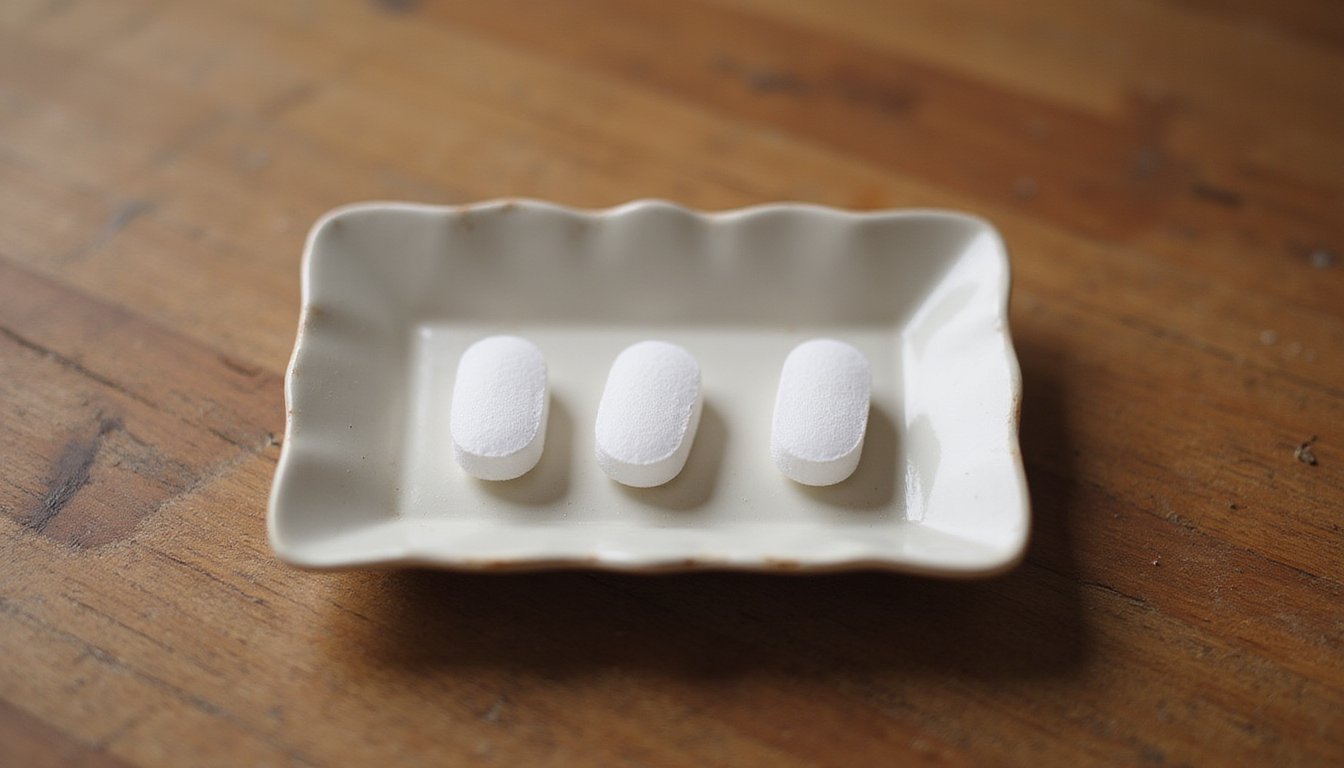
The L484 pill is a white, oblong tablet containing 500 mg of acetaminophen, the same active ingredient found in brand-name Tylenol. You’ll find this non-prescription analgesic effective for treating mild to moderate pain, including headaches, muscle aches, toothaches, and menstrual cramps. It also reduces fever from colds, flu, and viral infections.
Unlike NSAIDs, acetaminophen doesn’t cause stomach irritation, making it gentler on your digestive system. However, you must follow medication warnings carefully due to liver toxicity risk associated with excessive doses. The drug works by inhibiting prostaglandin production in your brain, altering pain signals and temperature regulation. You should avoid alcohol while taking this medication, as combining the two significantly increases your risk of liver damage.
Understanding potential adverse reactions becomes critical before use. This tablet isn’t suitable for children under 12, and you should consult your physician if symptoms persist beyond short-term treatment. Many people prefer acetaminophen over other pain relievers because it does not irritate the stomach as much as alternatives like ibuprofen or aspirin. When taking this medication, be aware that common side effects may include drowsiness, dizziness, and dry mouth.
L484 Side Effects: Mild Reactions to Warning Signs
While L484 offers effective pain relief with minimal stomach irritation, you should recognize potential adverse reactions before taking this medication. Common acetaminophen side effects include nausea, stomach discomfort, fatigue, and occasional headaches. These mild reactions typically resolve without intervention. Additionally, understanding L484 pill identification and uses can aid in ensuring you are taking the right dosage and formulation. Those who are uncertain about its effects should consult healthcare professionals for personalized advice. This is especially important for individuals with pre-existing conditions or those taking other medications.
Monitor yourself for liver damage symptoms, which indicate serious toxicity. Watch for jaundice, dark urine, extreme fatigue, and upper abdominal pain. These warning signs require immediate medical attention. To minimize liver damage risk, the L484 pill should not be used for more than 10 consecutive days for pain relief without medical advice.
Allergic reactions present as rash, itching, or swelling of the face and throat. Difficulty breathing demands emergency care. If you experience blistering or peeling skin after taking acetaminophen, stop use immediately and seek medical help.
Pain reliever safety depends on recognizing overdose indicators: severe nausea, confusion, and weakness. Acetaminophen overdose causes over 56,000 annual U.S. emergency room visits and approximately 500 deaths yearly. Untreated overdose can progress to acute liver failure, making early symptom recognition critical. Because acetaminophen is included in many medications, unintentional overuse can occur when combining products that contain the same active ingredient.
Who Should Not Take L484 Pills?

Certain individuals should rule out L484 pills as a treatment option due to heightened health risks. If you have liver disease, compromised hepatic function can’t process acetaminophen safely, increasing toxicity potential. The l484 pill side effects become considerably more dangerous when your liver is already impaired. The l484 pill effects on health can vary significantly among different individuals, especially depending on their overall medical history. It’s essential to consult with healthcare providers to evaluate any potential risks linked to its use.
You shouldn’t take L484 if you’re a chronic alcohol user. The alcohol interaction overburdens your liver’s processing capacity, elevating the risk of acute liver failure. Taking more than 4,000 mg per day can lead to serious liver damage or liver failure. Unintentional overdose often occurs through the “double-up effect” when people unknowingly use multiple acetaminophen-containing products simultaneously.
| Risk Group | Primary Concern | Required Action |
|---|---|---|
| Liver disease patients | Severe hepatotoxicity | Consult provider before use |
| Chronic alcohol users | Alcohol interaction complications | Avoid entirely |
| Children under 12 | Dosage inaccuracy | Use pediatric formulations |
If you’ve experienced allergic reactions to acetaminophen, seek alternative treatments immediately. Symptoms of an allergic reaction may include rash, swelling, and difficulty breathing.
Liver Damage Risks From L484 Overuse
Your liver metabolizes acetaminophen through specific enzymatic pathways, but exceeding the 4000 mg daily threshold overwhelms this processing capacity and generates toxic metabolites that directly damage hepatocytes. High doses or prolonged use accelerate this toxicity without providing early warning signs.
Recognize overdose symptoms immediately: jaundice, dark urine, severe abdominal pain, nausea, vomiting, and mental confusion. These indicate acute liver distress requiring emergency intervention. Acetaminophen overdose is a leading cause of acute liver failure in the United States.
Alcohol consumption dramatically compounds your risk. If you consume three or more drinks daily, combining alcohol with L484 creates dangerous hepatic overload since both substances compete for liver processing. Individuals with pre-existing liver disease or chronic alcohol use face heightened vulnerability to irreversible damage. Blood thinners also pose a concern, as combining them with L484 increases your risk of blood clots.
Don’t use L484 beyond 10 consecutive days for pain without consulting your healthcare provider. Check all medications for acetaminophen to prevent accidental overdose.
How Much L484 Can You Safely Take?
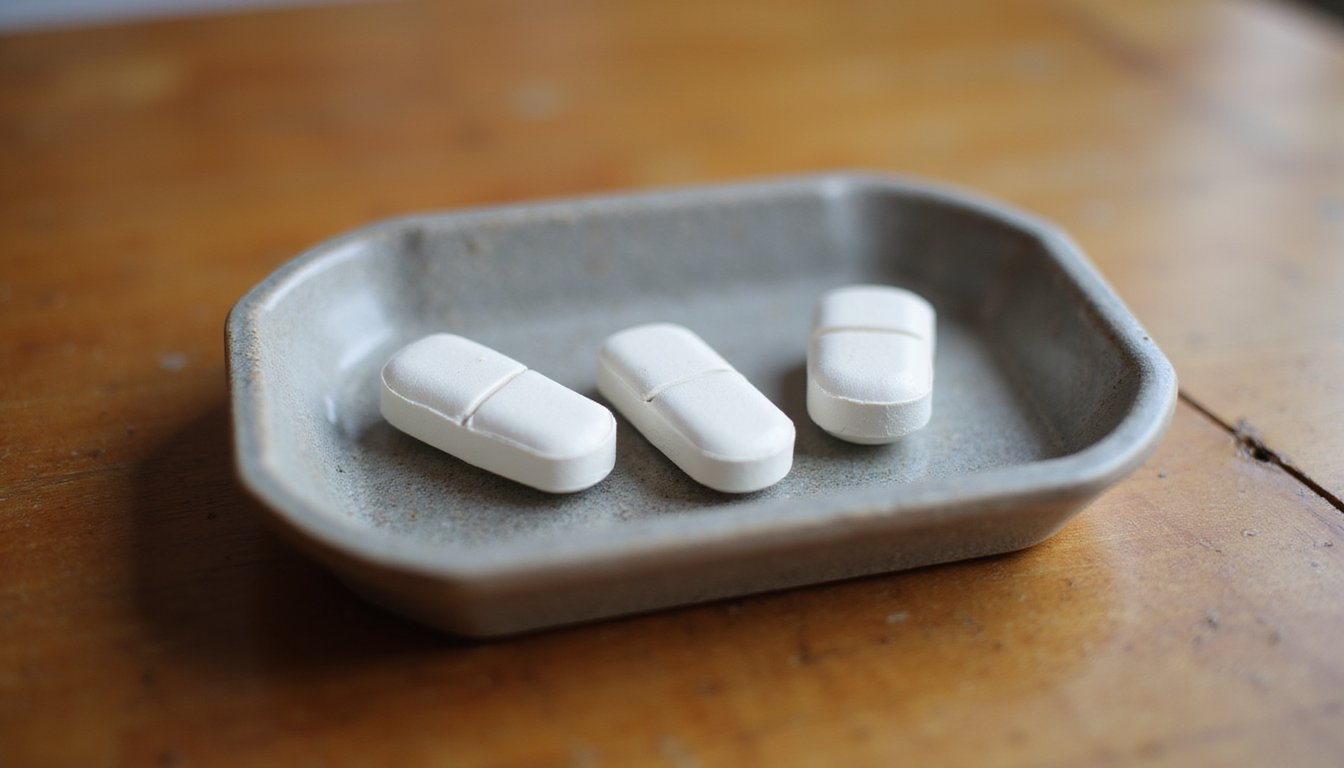
The L484 pill contains 500 mg of acetaminophen per tablet, establishing clear boundaries for safe consumption. You should take 500-1000 mg every 4-6 hours as needed, never exceeding 4000 mg within 24 hours. This equates to a maximum of eight L484 tablets daily.
Critical dosing parameters to follow:
- Limit pain relief use to 10 consecutive days maximum
- Restrict fever treatment to 3 days without physician guidance
- Check all medications for acetaminophen to prevent accidental overdose
You must swallow tablets with a full glass of water. Taking L484 with or without food won’t affect absorption. If you’re using combination products, calculate total acetaminophen intake carefully. Exceeding recommended limits substantially increases your risk of hepatotoxicity. Over 500 OTC and prescription medicines contain acetaminophen, so taking multiple products simultaneously raises your overdose risk significantly. Common products like Tylenol, NyQuil, and Theraflu also contain acetaminophen, making it essential to review all medication labels. Stop use immediately if symptoms persist and consult your healthcare provider.
L484 Mixed With Alcohol and Other Medications
When you combine L484 with alcohol, both substances compete for processing in your liver, substantially elevating your risk of hepatotoxicity. Alcohol activates CYP2E1 enzymes, increasing production of NAPQI, a toxic acetaminophen byproduct that damages liver cells. Alcohol also depletes glutathione, the antioxidant responsible for neutralizing this toxic byproduct. Consuming three or more drinks daily while taking L484 greatly raises your chances of severe liver injury.
You should avoid combining L484 with other acetaminophen-containing products to prevent accidental overdose. Check medication labels carefully, as many combination drugs contain hidden acetaminophen. Mixing L484 with NSAIDs and alcohol compounds your risk of stomach bleeding and ulcers. The danger lies not in a single instance but in the accumulation of repeated exposure over time.
Watch for warning signs: jaundice, dark urine, upper right abdominal pain, and rapid heartbeat. Liver damage often progresses silently without early symptoms. Consult your healthcare provider before mixing L484 with any alcohol or medications.
When to Stop L484 and Call a Doctor
You should stop taking L484 immediately and contact your doctor if you experience signs of a severe allergic reaction, including rash, swelling of the face or throat, or difficulty breathing. Don’t continue use if your symptoms persist beyond a few days or worsen despite treatment, as this may indicate an underlying condition requiring different intervention. Watch for unusual bleeding or bruising, which can signal liver dysfunction or interactions with blood-thinning medications that demand prompt medical evaluation.
Severe Allergic Reaction Signs
Anyone taking the L484 pill should recognize the warning signs of a severe allergic reaction, as these require immediate discontinuation and medical intervention. You must stop the medication and seek emergency care if you experience hives, facial swelling, or difficulty breathing.
Watch for these critical indicators:
- Skin reactions, Hives, severe rash, blistering, or skin reddening may signal Stevens-Johnson Syndrome or toxic epidermal necrolysis.
- Swelling, Facial, tongue, or throat swelling indicates anaphylaxis risk and potential airway obstruction.
- Respiratory distress, Trouble breathing paired with severe dizziness demands an immediate medical call.
Don’t ignore confusion, extreme tiredness, or agitation accompanying these symptoms. If you’ve previously experienced any reaction to acetaminophen, consult your doctor before taking L484 again. Since acetaminophen is a non-opioid medication, allergic reactions are not related to addiction risk but rather to individual hypersensitivity.
Persistent Symptoms Beyond Days
Although the L484 pill provides effective short-term relief, you shouldn’t use it for pain beyond 10 consecutive days or for fever beyond 3 days without consulting a healthcare provider. Prolonged use elevates your risk of liver damage considerably. If symptoms persist beyond these limits, they may signal an underlying condition requiring professional evaluation.
You should stop taking L484 and contact your doctor immediately if you experience persistent gastrointestinal issues like ongoing nausea, vomiting, or severe abdominal pain. Neurological warnings such as dizziness, fatigue, or mental confusion also warrant cessation and medical consultation. Additionally, it is crucial to know when to seek help for overdose, especially if symptoms escalate. If you notice signs such as unresponsiveness, difficulty breathing, or extreme drowsiness, do not hesitate to call emergency services. Early intervention can significantly impact recovery and may save a life.
When recommended dosages don’t relieve your symptoms, don’t increase intake. Over 56,000 annual U.S. emergency visits result from acetaminophen overdose. Seek professional guidance rather than extending duration or exceeding dosage limits.
Unusual Bleeding Or Bruising
Unusual bleeding or bruising represents a serious warning sign that requires immediate discontinuation of L484 and prompt medical consultation. These symptoms indicate potential liver dysfunction, as acetaminophen toxicity compromises your liver’s ability to produce clotting factors.
You should stop taking L484 immediately and contact your healthcare provider if you notice:
- Unexplained bruising appearing without injury
- Unusual bleeding from gums, nose, or wounds
- Dark, tarry stools indicating internal bleeding
These symptoms often accompany other liver damage indicators, including jaundice, dark urine, and upper abdominal pain. Don’t wait for symptoms to worsen, seek emergency care promptly.
If you suspect acetaminophen overdose, call Poison Control immediately. Rapid intervention prevents severe liver complications and improves outcomes. Your doctor will evaluate liver function and determine appropriate treatment protocols.
Recovery Is Always Possible
Prescription drug addiction can take hold faster than expected, but recovery is always possible. At The Hope Institute, we are dedicated to helping you heal through effective Prescription Drug Addiction Treatment and a flexible Intensive Outpatient Program (IOP) built around your unique journey. Call (855) 659-2310 today and begin moving toward a healthier, stronger life.
Frequently Asked Questions
How Long Does L484 Take to Start Working After Swallowing It?
You’ll typically start feeling the effects of L484 within 15 to 30 minutes after swallowing it. Pain relief generally kicks in between 30 to 60 minutes, with peak effectiveness occurring around 1 to 2 hours post-ingestion. To optimize absorption, you should take it with a full glass of water. Keep in mind that eating food beforehand may slightly delay onset, and your individual metabolism will influence how quickly you respond.
Can I Take L484 While Pregnant or Breastfeeding?
You can take L484 (acetaminophen) during pregnancy, as ACOG and the AAP consider it the safest OTC pain reliever and fever reducer available. Use the lowest effective dose for the shortest duration needed. Don’t exceed 4,000 mg daily, and consult your doctor before use. While breastfeeding, acetaminophen transfers minimally to breast milk, making it generally acceptable. Always check with your healthcare provider for personalized guidance on dosing and duration.
Is L484 the Same as Brand-Name Tylenol?
Yes, L484 is therapeutically equivalent to brand-name Tylenol. Both contain 500 mg of acetaminophen and work identically by affecting brain chemicals that control pain signals and body temperature. You’ll get the same pain relief and fever reduction from either medication. The only differences you’ll find are in inactive ingredients like binders and the price, L484 costs considerably less since you’re not paying for brand-name marketing costs.
Does L484 Help With Inflammation Like Ibuprofen Does?
No, L484 doesn’t reduce inflammation like ibuprofen does. While both relieve pain, they work differently, L484’s acetaminophen acts centrally in your brain without blocking COX enzymes peripherally. Ibuprofen, an NSAID, specifically targets inflammatory pathways to reduce swelling. You’ll find L484 effective for headaches, fever, and non-inflammatory pain, but if you’re treating conditions involving swelling or inflammation, you’ll need ibuprofen or another NSAID instead.
Can I Cut or Crush L484 Tablets Before Taking Them?
You can cut or crush L484 tablets before taking them. Since L484 contains immediate-release acetaminophen, it doesn’t have extended-release or enteric coatings that crushing would disrupt. For accurate dosing, you’ll want to use a commercial pill splitter rather than a knife. Keep your splitting device clean to prevent contamination. Remember, regardless of how you take it, don’t exceed 3,000-4,000mg daily to avoid liver toxicity risks.