You’ll find residential mental health treatment provides 24/7 supervision and evidence-based therapies like CBT and DBT in a structured, home-like environment. It’s ideal if you’re experiencing severe persistent disorders, comorbid conditions, or frequent psychiatric crises that haven’t responded to outpatient care. You’ll benefit from integrated diagnostic assessments, medication management, and trauma-informed interventions delivered by multidisciplinary teams. You can expect measurable symptom improvements, enhanced functioning, and reduced hospitalization risks. Understanding the full scope of daily programming and discharge planning strategies reveals additional pathways to sustainable recovery. A mental health treatment plan is essential for tailoring interventions to meet individual needs. Regular reviews and adjustments can help ensure that the plan remains effective as circumstances change.
Understanding Residential Mental Health Treatment
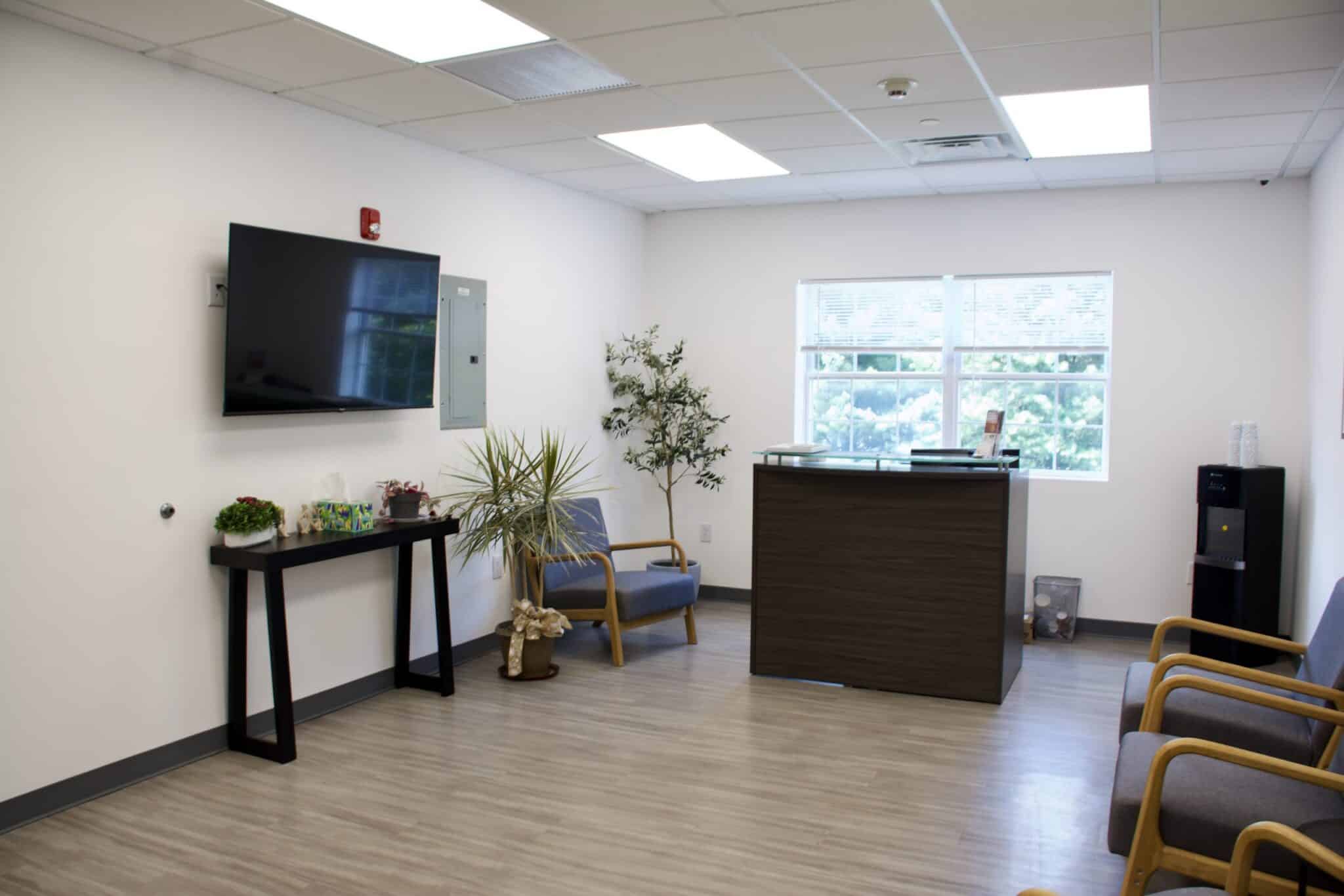
Residential mental health treatment’s defining feature is that you’ll live full-time in a non-hospital facility designed to provide intensive, structured recovery from mental health disorders. You’ll receive 24/7 supervision and therapeutic support within a home-like environment that’s less restrictive than inpatient hospitalization yet more inclusive than outpatient care.
Your treatment team consists of qualified mental health professionals whose credentials and expertise guarantee evidence-based care delivery. Your stay typically ranges from several weeks to multiple months, depending on symptom severity and recovery progress. Mental health care investment is crucial for ensuring that individuals receive the support they need. It plays a vital role in enhancing overall well-being and community health.
Family involvement plays a vital role in your therapeutic outcomes and planning for the next step. Programs emphasize safety, stability, and gradual recovery through daily routines integrating individual therapy, medication management, and skill-building workshops. This structured community setting enables you to focus entirely on healing without external distractions. Individualized treatment plans are tailored to address your unique mental health needs and specific therapeutic requirements. The holistic approach combines multiple therapeutic modalities to address both immediate symptoms and underlying causes of mental health conditions. Comprehensive services including case management services help you address practical matters of building a life outside of treatment.
Core Services and Clinical Support
Because thorough, coordinated care is essential to your recovery, residential mental health treatment centers employ multidisciplinary teams to deliver integrated clinical support across diagnostic assessment, therapeutic intervention, medication management, and discharge planning. Your multidisciplinary assessment involves psychiatrists, psychologists, social workers, and nurses who evaluate your clinical presentation using standardized instruments and structured interviews. This collaborative approach informs tailored treatment planning that addresses your specific diagnoses, strengths, and needs. You’ll access evidence-based therapies including CBT and DBT alongside group interventions focused on skills development and peer support. Psychiatrists and clinical nurses provide 24/7 medication management with regular monitoring and adjustment protocols. Throughout your stay, the team monitors your progress via structured assessments, ensuring your treatment remains responsive to changing clinical needs and promotes sustainable recovery outcomes. Many facilities integrate trauma-informed care to address underlying traumatic experiences that often co-occur with mental health conditions. The treatment team is committed to walking alongside each person throughout their entire recovery journey.
Who Benefits Most From Residential Treatment

While multidisciplinary teams provide integrated clinical support tailored to individual needs, determining candidacy for residential treatment requires careful consideration of clinical severity, functional impairment, and available community resources. You benefit most from residential placement if you meet these criteria:
Determining residential treatment candidacy requires evaluating clinical severity, functional impairment, and available community resources for individualized care.
- Severe persistent mental health disorders (schizophrenia, bipolar disorder, treatment-resistant depression) with significant functional impairment
- Comorbid conditions combining mental health and substance use disorders requiring integrated stabilization
- High risk populations lacking adequate social supports, stable housing, or reliable family systems
- Frequent psychiatric crises, suicidal ideation, or documented safety risks necessitating supervised environments
High risk populations and those with comorbid conditions demonstrate substantially improved outcomes in structured residential settings. Your eligibility increases with multiple failed outpatient attempts or post-hospitalization vulnerability to rapid decompensation. Research indicates that mental health treatment has increased significantly among young adults in recent years, underscoring the growing recognition of treatment needs across diverse populations. Residential treatment provides intensive daily therapies, medication management, and environmental stability your community setting cannot replicate. The 24/7 therapeutic support available in residential facilities creates a consistent healing environment that allows for immediate intervention during difficult moments. State Medicaid programs and contracted providers work through licensure and oversight processes to ensure these residential facilities meet established standards for quality care and clinical accountability.
Evidence-Based Therapeutic Approaches
Several evidence-based therapeutic approaches form the foundation of residential mental health treatment, each targeting specific symptom clusters and diagnostic presentations through empirically validated techniques. You’ll encounter Cognitive Behavioral Therapy (CBT) as the most extensively researched modality, addressing anxiety, depression, and substance use disorders through cognitive restructuring and coping skills development. Dialectical Behavior Therapy (DBT) specializes in emotional regulation and self-harm reduction, particularly for borderline personality disorder and chronic suicidal ideation. Motivational Interviewing enhances your treatment engagement by resolving ambivalence about change. Trauma-informed integrated approaches address complex presentations through systematic assessment and multidisciplinary teams comprising psychiatrists, psychologists, and social workers. Group and family-based interventions facilitate peer support and systemic recovery, with participation exceeding 90% in residential settings. These evidence-based interventions are rooted in objective, scientifically validated methods that incorporate continuous assessment and improvement to ensure alignment with the latest clinical research findings. These coordinated modalities optimize your clinical outcomes and post-discharge stability.
Key Benefits and Recovery Outcomes

When you enter residential mental health treatment, you’re accessing a therapeutic environment designed to produce measurable improvements across clinical, functional, and psychosocial domains. Evidence demonstrates substantial gains in symptom reduction and sustained recovery: How mental health supports recovery is a crucial aspect of the healing process. Engaging in therapy can lead to enhanced emotional resilience and coping strategies.
- Clinical outcomes: Depression decreases by 37%, anxiety by 40%, with psychiatric symptoms declining by 20% following treatment
- Reduced hospitalization: Rates drop from 0.84 to 0.57 annually; relapse decreases by 60% post-discharge
- Improved functioning: 49.7% achieve independent living; 40.3% gain competitive employment
- Sustained recovery: Longer residential stays correlate with continued outpatient engagement and abstinence maintenance
You’ll benefit from 24/7 supervision, structured milieu therapy, and integrated aftercare planning. These elements collectively facilitate stabilization, skill acquisition, and community reintegration while maintaining treatment gains at 12-month follow-up. Treatment populations typically include patients with persistent mental illness, such as those with psychotic disorders, mood disorders, and comorbid substance use or personality disorders, who require extended residential support for recovery.
Daily Life and Programming Structure
Because structured environments are fundamental to therapeutic efficacy, residential programs establish predictable daily routines that support clinical objectives while fostering stability and skill acquisition. Your day typically begins between 6:00, 7:00 AM with hygiene, room maintenance, and nutrition planning that emphasizes balanced meals supporting mental health recovery.
Morning sessions incorporate evidence-based therapies, cognitive-behavioral therapy and dialectical behavior therapy, alongside meditation and physical exercise. Afternoon programming features individual therapy, skills building, and relapse prevention exercises tailored to your specific needs.
Evenings prioritize community engagement through group meetings, journaling, and mindfulness practices that consolidate learning. This structured progression integrates psychoeducation, life skills training, and holistic wellness activities while maintaining 24/7 professional supervision. Your active participation in goal-setting guarantees personalized treatment addressing your unique clinical presentation and recovery trajectory. Peer support connections developed during evening activities strengthen your sense of community and motivation for sustained recovery.
How Residential Care Differs From Other Treatment Options
When you choose residential care, you’re receiving 24/7 clinical monitoring and intensive therapeutic programming that far exceeds what outpatient visits can provide, enabling immediate intervention during crises. Unlike hospital settings that prioritize acute stabilization in restrictive environments, you’ll recover in a therapeutic community designed to foster peer support and interpersonal skill development while maintaining a home-like atmosphere. Your treatment focuses on sustained symptom management and long-term recovery rather than rapid discharge, allowing you adequate time to integrate coping strategies before moving back to independent functioning. Many residential programs specialize in evidence-based therapies like Dialectical Behavior Therapy to address complex conditions such as mood dysregulation and self-harm behaviors.
Intensity Compared to Outpatient
How do residential and outpatient mental health treatments differ in their fundamental approach to care delivery? The distinction lies in intensity and supervision levels. Residential programs provide 24/7 care integration with around the clock professional support, while outpatient settings offer scheduled appointments. Consider these key differences:
- Supervision: Residential facilities maintain continuous monitoring; outpatient care provides periodic check-ins
- Structure: Residential programs feature highly organized daily schedules with planned activities; outpatient treatment allows flexible scheduling
- Crisis Response: Residential settings offer immediate emotional support; outpatient requires self-management between sessions
- Environment: Residential care removes you from external stressors; outpatient treatment integrates therapy within your existing environment
You’ll experience accelerated symptom reduction in residential settings due to concentrated therapeutic intervention, whereas outpatient treatment supports ongoing recovery at a personalized pace. Residential programs create a therapeutic community where individuals benefit from consistent peer support and structured daily routines designed to reinforce healthy coping mechanisms.
Home-Like vs. Hospital Settings
What fundamentally distinguishes residential mental health treatment from traditional inpatient psychiatric hospitalization? The physical environment itself. You’ll find cottage-style housing and serene campuses that create supportive healing environments, a stark contrast to clinical hospital settings. These residential spaces deliberately promote comfort and relaxation, which research demonstrates enhances therapeutic engagement and openness.
You’ll benefit from intentionally designed compassionate care cultures that prioritize holistic well-being. Natural settings, recreational facilities, and comfortable living quarters support your recovery trajectory far more effectively than sterile institutional environments. The home-like atmosphere reduces isolation while encouraging peer connection and interpersonal skill development.
You’re not simply receiving treatment; you’re recovering within a therapeutic community. This environmental distinction directly correlates with improved outcomes, as supportive physical spaces and healing-focused designs facilitate deeper psychological work and sustainable progress toward independent living.
Long-Term Recovery Focus
Beyond the physical comforts of a home-like setting lies the programmatic architecture that truly defines residential mental health treatment: its unwavering commitment to long-term recovery rather than symptom stabilization alone. You’ll benefit from evidence-based interventions designed for sustained lifestyle changes and durable outcomes. Residential care distinguishes itself through:
- Individualized aftercare planning that guarantees continuity post-discharge via outpatient services and peer support networks
- Relapse prevention strategies practiced in controlled environments, equipping you with practical coping tools
- Multidisciplinary teams adapting interventions as your clinical needs evolve throughout treatment
- Long-term follow-up protocols demonstrating significant reductions in hospital readmission and symptom severity
Unlike brief interventions focusing solely on crisis management, residential treatment invests in your functional independence, competitive employment readiness, and quality-of-life improvements that extend well beyond discharge.
Preparing for Discharge and Long-Term Success
Because psychiatric hospitalization represents only one phase of treatment, your discharge planning must begin at admission and extend into the community to prevent relapse and readmission. Effective discharge planning best practices include scheduling outpatient appointments before you leave the hospital and ensuring timely transfer of discharge summaries to community providers; both actions substantially improve appointment attendance and continuity of care.
However, several factors affecting discharge success warrant consideration. If you’re experiencing homelessness or untreated substance use disorder, you’ll face heightened readmission risks without structured outpatient engagement. Similarly, both brief and extended inpatient stays compromise planning effectiveness. Multi-agency interventions addressing your complex needs prove more effective than single-provider approaches, while early post-discharge follow-up calls and peer support reduce relapse risk and strengthen community reintegration.
You Don’t Have to Manage Both Alone
When a mental health condition and substance use show up together, treating them side by side tends to work better than tackling one at a time. The Hope Institute offers outpatient dual diagnosis care in West Milford, NJ, so you can get support while keeping up with work and home. Call (855) 659-2310 to talk it through with someone who understands.
Frequently Asked Questions
What Are the Typical Costs of Residential Mental Health Treatment, and Does Insurance Cover It?
You’ll find that residential mental health treatment typically costs $500, $2,000 daily, translating to an average weekly cost of $3,500, $14,000. Most major insurance carriers cover portions of your treatment, though your specific insurance plan coverage varies considerably based on deductibles, copayments, and coinsurance requirements. You should verify your benefits directly with your provider before admission. If you’re uninsured, you can explore sliding-scale fees, payment plans, or state-funded programs to manage expenses effectively.
How Long Does the Average Residential Treatment Stay Last, and Who Decides When Discharge Occurs?
Your residential treatment program length typically spans 30, 90 days, though you’ll find variation based on diagnosis severity and co-occurring disorders. Your multidisciplinary treatment team, psychiatrists, therapists, and social workers, collaboratively determines your discharge timing by monitoring clinical milestones and functional improvement. You’ll undergo frequent assessments throughout your stay. Your team evaluates whether you’ve achieved individualized recovery goals and symptom stabilization, ensuring you’re adequately prepared for step-down care or discharge into community-based services.
What Qualifications and Credentials Should Residential Treatment Staff Members Possess?
You’ll find that qualified residential treatment staff possess master’s or doctoral degrees in mental health fields, with state licensure and specialized training in evidence-based therapies. You should expect licensed therapists, certified addiction counselors, medical professionals, and couples specialists collaborating through a multidisciplinary approach. You’ll benefit from staff demonstrating minimum 3,000 postgraduate clinical hours, trauma-informed care expertise, and extensive medication management capabilities, ensuring you receive integrated, evidence-based treatment addressing your complex needs.
Can Family Members Visit During Treatment, and How Involved Are They in Therapy?
You’ll find that family members can visit during your treatment, though visitation typically begins after initial stabilization phases. Your family involvement extends beyond visits into structured therapeutic activities, including family counseling sessions and psychoeducation groups. You’ll collaborate with therapists to establish individualized recovery goals, and your family members participate in learning symptom management strategies. This coordinated family involvement substantially/considerably/markedly enhances your treatment compliance and recovery outcomes while strengthening communication patterns.
What Happens if a Resident Wants to Leave the Facility Before Completing Treatment?
If you’re a voluntary resident, you retain the legal right to leave at any time, though you’ll be documented as leaving against medical advice (AMA). However, if you’re under involuntary commitment, departing prematurely may trigger legal consequences and judicial review. Regardless of your status, the facility must conduct a risk assessment, provide discharge documentation including aftercare resources, and attempt coordinating follow-up services to guarantee continuity of care.