You’ll find thorough outpatient treatment at the forefront of modern healthcare’s evolution, with 73% of providers now offering digital health access and integrated care systems showing a 19% reduction in hospital admissions. Through PHP and IOP programs, you can access flexible 1-8 hour sessions, supported by AI-driven analytics and virtual platforms. This cost-effective approach, projected to reach $53.4B by 2032, transforms traditional care delivery while improving patient outcomes. The future of healthcare innovation awaits in these thorough solutions.
The Evolution of Patient-Centered Care Through Outpatient Services

While healthcare delivery has transformed dramatically over the past decade, outpatient services have emerged as a cornerstone of modern patient-centered care. You’ll find that 73% of providers now offer online health record access, revolutionizing patient engagement through digital platforms and real-time data exchange. This transformation is further evidenced by electronic data exchange reaching 70% among hospitals nationwide. Effective care management faces obstacles as missed appointments cost healthcare systems over $150 billion annually.
Today’s outpatient care leverages integrated health IT infrastructure to enhance healthcare accessibility and treatment outcomes. You can see this evolution through streamlined e-prescribing systems and public health reporting tools that’ve improved care coordination. The shift from traditional “patient-centered” to “person-centered” terminology reflects a deeper understanding of individualized needs. Despite these advances, you’ll notice that challenges persist, as 50% of patients still struggle with care plan adherence, highlighting the need for continued innovation in outpatient service delivery. The implementation of application programming interfaces has significantly enhanced the ability of healthcare applications to exchange and utilize patient information efficiently.
Understanding PHP and IOP: Keys to Flexible Recovery
Modern outpatient care extends beyond basic clinical visits to include Partial Hospitalization Programs (PHPs) and Intensive Outpatient Programs (IOPs) two structured approaches that’ve revolutionized mental health treatment. PHP advantages include 4-8 hours of daily intensive care, while IOP flexibility allows for 1-4 hour sessions that fit your schedule. Insurance coverage makes these programs more accessible than traditional inpatient options. A comprehensive team of healthcare professionals collaborates to deliver personalized treatment strategies for optimal patient outcomes.
Treatment customization adapts to your needs through individual therapy, group sessions, and medication management. You’ll experience enhanced recovery strategies through condition-specific groups and family therapy integration. Patient engagement remains essential, with mandatory participation in therapeutic activities and skill-building exercises. Therapy efficacy stems from thorough care that includes cognitive-behavioral techniques and mindfulness practices. As you progress, you’ll shift between programs based on your stability and symptom improvement, ensuring sustainable long-term recovery while maintaining your daily life responsibilities.
Cost-Effective Treatment Solutions in Modern Medicine

As healthcare costs continue to rise, outpatient treatment models have emerged as financially viable alternatives to traditional hospital care, with projected volume growth of 10.6% over five years. You’ll find cost management strategies shifting toward ambulatory surgical centers and community-based facilities, which align payment rates with hospital market baskets through 2025. Accessible pharmacists in retail settings have become integral to outpatient care delivery and cost reduction. Rising behavioral health utilization has further accelerated the shift toward outpatient facilities that can provide more cost-effective mental health services.
For enhanced healthcare accessibility, retail pharmacies are driving outpatient pharmaceutical spending growth at 11-13%, compared to 2-4% in hospitals. You’ll see Federally Qualified Health Centers and Rural Health Clinics expanding addiction services at lower costs, while Community Mental Health Centers offer cost-effective alternatives for psychiatric intensive outpatient programs. The new 2.9% payment increase for qualifying ASCs and hospitals demonstrates the healthcare system’s commitment to supporting outpatient care expansion. This shift to outpatient care reflects both economic efficiency and patient preference, though you should expect an 8% medical cost trend in group markets due to increased utilization and pharmaceutical spending.
Therapeutic Innovations in Outpatient Programs
Recent therapeutic innovations in outpatient programs blend digital technology with personalized care approaches, transforming traditional treatment models. Virtual engagement platforms now enable seamless remote consultations while maintaining therapeutic effectiveness through secure video conferencing and real-time monitoring systems. Front desk efficiency plays a crucial role in coordinating these digital and in-person patient interactions.
Personalized strategies incorporate AI-driven analytics to track patient progress and adjust treatment plans accordingly. Modern AI-powered personalized care enhances treatment outcomes by analyzing patient data patterns and suggesting optimal interventions. Wearable devices provide continuous biometric data, allowing clinicians to detect potential issues before they escalate. These technological advances complement traditional in-person care through hybrid delivery models that maximize flexibility and accessibility. The conference highlights how trauma-informed care is revolutionizing outpatient treatment through neuroscience-based approaches.
The integration of digital therapy tools with conventional treatment methods creates a thorough support system. This approach allows patients to maintain daily responsibilities while receiving consistent care through both virtual and face-to-face interactions, ensuring treatment continuity and improved outcomes.
Building Sustainable Recovery Through Integrated Care Systems
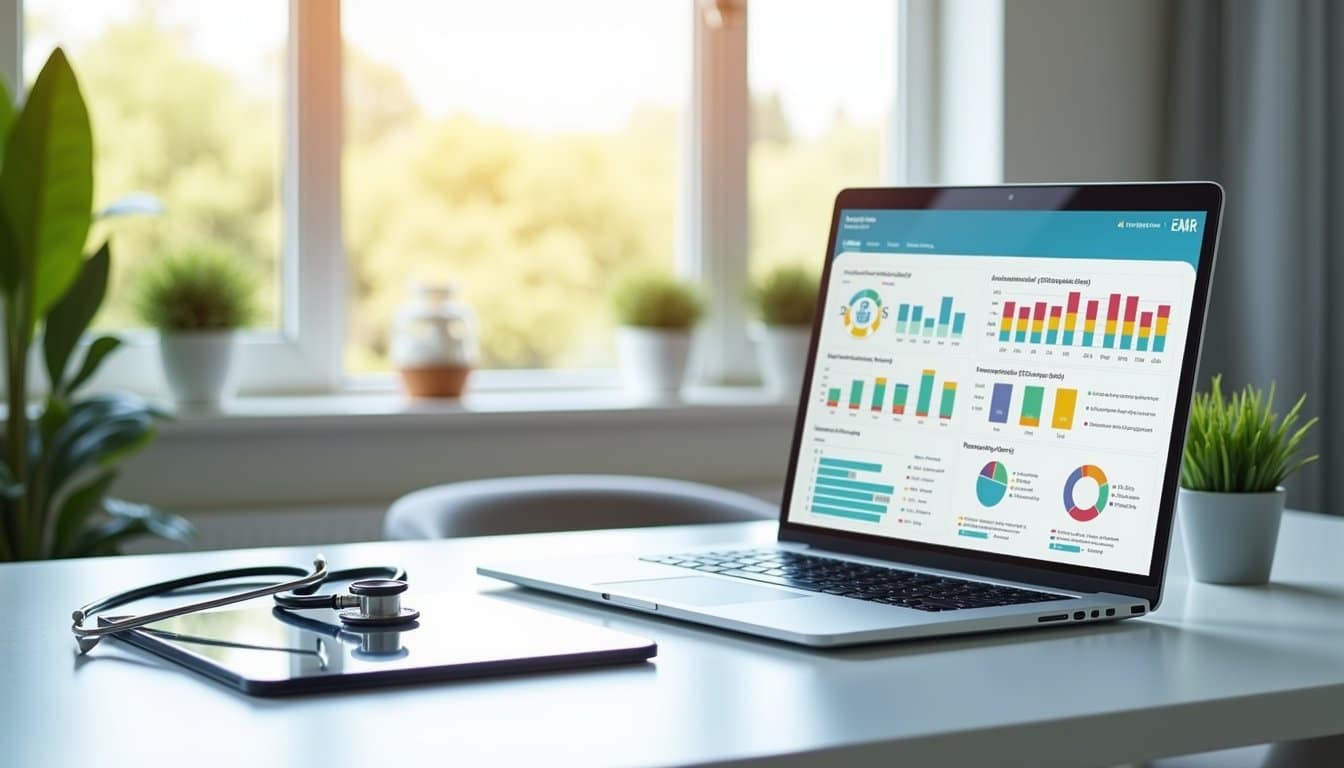
Integrated care systems demonstrate remarkable potential for building sustainable recovery pathways, with data showing a 19% reduction in hospital admissions compared to traditional approaches. You’ll find these integrated services particularly effective in managing chronic conditions like diabetes, where improved HbA1c control validates their impact.
When you implement sustainable practices through system integration, you’re tapping into a market projected to reach $53.4B by 2032. You’re also supporting rural healthcare stability and expanding access to specialized care in underserved communities. Studies show that quality of care significantly improves when hospitals join integrated systems. Through shared resources and expertise, you’ll achieve streamlined monitoring of chronic conditions while reducing long-term healthcare costs. Research indicates that operating costs decreased by 2.5% per adjusted admission in acquired hospitals. The real-time data access and EHR integration enable proactive care management, helping you prevent complications and reduce readmissions across diverse patient populations. The adoption of web and cloud-based systems has become increasingly prevalent, offering healthcare providers enhanced flexibility and accessibility in patient care delivery.
Frequently Asked Questions
How Do Outpatient Programs Handle Medical Emergencies During Treatment Sessions?
You’ll find that outpatient facilities maintain strict emergency protocols to guarantee patient safety during treatment sessions. When emergencies occur, staff immediately assess essential signs, initiate appropriate interventions, and activate emergency response systems if needed. They’ll stabilize patients using predetermined protocols, provide necessary immediate care, and coordinate emergency transport if required. Staff members regularly train on these procedures to maintain quick, efficient responses to any medical crisis.
What Personal Items Should Patients Bring to Outpatient Therapy Sessions?
When attending outpatient therapy sessions, you’ll need to bring essential personal items to guarantee productive sessions. Pack therapy essentials like a journal and writing materials for note-taking, comfortable clothing that allows movement, and appropriate footwear. Don’t forget your prescribed medications, a water bottle, and any specific tools your therapist has recommended. Consider bringing comfort items like stress balls or fidget tools to help you stay focused during sessions.
Can Patients Switch Between Different Therapists Within the Same Outpatient Program?
Yes, you can switch therapists within your outpatient program. Start by discussing your concerns with your current therapist and program coordinator to explore your therapist preferences. The program will help facilitate the change while maintaining session continuity. You’ll need to complete some paperwork, but there’s typically no additional cost. The switch process usually involves a handover period where both therapists coordinate to guarantee your treatment stays on track.
Are Outpatient Facilities Required to Provide Transportation Services for Patients?
No, outpatient facilities aren’t universally required to provide transportation services for patients. However, if you’re a Medicaid recipient, your state must guarantee transportation access through specific programs. While facilities can offer transportation options under OIG safe harbor guidelines, it’s optional rather than mandatory. You’ll find that patient accessibility varies by facility, state policies, and your insurance coverage. Some facilities choose to provide these services voluntarily to improve access to care.
How Are Medication Changes Managed When Patients Live Far From Treatment Centers?
When you live far from treatment centers, you’ll often rely on telehealth consultations to manage medication changes. Your healthcare team can monitor your medication adherence through virtual platforms, enabling remote supervision and dose adjustments. You’ll connect with prescribers and pharmacists through coordinated telehealth services, while peer counselors may provide additional support. In rural areas, you might also access mobile units or partner pharmacies to maintain consistent medication management despite geographic barriers.