When you use cocaine, it blocks norepinephrine reuptake at sympathetic nerve terminals, causing your iris dilator muscle to overstimulate. Your pupils rapidly expand from a normal 3, 5 mm to 6, 8 mm, sometimes reaching 9 mm, creating the characteristic “cocaine eyes” with barely visible iris color. This dose-dependent mydriasis triggers photophobia, blurred vision, and erratic eye movements. The dilation typically lasts 30 minutes to several hours, but the full scope of ocular damage goes much deeper.
What Cocaine Eyes and Dilated Pupils Look Like
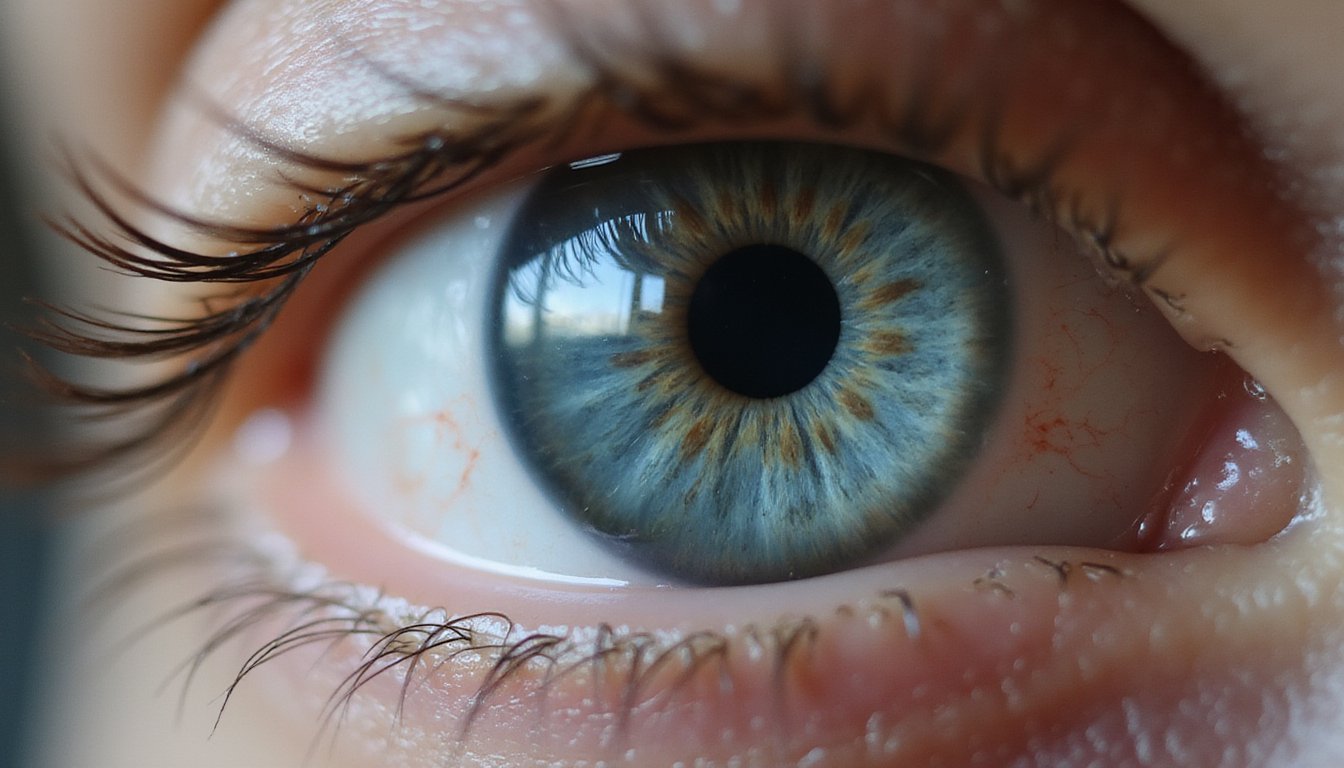
When cocaine enters the bloodstream, its dual pharmacological action, blocking norepinephrine reuptake at sympathetic nerve terminals while simultaneously inhibiting parasympathetic constrictor tone through sodium channel blockade, drives pupil diameter from a normal 3, 5 mm to 6, 8 mm, sometimes approaching the anatomical maximum of 9 mm. This pronounced mydriasis creates the characteristic “cocaine eyes”, enlarged black pupils that dominate the iris, leaving minimal visible color. In many cases, the pupils become so large that the colored part of the eye is barely visible, making the dilation immediately noticeable to others.
You’ll notice pupil dilation produces immediate light sensitivity. This photophobia drives observable behaviors: squinting, avoiding bright environments, or wearing sunglasses indoors. The eyes appear bloodshot from vascular irritation, compounding the dilated appearance. Erratic eye movements, lid retraction, and blurred focus accompany these changes. Unlike opioid-induced pinpoint pupils, cocaine sustains wide dilation throughout active intoxication, creating an unmistakable clinical presentation. However, it’s important to recognize that assumptions about drug use based solely on pupil size can be misleading, since various medical conditions, medications, and environmental factors can also cause significant pupil dilation. The drug also disrupts natural tear production, which can leave the eyes feeling gritty, tired, and sore, further adding to the visible distress of cocaine-affected eyes.
Why Cocaine Makes Your Pupils Dilate
Behind that dramatic visual transformation lies a precise pharmacological sequence rooted in cocaine’s interaction with the sympathetic nervous system. When cocaine use occurs, the drug blocks norepinephrine reuptake at presynaptic terminals innervating the iris dilator muscle. This blockade increases norepinephrine concentrations at alpha-1 adrenergic receptors, directly stimulating muscle contraction and producing dilated pupils.
This eye dilation response reflects broader sympathetic nervous system activation, the same fight or flight response that accelerates heart rate and elevates blood pressure. Cocaine simultaneously inhibits dopamine reuptake, amplifying stimulant drug effects across catecholamine pathways.
The result is dose-dependent mydriasis, with pupils expanding from a normal 3, 5 mm to 6, 8 mm depending on concentration and route of administration. Higher doses can induce cycloplegia, paralyzing the eye’s focusing mechanism entirely.
Bloodshot Eyes, Light Sensitivity, and Blurred Vision

Beyond pupil dilation, cocaine triggers vasoconstriction that starves your eye’s surface tissues of oxygen, producing the bloodshot appearance you’ll notice within minutes of use. Your dilated pupils simultaneously allow excessive light onto the retina, causing photosensitivity that compounds the visual discomfort. Cocaine’s paralysis of the ciliary muscle, cycloplegia, further disrupts your ability to focus, resulting in blurred vision that persists alongside these other ocular effects.
Beyond pupil dilation, cocaine triggers vasoconstriction that starves your eye’s surface tissues of oxygen, producing the bloodshot appearance you’ll notice within minutes of use. Your dilated pupils simultaneously allow excessive light onto the retina, causing photosensitivity that compounds the visual discomfort. Cocaine’s paralysis of the ciliary muscle, cycloplegia, further disrupts your ability to focus, resulting in blurred vision that persists alongside these other ocular effects, answering the question does cocaine dilate pupils and how it affects vision beyond just size changes.
Bloodshot Eyes After Use
Although dilated pupils represent cocaine’s most recognized ocular effect, bloodshot eyes occur just as frequently and signal a distinct vascular mechanism driven by the same sympathomimetic cascade. Cocaine-induced vasoconstriction restricts blood flow to scleral vessels, and reduced oxygen delivery causes compensatory vessel dilation that produces visible eye irritation and redness.
The stimulant effects compound this process through several pathways:
- Heightened heart rate and blood pressure inflame delicate conjunctival vessels, intensifying the bloodshot eyes appearance
- Suppressed blinking during use dries the ocular surface, worsening scleral redness
- Contaminants and adulterants amplify vascular irritation beyond cocaine’s direct pharmacological action
Repeated episodes of vasoconstriction produce chronic redness that persists between use sessions. You’ll notice redness lasting hours to days depending on dose, purity, and individual vascular health.
Light Sensitivity and Blur
How does cocaine transform ordinary room lighting into a source of genuine discomfort? During cocaine intoxication, norepinephrine accumulation forces sustained pupil dilation, severely compromising your pupil response to light. This neurological stimulation simultaneously triggers cycloplegia, paralyzing your ciliary muscle and eliminating near-focus capability. The aftermath can vary significantly depending on the substance involved. For instance, the effects of cocaine vs alcohol hangover present distinct challenges for recovery, with alcohol often leading to dehydration and fatigue, while cocaine can result in heightened irritability and prolonged sensations of discomfort.
Central nervous system excitation amplifies visual cortex processing, intensifying how you perceive brightness and color. Vasoconstriction reduces ocular blood flow, compounding these stimulant related eye changes with oxygen deprivation to delicate retinal tissues. You’ll experience squinting, disorientation, and difficulty focusing as your eyes lose regulatory control.
The substance use effects on eyes extend beyond temporary photophobia. Blurred and double vision develop from sustained muscular strain and compromised circulation. Sleep deprivation and corneal dryness worsen symptoms progressively, while repeated vascular stress elevates glaucoma risk and threatens lasting optic nerve damage.
How Long Cocaine Pupils Last After Use
Your pupils begin dilating within seconds of inhaling cocaine or within 3 to 5 minutes of intranasal use, with the mydriatic effect’s duration directly scaling with dosage, higher doses prolong both the norepinephrine reuptake blockade and ciliary muscle paralysis that sustain dilation. A single moderate dose typically produces pupil dilation lasting 30 minutes to 2 hours, while larger or repeated doses can extend mydriasis for 4 to 6 hours as hepatic metabolism of cocaine to inactive benzoylecgonine takes longer to clear raised plasma concentrations. If you’re a chronic user, receptor downregulation and cumulative sleep deprivation compound these effects, often prolonging abnormal pupillary responses and light sensitivity well beyond the acute intoxication window.
Immediate Post-Use Dilation
Nearly every instance of cocaine use triggers measurable pupil dilation within minutes, but the duration of this mydriasis depends directly on the drug’s pharmacokinetic profile and route of administration. As a central nervous system stimulant, cocaine produces rapid norepinephrine increase and dopamine increase at synaptic junctions, driving adrenergic stimulation of the dilator pupillae muscle. The effects of alcohol on cocaine duration can complicate the overall physiological response to these substances. Alcohol may alter the metabolism of cocaine, potentially leading to prolonged effects and increased toxicity.
Drug induced mydriasis onset varies by consumption method:
- Intranasal use: Dilation appears within 3, 5 minutes, persisting 1, 2 hours
- Smoked (freebase/crack): Onset occurs within seconds, resolving in 20, 30 minutes
- Intravenous administration: Near-immediate dilation peaks within 5 minutes, lasting 30, 60 minutes
This sympathetic overactivity produces pupils reaching 6, 8 millimeters. Your pupils remain dilated only while active cocaine circulates, once hepatic metabolism converts it to benzoylecgonine, mydriasis resolves.
Dose-Dependent Duration Variations
The speed at which cocaine-induced mydriasis resolves shifts meaningfully with dose size, and understanding this variation moves the discussion beyond fixed onset-offset timelines into the pharmacokinetic realities that determine how long dilated pupils actually persist after use.
Large single doses amplify catecholamine release, intensifying stimulant intoxication symptoms, including rapid heart rate, tachycardia, heightened blood pressure, and hypertension, while simultaneously extending pupil dilation beyond the standard four-to-six-hour window. Higher concentrations drive stronger sympathetic activation, and repeated dosing within short intervals compounds this effect by preventing norepinephrine clearance between administrations. You’ll experience cumulative neurochemical buildup that blocks normal pupil constriction entirely during binge patterns. At extreme doses, cycloplegia, ciliary muscle paralysis, can develop, prolonging dilation further. Dose-dependent light sensitivity intensification directly correlates with pupil enlargement magnitude, making higher-dose exposure clinically distinguishable from lower-dose presentations.
Chronic Use Prolonged Effects
Chronic cocaine exposure doesn’t simply repeat the acute mydriatic cycle, it fundamentally reshapes how your pupils respond to both the drug and its absence. Persistent norepinephrine reuptake inhibition and serotonin increase drive alpha-1 receptor downregulation, producing sustained mydriasis even between doses. This neuroadaptation signals advancing substance use disorder and escalating cocaine addiction.
Prolonged stimulant drug effects on nervous system integrity include:
- Persistent pupillary dilation lasting beyond the acute 4, 6 hour window due to sympathetic dysregulation
- Retinal vascular occlusive disease from chronic vasoconstriction, risking permanent vision loss
- Exophthalmos and optic neuropathy emerging as cocaine toxicity symptoms in heavy, long-term users
You should recognize these as overdose warning signs requiring immediate clinical intervention, as cumulative autonomic damage becomes increasingly irreversible with continued exposure.
How Cocaine Damages Your Eyes Over Time
Because cocaine’s local anesthetic and sympathomimetic properties act directly on ocular tissues, repeated exposure triggers a cascade of progressive damage that extends well beyond temporary pupil dilation. While you may initially experience increased alertness and transient visual changes, chronic use induces blood vessel constriction that progressively compromises ocular blood flow changes critical to retinal and optic nerve health.
Over time, you’ll develop corneal neurotrophic keratitis, retinal artery occlusions, and elevated intraocular pressure predisposing you to glaucoma. Persistent eye strain and ciliary muscle dysfunction impair your focusing ability. Severe agitation during intoxication episodes compounds vascular damage through acute hypertensive spikes. If you experience sudden vision loss, floaters, or ocular pain, seek emergency medical attention immediately, retinal detachment and optic neuropathy represent irreversible endpoints of cocaine-induced ocular deterioration.
When Cocaine Eye Symptoms Need Medical Attention

Although most cocaine-induced ocular effects resolve within one to two days after use, certain symptoms signal acute vascular or neurological emergencies that demand immediate medical evaluation. Sudden vision loss, severe eye pain with blurred vision, or persistent visual disturbances including floaters and flashes may indicate central retinal artery occlusion or ischemic optic neuropathy, conditions with poor recovery prognosis once vascular damage occurs.
You should seek urgent care if you experience:
- Nystagmus or involuntary rapid eye movements suggesting central nervous system overstimulation
- Eye twitching, eyelid tremor, or sustained double vision indicating neuromuscular compromise
- Blurred vision persisting beyond the expected recovery window
Emergency physicians will perform toxicology screening, including blood toxicology panels, to confirm sympathomimetic exposure and differentiate cocaine-induced ocular emergencies from structural neurological causes requiring distinct interventions.
Call Now and Get the Help You Need
Alcohol and cocaine take more than they give, and the people you love feel it before you do. At The Hope Institute, we provide Cocaine Addiction Treatment built on compassion and personalized care to help you heal. Call (855) 659-2310 now and let us walk this journey with you.
Frequently Asked Questions
Can Cocaine-Dilated Pupils Still React to Light Unlike Other Drug-Caused Dilation?
Yes, your cocaine-dilated pupils still react to light, though they’ll constrict more sluggishly than normal. Because cocaine works through peripheral sympathomimetic mechanisms rather than disrupting your pupillary light reflex arc, parasympathetic override remains intact. This distinguishes cocaine-induced mydriasis from anticholinergic agents like atropine, which produce fixed, non-reactive dilation. Clinicians use this preserved, albeit slowed, light reactivity as a key bedside finding to differentiate sympathomimetic toxidrome from neurological emergencies or anticholinergic toxicity.
Does the Method of Cocaine Use Affect How Quickly Pupils Dilate?
Yes, the method you use directly affects how quickly your pupils dilate. When you smoke crack cocaine, mydriasis appears within seconds as plasma concentrations peak in under five minutes. Intravenous injection triggers dilation within one to two minutes. Intranasal insufflation produces the slowest onset, with noticeable mydriasis developing within three to five minutes and peaking at 30 to 60 minutes as norepinephrine accumulates at the dilator pupillae’s alpha-1 adrenergic receptors.
Can Doctors Distinguish Cocaine Pupil Dilation From Neurological Emergency Pupil Dilation?
Yes, doctors can distinguish between the two. Your cocaine-dilated pupils retain sluggish but preserved light reactivity because cocaine acts peripherally on norepinephrine reuptake, not on the brainstem reflex arc. Neurological emergencies like third nerve palsy or brainstem herniation produce fixed, non-reactive pupils, often unilaterally. Clinicians also assess for accompanying sympathomimetic signs, tachycardia, hypertension, and agitation, which collectively confirm toxicological rather than structural neurological causes before lab results arrive.
Does Chronic Cocaine Use Cause Tolerance to the Pupil Dilation Effect?
Yes, chronic cocaine use does produce tolerance to pupil dilation. Repeated sympathetic overstimulation causes your alpha-1 adrenergic receptors in the dilator pupillae to downregulate through receptor internalization and reduced synthesis. This desensitization mirrors the tolerance you’d develop to cocaine’s central nervous system effects. Over time, you’ll notice diminished mydriatic responses to equivalent doses, meaning your pupils won’t dilate as dramatically as they did during early use episodes.
Can Pupil Dilation Confirm Active Cocaine Use Versus Past Cocaine Exposure?
Pupil dilation only confirms active cocaine intoxication, not past exposure. Your pupils dilate while cocaine circulates in your bloodstream and return to normal once hepatic enzymes metabolize it to benzoylecgonine, which is pharmacologically inactive. You can’t distinguish prior use from dilation alone, urinary metabolite testing detects benzoylecgonine for 3, 4 days post-use. Dilation paired with tachycardia and hypertension strengthens clinical suspicion of current sympathomimetic toxicity.