The L484 pill is a white, oval-shaped tablet containing 500 mg of acetaminophen, used to treat headaches, muscle aches, fever, and menstrual cramps. You can take 500-1000 mg every 4-6 hours, but don’t exceed 4,000 mg daily to prevent liver damage. Common side effects include nausea, dizziness, and headache, while severe reactions like jaundice require immediate medical attention. Below, you’ll find detailed dosage guidelines and safety comparisons with ibuprofen.
What Is the L484 Pill and What’s Inside It?
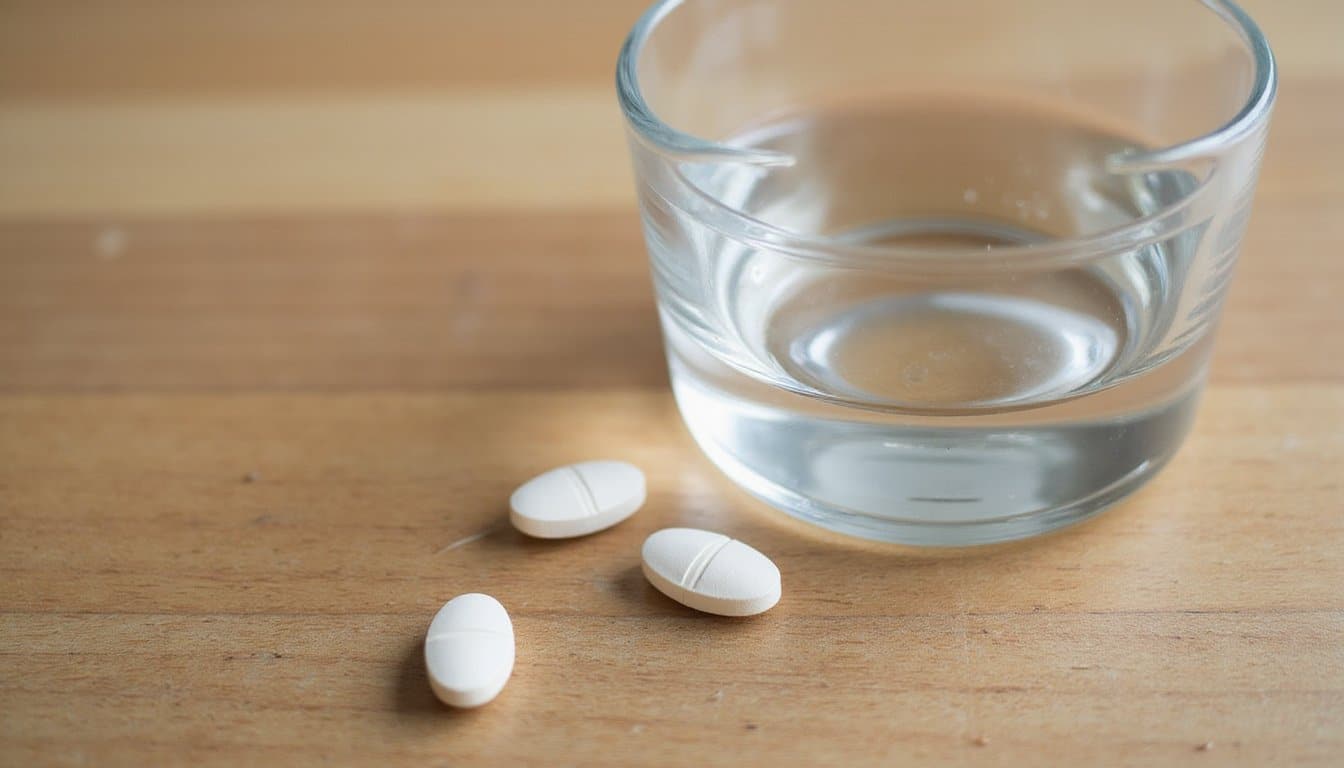
The L484 pill is a white, oval-shaped tablet containing 500 mg of acetaminophen, the same active ingredient found in Tylenol. This over-the-counter medication works as a pain reliever and fever reduction aid by blocking pain signals in your brain. You’ll find the “L484” imprint on one side, which helps you verify the medication’s authenticity. This medication is available in both generic and brand-name formats.
Unlike opioid-based medications, this white oval pill doesn’t contain narcotics or addictive substances. The inactive ingredients include carnauba wax, corn starch, and polyethylene glycol. Acetaminophen is generally considered safe and carries a lower risk of addiction compared to opioid painkillers. When you follow proper dosage guidelines, you’ll minimize your risk of side effects and liver damage. However, exceeding the recommended amount can lead to serious complications, making it essential to track your total acetaminophen intake from all sources. Adults should not exceed 4000mg per day to avoid potentially dangerous liver toxicity.
What Can You Use L484 Pills For?
Many common ailments respond well to L484 pills, making this 500mg acetaminophen tablet a versatile option in your medicine cabinet. This pain reliever pill functions as both an analgesic and antipyretic, addressing discomfort while reducing fever.
The L484 white pill effectively treats:
- Headaches and muscle aches, You’ll find relief from tension headaches, migrages, and general muscle strain with this OTC medication.
- Menstrual cramps, The 500mg dose provides targeted relief for monthly discomfort without stomach irritation.
- Fever and cold symptoms, As an antipyretic, it regulates body temperature during illness.
- Toothaches and flu-related pain, This medication also addresses dental discomfort and body aches associated with colds or the flu.
You can identify this tablet by its distinctive pill imprint “L484” on the oval surface, with the other side blank for easy recognition. Unlike NSAIDs, this OTC medication won’t irritate your stomach lining, making it suitable for those with gastrointestinal sensitivities. As a non-opioid pain reliever, it does not carry the risk of addiction that comes with stronger medications.
L484 Dosage Guide by Age and Weight
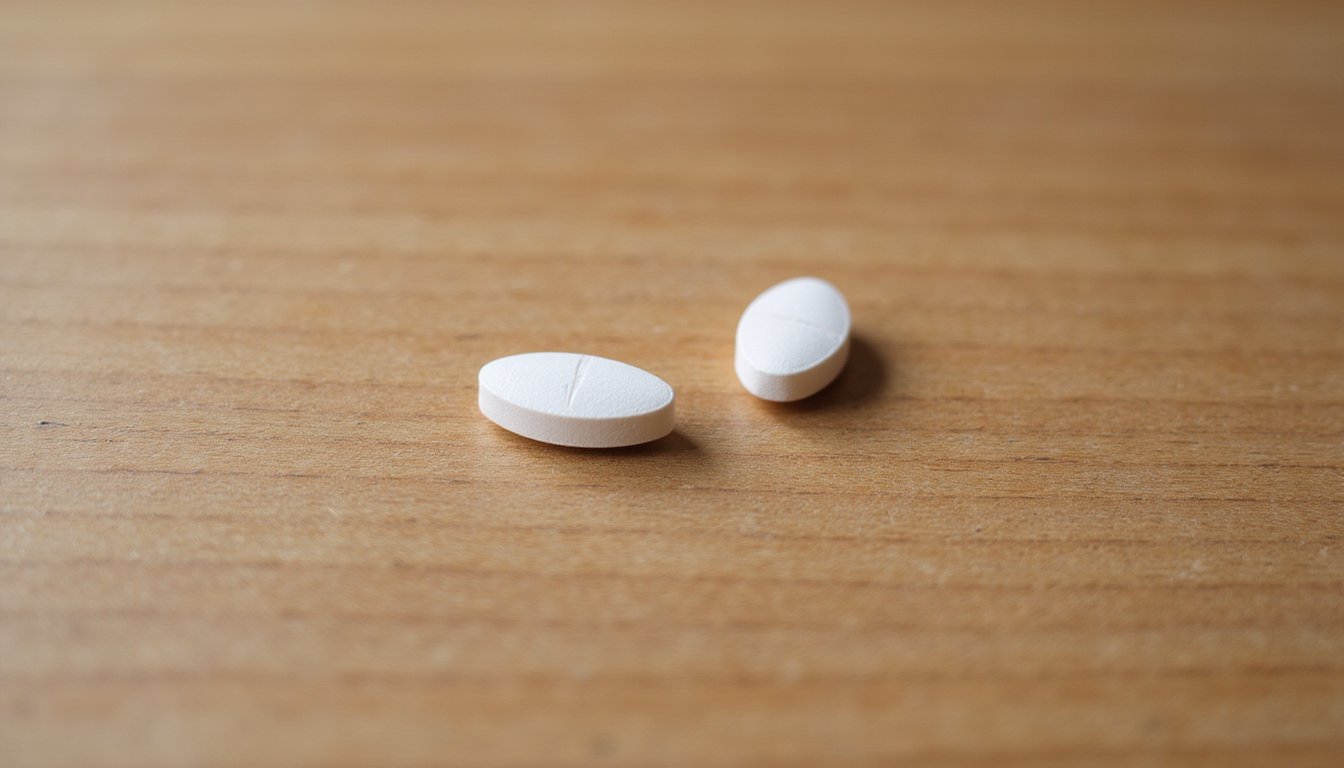
Because acetaminophen dosing requires precision to maximize effectiveness while preventing liver toxicity, you’ll need to follow specific guidelines based on age and weight when taking L484 pills.
| Age Group | Recommended Dose | Maximum Daily Limit |
|---|---|---|
| Adults | 500-1000 mg every 4-6 hours | 4000 mg |
| Children 12+ | 500-1000 mg every 4-6 hours | 3000 mg |
| Children under 12 | Use pediatric formulations | Consult provider |
The white L484 pill isn’t appropriate for children under 12 due to its strength. Always check your medication label for dosage instructions and review your medical history before use. If you have underlying conditions affecting liver function, consultation with your healthcare provider is essential to determine safe dosing parameters. Unlike opioid medications, acetaminophen does not cause addiction or produce narcotic effects, making it a safer option for regular pain management. For easier administration, chewable and effervescent tablets are available as alternatives for those who have difficulty swallowing pills.
L484 Side Effects and Liver Damage Risks
While the L484 pill is generally safe at recommended doses, you should be aware of common side effects and the serious risk of liver damage associated with acetaminophen misuse. Exceeding the maximum daily limit of 4,000 mg can overwhelm your liver’s metabolic capacity, leading to toxic accumulation that may progress to acute liver failure, the leading cause of which in the United States is acetaminophen overdose. Protecting your liver requires strict adherence to dosing guidelines and awareness of hidden acetaminophen in combination medications you may already be taking. Additionally, alcohol use disorder combined with L484 use significantly increases the risk of liver toxicity. Common side effects to watch for include stomach pain, nausea, loss of appetite, and dizziness, which may indicate your body is reacting negatively to the medication. Overdose symptoms such as confusion and jaundice require immediate medical attention, as they may signal serious liver damage has already occurred.
Common Side Effects
Although the L484 pill is generally well-tolerated when taken as directed, it can produce several side effects ranging from mild to severe.
Mild to Moderate Reactions
You may experience these common symptoms:
- Gastrointestinal effects, nausea, stomach discomfort, and vomiting occur most frequently
- Neurological symptoms, headache, dizziness, and fatigue affect some users
- Allergic responses, rash and itching indicate sensitivity to acetaminophen
Warning Signs Requiring Immediate Attention
If you notice swelling of your face, tongue, or throat, seek emergency care immediately. Jaundice, characterized by yellowing of your skin or eyes, signals potential liver damage and demands prompt medical evaluation. Dark urine and unusual fatigue are additional symptoms that may indicate potential liver problems. Using the L484 pill for more than 10 consecutive days without medical advice significantly increases your risk of liver damage. In rare cases, severe reactions such as peeling or blistering skin may occur and require immediate medical intervention.
Don’t ignore persistent or worsening symptoms. Contact your healthcare provider if side effects intensify or interfere with daily activities.
Liver Damage Prevention
Your liver processes every dose of acetaminophen you take, making dosage awareness your primary defense against toxicity. Never exceed 4000 mg daily, as surpassing this threshold risks severe liver damage within 24 hours. If you consume alcohol regularly, limit intake to 2000 mg daily since alcohol interaction considerably burdens liver metabolism.
Watch for overdose symptoms including jaundice, dark urine, severe abdominal pain, and mental confusion, these signal liver toxicity requiring immediate medical attention. Drug interactions pose hidden dangers; check all cold and flu remedies for acetaminophen content to prevent accidental acetaminophen overdose. Acetaminophen overdose is a leading cause of acute liver failure in the United States, underscoring the importance of careful monitoring. Research shows that 40 percent of unintentional overdose cases involved taking two or more acetaminophen-containing products simultaneously.
If you have liver disease or impaired liver function, consult your healthcare provider before use. Early intervention with N-acetylcysteine antidote can prevent progression from liver damage to liver failure when overdose occurs.
Who Should Not Take L484 Pills?
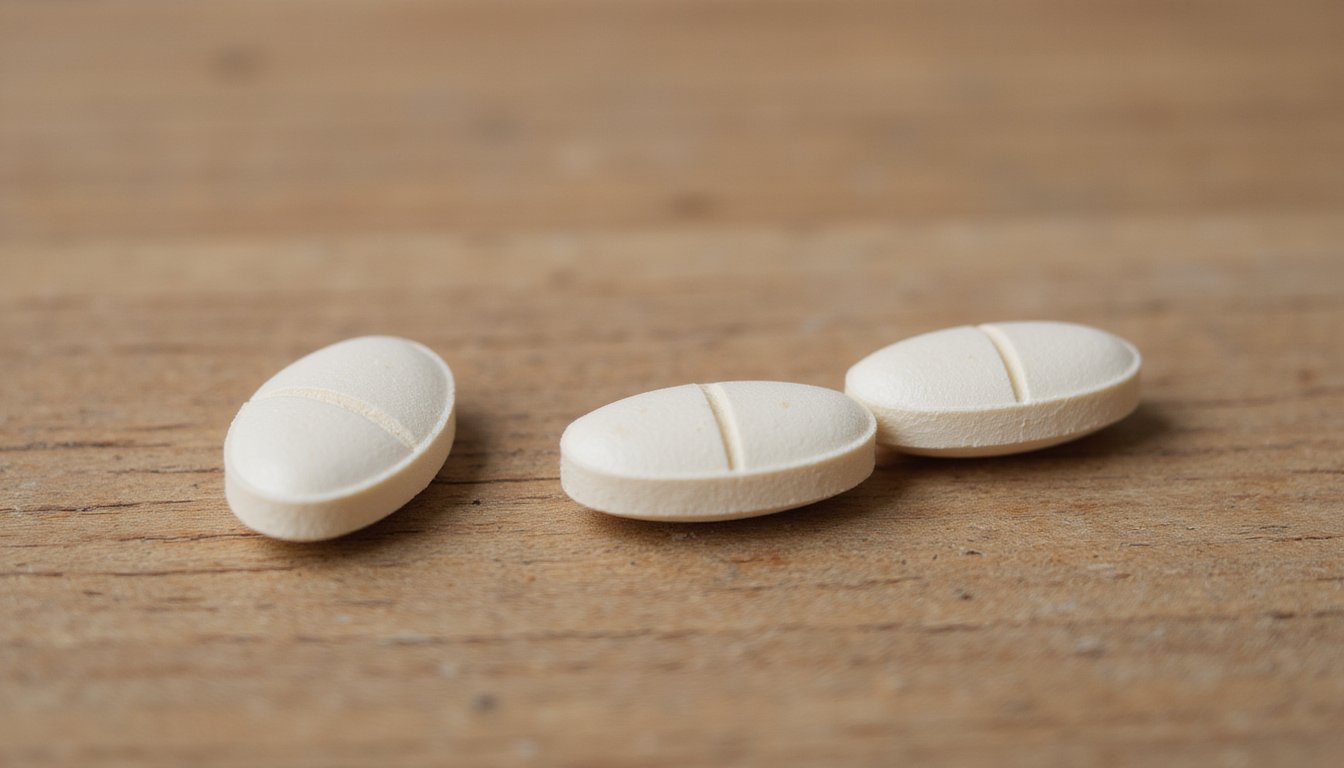
Certain individuals should avoid taking L484 pills altogether due to increased risk of serious complications. If you have liver disease, your liver’s detoxification capacity is already compromised, making liver toxicity and liver failure more likely even at standard doses.
You shouldn’t take L484 pills if you’re among these groups:
- Liver disease patients and alcohol consumers, Your liver can’t process acetaminophen safely, increasing liver failure risk extensively.
- Children under 12, Dosage guidelines don’t exist for this age group; use child-specific medications instead.
- Concurrent medication users, Blood thinners, other acetaminophen products, and certain prescriptions create dangerous interactions.
If you’ve experienced allergic reactions, severe skin reactions, or anaphylaxis from acetaminophen, avoid L484 pills entirely and seek alternative pain relief options.
L484 vs. Ibuprofen: Which Pain Reliever Should You Choose?
When choosing between L484 (acetaminophen) and ibuprofen, you’ll find each medication excels in different situations based on your specific type of pain. Ibuprofen works faster at 20-30 minutes versus up to an hour for acetaminophen, and a 2015 review shows it’s more effective for acute pain, migraines, and inflammatory conditions like arthritis. However, acetaminophen offers a gentler safety profile for your stomach, making it the better first-line choice if you’re prone to heartburn, ulcers, or gastrointestinal issues.
Pain Relief Differences
Two distinct mechanisms separate L484 (acetaminophen) from ibuprofen, and understanding these differences helps you select the right medication for your specific pain type. The acetaminophen tablet works centrally in your brain to block pain signals and reduce fever, while ibuprofen targets inflammation throughout your body.
Your pain relief choice depends on these key factors:
- Inflammatory conditions: Ibuprofen effectively treats arthritis, sprains, and infections with swelling, conditions where L484 provides limited benefit.
- Non-inflammatory pain: Tylenol (paracetamol) works best for headaches, fever, and general aches entering your bloodstream without stomach irritation.
- Safety considerations: Alcohol use increases liver damage risk with acetaminophen; consult your healthcare provider about overdose prevention and proper dosing.
Both medications offer effective pain management when matched appropriately to your condition.
Safety Profile Comparison
Weighing up the safety profiles of L484 and ibuprofen reveals distinct risk patterns you’ll need to evaluate before selecting either medication. L484’s primary drug safety concern involves liver toxicity, especially when you exceed 4,000 mg daily or combine acetaminophen with alcohol. Overdose can trigger liver failure even from chronic use at slightly raised doses.
Ibuprofen presents different gastrointestinal effects, including stomach ulcers and bleeding risks that intensify with prolonged use. Its anti-inflammatory properties make it preferable for swelling, though this benefit comes with kidney and cardiovascular concerns.
Both medications carry significant drug interactions, L484 with blood thinners and other acetaminophen products, ibuprofen with NSAIDs. Special population precautions apply: avoid L484 if you have liver disease, and use ibuprofen cautiously with kidney or heart conditions.
Recovery Is Always Possible
Prescription drug addiction can take hold faster than expected, but recovery is always possible. At The Hope Institute, we are dedicated to helping you heal through effective Prescription Drug Addiction Treatment and a flexible Intensive Outpatient Program (IOP) built around your unique journey. Call (855) 659-2310 today and begin moving toward a healthier, stronger life.
Frequently Asked Questions
How Long Does the L484 Pill Stay in Your System?
The L484 pill typically stays in your system for about 24 hours after a single 500mg dose. Your body reaches peak plasma concentration within 0.5-2 hours, with a half-life of 2-3 hours in healthy adults. Urine tests can detect acetaminophen for 1-4 days, while blood tests show it for 12-24 hours. If you have impaired liver function, clearance extends extensively, with half-life increasing to 5-8 hours.
Can You Take L484 Pills While Pregnant or Breastfeeding?
You can take L484 pills during pregnancy and breastfeeding, as acetaminophen remains the safest pain reliever option for both. ACOG, SMFM, and AAP recommend it for pain and fever throughout pregnancy. Use the lowest effective dose for the shortest duration, don’t exceed 4,000 mg daily. Small amounts pass into breast milk but pose no significant risks. Always consult your healthcare provider before use, especially if you have liver or kidney disease.
Is It Safe to Drink Alcohol While Taking L484 Pills?
You shouldn’t drink alcohol while taking L484 pills. Alcohol greatly increases your risk of liver damage because it activates enzymes that convert acetaminophen into toxic compounds while depleting your liver’s protective glutathione stores. Even moderate drinking combined with therapeutic doses can cause hepatotoxicity. The FDA specifically warns against this combination. If you must drink, wait at least 24 hours after your last dose and consult your healthcare provider.
Can You Become Dependent on L484 Pills Over Time?
You won’t develop physical dependence on L484 pills because acetaminophen doesn’t affect opioid receptors or trigger addiction pathways in your brain. However, you can develop psychological reliance on pain relief if you use the medication regularly beyond recommended periods. You shouldn’t exceed four doses daily or use L484 for more than 10 days without consulting your healthcare provider, as prolonged use increases liver damage risk rather than dependency.
What Should You Do if You Accidentally Overdose on L484?
If you accidentally overdose on L484 pills, call poison control immediately at 800-222-1222 or seek emergency medical care right away. Don’t wait for symptoms to appear, they can take up to 24 hours to develop. Tell medical professionals exactly how many pills you took and when. Early treatment is critical, as delayed care increases your risk of permanent liver damage or failure. Stop taking any additional acetaminophen products immediately.