Alcohol ages your skin through three primary mechanisms: dehydration, collagen degradation, and oxidative damage. When you drink, alcohol suppresses vasopressin, causing your kidneys to flush out moisture and leaving your complexion dull and less elastic. Simultaneously, oxidative stress fragments collagen fibers while elevated cortisol accelerates their breakdown. Your skin’s antioxidant defenses become depleted, making you more vulnerable to sun damage and premature aging. Understanding each pathway reveals specific strategies for protecting your skin.
The Diuretic Effect: How Alcohol Drains Moisture From Your Skin
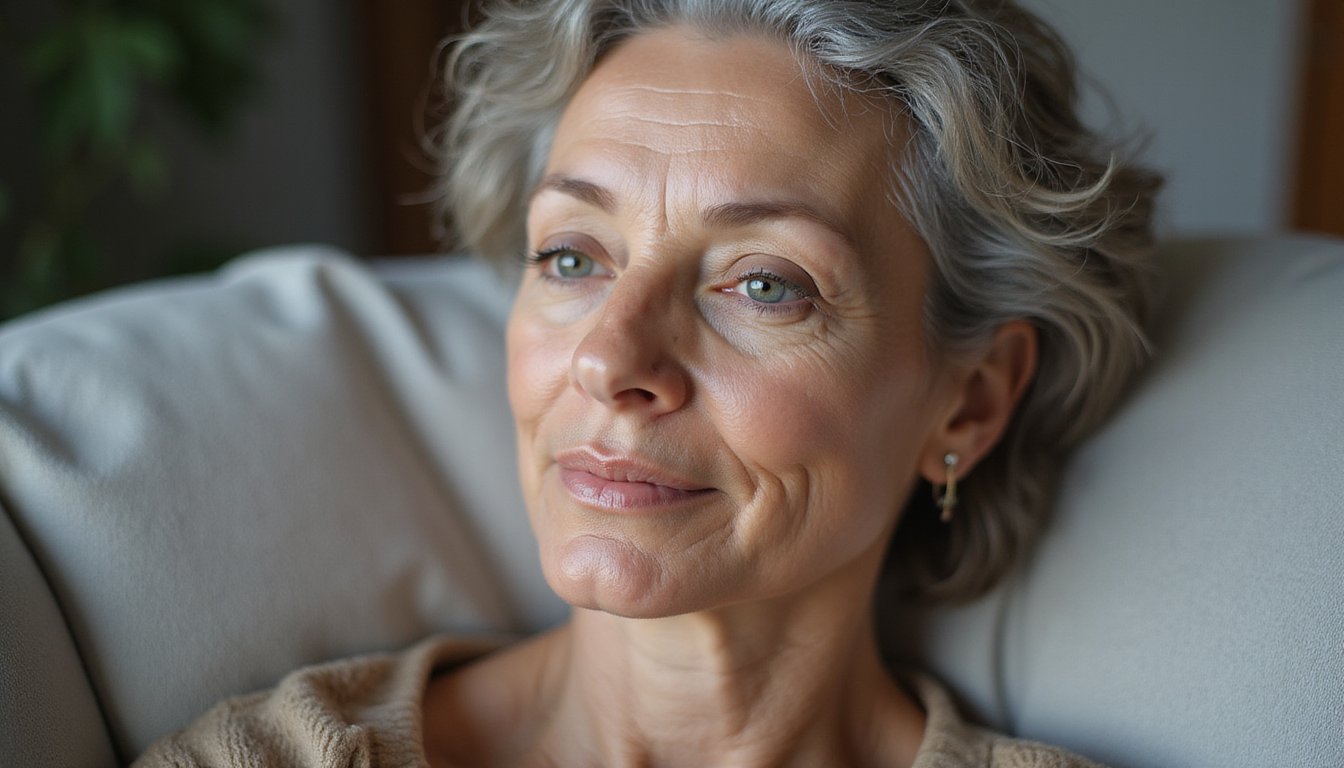
This skin dehydration manifests visibly, your complexion becomes dull, rough, and less elastic. Without adequate moisture, fine lines appear more pronounced and skin loses its plump appearance. Chronic drinking compounds these effects, stripping your skin’s hydration reserves and accelerating the aging process. Alcohol suppresses vasopressin release from your pituitary gland, causing your kidneys to release more water and throwing off your body’s essential fluid balance. This disruption also impairs nutrient absorption of vitamins and minerals essential for maintaining healthy, resilient skin.
Collagen Under Attack: Why Your Skin Loses Its Structural Support
While dehydration strips moisture from your skin’s surface, alcohol simultaneously wages a deeper assault on collagen, the structural protein that keeps your complexion firm and resilient. Research confirms alcohol destroys collagen through multiple pathways: oxidative stress generates reactive oxygen species that fragment collagen fibers, while elevated cortisol accelerates breakdown. Alcohol collagen damage compounds when glycation occurs, sugars attach to proteins, forming advanced glycation end products that stiffen and degrade your skin’s framework.
| Mechanism | Skin Impact |
|---|---|
| Oxidative stress | Collagen fiber fragmentation |
| Nutrient depletion | Impaired collagen synthesis |
| Glycation (AGEs) | Stiffened, weakened proteins |
| Cortisol elevation | Accelerated collagen breakdown |
The connection between alcohol and skin aging intensifies with cumulative exposure, progressively reducing elasticity and promoting visible sagging. Even moderate drinkers can suffer from these damaging effects on their skin’s structural integrity over time. Beyond collagen breakdown, this damage also affects elastin fibers, further decreasing skin firmness and contributing to the loss of your skin’s natural bounce and resilience.
Inflammation and Facial Redness: The Visible Signs of Alcohol Damage
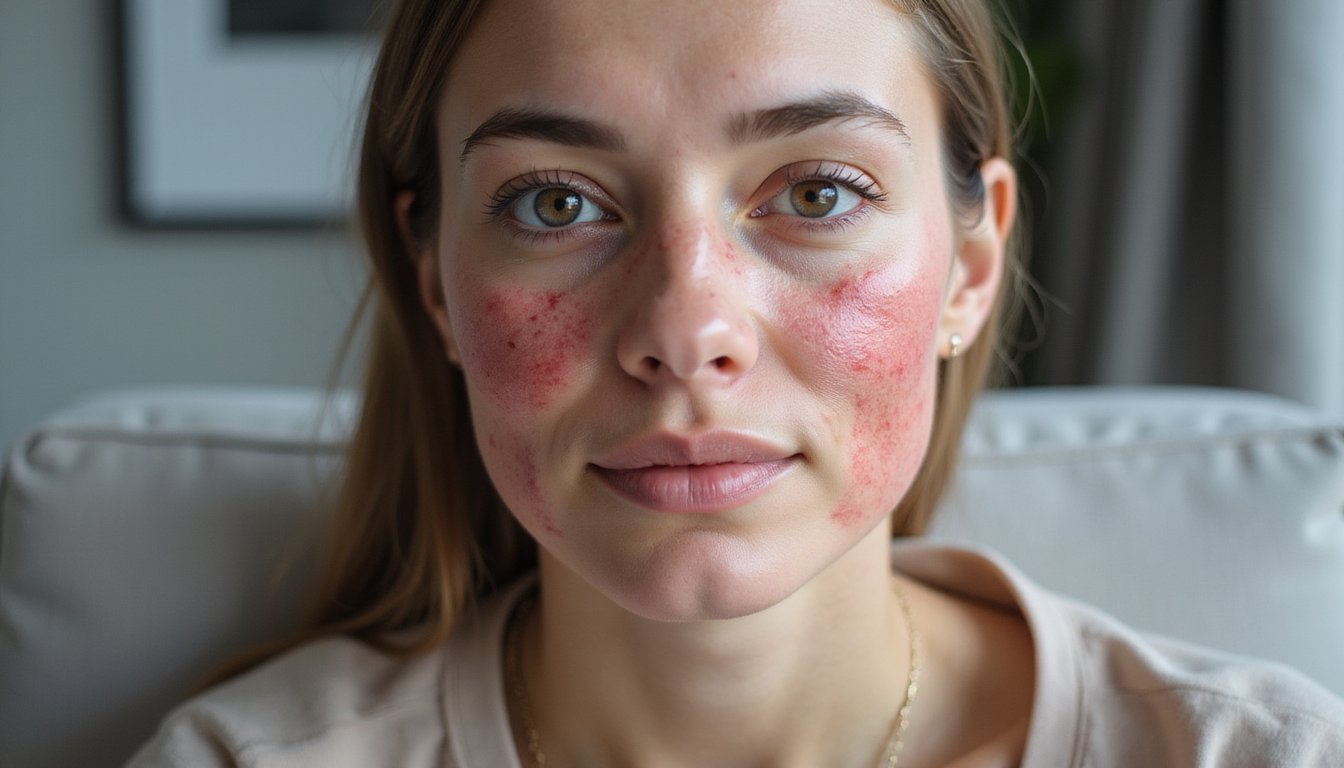
Beyond collagen degradation, alcohol triggers visible inflammatory responses that manifest as persistent facial redness and flushing. When you drink, your body converts ethanol to acetaldehyde, a toxic compound that accumulates and releases inflammatory cytokines. This process directly contributes to alcohol skin damage through swelling and redness.
Alcohol affects skin by causing vasodilation, relaxing blood vessel walls and increasing blood flow to your face. If you have ALDH2 enzyme deficiency, affecting approximately 540 million people globally, you’ll experience intensified flushing due to inefficient acetaldehyde breakdown. This genetic condition, commonly known as Asian flush syndrome, can also cause rapid heart rate, nausea, and dizziness alongside the intense facial redness. This enzyme deficiency affects 35-45% of East Asians, making them particularly susceptible to these visible inflammatory reactions.
For those with rosacea, alcohol skin aging accelerates markedly. Seventy percent of rosacea sufferers report alcohol consumption triggers flare-ups. Red wine, beer, and spirits worsen symptoms most severely. Even one drink can provoke vasomotor instability, turning temporary flushing into chronic redness with repeated exposure.
Broken Capillaries and Permanent Blood Vessel Changes
Because alcohol repeatedly triggers vasodilation, your capillary walls endure cumulative stress that eventually causes irreversible structural damage. When you drink, acetaldehyde stimulates histamine release, dilating vessels and bringing blood closer to your skin’s surface. This explains how alcohol affects skin appearance through persistent flushing that can last days.
Every drink forces your blood vessels to stretch, and over time, that repeated stress becomes permanent damage.
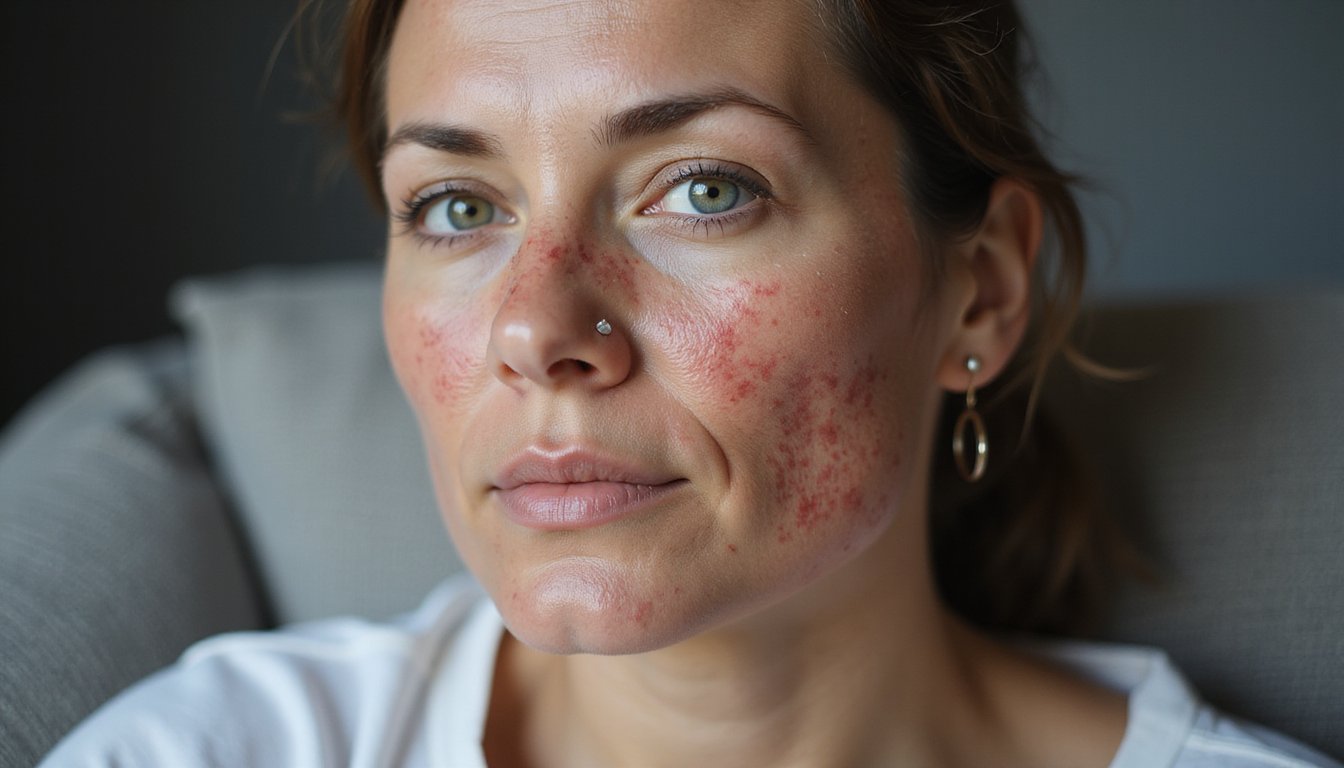
Chronic consumption weakens vessel walls, making them prone to rupture. Once broken, these capillaries form visible spider veins, particularly around your nose and cheeks, that won’t heal naturally. Laser technology is the most effective solution for treating these red spider veins once they’ve developed.
Key factors determining vessel damage:
- Heavy drinking directly increases breakage risk by repeatedly stretching capillary walls
- Alcohol worsens rosacea, accelerating telangiectasia formation
- Sun exposure combined with drinking multiplies your vulnerability
- Inflammation from alcohol enlarges pores and creates fine lines, compounding the visible damage
Does alcohol age your skin permanently? Yes, does alcohol affect collagen and vessels alike, creating lasting visible damage.
Your Skin’s Antioxidant Defense System Under Siege
When you drink alcohol, your skin’s protective antioxidant network takes a direct hit, carotenoid concentrations drop considerably, leaving cells vulnerable to oxidative damage. This depletion accelerates free radical activity, overwhelming your skin’s ability to neutralize reactive oxygen species generated during alcohol metabolism. Without adequate antioxidant defense, your cellular protection breaks down, allowing ROS to damage collagen, elastin, and DNA in skin cells. This progressive cellular damage contributes to accelerated cutaneous aging, manifesting as xerosis, erythema, and premature wrinkle formation. Additionally, alcohol weakens the immune system and impairs nutrient absorption, further compromising your skin’s ability to repair and regenerate effectively.
Carotenoid Depletion Effects
Although you might not feel immediate effects, alcohol begins depleting your skin’s carotenoid levels within just 8 minutes of consumption. These essential antioxidants protect your dermis against reactive oxygen species and UV-induced free radicals. When alcohol diminishes your carotenoid concentrations, your skin loses its primary defense mechanism.
Key consequences of carotenoid depletion:
- Your minimal erythema dose decreases markedly, making you more susceptible to sunburn
- Free radical neutralization becomes impaired, accelerating connective tissue degradation
- Collagen and elastin support diminishes due to vitamin A depletion
Research shows combining alcohol with antioxidant-rich sources like orange juice prevents substantial carotenoid loss. Without supplemental antioxidants, chronic depletion drives premature aging signs including fine wrinkles, brown spots, and rough texture. Your skin’s photoaging accelerates when reduced carotenoids combine with cumulative sun exposure. This degradation of connective tissues leads to loose, sagging skin as inflammation and free radical activity gradually wear down structural support. Epidemiological data confirms this compromised antioxidant defense contributes to increased melanoma and nonmelanoma skin cancer risk among regular alcohol consumers.
Free Radical Acceleration
Free radicals ramp up dramatically the moment alcohol enters your system, launching a multi-pronged attack on your skin’s protective mechanisms. Your liver’s metabolism of alcohol generates reactive oxygen species that quickly overwhelm your natural antioxidant defenses. Cytochrome P450 enzymes, particularly CYP2E1, activate during alcohol processing, producing additional ROS. Simultaneously, alcohol increases free iron levels in your cells, further accelerating radical formation.
These free radicals target the polyunsaturated fatty acids in your skin cell membranes, triggering lipid peroxidation chain reactions. Each damaged lipid molecule generates more radicals, creating a destructive cycle. The resulting membrane degradation compromises cellular integrity, allowing harmful substances to penetrate. This chain reaction exemplifies how free radicals attempt to steal electrons from other molecules, perpetuating cellular damage throughout your skin tissue. Meanwhile, acetaldehyde, alcohol’s primary metabolite, directly interacts with your skin’s proteins and lipids, forming additional radicals that compound oxidative damage. This oxidative assault also disrupts your skin microbiome, further weakening barrier function and amplifying inflammatory responses throughout your skin.
Cellular Protection Breakdown
Your skin’s antioxidant defense system faces systematic dismantling each time alcohol enters your bloodstream. Carotenoid concentrations in your skin plummet, stripping away natural protection against oxidative damage. Vitamin C levels decline, directly impairing your connective tissue synthesis and collagen formation.
Your body’s glutathione system, critical for regenerating vitamin C, becomes disrupted, creating a cascade of antioxidant inefficiency. Meanwhile, chronic alcohol consumption induces CYP2E1 enzyme activity, flooding your cells with superoxide anions and reactive oxygen species that overwhelm remaining defenses. Research confirms that alcohol breaks down the skin’s antioxidant defense system, compounding this cellular vulnerability. Your body’s glutathione system, critical for regenerating vitamin C, becomes disrupted, creating a cascade of antioxidant inefficiency closely tied to alcohol and wrinkles. Meanwhile, chronic alcohol consumption induces CYP2E1 enzyme activity, flooding cells with superoxide anions and other reactive oxygen species that overwhelm remaining defenses. Research confirms that alcohol progressively breaks down the skin’s antioxidant defense system, compounding cellular vulnerability and accelerating visible skin aging.
Key protective mechanisms compromised:
- Endogenous antioxidant reserves depleted faster than replenished
- Mitochondrial electron transport chain generates excessive ROS
- Barrier lipids undergo peroxidation, weakening stratum corneum integrity
This cellular protection breakdown leaves your skin vulnerable to accelerated aging, environmental damage, and impaired repair capacity.
Oxidative Stress and Cellular Aging at the Dermal Level
When your body metabolizes alcohol, it generates reactive oxygen species (ROS) that overwhelm your skin’s endogenous antioxidant defenses. This oxidative stress modifies proteins, lipids, and DNA within your dermal cells, directly damaging collagen and elastin fibers. Acetaldehyde, a toxic byproduct of alcohol metabolism, compounds this destruction by degrading the structural proteins that maintain your skin’s firmness.
Your dermis suffers measurable antioxidant depletion, glutathione levels can drop by 70% in aged skin, while protective compounds like α-tocopherol and ascorbate diminish considerably. This imbalance accelerates biological aging through telomere shortening and drives cellular senescence.
The cumulative effect disrupts normal cellular repair mechanisms, contributing to wrinkle formation, xerosis, and reduced elasticity. Chronic alcohol-induced ROS also trigger persistent inflammation, compromising your skin’s moisture retention and resilience against environmental stressors.
Sebum Overproduction and the Path to Chronic Acne
Beyond oxidative damage, alcohol triggers a separate cascade that fuels chronic acne: sebum overproduction through multiple converging pathways.
Alcohol elevates testosterone and cortisol, directly stimulating your sebaceous glands to enlarge and increase oil secretion. Simultaneously, ethanol activates lipogenesis in sebocytes, studies show lipid production can spike to 2059% at high ethanol concentrations.
Your blood sugar compounds the problem. Alcohol triggers insulin spikes, boosting IGF-1 production, which signals sebaceous glands to generate excess oil.
Key mechanisms driving sebum overproduction:
- Hormonal disruption stimulates enlarged, hyperactive sebaceous glands
- Non-oxidative ethanol metabolism triggers extreme lipogenesis in sebocytes
- Insulin-IGF-1 cascade amplifies oil gland activity
Dehydration worsens everything. As alcohol depletes hydration, your skin compensates by producing more sebum, creating ideal conditions for clogged pores and bacterial proliferation.
The Science Behind Alcohol-Induced Biological Aging
Although the visible signs of alcohol-related skin damage accumulate gradually, the underlying biological mechanisms operate with measurable precision. Research demonstrates a clear dose-response relationship between consumption and aging markers. A genetic study found that increasing intake from 10 to 32 units weekly accelerates biological aging by approximately three years.
Heavy drinking, defined as eight or more drinks per week, correlates with increased upper facial lines, under-eye puffiness, and prominent oral commissures. You’ll also experience midface volume loss from progressive collagen degradation. Oxford researchers confirmed these findings, establishing that heavy consumption accelerates skin aging at the cellular level.
Even moderate drinking contributes to measurable changes, including midface volume loss and periorbital puffiness. Your skin’s aging trajectory directly reflects your consumption patterns, greater intake produces more pronounced deterioration. can alcohol age you is a significant concern among skincare experts. The effects of alcohol on collagen production and skin elasticity can accelerate the signs of aging, making it essential to consider your drinking habits. Understanding these impacts can empower you to make healthier choices for your skin’s longevity.
Facial Feature Changes Linked to Different Drinking Levels
Even light drinking can leave visible marks on your skin, causing temporary facial redness and changes in skin tone due to blood vessel dilation. As consumption increases to heavy levels (eight or more drinks per week), you’ll notice more permanent changes: upper facial lines, under-eye puffiness, midface volume loss, and visible blood vessels on your cheeks become considerably more pronounced. Research confirms these effects are dose-dependent, meaning the more you drink, the more severe the aging signs become.
Light Drinking Visible Effects
When you consume the equivalent of a single glass of wine, your skin responds with measurable color changes that researchers can detect and quantify. Your facial skin becomes redder due to vasodilation, which increases blood perfusion to the surface. Simultaneously, your complexion appears darker as blood flow intensifies beneath the skin’s surface.
These acute changes include:
- Increased redness (higher a* values) with statistical significance (P=0.026)
- Darker skin tone (lower L* values) compared to sober baseline (P=0.018)
- No significant change in skin yellowness (P=0.39)
Interestingly, this mild flushing correlates with higher attractiveness ratings in observers. However, don’t mistake temporary appeal for skin health. Genetically predicted alcohol consumption links causally to facial aging, contributing to wrinkles and midface volume loss even at light intake levels.
Heavy Consumption Aging Signs
Heavy drinking shifts these temporary vascular changes into permanent damage. You’ll notice persistent facial redness as blood vessels lose their ability to constrict, creating chronic erythema across your cheeks and nose. Spider veins become etched into your skin from repeated vasodilation cycles.
Your face develops characteristic puffiness from fluid retention and inflammatory responses. Liver strain compounds this swelling, particularly around your eyes and cheeks. Collagen breakdown accelerates, deepening wrinkles around your forehead and eyes while causing midface volume loss.
| Early Signs | Advanced Signs |
|---|---|
| Persistent redness | Rhinophyma development |
| Facial bloating | Permanent spider veins |
| Dull, dehydrated skin | Deep wrinkles and volume loss |
| Dark under-eye circles | Chronic facial oedema |
Long-term heavy consumption ages your perceived appearance dramatically beyond your biological years.
Reversing the Damage: What Happens When You Stop Drinking
Stopping alcohol consumption triggers a cascade of skin recovery that begins within hours. Your body immediately starts restoring hydration levels, with noticeable improvements within 24 to 72 hours. As moisture returns to skin cells, you’ll see plumper, smoother skin and diminishing fine dehydration lines by week’s end.
Within two weeks, you can expect:
- Reduced facial redness as inflammation calms and dilated blood vessels normalize
- Balanced oil production leading to fewer breakouts and clearer skin tone
- Stronger skin barrier with decreased sensitivity and flakiness
A Healthier Relationship with Alcohol
Frequently Asked Questions
Does the Type of Alcohol You Drink Affect Skin Aging Differently?
Yes, the type of alcohol you drink noticeably affects how quickly your skin ages. Dark spirits like whiskey and rum contain congeners that strip essential nutrients and intensify inflammation. Red wine bursts capillaries and hastens collagen loss, while white wine’s high sugar content damages cells. Clear spirits like vodka and tequila lack congeners and added sugars, making them less harmful to your skin when you skip sugary mixers.
How Long After Drinking Does Skin Damage Become Visible?
You’ll notice immediate effects within hours, dehydration dulls your skin and accentuates fine lines, while facial flushing appears right away. Puffiness and dark circles typically emerge within one to three days. Short-term damage like uneven tone and persistent dryness becomes visible within the first week. Long-term effects, including collagen breakdown, sagging, and permanent broken capillaries, accumulate over months of repeated exposure and become progressively harder to reverse.
Can Skincare Products Counteract Alcohol’s Effects on Skin?
Yes, targeted skincare can help offset some of alcohol’s effects. You’ll want to prioritize hyaluronic acid and glycerin-based moisturizers to restore hydration lost through dehydration. Products containing the OS-01 peptide have shown improved biomarkers for collagen and hyaluronic acid production, addressing structural damage. Antioxidant serums combat oxidative stress, while barrier-repair formulas protect compromised skin. However, skincare works best alongside moderation, it can’t fully reverse damage from chronic heavy drinking.
Does Drinking Water Alongside Alcohol Prevent Skin Dehydration?
Drinking water alongside alcohol helps but doesn’t fully prevent skin dehydration. Alcohol suppresses vasopressin, triggering fluid loss that overrides your rehydration efforts. Your body prioritizes organ protection, drawing moisture from skin’s outer layers first. This disrupts your skin barrier, increasing transepidermal water loss for 2-4 weeks after consumption. While water intake partially addresses fluid loss, it can’t counteract alcohol’s toxic effects on barrier function or nutrient absorption.
Are Certain Skin Types More Vulnerable to Alcohol-Related Aging?
Yes, certain skin types face heightened vulnerability. If you have dry skin, alcohol accelerates moisture loss and fine lines more rapidly. Sensitive skin types experience increased flushing, rosacea flare-ups, and histamine reactions. Oily, acne-prone skin sees boosted sebum production and clogged pores, research links alcohol to 48% higher odds of mild acne. If you’re prone to inflammatory conditions like psoriasis, alcohol-triggered cytokines worsen flare-ups. Your skin type determines your specific aging risks.