Yes, alcohol does make you look older by triggering multiple aging pathways across your face. It suppresses vasopressin, which dehydrates your skin and compromises your moisture barrier. Alcohol metabolism generates acetaldehyde and free radicals that directly damage collagen and elastin fibers. Heavy drinking (8+ drinks weekly) is linked to increased upper facial lines, broken capillaries, and lost skin elasticity. Understanding each mechanism helps you recognize which changes you can reverse. Yes, alcohol does make you look older by triggering multiple aging pathways across your face does alcohol age you is a question researchers increasingly answer with a clear yes. It suppresses vasopressin, which dehydrates your skin and weakens the moisture barrier that keeps it smooth and resilient.
Alcohol metabolism also generates acetaldehyde and free radicals that directly damage collagen and elastin fibers responsible for firmness and elasticity. Heavy drinking (8+ drinks weekly) is consistently linked to increased upper facial lines, broken capillaries, uneven tone, and accelerated loss of skin elasticity. Understanding each of these mechanisms helps you identify which changes are temporary and which may become long-term without lifestyle adjustments. Yes, alcohol does make you look older by triggering multiple aging pathways across your face. It suppresses vasopressin, which dehydrates your skin and compromises your moisture barrier. Alcohol metabolism generates acetaldehyde and free radicals that directly damage collagen and elastin fibers.
Heavy drinking (8+ drinks weekly) is linked to increased upper facial lines, broken capillaries, and lost skin elasticity key contributors to Alcohol and face wrinkles. Understanding each mechanism helps you recognize which changes you can reverse.Researchers increasingly agree on this point: alcohol accelerates visible aging by weakening the moisture barrier that keeps skin smooth and resilient, while oxidative byproducts undermine firmness and elasticity. Consistent intake is associated with uneven tone, broken capillaries, and accelerated loss of skin elasticity, helping you distinguish temporary effects from those that may become long-term without lifestyle adjustments.
How Alcohol Dehydrates Your Skin and Accelerates Aging

When you drink alcohol, your body begins a dehydration cascade that directly impacts your skin’s appearance and accelerates aging. Alcohol suppresses vasopressin, increasing urine production and depleting fluid reserves. Your body prioritizes internal organs, drawing moisture from your epidermis first. This leaves your skin barrier compromised and vulnerable.
The damage extends beyond simple fluid loss. Alcohol metabolism produces acetaldehyde, a toxic compound that dries skin tissues directly. Acute consumption alters skin lipids, increasing transepidermal water loss for 2-4 weeks after you stop drinking. Additionally, alcohol weakens the immune system and impairs nutrient absorption, further compromising your skin’s ability to repair and regenerate. This alcohol-induced inflammation can also manifest as redness and puffiness, making your face appear swollen and aged.
This chronic dehydration triggers premature aging through multiple pathways. Your skin loses elasticity, fine lines deepen, and collagen breakdown accelerates. Without adequate hydration, cell turnover slows, creating conditions where wrinkles and volume loss become increasingly pronounced.
The Link Between Drinking and Facial Wrinkles
When you drink alcohol regularly, your skin loses moisture rapidly, causing fine lines to become more visible across your face. The dehydration works alongside a deeper problem, alcohol metabolism generates reactive oxygen species that break down collagen and elastin through glycation, creating advanced glycation end products (AGEs) that accelerate structural aging. Research shows heavy alcohol use (≥8 drinks/week) is specifically associated with increased upper facial lines, making the forehead and eye area particularly vulnerable to alcohol-related wrinkling. This research was conducted by dermatology specialists from multiple institutions, including Dr. Greg Goodman from Monash University in Australia and Dr. Joely Kaufman from the Skin Research Institute in Florida. Alcohol also breaks down the skin’s antioxidant defense system, leaving your face less equipped to fight the oxidative stress that contributes to premature aging.
Dehydration Causes Fine Lines
Alcohol functions as a potent diuretic, forcing your body to expel water and salt at accelerated rates through increased urination. If you’re wondering does alcohol affect THC levels, alcohol can influence THC concentrations and how the body responds when both substances are used together. This dehydration also directly impacts your skin’s appearance, causing fine lines and wrinkles to become more pronounced. When your cells lose moisture, skin elasticity diminishes, making existing creases deeper and more visible.
The clinical effects of alcohol-induced dehydration on your facial skin include:
- Reduced skin firmness, Water loss decreases plumpness, leading to sagging
- Accelerated fine lines, Chronic dehydration cycles etch wrinkles into dehydrated tissue
- Compromised elasticity, Moisture-depleted skin loses its ability to bounce back
- Dull, rough texture, Deprived cells cannot maintain smooth, healthy surfaces
Your skin remains compromised until your liver fully processes the alcohol, typically requiring three days for hydration levels to stabilize. Beyond dehydration, alcohol also diminishes essential nutrients like vitamin A, which is critical for skin cell renewal and repair. Additionally, alcohol consumption reduces collagen production, the protein responsible for maintaining skin elasticity and preventing sagging.
Collagen Breakdown Accelerates Aging
Beyond dehydration’s surface-level effects, alcohol attacks your skin’s structural foundation by disrupting collagen production. When your liver metabolizes alcohol, it generates free radicals that directly damage collagen fibers. This free radical damage also slows fibroblasts, the cells responsible for creating new collagen, resulting in accelerated wrinkle formation and skin laxity. Beyond dehydration’s surface-level effects, alcohol attacks your skin’s structural foundation by disrupting collagen production, how alcohol ages your skin becomes clear when you look at what happens at the cellular level. When your liver metabolizes alcohol, it generates free radicals that directly damage existing collagen fibers. This oxidative stress also slows fibroblasts, the cells responsible for producing new collagen, leading to reduced skin regeneration, accelerated wrinkle formation, and increasing skin laxity over time.
Collagen production interference extends beyond direct cellular damage. Alcohol depletes vitamin C, zinc, and vitamin A, nutrients essential for collagen synthesis and repair. Alcohol also disturbs copper metabolism, another mineral required for proper collagen production and remodeling. Without adequate building blocks, your skin can’t maintain its structural integrity. The combination of dehydration, inflammation, and collagen breakdown accelerates aging far beyond what would occur naturally.
Additionally, alcohol elevates blood sugar, triggering glycation and AGEs formation. These advanced glycation end products stiffen collagen and elastin fibers, causing sagging and lost elasticity. Research confirms heavy drinkers display midface volume loss and multiple facial aging features directly linked to collagen degradation.
Upper Facial Lines Increase
The appearance effects of alcohol on facial lines involves:
- Depleted dermal carotenoids that weaken your skin’s antioxidant defense
- Peripheral vasodilation causing persistent capillary dilation
- Chronic dehydration that accentuates fine lines and wrinkles
- Oxidative stress damaging skin mitochondria
Moderate consumption shows minimal impact on upper facial lines, but crossing the eight-drink threshold triggers measurable changes. People managing cannabis use may also wonder can you drink alcohol while detoxing from THC, especially when considering how alcohol may affect recovery and overall health. The facial aging alcohol relationship varies by consumption level, with studies showing that heavy drinking can increase line visibility while lower intake demonstrates no significant correlation with wrinkle formation.
Collagen Breakdown and Loss of Skin Elasticity
Collagen and elastin form the structural foundation of youthful skin, but regular alcohol consumption actively degrades both proteins through multiple pathways. When you drink, your body generates reactive oxygen species that directly damage collagen and elastin fibers. This oxidative stress triggers inflammation, further accelerating structural breakdown while depleting your skin’s antioxidant defenses.
Alcohol also disrupts new collagen production, creating a deficit your skin can’t recover from easily. Elevated cortisol levels from drinking compound this damage by breaking down existing collagen stores. Additionally, alcohol promotes glycation, forming advanced glycation end products that stiffen and degrade elastin fibers. Beyond direct skin damage, alcohol’s impact on liver health can further accelerate aging, as a compromised liver struggles to filter out toxins that affect skin clarity and vibrancy. Alcohol’s metabolic byproducts can also impair the skin’s barrier function, reducing its ability to retain essential moisture.
The result is measurable: sagging skin, deeper wrinkles, and lost firmness. Heavy consumption, eight or more drinks weekly, correlates with significant midface volume loss, making these structural changes visibly apparent.
Why Alcohol Causes Facial Redness and Broken Capillaries
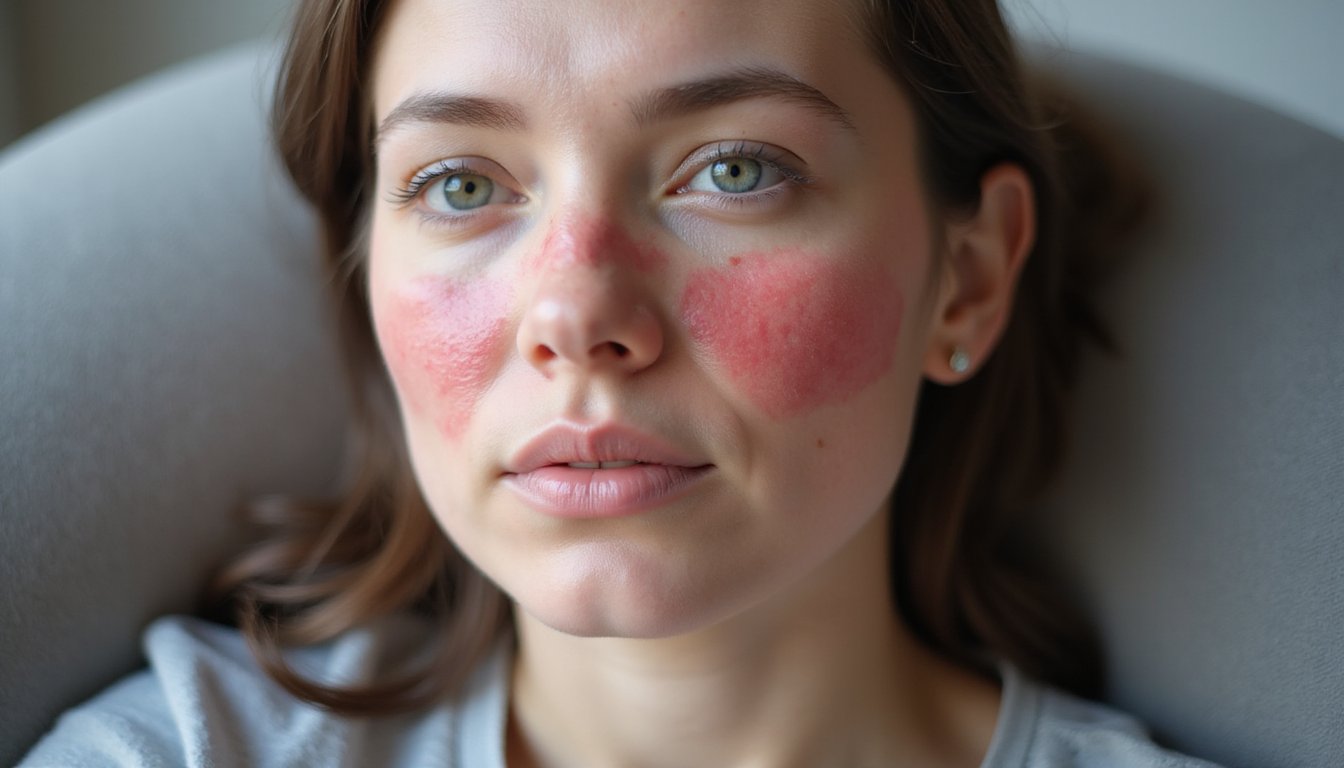
When you drink alcohol, your blood vessels dilate rapidly, causing that familiar flushed appearance as blood rushes to your skin’s surface. This vasodilation isn’t just temporary, repeated episodes weaken capillary walls, eventually causing them to rupture and form permanent spider veins called telangiectasia. Over time, this damage accumulates, leaving your face with a persistently blotchy, red appearance that contributes to an aged look. Alcohol also breaks down collagen inside the veins, which accelerates the formation of these visible spider veins that appear blue, purple, and red in color. The good news is that early intervention and reducing alcohol consumption can help prevent further vascular damage and may allow some of these changes to improve over time.
Vasodilation and Facial Flushing
Alcohol acts as a vasodilator, causing blood vessels near your skin’s surface to expand and increase blood flow almost immediately after consumption. This vasodilation triggers a flushed appearance, particularly noticeable on your face, neck, and shoulders. Research suggests that ethanol induces this peripheral vasodilation by modulating central vasomotor control mechanisms in the brain. Simultaneously, histamine release amplifies this response, intensifying redness and inflammation in your skin.
The alcohol flush reaction occurs when your body can’t efficiently break down acetaldehyde, a toxic byproduct of alcohol metabolism. This results in:
- Erythema spreading across facial tissue and upper body
- Disrupted temperature regulation through increased heat escape
- Accumulated histamine near the skin’s surface
- Enhanced immune response worsening visible redness
If you carry the ALDH2*2 genetic variant, you’ll experience more pronounced flushing due to impaired acetaldehyde clearance, making these visible effects markedly more severe. This condition is particularly common among individuals of East Asian descent, where the genetic mutation affecting alcohol metabolism is more prevalent.
Capillary Damage Over Time
Beyond the temporary flushing that occurs with each drink, repeated alcohol consumption inflicts cumulative structural damage on your facial capillaries. When you drink regularly, acetaldehyde, a toxic metabolite, triggers histamine release that repeatedly dilates your blood vessels. This chronic vasodilation weakens capillary walls, causing them to rupture and rise closer to your skin’s surface.
Does alcohol age your face? The evidence shows drinking makes you look older through permanent vascular changes. Spider veins appear as blue, purple, or red marks around your nose and cheeks. These telangiectasias develop across your face, neck, and chest, creating a persistently blotchy complexion. The diuretic effect of alcohol also causes dehydration and dry skin, which accelerates the formation of wrinkles and premature ageing.
Alcohol makes you look old because these broken capillaries don’t heal. Combined with collagen breakdown in vessel walls, the damage becomes fixed, leaving visible proof of chronic consumption.
Under-Eye Puffiness and Dark Circles From Drinking
How quickly alcohol affects the delicate under-eye area often surprises people who notice puffiness and dark circles after even moderate drinking. Does alcohol make you look older? The evidence points clearly to yes, particularly around your eyes. Alcohol’s diuretic effect dehydrates skin while triggering paradoxical fluid retention beneath your eyes.
Even moderate drinking can trigger visible under-eye aging through dehydration and fluid retention within hours.
Does drinking age your face? Consider these clinical factors:
- Dehydration thins under-eye skin, making blood vessels more visible
- Disrupted sleep cycles dilate capillaries, creating bluish discoloration
- Fluid accumulates in low-density eyelid tissue, causing pronounced puffiness
- Impaired liver function reduces toxin clearance, worsening discoloration
Your under-eye area contains minimal subcutaneous fat, making it highly susceptible to these changes. When you stop drinking, hydration improves, sleep normalizes, and dark circles gradually diminish.
How Alcohol Triggers Acne and Oily Skin Problems
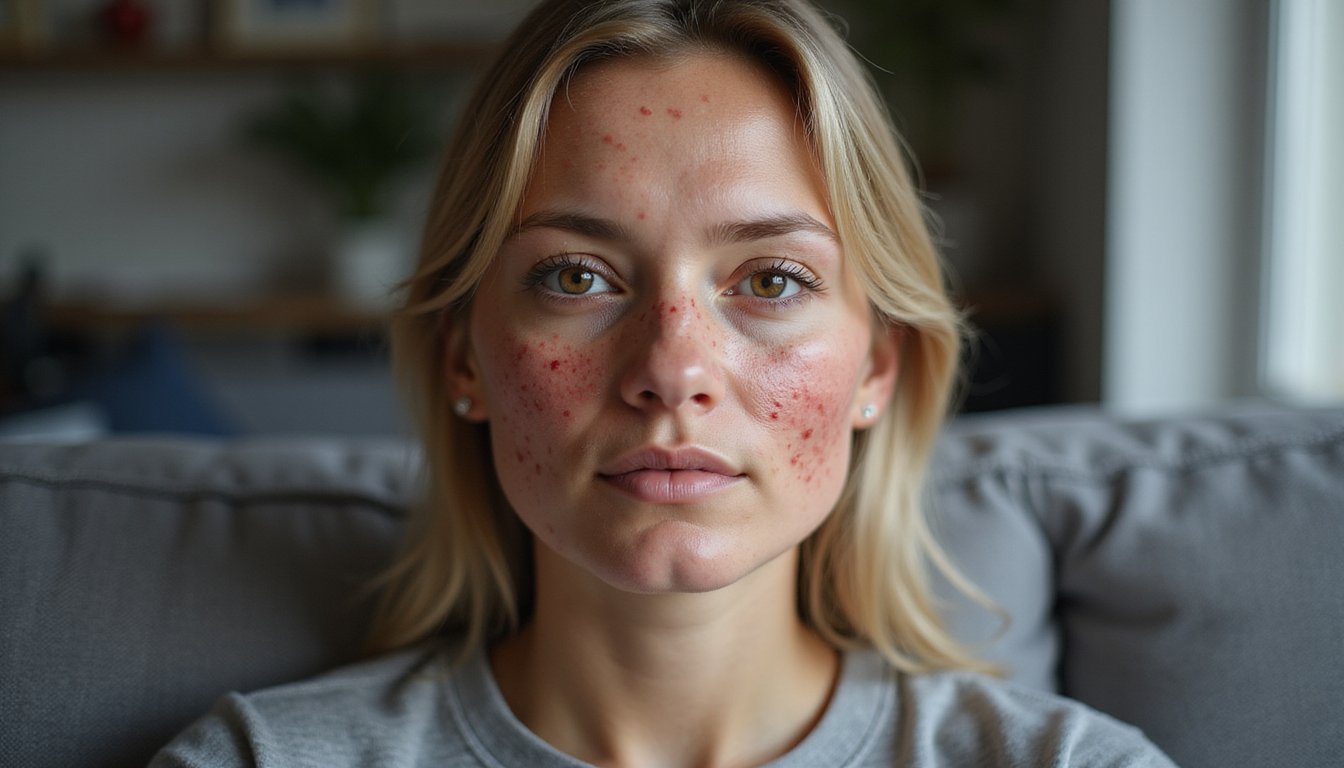
When you drink alcohol, your skin’s sebocytes, the cells responsible for producing sebum, shift into overdrive. A 2024 study confirmed that ethanol acts as a potent promoter of lipogenesis, directly triggering oil synthesis in these cells. Blood sugar spikes from alcohol metabolism further amplify this effect, while dehydration signals your sebaceous glands to compensate with excess oil production.
Alcohol also disrupts your hormonal balance. Each drink measurably increases testosterone and estrogen levels, both of which stimulate oil glands. Research involving 3,888 subjects found drinkers had an odds ratio of 1.484 for developing mild acne compared to abstainers.
The inflammatory cascade compounds these issues. Alcohol metabolizes into acetaldehyde, releasing pro-inflammatory cytokines while suppressing immune function. This creates ideal conditions for *Propionibacterium acnes* to thrive, worsening breakouts.
Midface Volume Loss and Sagging in Heavy Drinkers
Heavy alcohol consumption accelerates fat pad deterioration in your midface, causing visible hollowing and a sunken appearance as subcutaneous tissue diminishes. Research shows that drinking 8 or more drinks weekly drastically increases midface volume loss (p≤0.042), while ethanol simultaneously breaks down collagen by impairing your skin’s antioxidant defense system. You’ll notice cheek hollowing as the suborbital fat pad becomes more pronounced, creating facial contours that make you appear older than your actual age.
Fat Pad Deterioration
Although many signs of alcohol-related aging affect the skin’s surface, one of the most structurally considerable changes occurs beneath it, in the fat pads that give your midface its youthful contour.
Alcohol abuse directly reduces fat mass, contributing to midface volume loss. As this volume recedes, it exposes the suborbital fat pad, creating visible under-eye puffiness. Research confirms heavy drinkers show markedly more severe midface volume loss compared to non-drinkers (p≤0.042).
The mechanisms driving fat pad deterioration include:
- Ethanol draws water from cells, causing dehydration and tissue shrinkage
- Impaired antioxidant defense increases cellular vulnerability
- Peripheral vasodilation alters tissue structure
- Chronic inflammation accelerates fat pad breakdown
Unlike smoking, which wasn’t linked to midface volume loss, alcohol uniquely targets these structural fat deposits.
Collagen Breakdown Effects
Beneath the deteriorating fat pads lies another structural casualty of alcohol consumption: collagen. This essential protein maintains your skin’s firmness and elasticity, but alcohol directly decreases its production. When collagen levels drop, your facial structure loses its scaffolding, resulting in visible sagging and wrinkle formation.
Heavy drinkers experience accelerated collagen deficiency, which compounds the midface volume loss already occurring from fat pad deterioration. The mechanism involves ethanol drawing water from your skin cells, leaving tissue dry and structurally compromised. Without adequate collagen support, your skin can’t maintain tension against gravity.
Research confirms this connection between alcohol consumption and volume-related aging changes. The sagging you see isn’t superficial, it reflects deep structural breakdown where collagen once provided essential support for youthful facial contours.
Cheek Hollowing Signs
The midface region, spanning from the lower eyelids to the upper lip, reveals some of the earliest structural damage in heavy drinkers. Research shows heavy alcohol use (8+ drinks weekly) correlates with statistically significant midface volume loss. This deflation occurs as alcohol systematically reduces facial fat mass, creating a hollowed appearance distinct from normal aging.
Key indicators of alcohol-related cheek hollowing:
- Visible deflation in the midface that accelerates beyond chronological age
- Reduced skin elasticity from collagen depletion, causing tissue to sag
- Under-eye puffiness as suborbital fat pads become more prominent against receding cheek volume
- Loss of the natural facial contour that defines youthful bone structure
Even moderate drinking shows measurable associations with these changes, making the cheeks a reliable marker of alcohol’s cumulative facial impact.
The Dose-Response Relationship Between Alcohol and Aging
Research confirms a clear dose-response relationship between alcohol consumption and facial aging, meaning the more you drink, the faster your skin shows visible signs of age. Heavy drinking, defined as eight or more drinks weekly, correlates with upper facial lines, under-eye puffiness, and midface volume loss. Genetic studies demonstrate that consuming ten glasses of wine weekly adds one to two biological years compared to two glasses.
| Weekly Intake | Biological Aging Impact |
|---|---|
| 2 glasses | Baseline reference |
| 10 glasses | 1-2 years older |
| 10-32 units | 3 years older |
| Heavy (≥8 drinks) | 7 of 11 aging features |
| Binge patterns | Amplified damage |
Your collagen production decreases proportionally with consumption levels, accelerating wrinkle formation and skin sagging.
Rosacea and Visible Blood Vessels Linked to Alcohol Use
Beyond accelerated wrinkle formation, alcohol’s vascular effects create another visible sign of aging: rosacea and prominent blood vessels. Research from the Nurses’ Health Study II involving 82,737 women found that alcohol consumption elevates rosacea risk, with white wine showing the strongest association, up to 49% increased risk at five or more glasses weekly.
Alcohol triggers visible vascular changes through several mechanisms:
- Vasodilation widens facial blood vessels, making telangiectasia more prominent
- Histamine release exacerbates swelling and vessel visibility
- Impaired acetaldehyde breakdown prolongs facial inflammation
- Weakened immune response contributes to chronic redness
You’ll notice these effects accumulate over time. Persistent flushing from repeated drinking episodes leads to permanently visible vessels and chronic facial redness, adding years to your appearance.
Reversing Alcohol-Related Skin Damage Through Lifestyle Changes
Many alcohol-related skin changes can be substantially improved once you reduce or stop drinking. Your skin’s recovery depends on consistent hydration, proper nutrition, and targeted skincare interventions.
Start by drinking 8-10 glasses of water daily to restore elasticity and combat dehydration. Apply hyaluronic acid serums and ceramide-rich moisturizers to replenish lost moisture. Incorporate vitamins A, C, and E alongside omega-3 fatty acids to support cellular regeneration and protect against oxidative damage.
Prioritize quality sleep to boost collagen production and reduce puffiness. Sleep propped up to minimize facial fluid accumulation. Use gentle, sulfate-free cleansers and avoid alcohol-based toners that irritate compromised skin.
Regular exercise improves circulation and aids toxin removal. For persistent damage, consult a dermatologist who can recommend personalized treatments based on your skin’s specific recovery needs.
Reach Out Now and Reclaim Your Life
Frequently Asked Questions
Which Types of Alcoholic Drinks Cause the Most Facial Aging?
Dark spirits like whiskey, rum, and scotch cause the most facial aging. They contain high congeners that strip vitamins A, C, and B3 from your skin while severely dehydrating tissue. Research shows liquor has 2.5 times greater aging effect than beer. Red wine follows closely, triggering inflammation and burst capillaries. You’ll fare better with clear spirits, vodka, gin, and tequila contain fewer additives and digest faster, minimizing skin damage.
How Long After Quitting Alcohol Will My Face Look Better?
You’ll likely notice improvements within two to three weeks of quitting. Puffiness, dull skin, and dark circles typically fade first as your body restores fluid balance and reduces inflammation. Skin regains natural tone and elasticity as hydration levels normalize. However, deeper wrinkles from chronic dehydration require longer recovery periods. Spider veins and permanent blood vessel damage may only partially reverse, depending on the severity of prior damage.
Can Skincare Products Counteract Alcohol’s Aging Effects on the Face?
Yes, targeted skincare can help counteract alcohol’s aging effects on your face. You’ll want to focus on hydrating products with hyaluronic acid and ceramides to restore moisture and repair your skin barrier. Antioxidant serums combat oxidative stress, while retinoids and peptides boost collagen production. The OS-01 peptide enhances hydration retention and supports skin structure. However, you’ll achieve the best results when combining these products with reduced alcohol consumption.
Does Drinking Water While Consuming Alcohol Prevent Facial Aging Signs?
Drinking water while consuming alcohol won’t fully prevent facial aging signs. While you’ll replenish some fluid loss from alcohol’s diuretic effects, hydration doesn’t block the deeper mechanisms causing skin damage. Water can’t stop alcohol-induced collagen degradation, oxidative stress from reactive oxygen species, or blood vessel dilation. You’re addressing surface-level dehydration but not the molecular processes accelerating skin aging. The structural damage to elastin and collagen fibers continues regardless of water intake.
Are Alcohol-Related Facial Changes Permanent or Can They Be Reversed Completely?
Most alcohol-related facial changes aren’t permanent, you can reverse them with abstinence. Puffiness, redness, and dull skin typically improve within days to weeks. Hydration and skin texture normalize over two to three months. However, some damage remains irreversible. Broken capillaries, deep wrinkles from collagen loss, and severe rosacea often persist despite quitting. Your recovery timeline depends on how long and how heavily you’ve been drinking.