Seven proven approaches can help you overcome alcohol addiction: evidence-based therapies like CBT, FDA-approved medications, professional counseling, support groups, personalized recovery planning, thorough medical evaluation, and integrated treatment methods. You’ll find success by combining multiple strategies that address both the physical and psychological aspects of dependency. Research shows that utilizing several of these approaches together greatly increases your chances of achieving lasting sobriety, with many effective options to explore further.
Understanding the Science Behind Alcohol Dependency
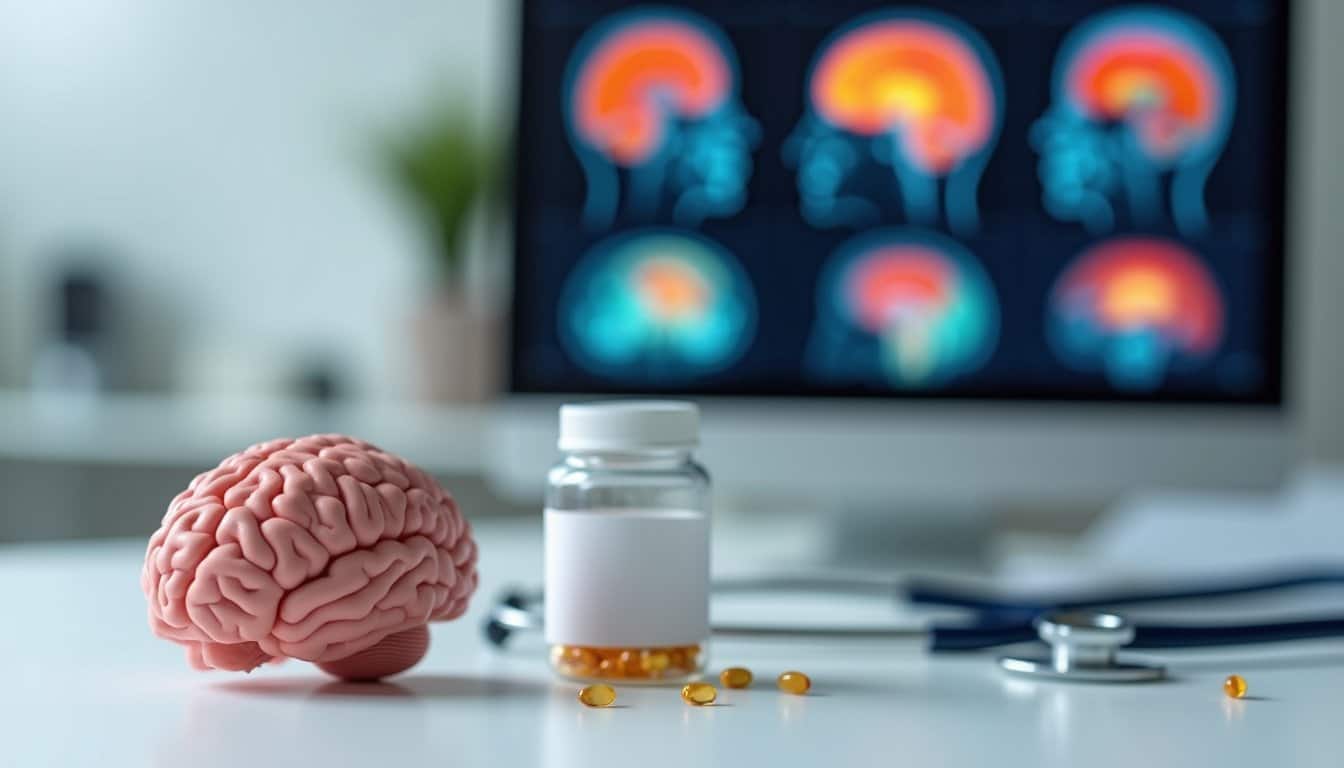
While many view alcohol addiction as simply a matter of willpower, the science reveals it’s a complex neurobiological disorder involving multiple brain systems and chemical pathways.
When you consume alcohol, it triggers changes in key neurotransmitter roles, particularly affecting GABA, dopamine, and opioid systems. Your brain’s GABA activity increases, leading to relaxation, while dopamine release creates reward sensations that reinforce drinking behavior. These effects occur within specific brain circuits, including the nucleus accumbens and amygdala, which become increasingly sensitive to alcohol over time. Recent research has identified that a special signaling molecule in neurons amplifies the brain’s response to alcohol. Chronic alcohol consumption causes decreased GABA sensitivity, making higher amounts of alcohol necessary to achieve the same calming effects.
Understanding this biology helps explain why quitting isn’t just about determination – your brain has adapted to alcohol through altered brain circuits and chemical messaging systems. This knowledge has led to targeted treatments that address the underlying neurological changes rather than just managing symptoms. The transition from casual drinking to dependence often involves a shift from positive reinforcement mechanisms to drinking to avoid withdrawal symptoms.
Cognitive Behavioral Therapy (CBT) as a Core Treatment
Although many treatment options exist for alcohol addiction, Cognitive Behavioral Therapy (CBT) has emerged as one of the most effective evidence-based approaches. Through cognitive restructuring and development of coping strategies, you’ll learn to identify and change thought patterns that lead to alcohol use. Recent studies show that digital CBT programs are particularly effective, increasing abstinence rates by 50% over an 8-month period. The innovative CBT4CBT program, developed at Yale University in 2008, has demonstrated superior results compared to traditional clinician-delivered therapy. Studies show both web-based and clinician-delivered CBT help patients achieve sustained abstinence rates of approximately 70%. For security reasons, access is restricted to certain online treatment resources, so working directly with qualified therapists is recommended.
CBT empowers individuals to reshape harmful thought patterns and develop effective coping strategies, making it a leading treatment for alcohol addiction.
- You’ll develop practical skills to manage triggers and high-risk situations
- Your coping strategy scores can improve considerably, from 36.2 to 49.2 on average
- You’ll gain deeper understanding of CBT principles, with knowledge scores increasing from 47% to 60%
- Digital CBT programs offer interactive videos, exercises, and real-time practice
- You’ll learn both internal and external trigger management techniques
The evidence consistently shows that CBT outperforms minimal treatment conditions, giving you powerful tools for long-term recovery.
Medical Support Through FDA-Approved Medications

Since FDA-approved medications greatly enhance recovery outcomes, you’ll find three proven pharmacological options available to support your treatment: disulfiram, naltrexone, and acamprosate. These medications work best when combined with counseling and aren’t addictive or meant as alcohol substitutes. Behavioral therapies combined with medications often produce superior treatment results. Acamprosate has shown effectiveness in reducing both short and long-term relapse when used alongside psychosocial treatments.
Research shows naltrexone’s medication efficacy in reducing heavy drinking, with one person benefiting for every 10 treated. New extended-release injectable options are now available, offering once-monthly dosing that may help improve treatment adherence. You’ll need 4-7 days of abstinence before starting these medications to maximize their effectiveness. Despite their proven benefits, treatment accessibility remains a challenge; less than 9% of Americans with alcohol use disorder receive these FDA-approved medications. Don’t let this discourage you; work with your healthcare provider to determine which option best suits your recovery journey while ensuring you’re also receiving essential counseling support.
The Power of Support Groups and 12-Step Programs
Support groups and 12-step programs stand as powerful pillars in alcohol addiction recovery, complementing medical treatments with essential peer connections and structured guidance. Research consistently demonstrates that peer interactions greatly improve your chances of maintaining sobriety, with studies showing up to 35% lower relapse risk compared to other treatments. Active participation in these groups helps foster enhanced self-efficacy through witnessing others’ success stories. Medical detox services are typically the first step before engaging in support group programs. These programs represent an important shift toward peer-led services that differ significantly from traditional treatment approaches.
Key recovery benefits you’ll find in support groups include:
- Reduced healthcare costs and improved treatment engagement
- 90% success rate in maintaining sobriety when reaching the two-year milestone
- Notable improvements in mental health and quality of life
- Development of stronger personal support networks
- Access to practical recovery tips from those who’ve walked your path
These evidence-based programs offer proven effectiveness through emotional support, shared experiences, and structured accountability, elements vital for long-term recovery success.
Professional Counseling and Motivational Techniques

When seeking professional help for alcohol addiction, evidence-based counseling and motivational techniques serve as cornerstone elements of successful recovery. Through client-centered approaches, you’ll work with therapists who prioritize building a strong therapeutic alliance while empowering you to guide your healing journey.
Professional counseling combines several effective methods, including trauma-based therapy to address underlying issues and motivational interviewing to strengthen your commitment to change. Research shows that cognitive behavioral therapy helps restructure negative thought patterns that often fuel addictive behaviors. Dialectical behavioral therapy helps patients manage emotions and stay present while working toward recovery. Medical specialists may prescribe oral medications to support your treatment journey. You’ll benefit from both individual and group sessions that focus on developing healthier coping mechanisms and thought patterns. Client empowerment remains central to this process, as you’ll work at your own pace while receiving non-judgmental support from trained specialists.
These evidence-based treatments, whether delivered in person or through telehealth services, provide you with thorough tools and strategies to maintain long-term sobriety and overall well-being. Outpatient vs inpatient alcohol treatment options are available to suit different needs and preferences. Each approach has its unique benefits, ensuring that individuals can find the right fit for their recovery journey.
Creating a Personalized Recovery Plan
Developing a personalized recovery plan marks a crucial turning point in your journey to overcome alcohol addiction. Through thorough personalized assessments, you’ll work with healthcare professionals to create a strategy that addresses your unique challenges, triggers, and recovery milestones. Your plan will incorporate evidence-based treatments while considering your medical history, mental health status, and personal goals. Understanding that addiction often involves co-occurring disorders, healthcare providers ensure comprehensive evaluation and treatment of any underlying mental health conditions.
- Initial evaluation of physical health, emotional well-being, and social circumstances
- Implementation of trauma-informed care and dual diagnosis treatment when needed
- Development of SMART goals to track your progress and maintain motivation
- Creation of specific coping strategies for identified triggers
- Regular monitoring and adjustment of your plan to guarantee continued effectiveness
This structured approach guarantees you’re equipped with the tools and support needed for successful, long-term recovery.
Combining Multiple Treatment Methods for Success
Research consistently demonstrates that combining multiple evidence-based treatments offers the most effective path to alcohol addiction recovery. Your treatment plan can integrate FDA-approved medications like naltrexone or acamprosate with behavioral therapies, creating a holistic healing approach that addresses both physical and psychological aspects of addiction. Treating alcohol addiction requires a personalized approach that considers individual needs and circumstances. It is essential to include ongoing support through counseling or support groups to enhance long-term recovery.
You’ll find that integrated therapies work synergistically – while medications help reduce cravings and maintain abstinence, cognitive-behavioral therapy teaches you essential coping skills. Adding mutual support groups like Alcoholics Anonymous provides an extra layer of peer support that’s proven to enhance recovery outcomes. When you’re working with healthcare providers, they can adjust your combination of treatments based on your response and specific needs. This all-encompassing approach gives you the best chance at achieving your recovery goals, whether that’s complete abstinence or a significant reduction in drinking. The effectiveness of alcohol treatment programs varies based on individual needs and circumstances. Studies have shown that personalized treatment plans can significantly improve patient outcomes.
Real Recovery From Alcohol Is Within Reach
If cutting back has not stuck before, that does not mean you are out of options. The right approach can finally make it click. The Hope Institute runs alcohol addiction treatment in New Jersey to the Greenwood Lake, NJ area. Call (855) 659-2310 or contact us to get started.
Frequently Asked Questions
How Long Does It Typically Take for Alcohol Withdrawal Symptoms to Subside?
You’ll typically experience acute withdrawal symptoms for 7-10 days, though the withdrawal duration varies based on your drinking history. The most severe physical symptoms peak between 24-72 hours after your last drink. While physical symptom severity generally improves after the first week, you may face psychological symptoms like anxiety, depression, and cravings for several months. It’s crucial to seek medical supervision throughout the withdrawal process.
Can Alternative Therapies Like Acupuncture Help With Alcohol Addiction Recovery?
Yes, acupuncture benefits can support your recovery from alcohol addiction. Research shows it helps reduce cravings and withdrawal symptoms by affecting your brain’s dopamine system. When combined with traditional treatments, this holistic healing approach can ease anxiety, improve mood, and decrease withdrawal discomfort. While results vary between individuals, studies indicate acupuncture’s effectiveness, particularly when following the NADA protocol with regular 30-45 minute sessions over several weeks.
What Percentage of People Maintain Sobriety After Their First Treatment Attempt?
Treatment success rates after your first attempt show that about 36% maintain sobriety after one year, while 47% achieve at least 12 months of abstinence within the first three years. However, relapse rates can reach up to 80% in the first year. If you’re able to maintain sobriety for two years, your chances of long-term recovery increase considerably; about 60% of people who reach this milestone achieve lasting sobriety.
How Does Family History Affect the Likelihood of Developing Alcohol Addiction?
If you have a family history of alcohol problems, you’re at considerably higher risk due to both genetic predisposition and familial influences. Research shows you’re up to four times more likely to develop alcohol addiction if your parents struggled with alcohol use. Your risk increases further if multiple family members have alcohol issues. You’ll also likely experience earlier drinking initiation and faster progression of problem drinking compared to those without a family history.
What Role Does Nutrition and Exercise Play in Alcohol Addiction Recovery?
Proper nutrition strategies and regular exercise play essential roles in your recovery. When you’re deficient in key nutrients, you’ll face increased cravings and mood instability. By focusing on protein, complex carbs, and omega-3s, you’ll help your brain repair and stabilize neurotransmitters. Exercise benefits include reduced cravings, improved sleep, and decreased anxiety. Together, these lifestyle changes support your brain’s healing process and greatly strengthen your recovery journey.