You’ll need DEA registration and substance use disorder training to prescribe Suboxone safely. Conduct thorough patient assessments using standardized withdrawal tools like COWS before initiating treatment. Start with 2-4 mg sublingual doses, titrating carefully while monitoring for withdrawal symptoms. Implement regular urine screening, PDMP checks, and liver function assessments throughout treatment. Integrate counseling and peer support for relapse prevention. Telemedicine options now extend through 2025, expanding access for underserved populations. The evidence demonstrates these integrated protocols substantially improve outcomes when you combine them strategically.
Regulatory Framework and Prescriber Requirements

Suboxone prescribing operates within a complex regulatory landscape where federal and state requirements intersect, and you’ll need to understand both to practice legally and effectively. As a prescriber, you must hold valid DEA registration and complete an 8-hour substance use disorder training (unless board-certified in addiction medicine). The 2023 elimination of the X-waiver requirement expanded access considerably. You’ll maintain rigorous record keeping requirements documenting patient identification, clinical assessments, and prescription details per DEA standards. Stay current with evolving billing codes specific to medication-assisted treatment, as reimbursement frameworks continue shifting. State regulations may impose additional restrictions beyond federal guidelines, so verify your jurisdiction’s requirements. As of 2025, the DEA extends telemedicine prescribing flexibility allowing providers to prescribe buprenorphine through 100% online treatment modalities, though regulations may change after 2025. The temporary telemedicine rule remains effective until December 31, 2025 while permanent regulations continue to be finalized. Continuing education on OUD treatment guarantees you remain compliant with evidence-based standards and regulatory updates.
Patient Assessment and Treatment Planning
Once you’ve guaranteed compliance with regulatory requirements and obtained proper DEA registration, your attention must shift to the clinical foundation of effective treatment: thoroughly evaluating each patient and developing an individualized treatment plan. You’ll conduct extensive assessments addressing psychiatric comorbidities, medical contraindications, and substance use history. Evaluate psychosocial determinants including housing stability, employment, social supports, and trauma history, these factors substantially influence treatment outcomes and recovery challenges. Use standardized withdrawal assessment tools before induction to confirm appropriate timing. Collaborate with patients to establish personalized goals balancing safety and functional improvement. Document baseline data through urine drug screens, laboratory panels, and clinical evaluation. Your treatment plan should specify monitoring frequency, adjunctive therapies, and adaptation strategies for emerging concerns, creating a foundation for sustained recovery.
Medication Initiation, Dosing, and Administration
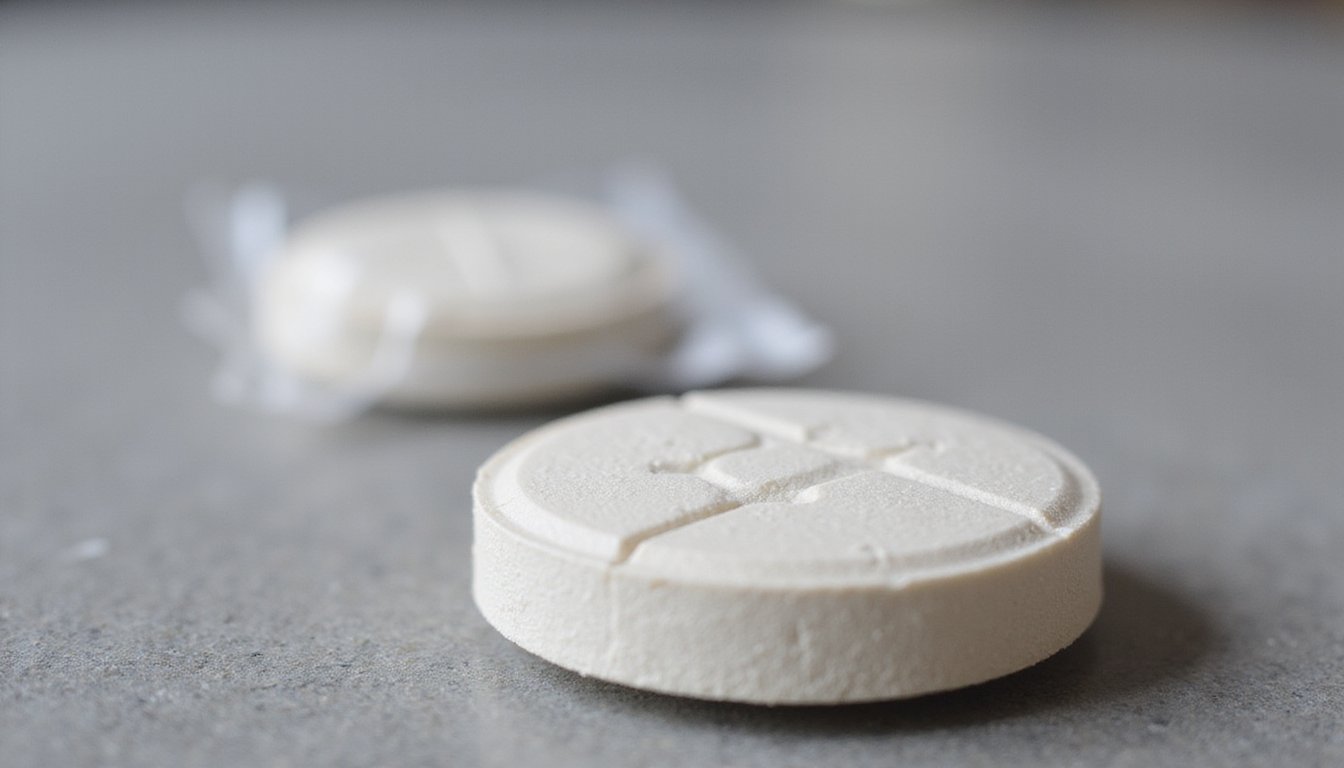
Successfully initiating buprenorphine/naloxone treatment requires precise timing and careful dose titration to maximize efficacy while minimizing the risk of precipitated withdrawal. You’ll begin induction when COWS scores reach ≥8, ensuring adequate withdrawal symptoms are present. Your initial sublingual dose typically starts at 2, 4 mg, titrated in 2, 4 mg increments every 1, 2 hours based on clinical response. By day 2, you may reach 16 mg/4 mg depending on treatment stability aims and patient preferences. Proper sublingual administration, never chewing or swallowing, ensures ideal bioavailability. You’ll monitor critical signs for at least 2 hours post-induction, documenting withdrawal symptoms objectively. Injectable formulations offer alternatives after minimal sublingual exposure, reducing misuse risk while maintaining therapeutic outcomes. Implementing individualized care plans that incorporate patient autonomy ensures flexible dosing approaches yield better retention rates than rigid treatment mandates.
| Opioid Type | Waiting Period | Initial Dose | Titration | Day 2 Target |
|---|---|---|---|---|
| Short-acting (heroin) | 6, 12 hours | 2, 4 mg | 2, 4 mg q1, 2h | 16 mg/4 mg |
| Long-acting (methadone) | 48, 72 hours | 2, 4 mg | 2, 4 mg q1, 2h | 16 mg/4 mg |
| Severe dependence | Variable | 2, 4 mg | Slower titration | 8, 16 mg/4 mg |
| Rapid protocol | Minimal | 4 mg test dose | Fast escalation | 12, 16 mg/4 mg |
| Low-dose protocol | Standard | 0.5, 2 mg microdose | Gradual increase | 8, 12 mg/4 mg |
Telemedicine Access and Remote Care Delivery
As regulatory barriers to remote buprenorphine prescribing continue to diminish, you’ll find that telemedicine now offers a clinically viable and legally supported pathway for initiating and maintaining opioid use disorder treatment. The DEA’s January 2025 finalization of permanent telemedicine flexibilities enables you to prescribe initial six-month buprenorphine supplies via audio-only or video encounters without requiring in-person visits.
You’ll recognize that culturally responsive telemedicine protocols directly address social determinants of impact, transportation barriers, stigma, and housing instability, particularly benefiting rural and underserved populations. Research demonstrates telemedicine-based treatment achieves retention rates comparable to in-person care while reducing overdose risk. Evidence from telehealth clinics serving over 1,000 patients shows that young adults and racially diverse populations benefit significantly from remote care delivery models. Studies document that patients report increased comfort and relaxation during telehealth encounters, alongside improved access and flexibility for managing treatment alongside caregiving responsibilities. Before prescribing, practitioners must review PDMP data of the state where the patient is located to ensure safe prescribing practices. Your structured intake using validated OUD assessment tools, combined with remote monitoring and video-observed dosing, maintains clinical rigor and medication safety while expanding equitable access to evidence-based treatment.
Monitoring, Safety Protocols, and Long-Term Recovery Support

How do you confirm that buprenorphine treatment remains safe and effective throughout your patient’s recovery journey? You establish robust monitoring protocols that include regular urine toxicology screening, PDMP checks, and liver function assessments. Treatment adherence monitoring occurs at each visit, with frequency adjusted based on stabilization status.
| Monitoring Component | Frequency | Clinical Purpose |
|---|---|---|
| Urine toxicology | Every 1-2 visits initially | Detect unreported substance use |
| PDMP review | Each treatment stage | Identify diversion or misuse patterns |
| Liver function tests | Semi-annually/annually | Assess hepatic safety |
| Clinical assessments | Weekly to every 2-3 months | Evaluate side effects and effectiveness |
You implement relapse prevention strategies through individualized care plans integrating counseling and peer support. Regular suicidality assessments, witnessed dosing when indicated, and thorough overdose education form your safety framework. Collaborative reassessment of treatment goals ensures sustained engagement and recovery.
Frequently Asked Questions
How Long Does Suboxone Treatment Typically Last, and When Should Patients Consider Tapering?
You’ll typically maintain Suboxone therapy for 6 to 24 months, though some patients continue longer for sustained recovery. You shouldn’t taper until you’ve demonstrated functional stability, stable employment, housing, and consistent abstinence. When you’re ready, your provider will implement gradual dosage adjustments over weeks to months, minimizing withdrawal symptoms. You’ll benefit most from concurrent behavioral counseling during treatment duration considerations and tapering phases to manage cravings effectively.
What Should Patients Do if They Miss a Scheduled Dose of Suboxone?
If you miss a Suboxone dose, take it as soon as you remember unless your next dose is approaching. In that case, skip the missed dose and resume your regular schedule; don’t double dose. You’ll need to contact your provider to report the missed dose and adjust your dose schedule if necessary. Monitor yourself for withdrawal symptoms, and remember that missing doses increases your overdose risk due to tolerance loss.
Can Suboxone Be Safely Combined With Other Medications or Substances?
You shouldn’t combine Suboxone with many medications or substances without medical supervision. Drug interactions pose serious risks, particularly with benzodiazepines, which can cause respiratory depression and death. Alcohol consumption dangerously increases CNS depression and overdose risk. You must disclose all prescription medications, over-the-counter drugs, supplements, and herbs to your healthcare provider. They’ll monitor you closely, adjust dosages, or recommend safer alternatives when necessary to guarantee your safety.
How Effective Is Suboxone Compared to Other Opioid Use Disorder Treatments?
You’ll find Suboxone outperforms naltrexone in relapse prevention strategies, delivering more abstinent days and longer relapse intervals. Compared to methadone, you’ll experience similarly effective opioid use reduction, though methadone shows marginally higher retention rates. For long-term outcomes, you’ll benefit from Suboxone’s easier initiation without complete detoxification. Research demonstrates that you’ll achieve approximately 32% relative reductions in serious opioid-related acute care at three months when using buprenorphine-based treatments.
What Are the Most Common Side Effects of Suboxone, and How Are They Managed?
You’ll likely experience nausea, headaches, and insomnia during treatment. For constipation mitigation, you should increase fiber intake, stay hydrated, and consider over-the-counter laxatives. Drowsiness management involves timing your dose appropriately and adjusting your sleep schedule. You can address nausea by taking your dose after meals or splitting it. Most side effects resolve within weeks as your body adjusts to treatment.