When you’re repeatedly exposed to traumatic calls, your brain’s stress response shifts into overdrive, making intrusive memories, hypervigilance, and broken sleep your new normal. Without effective treatment, you’ll naturally reach for the fastest relief available, often alcohol or pain medication. Research shows approximately 20% of firefighters meet PTSD criteria, and 50% of male firefighters engage in binge drinking. Understanding how firehouse culture, sleep deprivation, and untreated trauma intersect can help you recognize the cycle and find a way out. Corrections officers often face similar challenges, with many grappling with the effects of PTSD and addiction among corrections officers. The unique stresses of their work can lead to deteriorating mental health, impacting both their professional and personal lives.
Why Firefighters Face Higher PTSD Risk
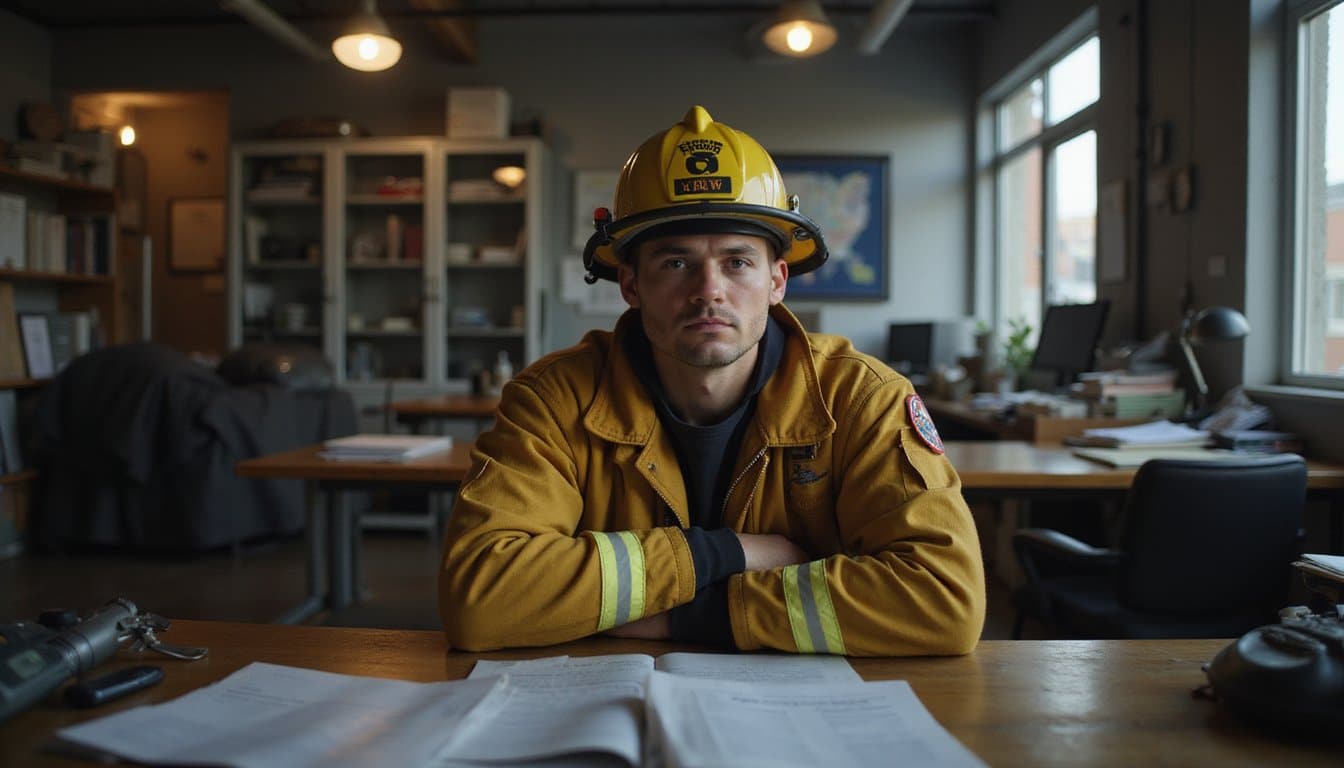
Because firefighting demands repeated contact with death, injury, and destruction, it carries one of the highest PTSD risks of any occupation. Research shows firefighters encounter an average of 28 adverse events during their careers, and each one increases your likelihood of developing firefighter PTSD symptoms.
The risk isn’t driven by a single bad call alone. Cumulative exposure, organizational stress, erratic sleep schedules, and low social support all compound over time. If you’re a career firefighter with years of service, burnout and prolonged operational strain can further elevate your vulnerability. Lower job satisfaction and reduced feelings of safety on scene add to the burden. Without strong protective factors like resilience and peer support, repeated trauma exposure can shift from manageable stress into lasting psychological injury. Approximately 20% of firefighters and paramedics meet PTSD criteria at some point during their careers, underscoring just how widespread this risk truly is.
How PTSD Leads Firefighters to Self-Medicate
When PTSD takes hold, the symptoms don’t stay contained, they push you toward whatever offers fast relief. Intrusive memories, hyperarousal, and broken sleep make alcohol or pain medications feel like the only way to shut things down after a bad call. This self-medication pattern is central to understanding ptsd and substance abuse firefighters face throughout their careers. The same struggles are evident for those facing ptsd and addiction in law enforcement. Many officers find themselves in similar cycles of avoidance, leading to detrimental effects on their mental health and well-being.
The relief never lasts. Alcohol disrupts sleep and deepens mood problems, which intensifies the very symptoms you’re trying to escape. Tolerance builds, use escalates, and what started as coping becomes dependence. Pain medications prescribed after on-duty injuries can follow the same trajectory, especially when physical and psychological pain overlap. Research shows that 50% of male firefighters engage in binge drinking, underscoring how widespread this pattern of self-medication has become. Because the trauma and substance use reinforce each other, breaking the cycle requires addressing both conditions together rather than treating them separately.
Why Firehouse Culture Keeps Substance Abuse Hidden
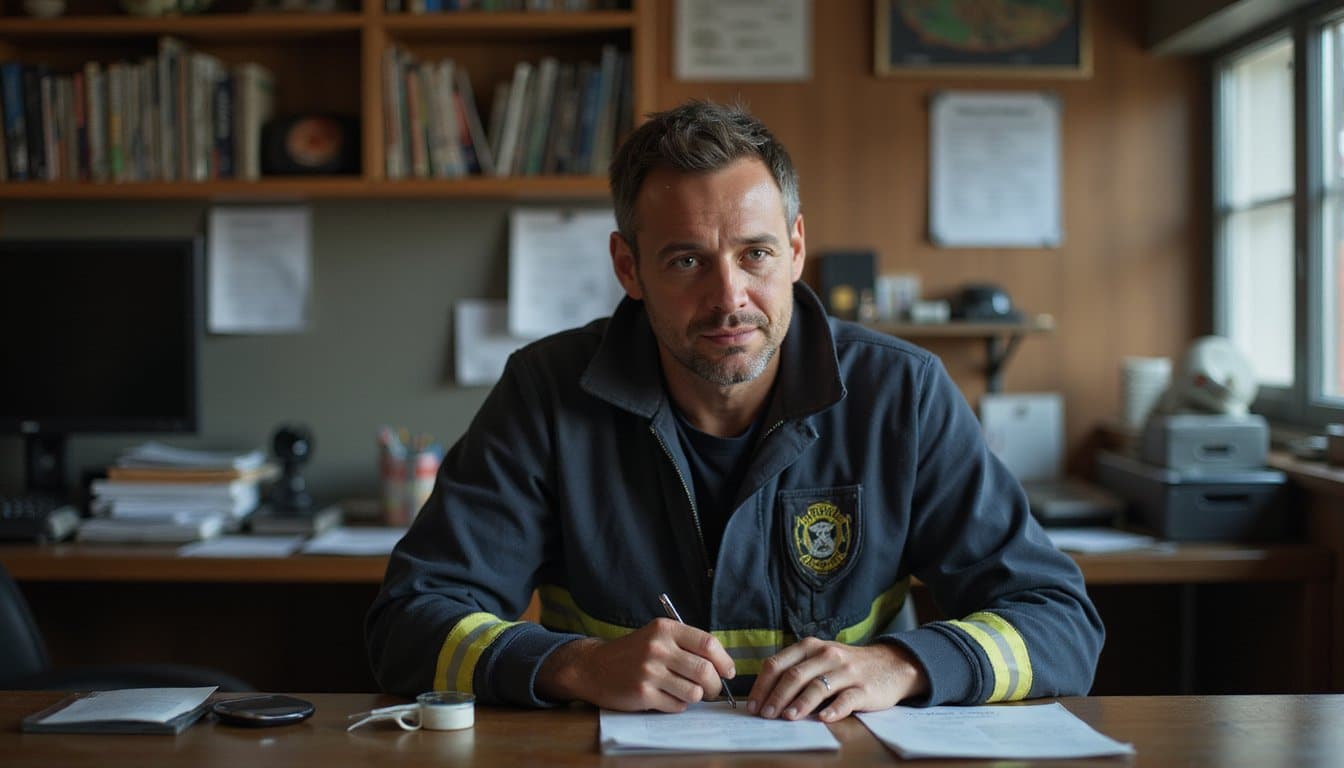
Though alcohol use causes real harm over time, firehouse culture often treats it as harmless, even essential. About half of career and volunteer firefighters believe drinking to intoxication is acceptable under certain circumstances, and alcohol norms in the fire service exceed public health guidelines. When heavy drinking looks like bonding or blowing off steam, your escalating use doesn’t stand out. Alcohol abuse among firefighters can lead to serious mental and physical health issues. The pressures of the job can exacerbate these behaviors, creating a cycle that is difficult to break.
This normalization creates cover for the connection between trauma and addiction. You may rely on alcohol to manage PTSD symptoms while appearing no different from your peers. Stigma around mental health makes you less likely to speak up, and the culture’s emphasis on toughness reinforces silence. Problem drinking often stays hidden until mood changes, withdrawal from others, or impaired performance force it into view. Even then, addiction can be difficult to identify, as many firefighters function as functioning alcoholics whose substance use goes unnoticed by colleagues.
How Sleep Loss and Pain Fuel Firefighter Addiction
Shift work and broken sleep don’t just leave you tired, they change how your body handles stress and pain, making substance use harder to resist. When you’re running on less than six hours of sleep, your body stays in a sustained fight-or-flight state, lowering your threshold for self-medication with alcohol, stimulants, or painkillers.
- Sleep deprivation compounds PTSD symptoms: If you’re among the 52.7% of firefighters with insomnia, you’re considerably more likely to develop anxiety and depression, conditions that deepen reliance on substances.
- Pain drives the cycle: Musculoskeletal problems from the job combine with exhaustion, making a drink or pill feel more accessible than recovery strategies.
- Fatigue hides the risk: Cumulative sleep debt impairs judgment gradually, so you may not recognize how vulnerable you’ve become.
How Firefighters Can Break the PTSD-Addiction Cycle
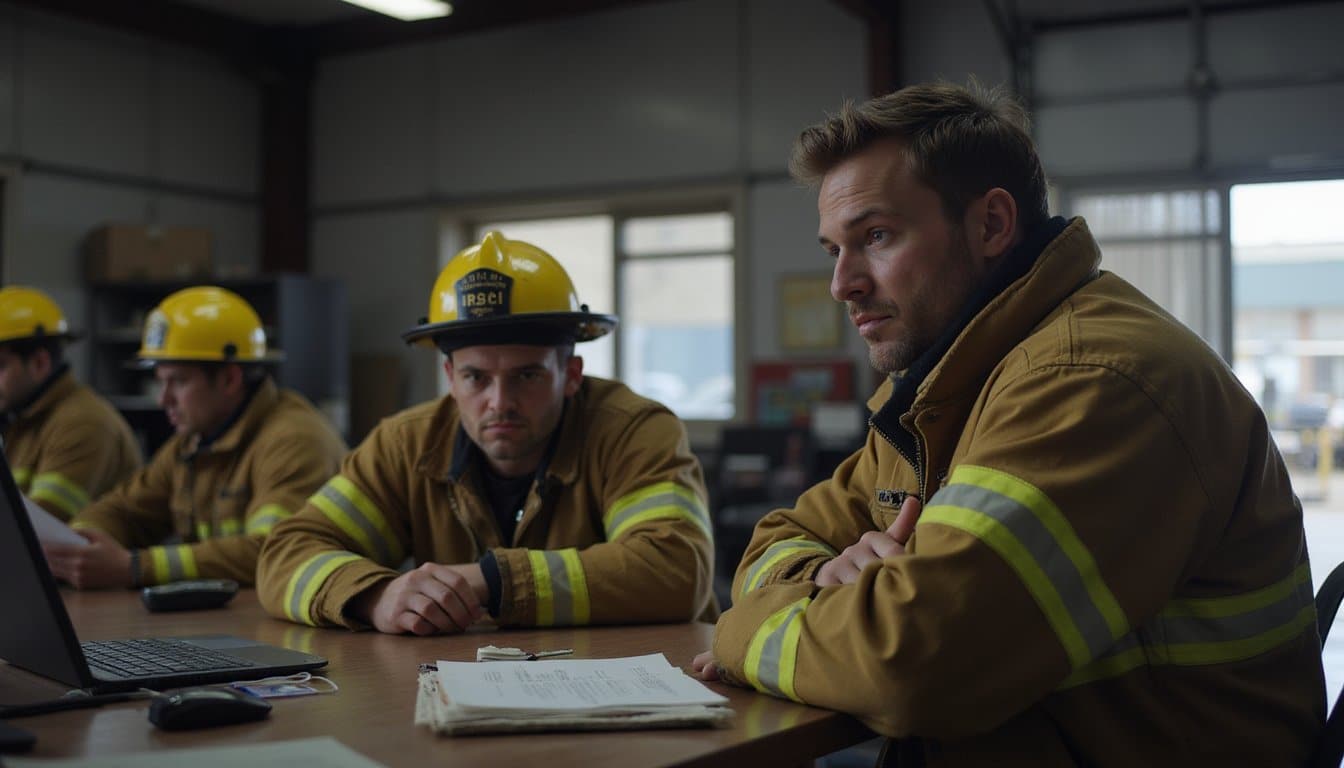
Breaking the PTSD-addiction cycle requires treating both conditions at the same time, not one after the other. Dual-diagnosis care works because ptsd and alcohol problems reinforce each other, treating only one leaves the other to pull you back. Trauma-focused therapies like EMDR, CPT, and prolonged exposure target PTSD at its root, reducing the avoidance and numbing that drive self-medication.
You’ll also build practical coping skills, grounding techniques for flashbacks, cognitive restructuring for craving triggers, and mindfulness for emotional regulation. Peer support networks offer non-drinking ways to decompress after difficult calls, while family counseling repairs relationships strained by both conditions. Relapse-prevention planning prepares you for high-risk moments before they escalate. When you address the trauma directly, you remove the engine that keeps the cycle running.
Trusted Recovery for Those on the Front Lines
The trauma firefighters carry doesn’t end when the shift does, and the right care can make all the difference in long-term wellness. At The Hope Institute in West Milford, NJ, our caring professionals provide thoughtful Addiction Treatment with understanding and a plan shaped around you. Call (866) 311-0124 today and take the first step toward lasting recovery.
Frequently Asked Questions
What Percentage of Firefighters Engage in Binge Drinking?
Studies show that 56 to 58% of firefighters report binge drinking in the past month, more than double the 23% rate among men in the general population. If you’re seeing yourself in these numbers, you’re not alone. Long shifts, trauma exposure, and a culture that can normalize heavy drinking all play a role. Recognizing the pattern is a meaningful first step, and integrated treatment can help you break the cycle.
Can Firefighters Receive Workers’ Compensation for Ptsd-Related Substance Abuse?
You may be able to receive workers’ compensation for PTSD-related substance abuse, but coverage depends on your state’s laws and your ability to connect the condition to your job. You’ll typically need to show that your PTSD qualifies as a work-related injury and that substance misuse developed as self-medication for those symptoms. Strong documentation, including incident reports, a clinical diagnosis, and treatment records, can strengthen your claim considerably.
How Does Ptsd-Related Substance Abuse Affect Firefighter Divorce Rates?
When PTSD drives you toward alcohol or drugs to cope, the resulting emotional numbness, irritability, and secrecy can erode trust and communication in your marriage. Binge drinking worsens mood instability and impulsive behavior, intensifying conflict at home. Research shows that weaker family support leaves this cycle less buffered, making marital breakdown more likely. Treating your PTSD and substance use together, alongside family-centered support, can help protect your relationship.
Are Volunteer Firefighters at the Same Substance Abuse Risk as Career Firefighters?
Current research doesn’t separate volunteer and career firefighters with a direct comparison, so you can’t say one group faces clearly higher risk. Both encounter the same core risk factors, trauma exposure, sleep disruption, physical injury, and a culture that normalizes drinking. Career firefighters may experience more frequent exposures through full-time schedules, but that doesn’t confirm volunteers are safer. If you’re in either role, the same protective steps apply.
Do Fire Departments Conduct Drug and Alcohol Testing After Critical Incidents?
Some departments do test after critical incidents, but there’s no universal standard. Testing policies vary by department, state law, and union contracts. Many departments use reasonable-suspicion or post-accident testing rather than testing after every traumatic call. After critical incidents, you’re more likely to encounter debriefings and peer support first, with testing triggered only when there’s an injury, vehicle crash, or observed impairment rather than the trauma itself.