Cocaine causes nose bleeds by acting on norepinephrine to constrict your nasal blood vessels. This vasoconstriction narrows those vessels and cuts blood flow to your nasal mucosa. Without enough circulation, the tissue dries out, cracks, and becomes fragile. Direct irritation and inflammation weaken small vessels further, and your septum depends heavily on that mucosal blood supply, making it especially vulnerable. The damage doesn’t stop there, and what follows can be far worse.
Key Takeaways
- Cocaine constricts nasal blood vessels by acting on norepinephrine, sharply reducing blood flow to the nasal mucosa.
- Reduced circulation dries out nasal tissue, causing cracking and fragility that lead to bleeding.
- Direct chemical irritation and inflammation further weaken the small vessels lining the nose.
- The nasal septum depends heavily on mucosal blood supply, making it especially vulnerable to damage.
- Repeated vasoconstriction can cause ischemic necrosis, eventually leading to septal perforation and recurrent nosebleeds.
Why Does Cocaine Make Your Nose Bleed
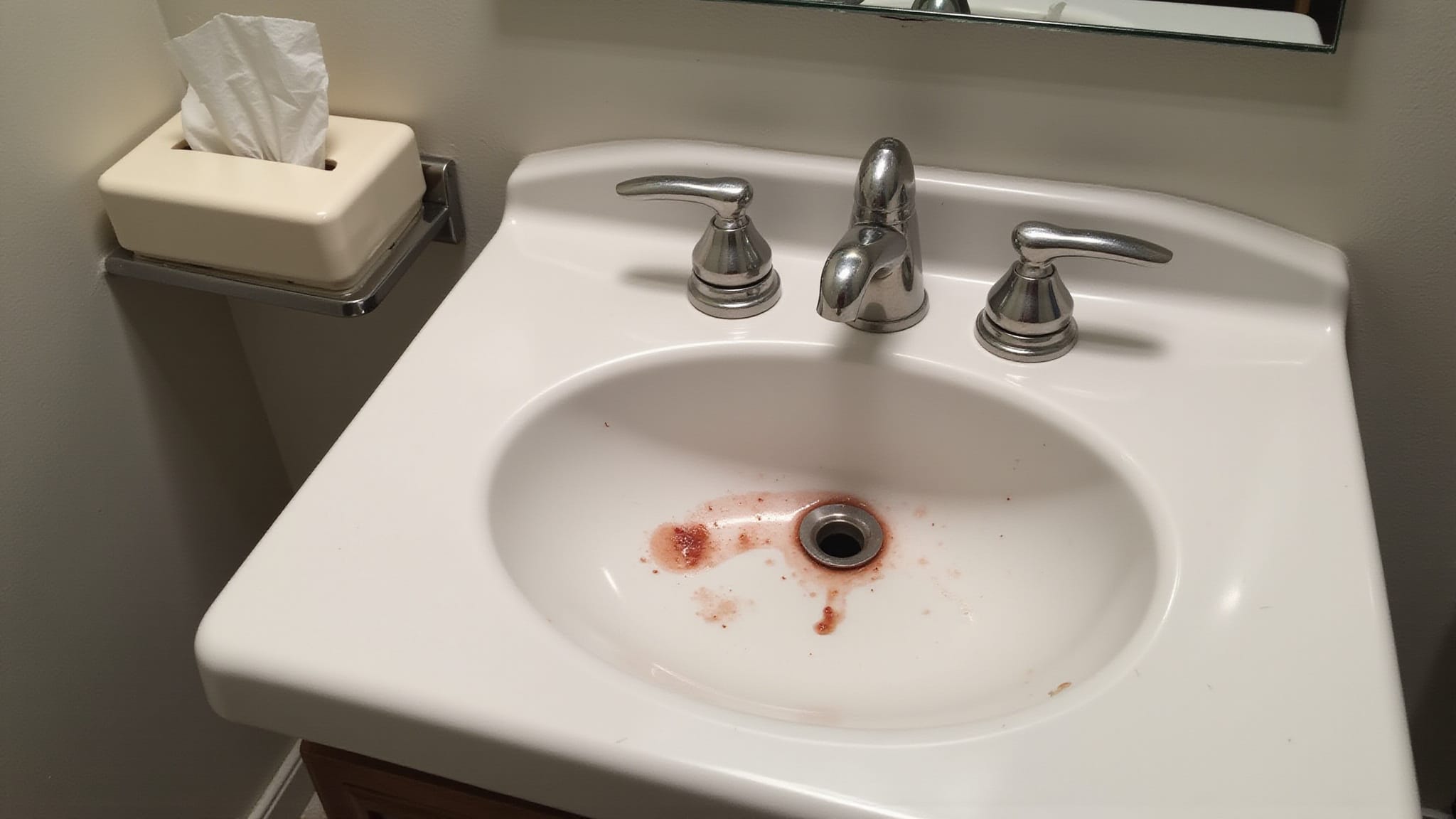
Cocaine makes your nose bleed because of vasoconstriction. When you snort cocaine, it acts on norepinephrine, sharply narrowing the blood vessels lining your nose. This reduces blood flow to your nasal mucosa, cutting off oxygen and nutrients that keep the tissue healthy. Deprived of steady circulation, the delicate lining dries out, cracks, and becomes fragile. The drug also irritates and inflames the mucosa directly, weakening small vessels until they rupture easily. Your septum, the cartilage wall dividing your nostrils, depends on consistent blood supply, so it’s especially vulnerable. With repeated use, vasoconstriction and tissue damage compound, leaving vessels exposed and prone to bleeding. That’s why nosebleeds aren’t random; they reflect measurable, progressive injury to your nasal anatomy.
What Other Nasal Symptoms Does Snorting Cause
Snorting cocaine produces a cascade of nasal symptoms that signal ongoing tissue injury. As insufflation repeatedly dries and irritates your mucosal lining, you’ll notice persistent crusting and scabs forming inside your nostrils. These crusts reopen easily, perpetuating discomfort and minor bleeding. You may develop chronic congestion and recurring sinus problems as inflammation obstructs normal airflow and drainage. Your sense of smell often diminishes because vasoconstriction and mucosal damage impair the olfactory receptors lining your nasal cavity. Continued nasal damage can produce a persistent runny nose, whistling sounds during breathing, and pressure around your sinuses. As tissue breakdown progresses, you might feel structural instability within your septum. Each symptom reflects the same underlying cycle, reduced blood flow, inflammation, and failed healing driving accumulating harm.
What Is a Perforated Septum From Cocaine Use

A perforated septum from cocaine use is a hole in the cartilage dividing your nostrils, caused when cocaine’s vasoconstriction persistently starves your nasal septum of blood. Your septal cartilage depends entirely on blood supplied through the overlying mucosa, so when that supply repeatedly narrows, the tissue undergoes ischemic necrosis, cell death from oxygen deprivation. As necrosis progresses, the mucosa breaks down and the underlying cartilage, which has no independent blood source, dies and erodes away. You’re left with a communication between both nasal passages. This perforation triggers chronic crusting, whistling during breathing, recurrent nosebleeds, and worsening structural instability. Left unaddressed, the damage extends beyond the septum, potentially collapsing your nasal bridge, the “saddle nose” deformity. The perforation itself reflects the endpoint of accumulated vasoconstriction, tissue death, and failed healing you’ve sustained.
How Long Does It Take for Nose Damage to Develop
Nose damage develops on no fixed timeline, because it depends on frequency of use, dose, purity, and your individual vascular anatomy. Early irritation and dryness can appear within days, while recurrent bleeding often emerges after weeks of repeated snorting. Septal perforation typically requires months to years of sustained vasoconstriction and ischemic injury, though heavy, high-frequency use accelerates the process.
| Timeframe | Typical Damage |
|---|---|
| Days | Dryness, mucosal irritation |
| Weeks | Crusting, recurrent nosebleeds |
| Months | Septal thinning, chronic inflammation |
| Years | Perforation, ischemic necrosis, collapse |
Your healing capacity matters too. If you keep exposing constricted, oxygen-deprived tissue to cocaine, repair fails and damage compounds faster. Purity and adulterants further shorten the interval between initial irritation and irreversible structural destruction.
When Should You See a Doctor About Nosebleeds

You should see a doctor about nosebleeds when you notice prolonged bleeding, recurrent episodes, or systemic symptoms, because each signals a different degree of underlying tissue damage. Track duration, frequency, and accompanying symptoms. Repeated intranasal cocaine use erodes the nasal mucosa and septal blood supply, so bleeding that won’t resolve reflects vascular and structural injury requiring evaluation.
Seek medical care when you notice:
Watch for warning signs: prolonged bleeding, recurrent episodes, or systemic symptoms each demand prompt medical evaluation.
- Prolonged bleeding that persists beyond 20 minutes despite direct pressure, suggesting ruptured vessels or impaired clotting.
- Recurrent episodes paired with crusting, whistling breath, or diminished smell, indicating possible septal perforation.
- Systemic signs like fever, facial pain, or dizziness, pointing toward infection, ischemic necrosis, or vasculitis.
Don’t wait for nasal collapse. Early assessment prevents irreversible cartilage destruction and identifies treatable complications promptly.
Can the Damage to Your Nose Be Repaired
Damage to your nose can sometimes be repaired, depending on how far the damage has progressed. If you stop using cocaine early, your nasal mucosa can recover once blood flow normalizes and vasoconstriction ends. Irritation, crusting, and mild inflammation often resolve as the lining rehydrates and regenerates. However, structural damage tells a different story. After you develop septal perforation, the cartilage can’t regrow, and ischemic necrosis means dead tissue won’t return. At that point, surgery becomes your only option. Surgeons can sometimes close small perforations with grafts or place a prosthetic septal button, but large defects and nasal collapse require complex reconstruction. The key variable is timing: the sooner you quit, the more tissue you preserve and the better your repair prospects become.
Conclusion
Cocaine causes nosebleeds because snorting it narrows and damages the delicate blood vessels lining the nose, dries out the tissue, and cuts off healthy blood flow. Over time this can lead to frequent bleeding, sores, and even a hole in the septum, the wall between the nostrils. These are warning signs that cocaine is doing real and lasting harm to your body. The good news is that healing can begin once cocaine use stops. If cocaine is affecting your health, The Hope Institute in West Milford, NJ offers compassionate treatment to help you recover.
How to Find Treatment for Cocaine Addiction
Cocaine can steal your energy, your relationships, and your peace, but with the right people beside you, everything can begin to feel possible again. At The Hope Institute in Pompton Lakes, NJ, our caring team offers compassionate outpatient Cocaine Addiction Treatment shaped around your heart, your history, and your hopes. Call +1 (855) 659-2310 today and let us help you find yourself again.
Frequently Asked Questions
Can Other Drugs Snorted Through the Nose Cause Similar Bleeding?
Yes, other snorted drugs can trigger similar bleeding. When you snort substances like methamphetamine, heroin, ketamine, or crushed prescription pills, you’re exposing your nasal mucosa to physical irritation, drying, and inflammation. Stimulants like meth also constrict your blood vessels, cutting off blood flow and weakening tissue. Crushed pill fillers and adulterants scrape and inflame your lining, making fragile vessels rupture easily and delaying healing between exposures.
Does Stopping Cocaine Use Immediately Reduce Nosebleed Frequency?
Yes, stopping cocaine use typically reduces your nosebleed frequency, though not always instantly. Once you quit, your nasal blood vessels stop constricting, so blood flow and oxygen delivery to the mucosa improve. This lets damaged tissue begin healing and rebuilding its protective lining. You’ll likely notice less crusting and bleeding within weeks. However, if you’ve developed septal perforation or severe tissue damage, you may need medical treatment for full recovery.
Are Certain People More Prone to Cocaine-Related Nosebleeds Than Others?
Yes, you’re more prone if you snort frequently or use higher doses, since you’re subjecting the same tissues to repeated vasoconstriction and injury. You’re also at greater risk if your cocaine contains adulterants or contaminants, or if you develop cocaine-linked vasculitis. Dry environments, existing nasal irritation, and impaired healing raise your susceptibility too. If you’ve already got septal damage or fragile vessels, you’ll bleed more easily than others.
Can Using Saline Sprays Prevent Nosebleeds During Cocaine Use?
Saline sprays can’t prevent your nosebleeds during cocaine use. They’ll temporarily moisten your nasal mucosa and ease dryness, but they won’t counter the core problem: cocaine’s vasoconstriction. When your blood vessels narrow sharply, you’re cutting oxygen delivery to the septum and lining, causing fragility that saline can’t reverse. You’re still facing tissue breakdown, impaired healing, and recurrent bleeding. Saline offers minor comfort, not protection against the underlying vascular damage.
Is Occasional Cocaine Use Enough to Cause Nasal Bleeding?
Yes, even occasional use can trigger nasal bleeding. When you snort cocaine, it constricts the blood vessels in your nasal mucosa, cutting oxygen delivery to that delicate lining. A single exposure dries and irritates the tissue, making it crack and bleed. You don’t need chronic use, the vasoconstriction and direct irritation happen immediately. Repeated episodes just compound the damage, but you’re vulnerable to bleeding from the very first exposure.