No, a standard urine pregnancy test can’t detect cocaine at all. It’s built to identify human chorionic gonadotropin (hCG) using antibodies specific to that hormone. Cocaine and its metabolite, benzoylecgonine, aren’t part of the hCG pathway, so they won’t bind those antibodies or affect your result. Drug tests target benzoylecgonine entirely separately, using different cutoffs and confirmation methods. Understanding how these two assays actually differ reveals why one can’t substitute for the other.
Key Takeaways
- No, a standard urine pregnancy test cannot detect cocaine or any drug exposure whatsoever.
- Pregnancy tests only detect hCG, using antibodies that bind exclusively to that hormone.
- Cocaine and its metabolite benzoylecgonine are chemically unrelated to hCG and won’t trigger a result.
- Drug use cannot cause a false positive or mask a pregnancy test outcome.
- Detecting cocaine requires a separate drug test targeting benzoylecgonine, confirmed precisely via GC-MS.
Can a Urine Pregnancy Test Detect Cocaine
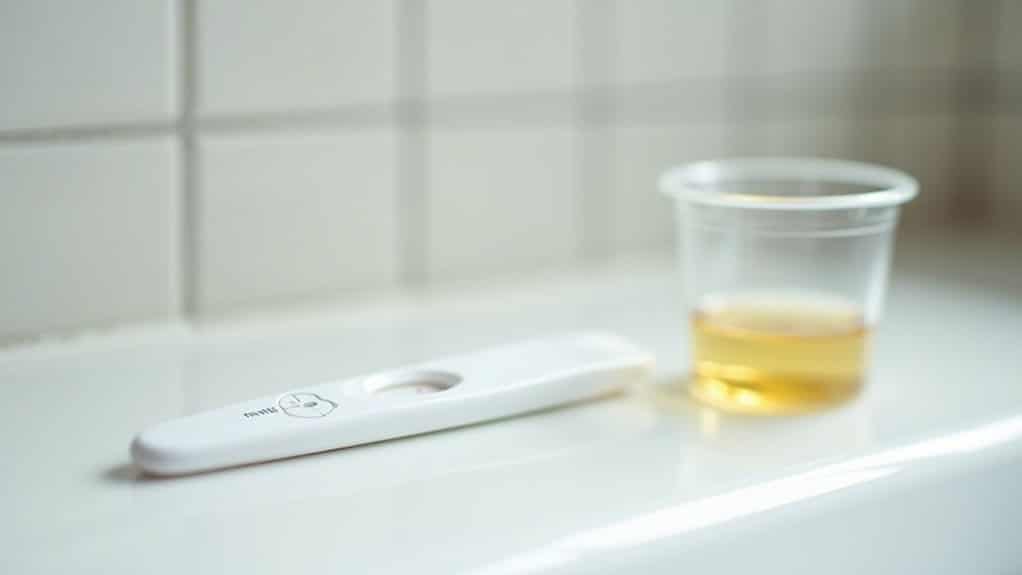
A urine pregnancy test cannot detect cocaine because each assay targets a different molecule. A standard pregnancy test detects human chorionic gonadotropin (hCG), the hormone your body produces during pregnancy. It’s built to react to that specific molecule and nothing else. Cocaine and its primary metabolite, benzoylecgonine, aren’t part of the hCG detection pathway, so they won’t trigger a reaction. These are fundamentally different tests with different chemical targets.
If you need drug screening, you’ll require a separate urine drug test designed to identify benzoylecgonine or cocaine itself. A positive pregnancy result tells you nothing about drug exposure, and cocaine use won’t produce a false positive on an hCG test. They’re simply not interchangeable assays.
What Does a Pregnancy Test Actually Measure
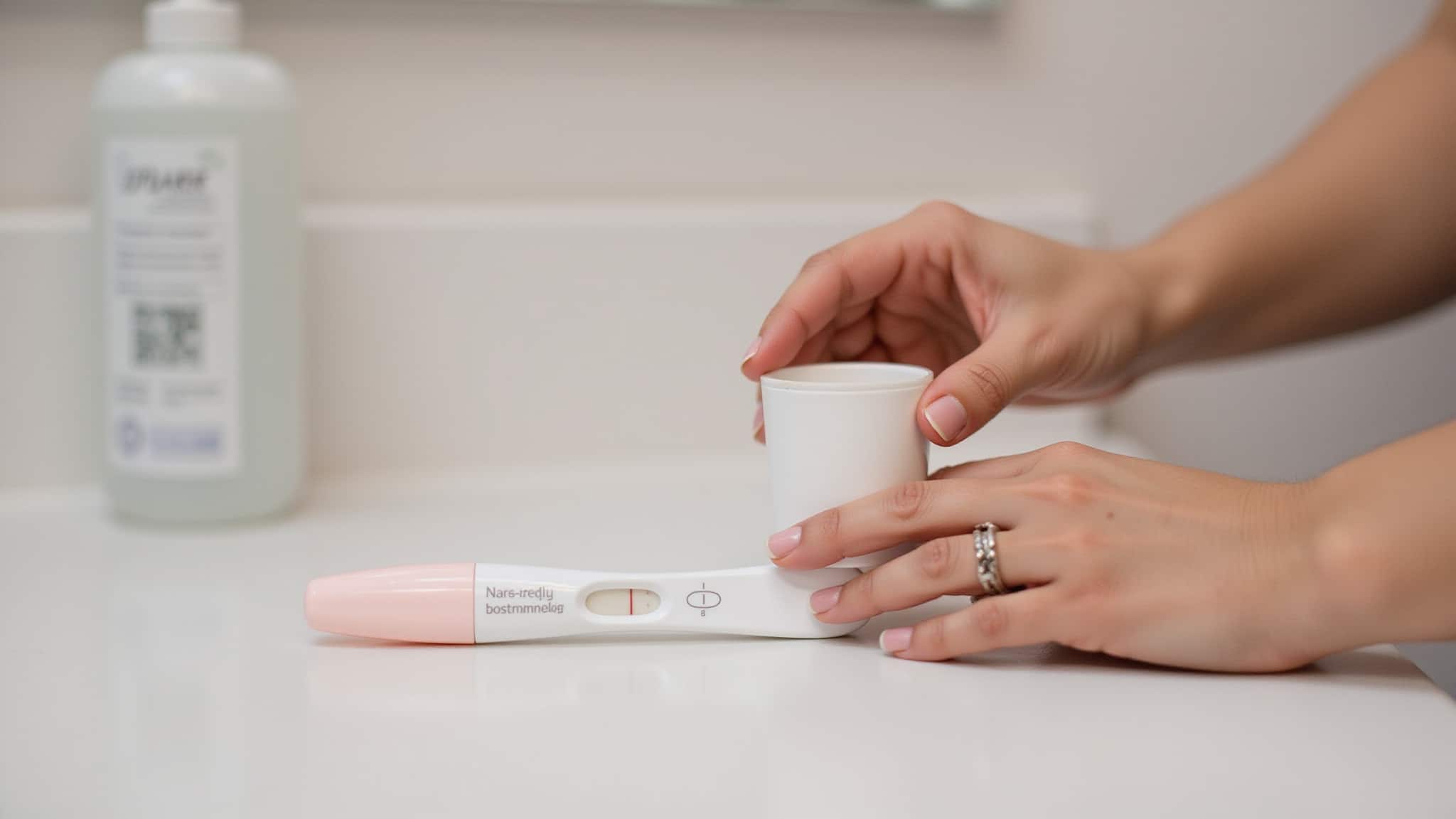
A pregnancy test measures human chorionic gonadotropin, or hCG, a hormone your body produces during pregnancy. The assay uses antibodies engineered to bind specifically to hCG molecules, triggering a visible reaction when the hormone’s present in your urine. That’s the entire scope of what these screening tests target. They don’t recognize drug compounds, and they won’t react to benzoylecgonine, the primary cocaine metabolite that toxicology assays detect. Because the antibodies are structurally specific to hCG, cocaine and its metabolites simply pass through undetected. The test answers one clinical question, pregnancy status, and nothing else. If you’re wondering about cocaine exposure, this assay physically can’t provide that answer.
How Do Urine Drug Tests Detect Cocaine
Urine drug tests find cocaine by targeting benzoylecgonine, cocaine’s primary metabolite, which lingers far longer than the parent drug. Rapid immunoassays typically flag benzoylecgonine at a 150 ng/mL cutoff, while many laboratory methods use 300 ng/mL. This is fundamentally different from pregnancy testing, which detects hCG, a hormone the cocaine assay never measures. Because drug screening relies on metabolite-specific antibodies, you’ll usually detect cocaine use for 2 to 4 days, extending to 10 to 22 days in heavy users. Presumptive positives then move to confirmation testing, often gas chromatography-mass spectrometry, which identifies both cocaine and benzoylecgonine precisely. So the test doesn’t chase the fast-clearing parent compound, it tracks the durable metabolite instead.
How Long Does Cocaine Stay in Your System
Cocaine stays in your system for about 2 to 4 days with occasional use, though heavy or chronic use extends that window to 10 to 22 days depending on dose, frequency, and individual metabolism. The detection window depends on which compound you’re measuring and how much you’ve used. When you take a urine drug test, the assay typically targets benzoylecgonine, cocaine’s primary metabolite, rather than the parent drug.
| Usage Pattern | Detection Window |
|---|---|
| Single/occasional use | 2 to 4 days |
| Moderate use | 4 to 7 days |
| Heavy use | 10 to 14 days |
| Chronic/heavy use | Up to 22 days |
| Confirmation (GC-MS) | Same range, higher specificity |
Your hydration, kidney function, and metabolic rate all influence how quickly benzoylecgonine clears, so these ranges represent estimates, not fixed guarantees.
Can Drug Use Cause a False Positive on a Pregnancy Test

Drug use can’t cause a false positive on a pregnancy test. You’re dealing with two chemically distinct targets: a pregnancy test detects hCG, while cocaine and its metabolite benzoylecgonine sit entirely outside that assay’s binding specificity. The antibodies in a pregnancy test recognize hCG’s molecular structure only, so cocaine can’t bind, react, or shift the result line. That means drug use can’t produce false positives on a pregnancy test through any pharmacological pathway. Cocaine and nasal health concerns are often overlooked when discussing the drug’s broader impact. Prolonged use may lead to a range of issues, including chronic sinusitis and nasal septum damage.
If you see a positive result, it reflects hCG presence, a testing error, or a defective device, not cocaine exposure. The reverse also holds: cocaine won’t mask or invalidate a genuine pregnancy reading. To detect cocaine, you’d need a separate assay calibrated for benzoylecgonine, because these tests simply don’t overlap.
How Does Stimulant Use Affect a Pregnancy
Stimulant use during pregnancy carries clinical consequences that a separate toxicology screen can help identify, though a pregnancy test won’t tell you anything about drug exposure. Because hCG vs benzoylecgonine are entirely different testing targets, you’ll need dedicated urine drug testing to document exposure. The pregnancy impact of stimulant use is well characterized: cocaine constricts placental blood vessels, reducing fetal oxygen and nutrient delivery. This can trigger placental abruption, preterm labor, and intrauterine growth restriction. You might also see low birth weight and neurobehavioral disturbances in the newborn. If you’re pregnant and using stimulants, you should request a benzoylecgonine-specific screen, not rely on your pregnancy test. Identifying exposure early lets your clinician monitor for these complications and coordinate appropriate prenatal and neonatal care. ADHD medication interactions with cocaine can exacerbate cardiovascular risks and lead to increased side effects. Consequently, it is crucial to keep healthcare providers informed about any stimulant usage to ensure safe management strategies.
Conclusion
A standard urine pregnancy test cannot detect cocaine, because it only looks for the pregnancy hormone hCG and nothing else. Detecting cocaine requires a separate drug screen designed for that purpose. If worries about cocaine use are behind the question, that concern deserves real attention rather than a home test. Cocaine addiction is treatable, and reaching out is a sign of strength. If cocaine is affecting you or someone you love, The Hope Institute in West Milford, NJ offers compassionate treatment to help you find hope on the other side.
How to Find Confidential Help if You’re Pregnant and Struggling With Substance Use
Facing cocaine use during pregnancy takes courage, and the right care team offers safe, judgment-free support for both you and your baby. At The Hope Institute in in Pompton Lakes, NJ, our caring team offers compassionate outpatient Cocaine Addiction Treatment shaped around your heart, your history, and your hopes. Call +1 (855) 659-2310 today and let us help you find yourself again.
Frequently Asked Questions
Can At-Home Pregnancy Tests Be Used to Test for Drugs?
No, you can’t use at-home pregnancy tests to screen for drugs. They’re designed to detect hCG, the pregnancy hormone, not drug metabolites like benzoylecgonine, cocaine’s primary marker. These are entirely different assays with different targets and detection methods. If you’re concerned about drug exposure, you’ll need a specific urine drug screen or toxicology panel, often confirmed by gas chromatography-mass spectrometry, since a pregnancy test won’t detect substances at all.
Do Prenatal Vitamins or Medications Affect Urine Drug Screen Results?
Prenatal vitamins won’t affect your urine drug screen, since they don’t contain compounds that cross-react with cocaine or benzoylecgonine assays. Some medications, though, can trigger false positives on immunoassay-based screens. If you’re concerned about a result, you’ll want confirmation testing by gas chromatography-mass spectrometry, which specifically identifies cocaine and benzoylecgonine. Always tell your provider what you’re taking, so they can interpret your screen accurately and order confirmatory analysis when needed.
Are Drug Test Results Shared With Law Enforcement During Pregnancy?
It depends on your jurisdiction and clinical circumstances. Generally, your drug test results stay protected under medical confidentiality laws, so they aren’t automatically shared with law enforcement. However, some states have mandatory reporting requirements when substance use is suspected during pregnancy, particularly if it involves child welfare concerns. You’ll want to know your local laws, since policies vary widely and can trigger reporting to social services or authorities.
Can Secondhand Exposure to Cocaine Cause a Positive Urine Test?
You’re unlikely to test positive from secondhand cocaine exposure. Urine cocaine screens detect benzoylecgonine, typically using a 150 ng/mL cutoff, and incidental environmental contact won’t produce enough metabolite to cross that threshold. Passive exposure doesn’t deliver the systemic dose needed for detectable metabolism. If you do screen positive, confirmation testing via gas chromatography-mass spectrometry will identify actual cocaine or benzoylecgonine, reflecting real exposure rather than trace environmental contamination.
How Much Does a Separate Urine Drug Screen Cost?
The cost of a urine drug screen varies widely depending on where you get it. Basic over-the-counter test kits often run from about $10 to $40, while a lab or clinic test can range from roughly $30 to well over $100, and prices differ by provider, location, and whether insurance applies. Many clinics, urgent care centers, and treatment programs offer testing, and some is covered by insurance or offered at low cost.