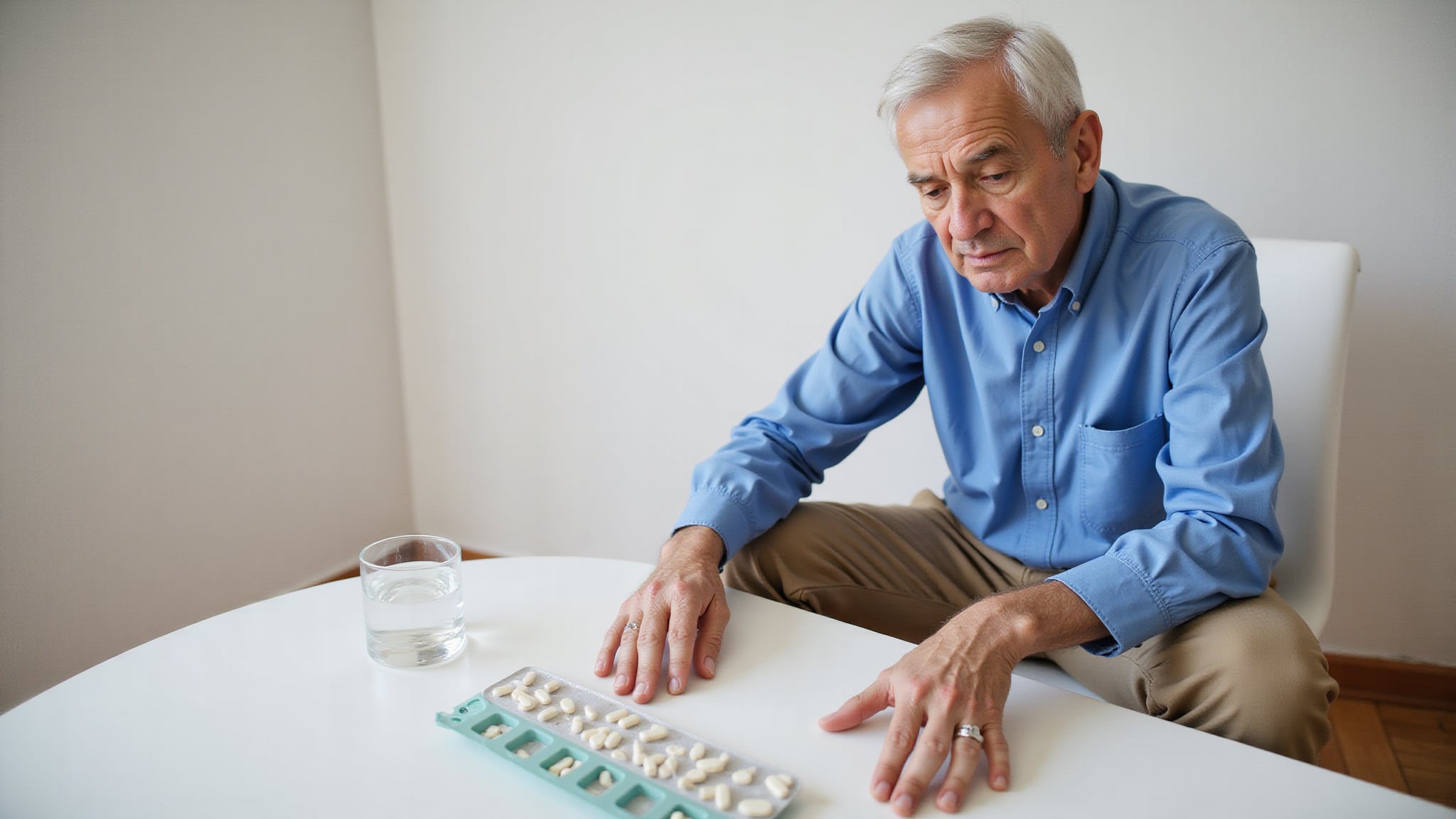
Opioid dependence reshapes the brain circuits you rely on for reward, stress, and self-control. Your body makes its own opioids, like endorphins, to ease pain and lift mood. With repeated use, your brain adapts. Everyday pleasures like food, music, and connection start feeling muted. As each dose wears off, withdrawal brings distress and craving. Soon you’re using to escape feeling bad, not to feel good. Recovery is possible, and understanding each stage shows you how.
Key Takeaways
- Opioid dependence rewires the brain’s reward, emotion, stress, and self-control circuits, changing how you experience and manage feelings.
- The brain’s natural endorphins and enkephalins normally ease stress and pain, but repeated opioid use disrupts this built-in mood regulation.
- With tolerance, opioids stop lifting mood and mainly relieve the distress and withdrawal they help create.
- Everyday pleasures like food, music, and connection feel muted, fueling anhedonia, craving, and reliance on opioids for coping.
- Protracted withdrawal can keep mood low for months, but medication for opioid use disorder and therapy that rebuilds responses to natural rewards can help recovery.
How does opioid dependence change mood regulation

Opioid dependence makes mood harder to regulate by reshaping the brain circuits that handle reward, emotion, stress, and self-control, not just by changing how your body responds to a drug. Over time, opioid cues can grab your attention more strongly, and everyday pleasures may feel muted. Research links this reduced sensitivity to natural rewards with anhedonia and craving. Withdrawal can bring negative emotions that intensify the urge to use. If opioids have relieved your distress before, your brain may learn to treat them as a coping tool, reinforcing repeated use. Studies also show blunted responses to pleasant stimuli and altered activity between prefrontal control systems and limbic emotion centers. These are group-level findings, so your experience may differ, but they explain why managing mood can feel harder during dependence and recovery.
What the body’s own opioid system normally contributes to mood
Your brain makes its own opioids, including endorphins, enkephalins, and dynorphins, that help shape how you feel from moment to moment, long before any medication enters the picture.
These chemicals act on receptors in circuits that handle reward, emotion, and stress. When you share a meal, laugh with friends, or finish a hard workout, endorphins and enkephalins help produce feelings of pleasure, comfort, and calm. During pain or stress, they help ease physical and emotional discomfort. Dynorphins work differently, contributing to unpleasant feelings that can signal threat or overload.
Together, this system helps you enjoy ordinary experiences and recover from distress. Repeated opioid use is associated with changes in these reward, emotion, and stress circuits, which can disrupt the balance you’ve come to rely on.
How tolerance shifts mood from drug-boosted to drug-dependent

With repeated use, your brain adapts, so an opioid that first amplified the pleasure and calm your own opioid system normally provides may stop lifting your mood and instead relieve distress it helped create. Changes in circuits governing reward, emotion, stress, and cognitive control can keep a cycle going well beyond the high itself. Opioid-related cues gain outsized importance, and ordinary rewards like food, music, or connection may register less strongly. Studies of people with opioid misuse report blunted positive responses to pleasant experiences, a pattern linked to anhedonia and craving. As the drug wears off, withdrawal can bring negative emotions that fuel craving. These are group-level findings, so your experience may differ, but the shift is common.
Why avoiding withdrawal replaces pleasure as the driver
Avoiding withdrawal replaces pleasure as the driver because, after your brain adapts to opioids, using becomes a way to escape how you feel without the drug rather than a way to chase a high. Withdrawal brings negative emotions and craving, and prolonged use can produce neuroadaptations that keep this cycle going beyond intoxication. At the same time, your brain may respond less to ordinary rewards, so food, connection, or hobbies can feel less compelling. That reduced response may contribute to anhedonia and stronger craving.
Each time an opioid relieves distress, that relief reinforces use, teaching your brain to treat opioids as a coping response. In one sample of people dependent on prescription opioids, 94% reported frequently misusing them to relieve negative affect. You’re not chasing pleasure anymore. You’re trying to feel less bad.
How mood tracks the dosing cycle once dependence is established
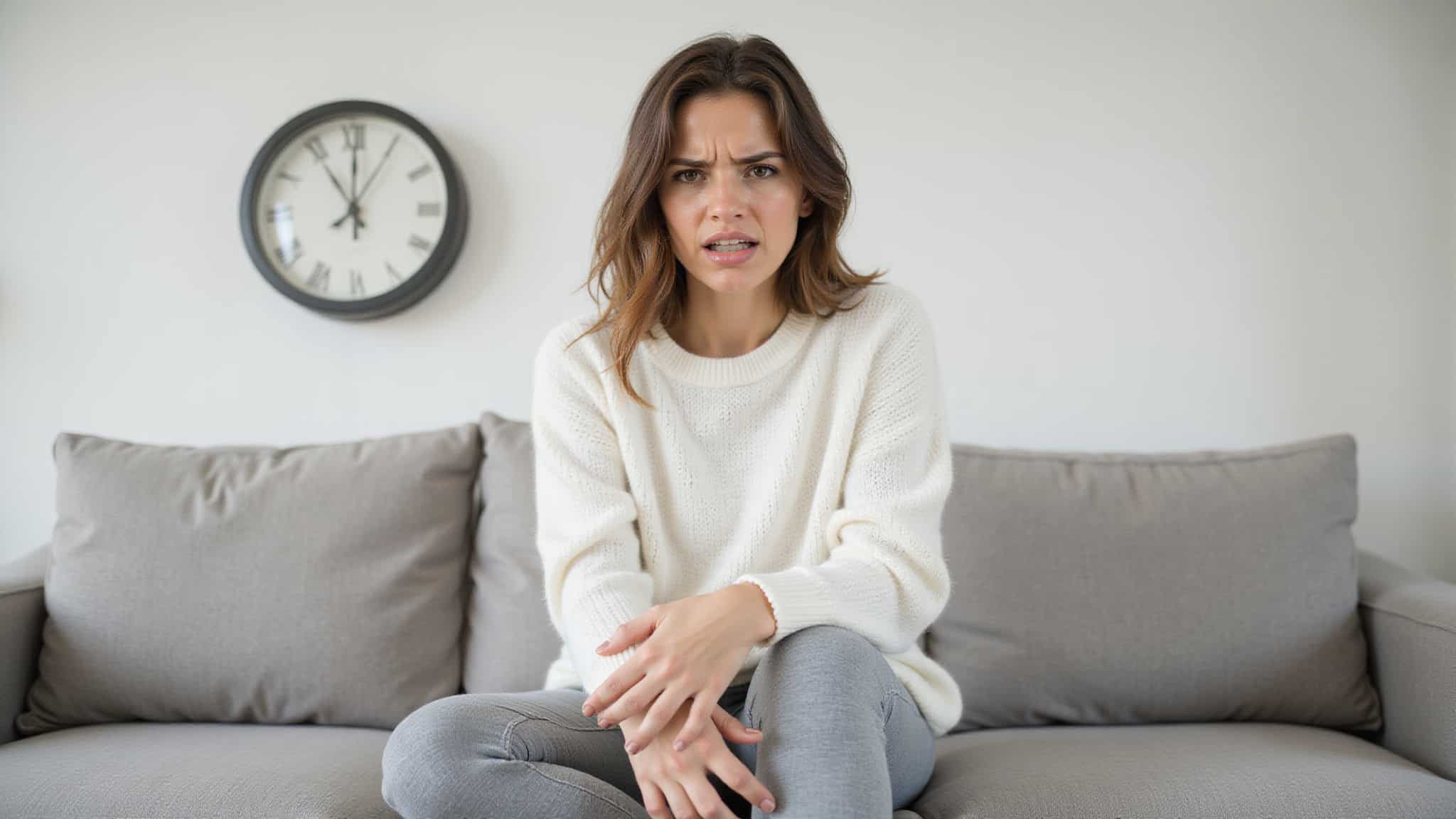
Your mood often rises and falls with each dose, easing briefly after use and sinking as the dose wears off. Research describes an addiction cycle of intoxication, negative emotional states, and craving during withdrawal. Over time, you may feel relief more than pleasure.
| Phase | What You May Feel | What’s Happening |
|---|---|---|
| After a dose | Brief relief, calm | Distress eases, reinforcing use |
| Between doses | Flat, less interest | Ordinary rewards feel blunted |
| Wearing off | Irritability, unease | Withdrawal brings negative emotionality |
| Withdrawal | Strong craving, low mood | Distress and cues intensify urges |
| Cue exposure | Sudden pull toward use | Cues signal anticipated reward |
These patterns reflect group-level findings, not a diagnosis. If your emotions seem tied to dosing, that’s a recognized effect of neuroadaptation, and treatment can directly target both mood and your opioid use.
What protracted withdrawal does to mood for months afterwards
Protracted withdrawal can keep your mood low and make ordinary pleasures feel muted long after acute withdrawal ends. Prolonged opioid use can produce neuroadaptations in circuits that govern reward, emotion, stress, and cognitive control, and these changes don’t vanish when acute withdrawal is over. Food, music, and time with people may feel less rewarding. Researchers link this reduced sensitivity to natural rewards with anhedonia, and anhedonia with craving. Opioid-related cues can also trigger strong reactions because your brain learned to tie them to anticipated reward. Distress can intensify craving, and if you once used opioids to quiet negative feelings, low mood may revive that learned response. These symptoms overlap, so it’s hard to separate depression from withdrawal or craving. Recognizing the pattern matters, because treatments that strengthen responses to natural rewards are associated with reduced craving.
How mood regulation recovers and what supports it
Research suggests your brain’s capacity to regulate mood and respond to natural rewards can improve with treatment, even after opioid use has dulled your response to everyday pleasures. Imaging studies link medication for OUD to weaker responses to opioid cues in some contexts, which may ease craving’s pull on you. Mindfulness-Oriented Recovery Enhancement (MORE) adds another route: it trains you to notice cravings and savor ordinary positive experiences. In research, MORE reduced opioid-cue reactivity and strengthened responses to natural rewards, and those stronger positive responses tracked with lower craving. In people with chronic pain and OUD, it also improved EEG markers of responding to positive emotional cues. Results vary by person, so it’s worth seeking care that treats your mood and reward alongside opioid use.
Conclusion
Opioid dependence does not just change how a drug affects you, it reshapes the reward, stress, and self-control circuits you rely on to manage your mood. That is why ordinary pleasures start to feel muted, why avoiding withdrawal eventually replaces chasing a high, and why low mood can linger for months after the last dose. None of it means the capacity to feel is gone for good. Those same circuits can recover, and treatment that targets mood and reward alongside the opioid use is what gives them the room to do it.
Treat the Mood and the Opioid Use Together
If opioid use has flattened the things that used to bring you pleasure and made your mood hard to steady, both sides can be treated at once. The Hope Institute in Wayne, NJ provides outpatient heroin and opioid addiction treatment with individual and group therapy, alongside dual diagnosis treatment for the depression and anxiety underneath. Contact us to verify your insurance or call (855) 659-2310 to talk it through.
Frequently Asked Questions
Can Existing Depression or Anxiety Increase the Risk of Developing Opioid Dependence?
Yes, existing depression or anxiety can raise your risk. A longitudinal study of more than 34,000 adults found that baseline mood and anxiety disorders predicted later nonmedical opioid use and dependence. If you’re struggling with distress, opioids may relieve it temporarily, and that relief can reinforce repeated use. This doesn’t mean you’ll develop dependence, but it’s worth discussing your mood symptoms with a clinician early, so they can support you.
How Common Are Mood Disorders Among People Diagnosed With Opioid Use Disorder?
Mood disorders show up often: they appeared in 36.3% of health-center visits involving adults with OUD, and anxiety disorders appeared in 33.8%. Overall, 52.9% of those visits included a co-diagnosed mental health condition. Keep in mind that these numbers reflect diagnoses recorded at visits, so they don’t capture everyone with OUD. If you’re facing both, you’re not alone, and you deserve care that addresses your mood and opioid use together.
Can Brain Scans or Heart-Rate Tests Diagnose Opioid Use Disorder?
No, brain scans and heart-rate tests can’t diagnose opioid use disorder. Researchers have linked OUD to altered reward-circuit activity, dampened amygdala and insula responses, and reduced heart-rate variability during emotion-regulation tasks. But these are group-level findings that vary by task, sample, and treatment status. They aren’t individual diagnostic tests. If you’re concerned about your opioid use, a clinician can evaluate your symptoms and history directly.
Does Thought Suppression Make Opioid Cravings Worse During Low Moods?
It may. In a study of 115 people using prescription opioids long-term, depressed mood went along with craving, and thought suppression statistically explained part of that link. So when you’re low and push opioid thoughts away, you might feel cravings more intensely. Still, this shows a group-level association, not proof that suppression causes worse cravings for you. Researchers are testing mindfulness approaches that help you notice urges without fighting them.
How Do Family Members Tell Mood Symptoms Apart From Opioid Withdrawal?
You often can’t reliably separate them by observation alone, because mood symptoms, withdrawal, and craving overlap. Withdrawal brings negative emotions and craving, while mood and anxiety disorders can exist before opioid dependence begins. You can note when low mood, anxiety, or loss of pleasure appear and how they relate to opioid use, then share those observations with a clinician, who can assess both conditions together rather than you guessing alone.