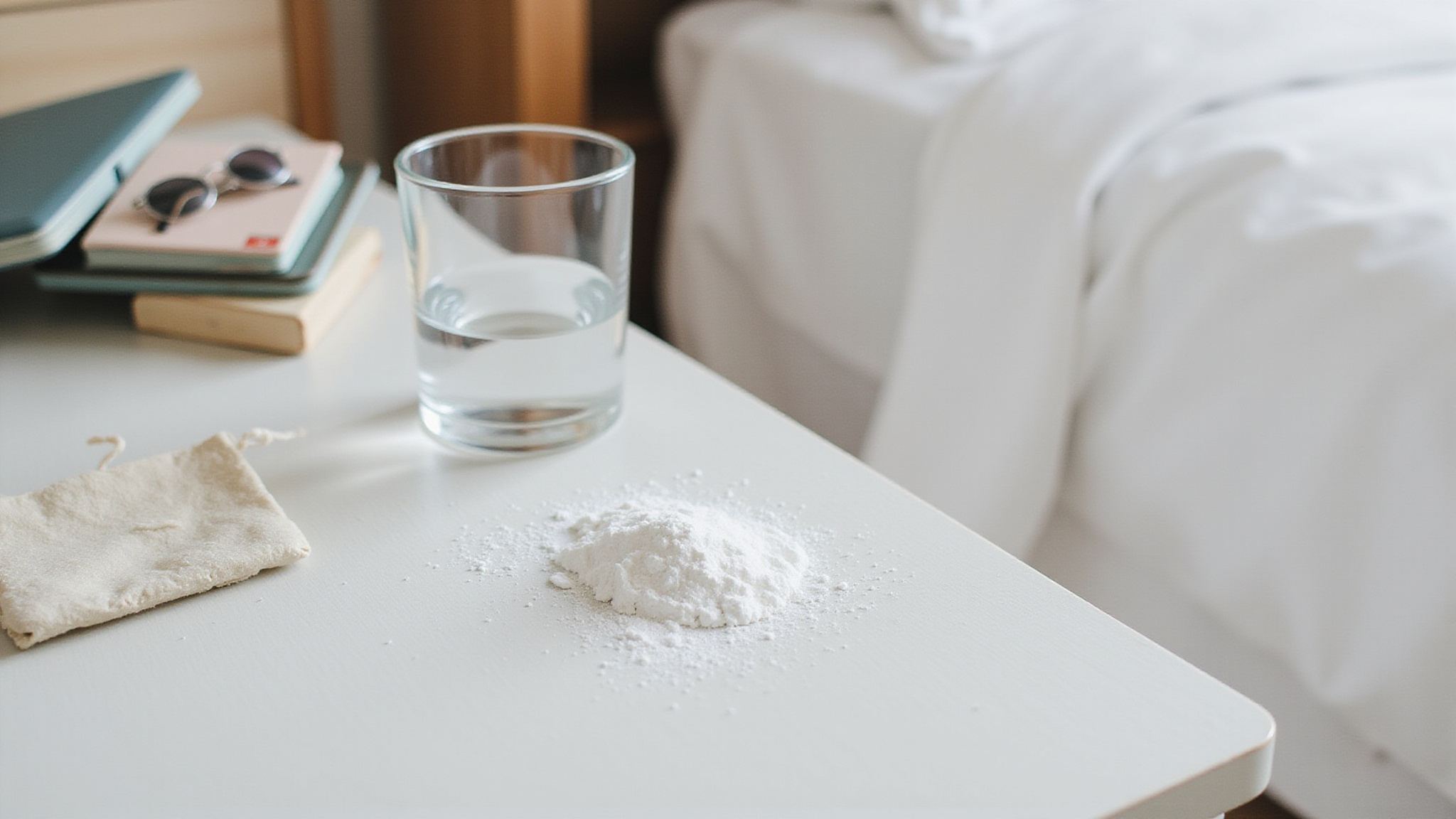
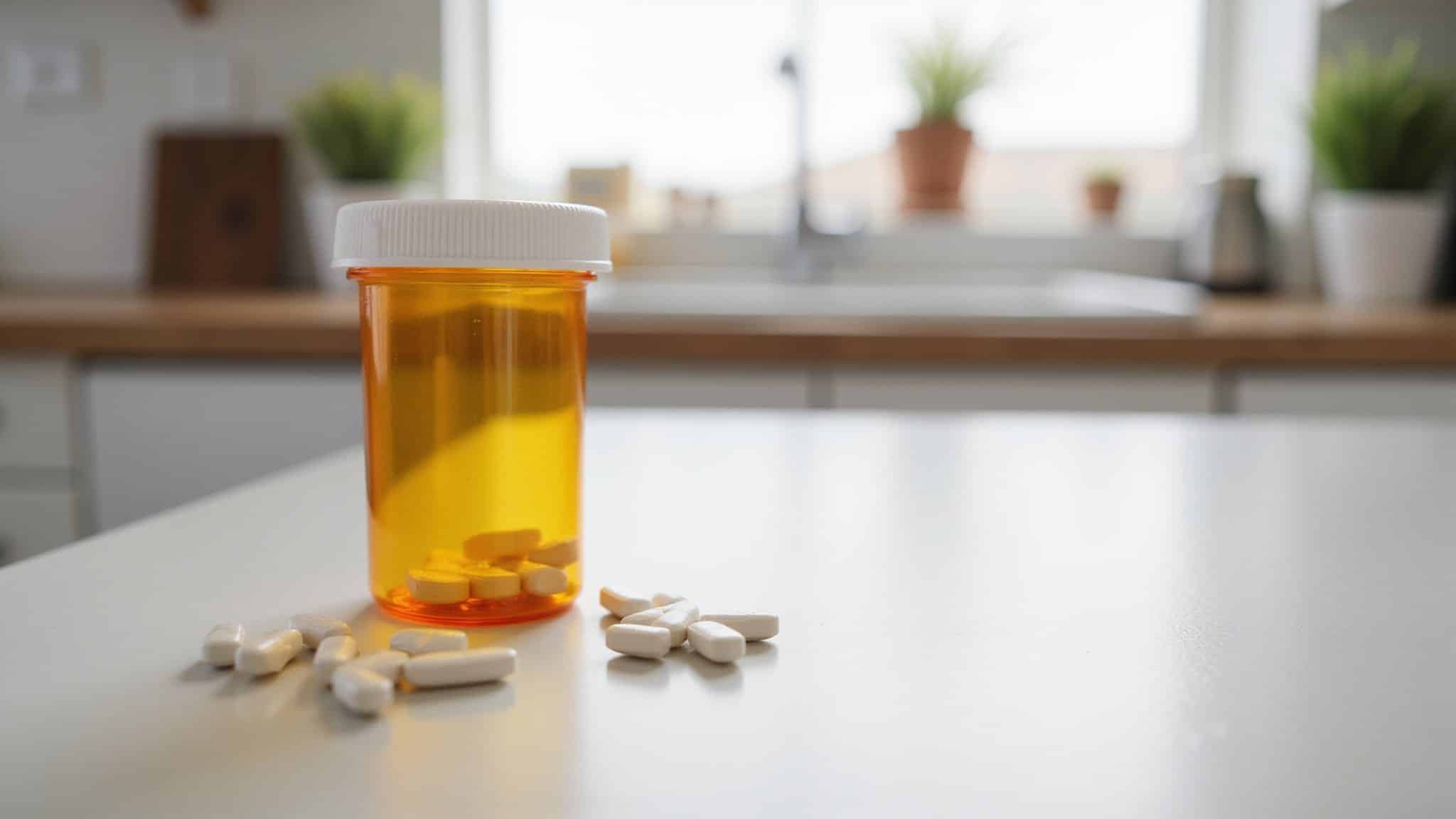
A heroin overdose doesn’t give off a distinct smell of its own. Any smell you notice usually comes from the surrounding environment or paraphernalia, not the overdose itself. You might detect burnt foil, chemical residue, or vinegar-like scents tied to the drug’s formulation. But odor alone can’t confirm an overdose. You’ll need to rely on clinical signs like slowed breathing and pinpoint pupils. Understanding what heroin actually smells like tells you more.
Key Takeaways
- An overdose itself does not produce a unique or distinct odor that can identify it.
- Any smell typically comes from the surrounding environment, paraphernalia, or the heroin’s formulation rather than the overdose.
- Heroin odors vary widely, ranging from odorless white powder to strong vinegar-scented black tar.
- Smells like burnt foil, chemicals, or vinegar indicate heroin use, not overdose specifically.
- Rely on clinical signs like shallow breathing, pinpoint pupils, and bluish lips to identify an overdose.
Do People Who Overdose on Heroin Have a Distinct Smell

People who overdose on heroin do not have a distinct smell. You might assume the body produces a specific heroin odor during overdose, but the evidence doesn’t support this. An overdose itself doesn’t generate a distinct smell. Instead, any odor you detect usually comes from the surrounding environment, such as burnt foil, chemical residue, or a vinegar-like scent linked to certain formulations like black tar heroin. These smells indicate use or paraphernalia, not overdose.
You should focus on clinical overdose signs rather than scent. Watch for slowed or stopped breathing, pinpoint pupils, bluish lips, and unresponsiveness. Odor varies too widely, by formulation, adulterants, and method of use, to serve as a reliable indicator. Never let smell replace symptom-based assessment.
What Does Heroin Smell Like
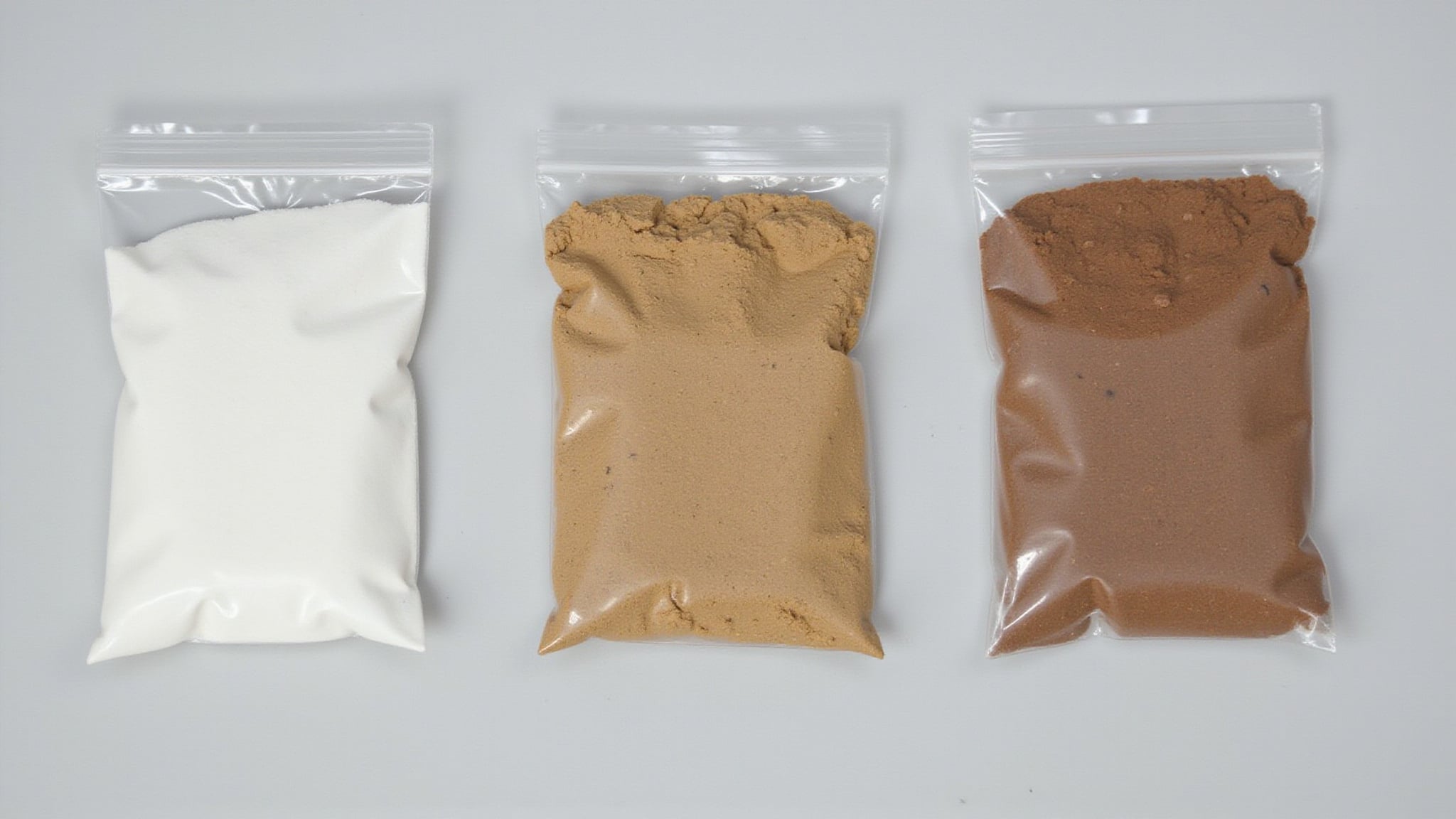
Heroin’s smell depends on its formulation, so no single description applies to every form. If you encounter white or highly purified heroin, you’ll notice little to no odor. Brown powdered heroin often smells slightly acidic or chemical, while black tar heroin commonly carries a strong vinegar or sour acid odor. Some street varieties present rubber, tar, burnt sugar, or sour milk notes, reflecting processing methods, impurities, and additives.
The method of use also affects detection. When someone smokes heroin, you’ll detect a burnt plastic, chemical, or metallic smell, often more noticeable than snorting or injecting. Injected heroin may produce minimal odor initially.
Why Does It Smell Like Vinegar
The vinegar odor comes from processing chemistry, specifically the acetylation reactions used to convert morphine into heroin. During manufacturing, morphine reacts with acetic anhydride, and the process leaves behind residual acetic acid, the same compound that gives vinegar its sour smell. When that acid isn’t fully removed during purification, you’ll detect it in the final product.
You’ll notice this odor most strongly with black tar heroin, where crude processing leaves higher residual concentrations. Brown powdered forms may carry a fainter acidic note, while highly purified white heroin often smells like nothing at all.
Do Different Types Have Different Smells
Different types of heroin do have different smells, and the differences track directly with formulation and processing. The form of heroin you encounter determines its odour profile, because impurities, additives, and manufacturing methods introduce distinct volatile compounds. Purer preparations carry minimal scent, while less-refined variants produce sharper, more identifiable notes.
| Heroin Type | Reported Odour |
|---|---|
| White/purified heroin | Little to no smell |
| Brown powdered heroin | Slightly acidic or chemical |
| Black tar heroin | Strong vinegar or sour acid |
| Street heroin (adulterated) | Rubber, tar, burnt sugar, sour milk |
You should note that these descriptions remain inconsistent across sources, since local supply, cuts, and adulterants alter perception. Odour never confirms exposure with certainty, and it can’t distinguish routine use from overdose. Rely on clinical signs instead.
Can Use Change Someone’s Breath, Sweat, or Clothing Odor

Heroin use can change the odour a person carries on their breath, skin, or clothes, and the effect depends largely on formulation and method of use. When someone smokes heroin, the smoke deposits a burnt plastic, chemical, or metallic smell on their breath, hair, and clothing. Heating on foil transfers a burnt foil odour to nearby fabrics. Injected heroin produces little obvious smell initially, though some sources note faint traces may later surface through sweat or residue. Black tar heroin’s vinegar-like odour can cling to skin and clothes, while purified white powder often leaves minimal scent. These odours indicate use, not overdose. You can’t rely on breath, sweat, or clothing smell to confirm an overdose. Clinical signs remain the dependable indicators.
What Are Other Warning Signs of Heroin Use and Overdose
Other warning signs of heroin use and overdose include slow, shallow, or stopped breathing, the central warning sign of opioid toxicity. Pinpoint pupils frequently accompany heroin overdose, alongside bluish lips or fingernails that signal low oxygen. Loss of consciousness or an inability to wake someone constitutes an emergency. Factors influencing heroin dependency can include environmental factors, such as exposure to substance abuse in the household or community. Understanding these factors is crucial for developing effective prevention and treatment strategies.
You may also observe signs of ongoing use: needle marks, drug paraphernalia, drowsiness, or slurred speech. None of these depends on smell.
If you suspect an overdose, don’t rely on odour. Call emergency services immediately, administer naloxone if it’s available, and monitor breathing until help arrives. Prioritising these clinical signs over scent gives you the safest, most reliable assessment.
Conclusion
There is no single reliable smell that signals a heroin overdose, and waiting for one is dangerous. The real warning signs are physical: slow or stopped breathing, blue-tinged lips or skin, pinpoint pupils, gurgling sounds, and unresponsiveness. If you suspect an overdose, call emergency services immediately and give naloxone if it is available, since acting fast saves lives. Knowing these signs matters far more than any odor. If heroin is putting someone you love at risk, The Hope Institute in West Milford, NJ offers compassionate treatment to help them find a safer path forward.
How to Find Help for a Loved One
Heroin has taken so much, but reaching out for help right now can change the entire direction of your story. At The Hope Institute in West Milford, NJ, our caring team offers compassionate outpatient Heroin Addiction Treatment with medical safety, warmth, and understanding at every step. Call +1 (855) 659-2310 today and let us walk with you toward a safer tomorrow.
Frequently Asked Questions
How Quickly Does Naloxone Work During a Heroin Overdose?
Naloxone typically works within two to three minutes when administered during a heroin overdose. You’ll often see breathing improve and consciousness return in that window. If you don’t observe a response within two to three minutes, administer a second dose. The drug’s effects can wear off before the opioid clears, so you’ll need to monitor breathing continuously and seek emergency help, since re-sedation and repeat overdose remain possible risks.
Can You Overdose on Heroin the First Time Using It?
Yes, you can overdose the very first time you use heroin. You’ve got no established tolerance, so even a small or standard dose can suppress your breathing to fatal levels. Purity varies unpredictably, and contaminants like fentanyl dramatically raise your risk. Watch for slowed or stopped breathing, pinpoint pupils, bluish lips, and unresponsiveness. If you suspect an overdose, call emergency services immediately, give naloxone if available, and monitor breathing.
Is It Safe to Leave Someone Alone After Naloxone?
No, you shouldn’t leave someone alone after naloxone. Naloxone’s effects wear off in 30 to 90 minutes, while heroin can remain active longer, so the overdose can return once naloxone clears. You’ll need to keep monitoring breathing and responsiveness, and be prepared to administer additional doses if symptoms recur. Call emergency services and stay with the person until professional help arrives. Don’t assume recovery’s complete just because they’ve woken up.
How Long Does a Heroin Overdose Take to Become Fatal?
A heroin overdose can turn fatal within minutes to a few hours, depending on dose, purity, tolerance, and whether other depressants are involved. Death typically results from respiratory failure, so you’re often looking at a window of roughly 1 to 3 hours before oxygen deprivation becomes lethal. Don’t rely on that timeframe, though, you should call emergency services immediately, administer naloxone if available, and monitor breathing until help arrives.
Can Mixing Heroin With Alcohol Increase Overdose Risk?
Yes, mixing heroin with alcohol markedly increases your overdose risk. Both substances depress your central nervous system, compounding respiratory depression. When you combine them, your breathing can slow or stop more readily than with either substance alone. This synergistic effect heightens the likelihood of hypoxia, unconsciousness, and death. You should watch for slowed breathing, bluish lips, and unresponsiveness, administer naloxone if available, and call emergency services immediately.