Yes, hydrocodone is addictive. It is an opioid painkiller, sold in combination products like Norco and Lortab and in extended-release forms like Hysingla ER, and it is a Schedule II controlled substance. Hydrocodone relieves pain by acting on opioid receptors in the brain, which also triggers a release of dopamine that can feel calming or euphoric. With regular use, the brain adapts, leading to tolerance, physical dependence, and for some people opioid use disorder. This can happen even when it is taken exactly as prescribed.
Key Takeaways
- Hydrocodone is a semi-synthetic opioid and a Schedule II controlled substance with high addiction potential.
- Dependence can develop even when it is taken exactly as prescribed, especially with daily use over weeks.
- Oxycodone is stronger per milligram, but both drugs carry a similar risk of addiction.
- Most hydrocodone pills also contain acetaminophen, so misuse can damage the liver.
- Medication-assisted treatment with buprenorphine or naltrexone, combined with therapy, is the most effective approach.
What Is Hydrocodone?
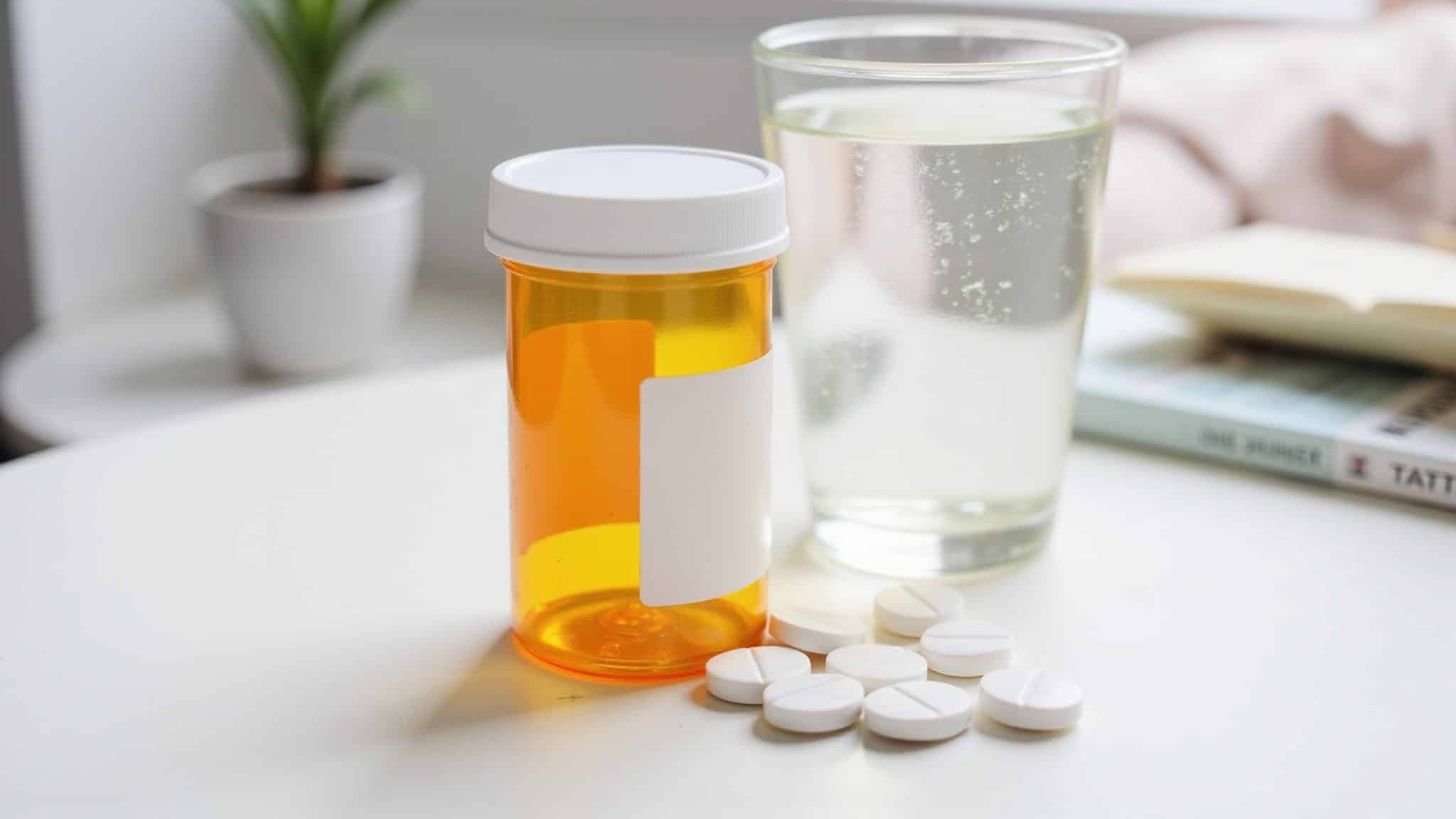
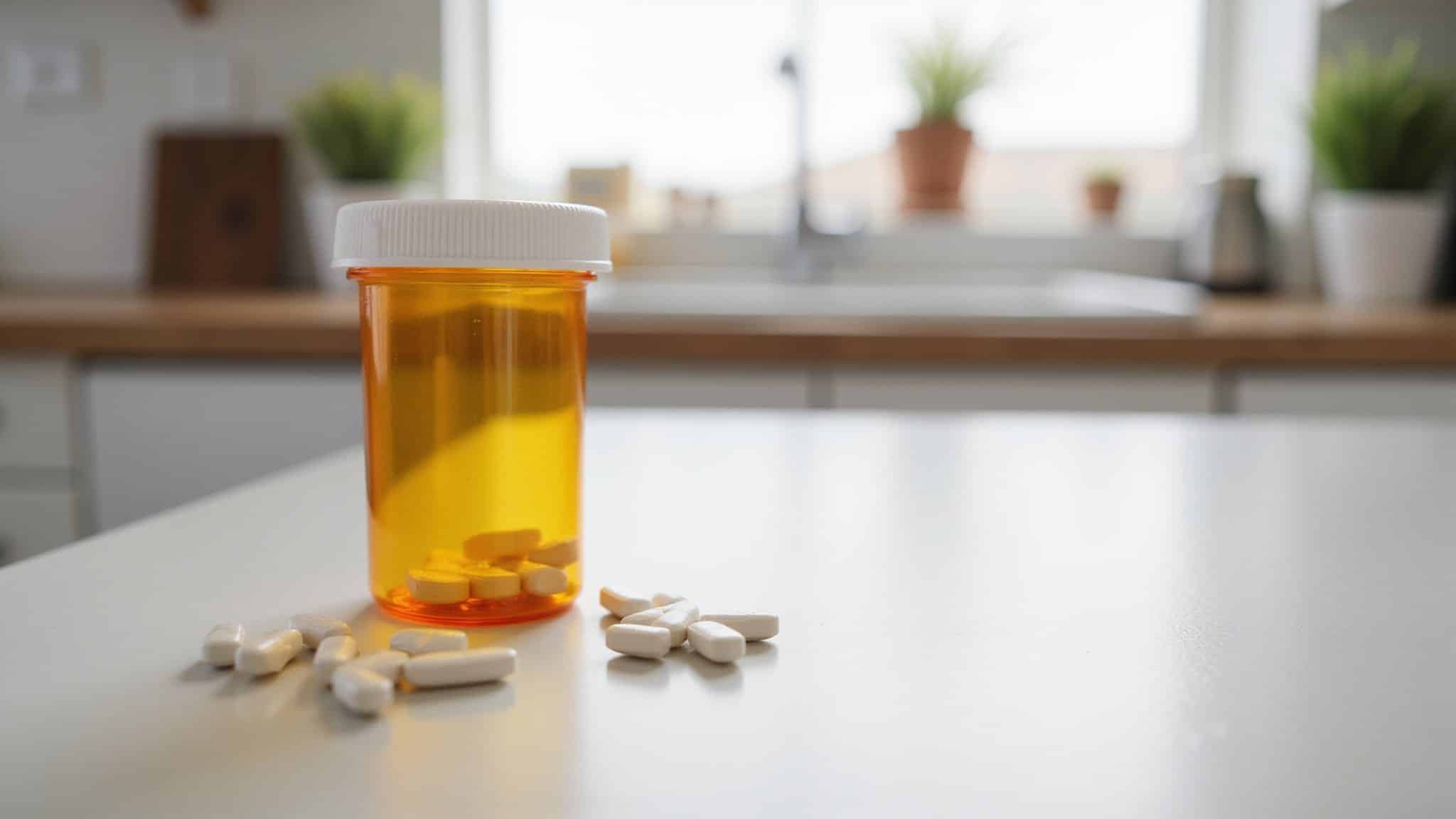
Hydrocodone is a prescription opioid used for moderate to severe pain. It is made from codeine, a natural compound in the opium poppy, which makes it a semi-synthetic opioid.
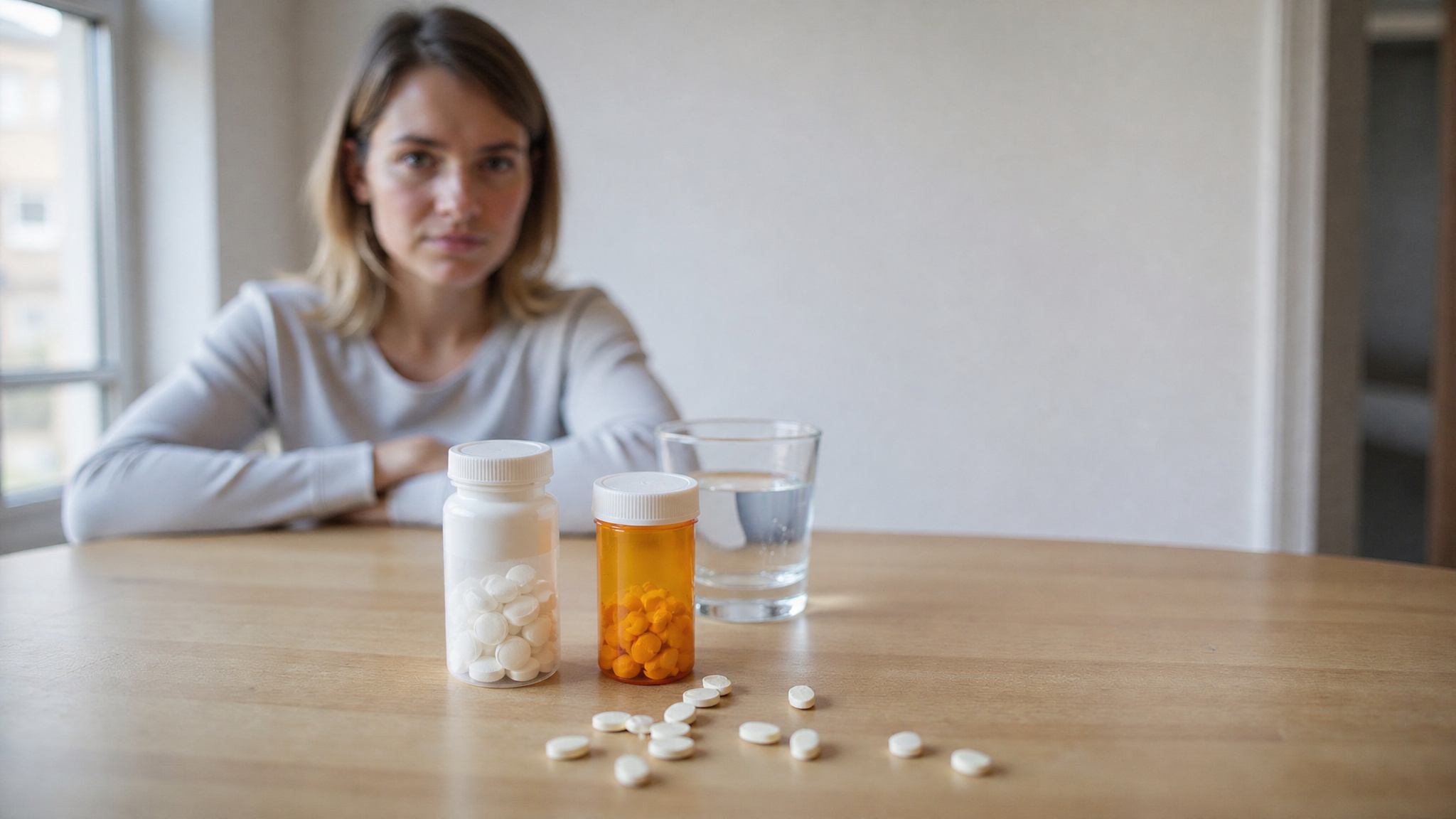
Most hydrocodone tablets combine it with acetaminophen. Common brand and generic versions include Norco, Lortab, and pills imprinted M365, M366, or M367. Extended-release versions that contain only hydrocodone are used for severe, long-term pain.
Why Is Hydrocodone Addictive?
Hydrocodone is addictive because it acts on the brain’s opioid and reward systems at the same time. When it binds to opioid receptors, it blocks pain signals and releases dopamine, creating relief, calm, and sometimes euphoria.
The brain learns quickly. With repeated doses, it reduces its own natural pain-relieving and feel-good chemicals and relies on the drug instead. That leads to three changes:
- Tolerance: the same dose no longer works as well, so you need more.
- Physical dependence: your body needs the drug to feel normal, and withdrawal starts without it.
- Addiction: you keep using despite harm, often with strong cravings and loss of control.
Risk climbs with longer prescriptions. Research has found that the chance of still using opioids a year later rises noticeably after the first five days of a prescription.
Is Hydrocodone as Addictive as Oxycodone?
Hydrocodone and oxycodone carry a similar risk of addiction. Both are Schedule II opioids that work the same way in the brain.
| Feature | Hydrocodone | Oxycodone |
|---|---|---|
| Common brands | Norco, Lortab, Hysingla ER | Percocet, OxyContin, Roxicodone |
| Strength per milligram | Baseline | About 1.5 times stronger |
| Controlled status | Schedule II | Schedule II |
| Addiction potential | High | High |
Oxycodone is more potent milligram for milligram, but potency is not the same as risk. Dose, how long you take it, and how you take it matter more.
What Are the Signs of Hydrocodone Addiction?
Signs of hydrocodone addiction include changes in how you take the drug and how it affects your life.
Behavioral Signs
- Taking more pills or taking them more often than prescribed
- Running out early or asking for refills sooner
- Seeing several doctors to get more prescriptions
- Crushing, chewing, or snorting pills for a faster effect
- Using pills for stress, sleep, or mood rather than pain
- Pulling away from family, work, or hobbies
Physical Signs
- Drowsiness, nodding off, or slurred speech
- Pinpoint pupils
- Constipation and nausea
- Withdrawal symptoms between doses
Many of these signs apply to other medications too, and they match the wider signs of prescription drug addiction that clinicians screen for.
What Are the Risks of Hydrocodone Misuse?

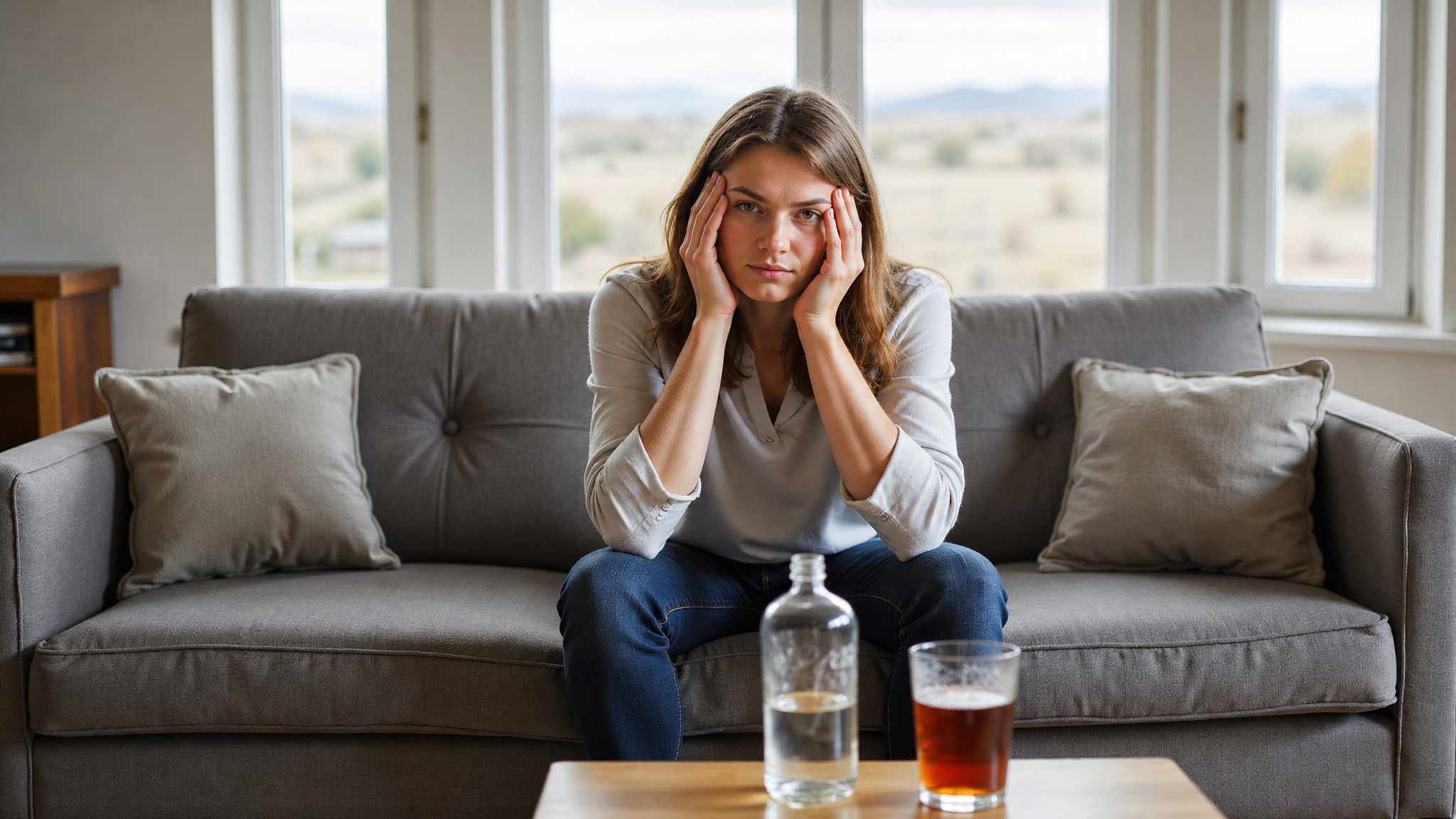
The most serious risk of hydrocodone misuse is overdose from slowed breathing. The danger rises sharply when it is combined with alcohol, benzodiazepines, muscle relaxers, or sleep medications.
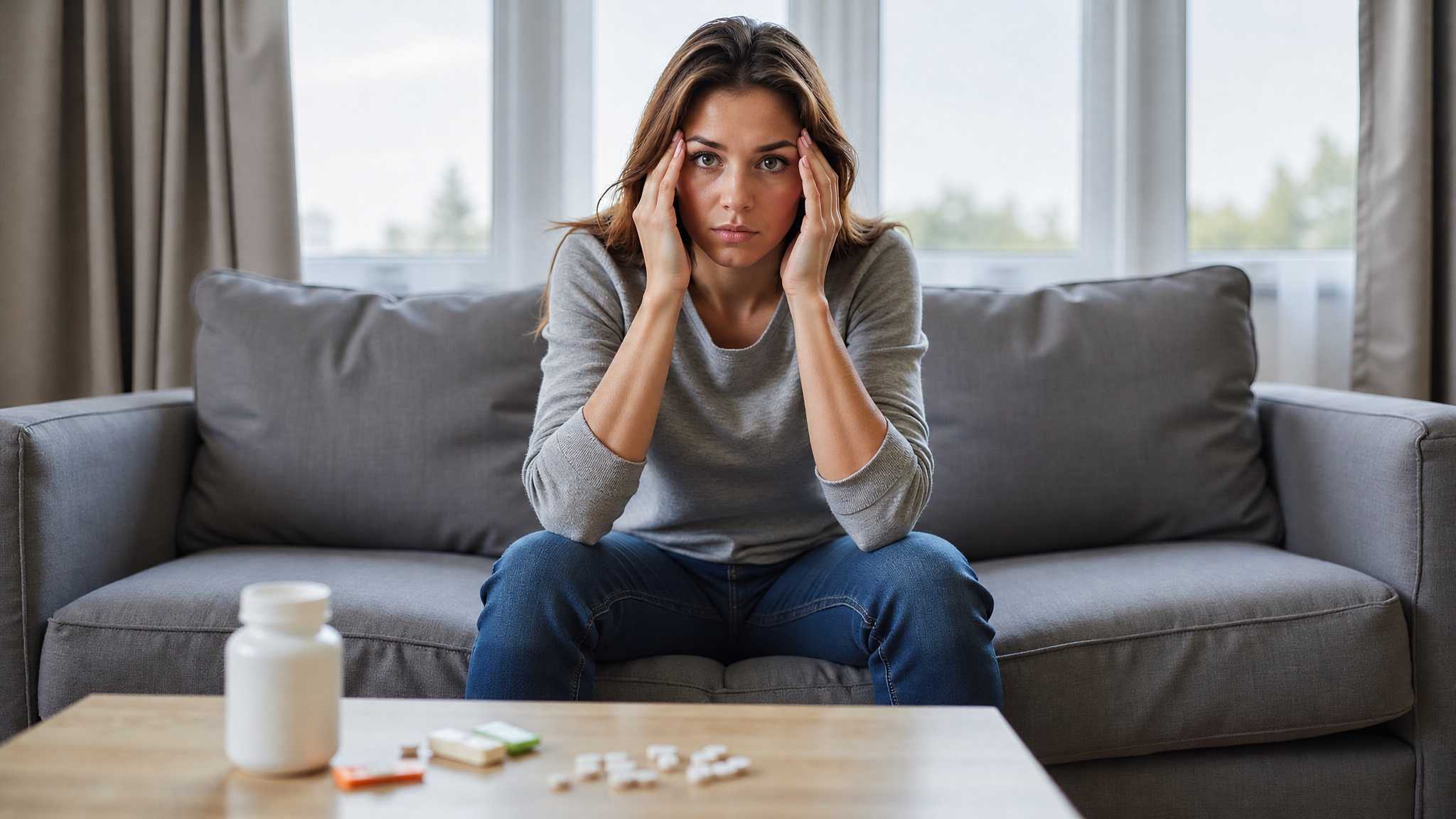
Because most hydrocodone pills also contain acetaminophen, taking extra pills can push acetaminophen past safe levels and cause serious liver damage. Pills bought outside a pharmacy may also be counterfeit and contain fentanyl.
Signs of an opioid overdose include pinpoint pupils, blue or gray lips, slow or stopped breathing, and being unresponsive. Call 911 and give naloxone if it is available.
What Does Hydrocodone Withdrawal Feel Like?
Hydrocodone withdrawal feels like a bad flu combined with intense restlessness and anxiety. Symptoms usually start 6 to 12 hours after the last dose of an immediate-release pill, peak in two to three days, and ease over about a week.
- Muscle aches, back pain, and restless legs
- Sweating, chills, and goosebumps
- Runny nose, watery eyes, and yawning
- Nausea, vomiting, and diarrhea
- Anxiety, irritability, and insomnia
- Strong cravings
Withdrawal is rarely life-threatening for healthy adults, but it is a major reason people relapse. Getting medical support makes it far easier to get through.
How Is Hydrocodone Addiction Treated?
The most effective treatment for hydrocodone addiction combines medication and therapy.
- Buprenorphine eases withdrawal and cravings without producing a strong high.
- Naltrexone blocks opioid effects and is used after detox is complete.
- Cognitive behavioral therapy helps you manage cravings, triggers, and pain without misusing medication.
- Group and family therapy rebuild support and accountability.
Medication-assisted treatment lowers the risk of relapse and overdose and lets many people recover in an outpatient setting while living at home.
Conclusion
Hydrocodone is addictive, even when it starts as a legitimate prescription for pain. Its effect on the brain’s reward system builds tolerance and dependence over time, and misuse brings the added risks of overdose and liver damage. If you notice you are taking more than prescribed, using it to cope, or feeling sick without it, it is time to talk to a provider. Opioid addiction is very treatable, and the right support makes recovery realistic.
Get Prescription Opioid Addiction Treatment in New Jersey
If hydrocodone has become harder to stop than you expected, quitting cold turkey is not your only option. At The Hope Institute in West Milford, NJ, our team provides outpatient prescription drug addiction treatment in New Jersey with medication support and therapy. Call +1 (855) 659-2310 today to get started.
Frequently Asked Questions
Is It Safe to Take Hydrocodone Daily?
Taking hydrocodone daily is safe only under close medical supervision. Daily use for more than a short period raises the risk of tolerance and dependence. If you need it every day for more than a week or two, your doctor should regularly review whether it is still the right choice.
Is Hydrocodone as Addictive as Oxy?
Yes, hydrocodone and oxycodone have a similar addiction risk. Oxycodone is about 1.5 times stronger per milligram, but both are Schedule II opioids that cause tolerance and dependence in the same way.
What Organ Is Hydrocodone Hard On?
Hydrocodone is hardest on the liver when it is combined with acetaminophen, especially at high doses or with alcohol. The opioid itself affects the brain and lungs by slowing breathing, which is the main cause of overdose deaths.
How Powerful Is Hydrocodone?
Hydrocodone is a moderately strong opioid. Taken by mouth, it is roughly comparable to oral morphine in strength and weaker than oxycodone per milligram. Even low doses can be dangerous when combined with other sedating drugs or alcohol.
How Long Does It Take to Get Addicted to Hydrocodone?
There is no set timeline. Some people develop dependence after a few weeks of daily use, while others misuse it sooner. Your risk is higher with longer prescriptions, higher doses, a history of substance use, or mental health conditions like depression and anxiety.