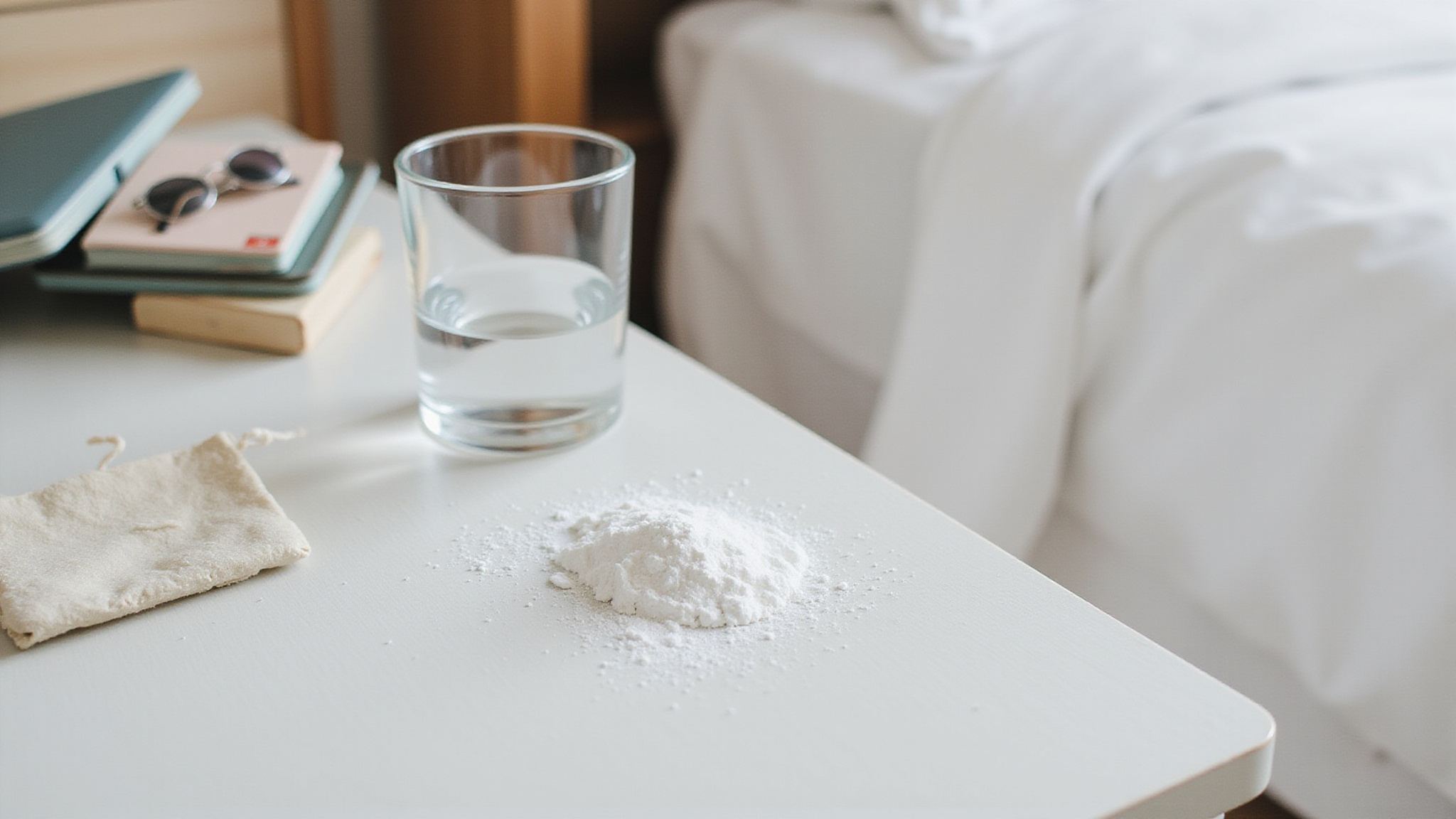
Cocaine is not a depressant. It is a powerful central nervous system stimulant that speeds up your heart, raises blood pressure, and floods the brain with dopamine. The confusion usually comes from what happens after the high. When cocaine wears off, people crash into exhaustion, low mood, and heavy sleep, which can feel a lot like a depressant. Cocaine also numbs tissue, which adds to the mix-up. That cycle of high and crash is a big part of what makes cocaine so addictive.
Key Takeaways
- Cocaine is classified as a stimulant and a Schedule II controlled substance in the United States.
- It blocks the recycling of dopamine, norepinephrine, and serotonin, causing a short, intense high.
- The crash after cocaine brings fatigue, depression, and cravings, but that does not make cocaine a depressant.
- Cocaine also works as a local anesthetic, which is why it numbs the nose and gums.
- The cycle of high and crash drives repeated use and makes cocaine highly addictive.
Is Cocaine a Depressant or a Stimulant?
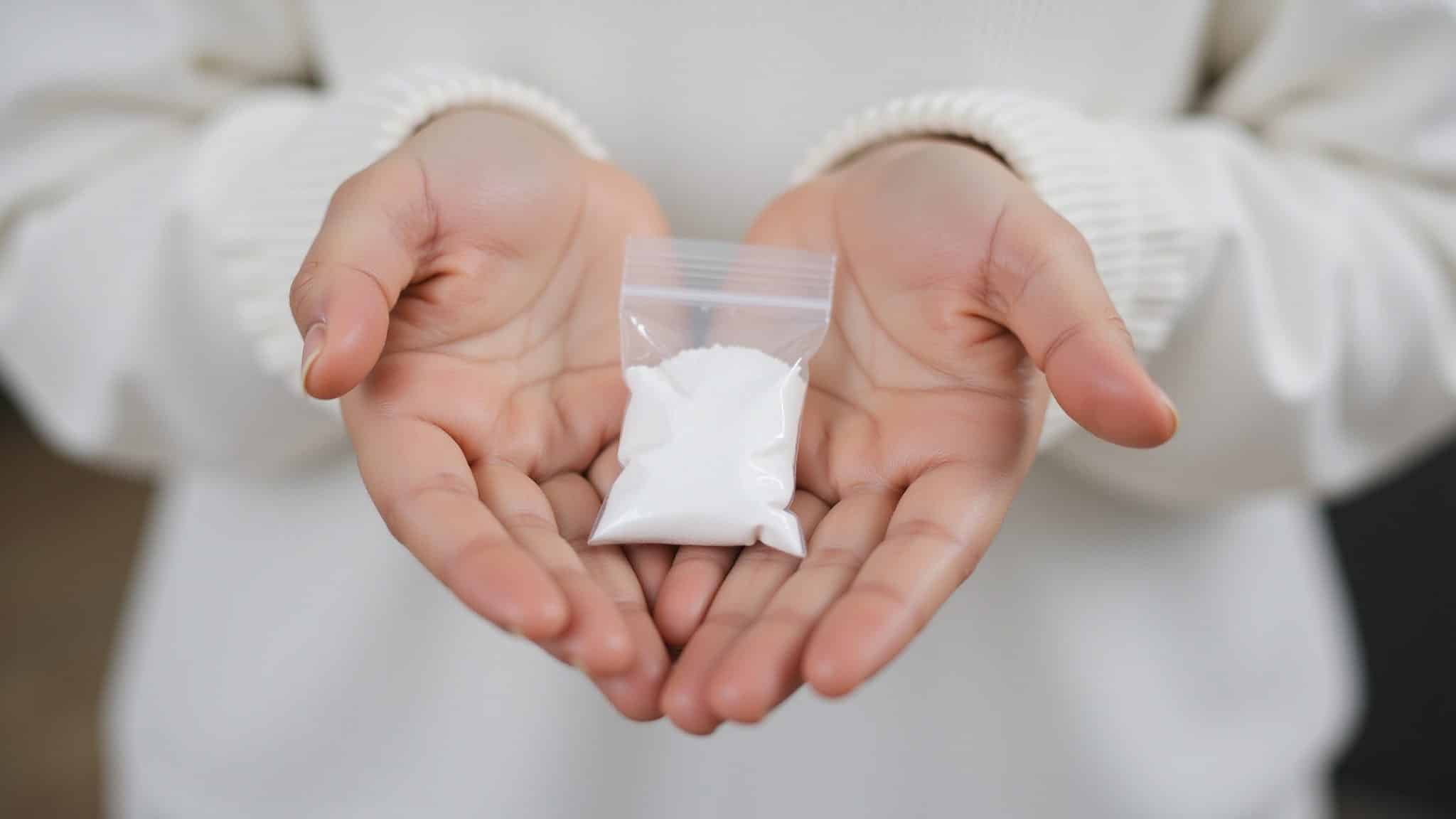
Cocaine is a stimulant. It belongs in the same broad category as methamphetamine and prescription amphetamines, because it increases activity in the brain and nervous system rather than slowing it down.
In the United States, cocaine is a Schedule II controlled substance. That means it has a high potential for abuse but a limited accepted medical use. Doctors sometimes use a prescription form of cocaine as a topical anesthetic for certain nose and throat procedures. Outside of that, it is an illegal street drug sold as a white powder or as crack, a smokable rock form.
How Does Cocaine Work as a Stimulant?
Cocaine works by blocking the brain from reabsorbing dopamine after it is released. Normally, dopamine sends a signal and then gets pulled back into the nerve cell. Cocaine jams that recycling system, so dopamine builds up and keeps firing. It does the same to norepinephrine and serotonin.
The result is a burst of stimulation:
- Intense euphoria and confidence
- More energy, alertness, and talkativeness
- Less need for food or sleep
- Faster heart rate and higher blood pressure
- Dilated pupils and a higher body temperature
The high is short. Snorted cocaine usually lasts 15 to 30 minutes, and smoked crack lasts about 5 to 10 minutes. That short window is a big reason people take repeated doses in a single session.
Why Do People Think Cocaine Is a Depressant?
People sometimes think cocaine is a depressant for three reasons.
The Crash Feels Like a Depressant
After a binge, the brain’s dopamine supply is depleted. That leads to a hard comedown with fatigue, sadness, irritability, and long stretches of sleep. These are after-effects of a stimulant, not signs that cocaine slows the nervous system. With repeated use, that short cocaine comedown can turn into withdrawal, with low mood and cravings lasting for days.
It Numbs the Body
Cocaine is also a local anesthetic. It blocks nerve signals where it touches tissue, which is why users feel numbness in their nose, throat, or gums. That numbing effect can be mistaken for a sedative effect.
It Is Often Mixed With Depressants
Many people use cocaine with alcohol, opioids, or benzodiazepines to take the edge off. Combinations like these blur the effects of each drug and raise the risk of overdose.
Stimulants vs. Depressants: Where Does Cocaine Fit?

| Category | What It Does | Examples |
|---|---|---|
| Stimulants | Speed up brain activity, heart rate, and alertness | Cocaine, crack, methamphetamine, Adderall, caffeine |
| Depressants | Slow brain activity, breathing, and reaction time | Alcohol, benzodiazepines like Xanax, barbiturates |
| Opioids | Relieve pain and cause sedation by acting on opioid receptors | Heroin, fentanyl, oxycodone |
Cocaine clearly fits in the stimulant group. Its dangers reflect that: heart attack, stroke, irregular heartbeat, seizures, and overheating.
What Happens When You Mix Cocaine With a Depressant?
Mixing cocaine with alcohol or other depressants is more dangerous than either drug alone. When cocaine and alcohol are combined, the liver produces a compound called cocaethylene, which puts extra strain on the heart and lasts longer in the body. Alcohol can also hide how intoxicated you are, so people use more cocaine than they planned.
Mixing cocaine with opioids is especially risky, because the stimulant can mask the opioid’s effect on breathing until the cocaine wears off. Street cocaine is also increasingly contaminated with fentanyl, which has caused overdose deaths in people who did not know it was there.
Can Cocaine Cause Depression?
Yes. Even though cocaine is a stimulant, regular use often leads to depression and anxiety. Repeated dopamine surges wear down the brain’s reward system, so everyday pleasures stop feeling rewarding. This is called anhedonia.
Between uses, people may feel flat, hopeless, or irritable, and the only thing that seems to lift their mood is more cocaine. That pattern is one of the main drivers of cocaine addiction. Depression during cocaine withdrawal can be severe, and anyone with thoughts of self-harm should get help right away by calling or texting 988.
How Is Cocaine Addiction Treated?
There is no medication approved specifically for cocaine addiction, so treatment focuses on behavioral therapy and structured support.
- Cognitive behavioral therapy helps you recognize triggers and handle cravings without using.
- Group therapy connects you with others in recovery and builds accountability.
- Dual diagnosis care treats depression, anxiety, or ADHD that often comes with cocaine use.
- Relapse prevention planning prepares you for high-risk situations after treatment.
Most people can recover through a partial care program or intensive outpatient program while living at home.
Conclusion
Cocaine is a stimulant, not a depressant. It speeds up the brain and body by trapping dopamine, then leaves you with a crash that can leave you exhausted and low. That swing between the high and the low is exactly what makes cocaine so easy to keep using. If you notice that you need cocaine to feel normal, or that the crashes are getting harder, treatment can help your brain recover and break the cycle.
Get Cocaine Addiction Treatment in New Jersey
If the highs are getting shorter and the crashes are getting harder, it is time to get support. At The Hope Institute in West Milford, NJ, our team offers outpatient cocaine addiction treatment in New Jersey that combines therapy and structure. Call +1 (855) 659-2310 today to talk with our team.
Frequently Asked Questions
What Kind of Drugs Are Depressants?
Depressants are drugs that slow down the central nervous system. Common examples include alcohol, benzodiazepines like Xanax and Valium, barbiturates, and sleep medications like Ambien. Opioids also have depressant effects on breathing. Cocaine is not in this group.
Is Cocaine a Stimulant or Depressant on Drug Classification Charts?
Cocaine is listed as a stimulant on drug classification charts and in pharmacology courses. It is grouped with amphetamines and methamphetamine because it increases nervous system activity.
Is Cocaine Considered an Antidepressant?
No, cocaine is not an antidepressant. It can lift mood for a few minutes, but the crash that follows often leaves people more depressed than before. Over time, cocaine use is linked to higher rates of depression, not lower.
What Category Does Cocaine Fall In?
Cocaine falls into the stimulant category. Legally, it is a Schedule II controlled substance in the United States, meaning it has a high potential for abuse and only a narrow medical use as a topical anesthetic.
Why Do I Feel Tired and Sad After Using Cocaine?
You feel tired and sad after cocaine because your brain has used up much of its available dopamine during the high. As levels drop, you crash into fatigue, low mood, and strong cravings. These feelings usually ease within days, but frequent use makes them longer and harder.