Alcohol is a depressant, meaning it slows down your central nervous system. It can feel like a stimulant at first, because the first drink or two raise your heart rate, lift your mood, and make you more talkative. Scientists call this a biphasic effect: stimulating while your blood alcohol level rises, then sedating as it peaks and falls. That early buzz is part of what makes alcohol easy to overuse. Its effects on mood can also last well after the drinking stops.
Key Takeaways
- Alcohol is classified as a central nervous system depressant, not a stimulant.
- Low amounts can feel energizing because alcohol releases dopamine and lowers inhibitions while blood alcohol is rising.
- As drinking continues, alcohol boosts GABA and blocks glutamate, which slows thinking, reaction time, and breathing.
- Regular drinking can cause or worsen depression and anxiety, even if it feels like it helps in the moment.
- Chasing the early buzz is a common path to heavier drinking and alcohol use disorder.
Is Alcohol a Stimulant or a Depressant?
Alcohol is a depressant. Doctors and researchers classify it with other central nervous system depressants like benzodiazepines and barbiturates, because its main action is to slow brain activity.
The confusion comes from how alcohol feels early in a drinking session. At low doses it can produce some stimulant-like effects, including a faster heart rate, more energy, and more confidence. Those effects are real, but they are short-lived and they do not change how alcohol works overall. The more you drink, the more its depressant effects take over.
Why Does Alcohol Feel Like a Stimulant at First?
Alcohol feels like a stimulant at first because of two things: dopamine and disinhibition.
When you start drinking, alcohol triggers a release of dopamine in the brain’s reward system. That creates a pleasant lift in mood and a sense of energy. At the same time, alcohol quiets the prefrontal cortex, the part of the brain that handles judgment and self-control. With that brake eased, you feel bolder, chattier, and more social.
These stimulating effects are strongest while your blood alcohol concentration is climbing. Once it peaks and starts to drop, sedation, fatigue, and low mood usually follow. Many people keep drinking to hold on to the early high, which pushes them further into the depressant phase.
How Does Alcohol Work as a Depressant?
Alcohol works as a depressant by changing two of the brain’s main chemical messengers.
- It boosts GABA, the chemical that calms nerve activity. More GABA means relaxation, drowsiness, and slower reactions.
- It blocks glutamate, the chemical that excites nerve cells. Less glutamate activity affects memory, focus, and coordination.
Together, these changes explain slurred speech, poor balance, blackouts, and slower breathing at high doses. When enough alcohol is in your system, this slowdown can become dangerous, leading to alcohol poisoning.
Stimulants vs. Depressants: What Is the Difference?
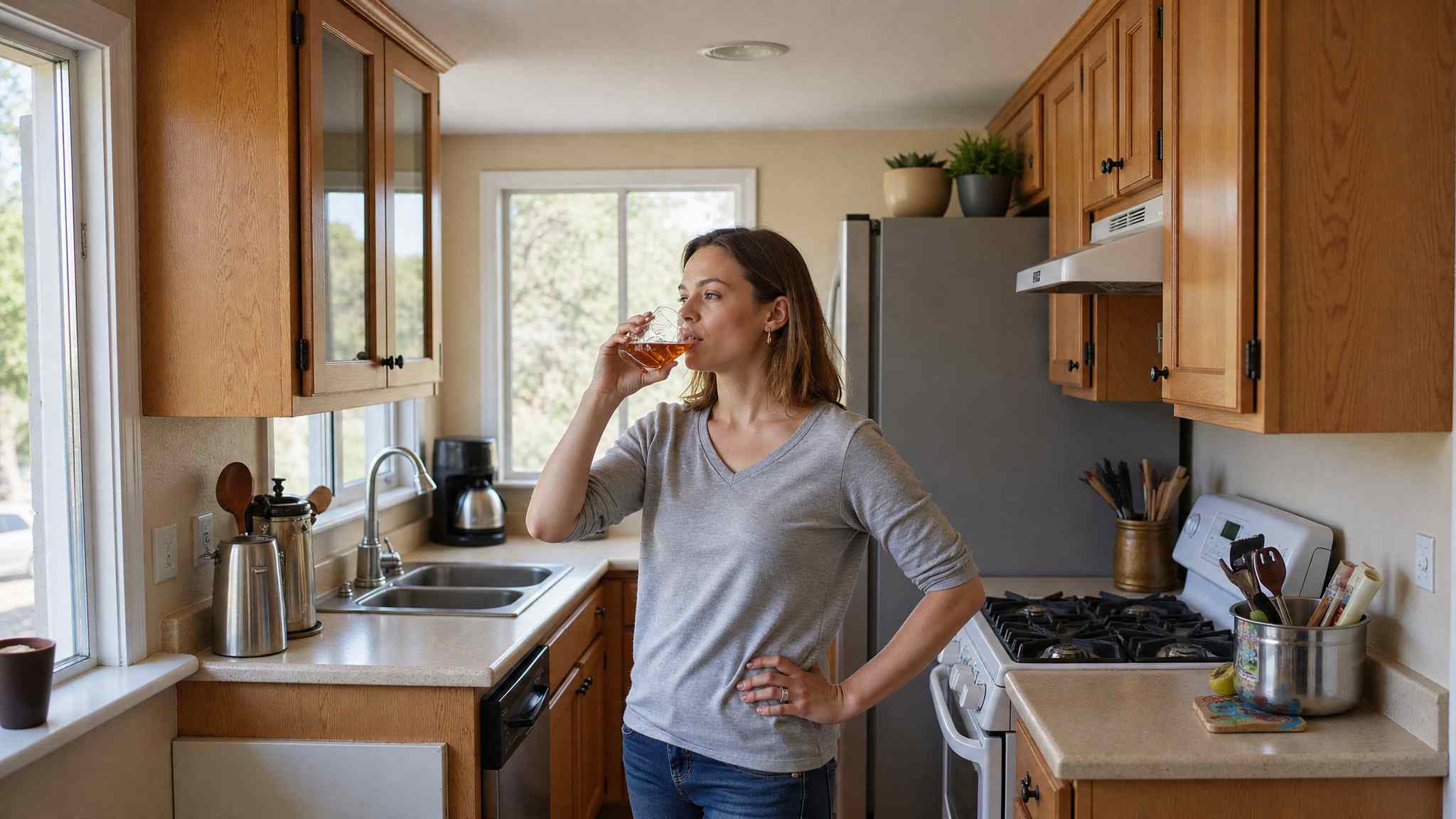
Stimulants speed up the nervous system, while depressants slow it down, and alcohol clearly belongs in the second group.
| Effect | Stimulants | Alcohol (Depressant) |
|---|---|---|
| Examples | Caffeine, cocaine, methamphetamine, Adderall | Alcohol, benzodiazepines, barbiturates |
| Brain activity | Increases alertness and focus | Slows thinking and reaction time |
| Heart rate and breathing | Speed up | Can rise briefly, then slow at higher doses |
| Overdose risk | Overheating, heart attack, stroke, seizures | Slowed or stopped breathing, choking, coma |
| Withdrawal | Fatigue, depression, sleepiness | Shaking, sweating, anxiety, seizures |
Mixing alcohol with stimulants like cocaine is especially risky. The stimulant can mask how drunk you are, so you may keep drinking past a safe point.
Why Is Alcohol a Depressant When It Makes You Happy?
Alcohol makes you happy at first because of the dopamine release and the drop in self-consciousness. “Depressant” refers to how it slows the nervous system, not to how it makes you feel in the moment.
The good feeling is borrowed. As alcohol wears off, your brain swings the other way, which is why many people feel anxious, flat, or irritable the next day. Over time, regular drinking reduces the brain’s natural ability to feel pleasure, so the same drinks bring less joy and more low moods.
How Does Alcohol Affect Your Mental Health Long-Term?
Long-term, alcohol tends to worsen depression and anxiety. Heavy drinking disrupts sleep, especially the deep and REM stages your brain needs to regulate mood. It also changes the balance of brain chemicals, so your stress system becomes more reactive when you are not drinking.
This creates a cycle. You drink to relax, feel worse once it wears off, then drink again to calm down. Because depression and alcohol use so often feed each other, treating only one of them usually does not hold.
Many alcohol-related mood symptoms improve after a few weeks without drinking, especially with treatment that addresses both conditions.
When Does Drinking Become a Problem?
Drinking becomes a problem when you have trouble controlling it or it starts causing harm. Signs of alcohol use disorder include:
- Drinking more or longer than you intended
- Needing more alcohol to feel the same effect
- Feeling shaky, sweaty, anxious, or sick when you cut back
- Trying to cut down and not being able to
- Continuing to drink despite problems at work, at home, or with your health
If you drink heavily every day, stopping suddenly can be dangerous. Alcohol withdrawal can cause seizures in some people, and how long alcohol withdrawal lasts depends on how much and how long you drank, so it is safest to quit with medical guidance.
Conclusion
Alcohol is a depressant, even though the first few drinks can feel like a stimulant. That early lift comes from dopamine and lowered inhibitions while blood alcohol rises, then gives way to sedation, slowed thinking, and often a worse mood. Over time, drinking to feel good or to calm down can deepen anxiety and depression. If alcohol has become your main way to cope, treatment can help you build other ways to manage stress and mood.
Get Alcohol Addiction Treatment in New Jersey
If you drink to chase the buzz or to quiet the low that follows, treatment can help you break that cycle. At The Hope Institute in West Milford, NJ, our team provides outpatient alcohol addiction treatment in New Jersey that treats your drinking and your mental health together. Call +1 (855) 659-2310 today to talk with our admissions team.
Frequently Asked Questions
Why Does Alcohol Make People Flirty?
Alcohol makes people flirty because it lowers inhibitions. It quiets the part of the brain that handles judgment and self-control while boosting dopamine, so people feel more confident and less self-conscious. This is also why alcohol can lead to choices someone would not make sober.
Can Alcohol Cause Depression?
Yes, alcohol can cause depression. Regular heavy drinking changes brain chemistry, disrupts sleep, and can bring on depressive symptoms in people who did not have them before. It also worsens existing depression. Many alcohol-related depressive symptoms improve after several weeks of not drinking.
Does Alcohol Increase Anxiety?
Alcohol can ease anxiety for a short time, then increase it. As alcohol leaves your system, your nervous system rebounds, which often causes next-day anxiety, a racing heart, and restlessness. Over time, drinking to manage anxiety tends to make it worse.
Is Alcoholism a Mental Illness?
Yes. Alcohol use disorder is a recognized mental health condition, diagnosed by clinicians using standard psychiatric criteria. It ranges from mild to severe and is treatable with therapy, medication, and ongoing support, just like other mental health conditions.
Is Alcohol a Depressant for People With ADHD?
Alcohol is a depressant for everyone, including people with ADHD. It can briefly feel calming, but it impairs focus, impulse control, and sleep, which are already challenges with ADHD. People with ADHD also have a higher risk of developing alcohol use problems.