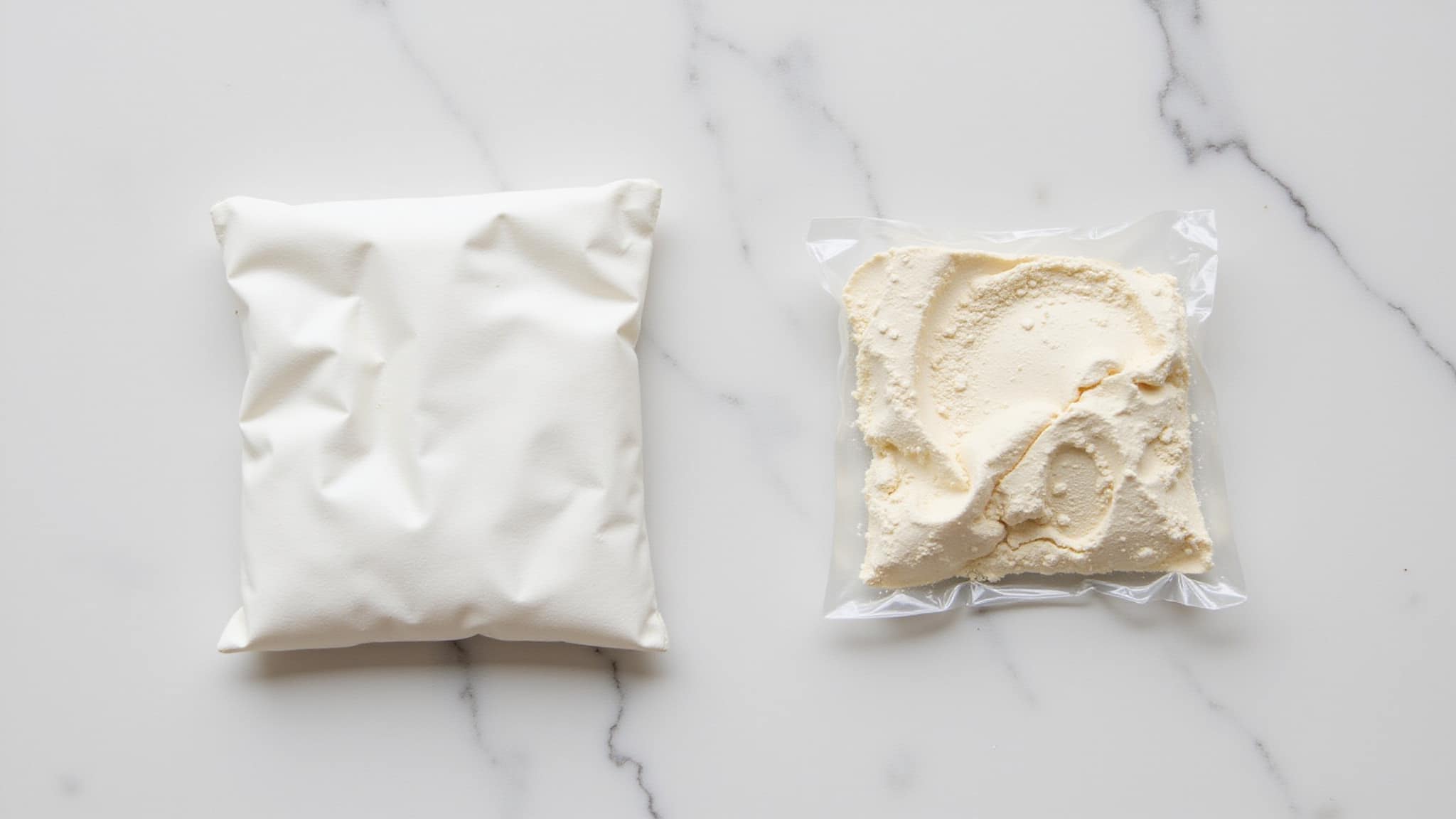
Heroin shows up in three main types: white powder, brown powder, and black tar. White powder tends to be purer and dominates eastern U.S. markets. Brown powder and black tar, both tied to Mexican production, are more common in the west. Appearance can’t tell you what’s inside, any form can carry fentanyl, which dramatically raises overdose risk. Keep naloxone nearby and never use alone. There’s more you’ll want to know about staying safer.
Key Takeaways
- White powder heroin is the purest form, common in eastern U.S. markets and linked to South American or Mexican production.
- Brown powder heroin has lower purity, ties to Mexican production, and appears throughout western markets.
- Black tar heroin is dark and sticky, comes from Mexico, and dominates areas west of the Mississippi River.
- All types are often cut with fillers like sugar or starch, plus dangerous additives like fentanyl.
- Appearance never indicates safety or purity, since any form can contain lethal fentanyl, so keep naloxone nearby.
What Are the Different Types of Heroin
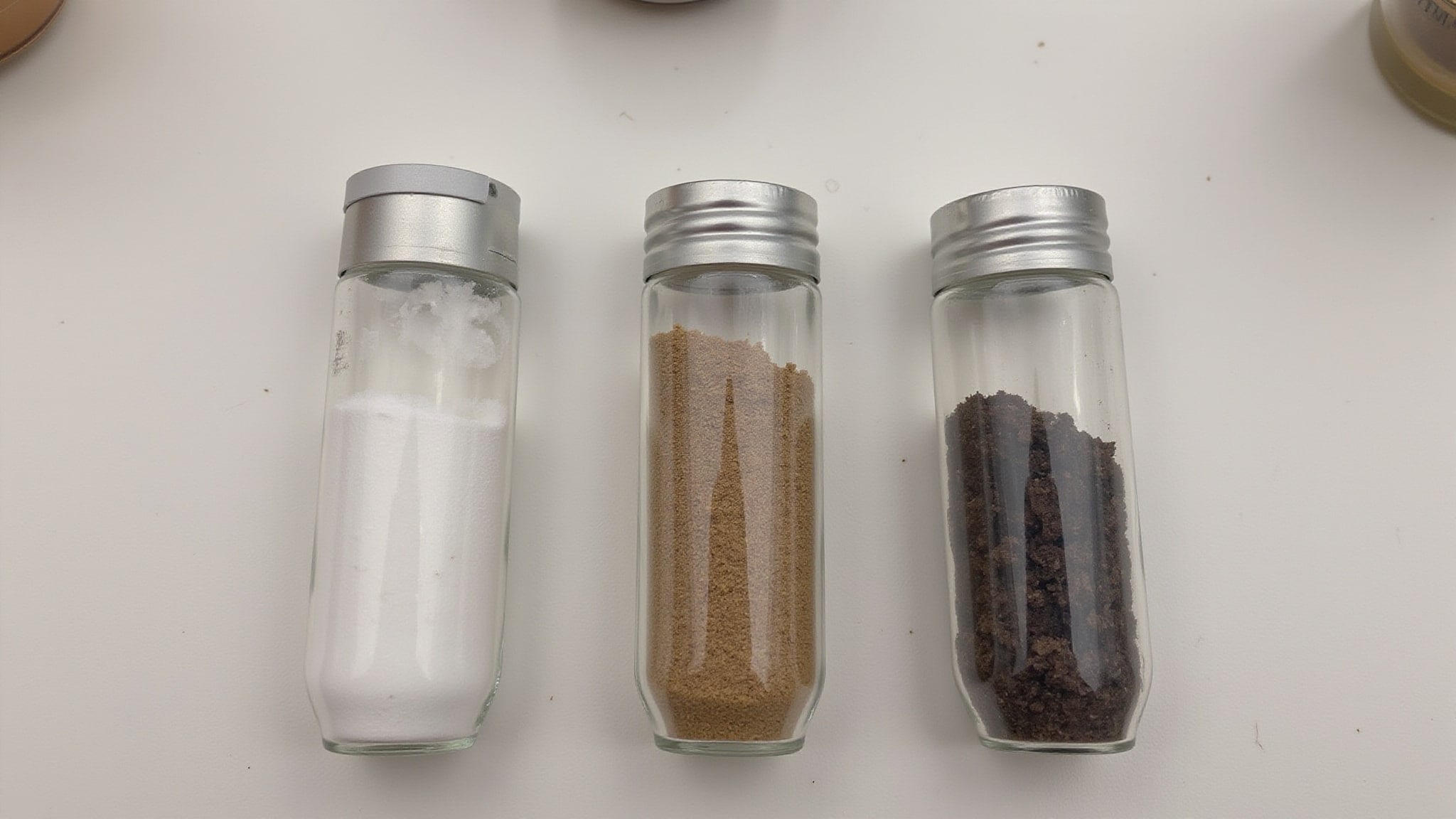
The different types of heroin come in three main street forms, each with a distinct appearance tied to where it’s produced. Recognizing them can help you understand what you or a loved one might be facing. Do heroin addicts recognize their actions? Many individuals struggling with addiction may not fully grasp the consequences of their behavior. Understanding this aspect can be crucial for those trying to help someone overcome their addiction.
| Type | Appearance |
|---|---|
| White powder | White or off-white, often purer |
| Brown powder | Brownish, dirty brown, lower purity |
| Black tar | Dark brown to black, sticky or tar-like |
White powder heroin shows up more in eastern markets, while brown powder and black tar dominate the west. Appearance alone won’t tell you the whole story. Street heroin is frequently cut with other substances, including fentanyl.
Where Does Each Form Come From
Each form comes from its production region and how it moves across the country. White powder heroin usually links to South American or Mexican production, and you’ll find it most often in the eastern United States. Its reputation for higher purity varies widely, since street supply gets cut and mixed with other opioids like fentanyl. Brown powder heroin ties strongly to Mexican production, showing up across western markets, typically with lower purity. Black tar heroin also comes from Mexico and dominates west of the Mississippi River, appearing as a dark, sticky substance. These forms move along established routes, so where you are often shapes what you’ll encounter. The source helps you understand appearance, risks, and variability.
What Cutting Agents and Additives Are Mixed In
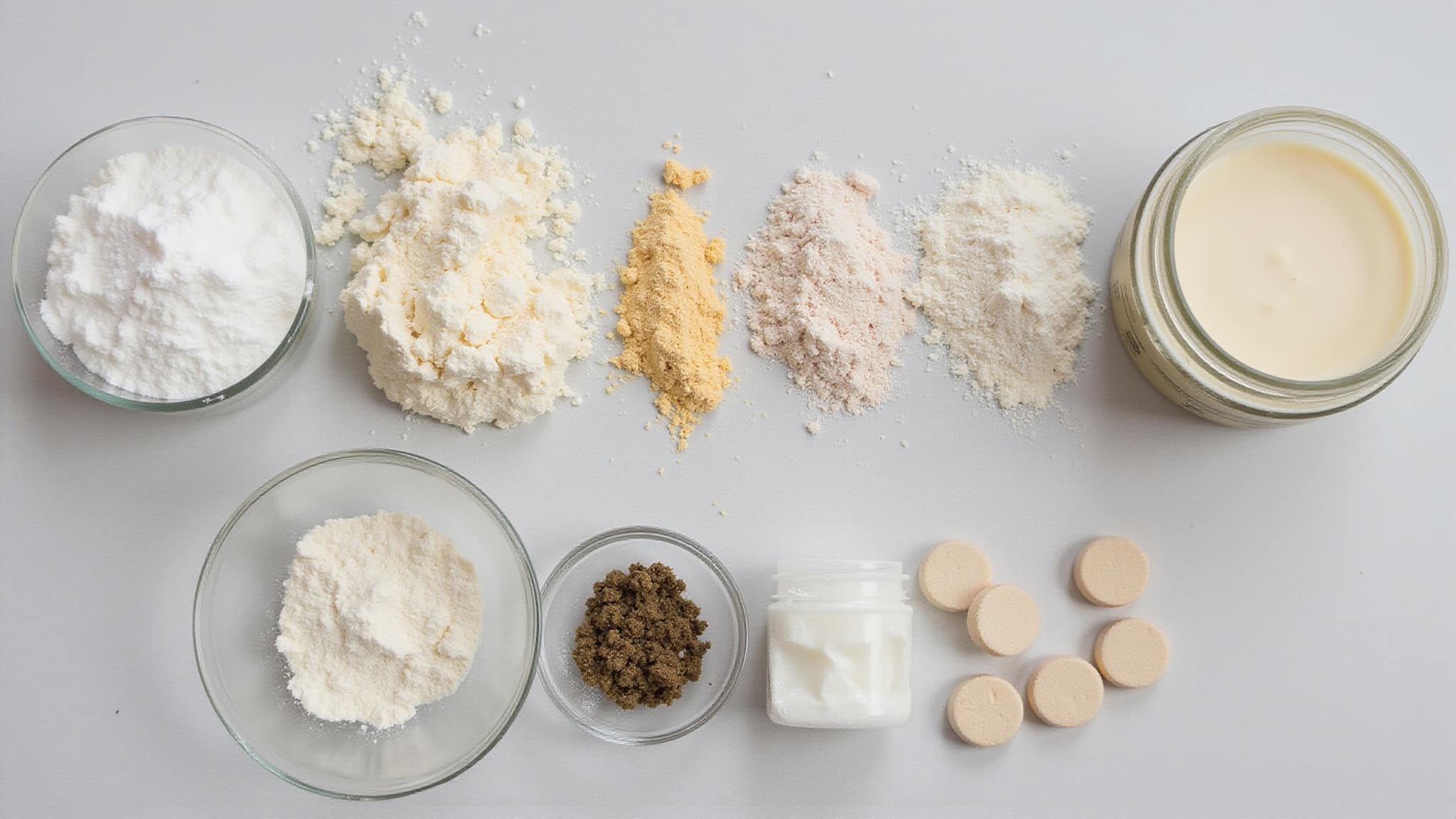
Cutting agents and additives mixed into street heroin include fillers, adulterants, and potent substances that increase volume and profit. Sellers stretch their supply with cheaper substances, so when you encounter street heroin, you’re almost always looking at a diluted product, not a pure one.
Street heroin is rarely pure, it’s cut with fillers, adulterants, and dangerous additives to boost volume and profit.
Common cutting agents fall into a few categories:
- Fillers like sugar, starch, and powdered milk, which add bulk without effect.
- Adulterants like quinine, which mimic heroin’s bitter taste or physical properties.
- Potent additives like fentanyl, which dramatically raise overdose risk.
That last category matters most for your safety. Fentanyl contamination is unpredictable, and you can’t judge potency by appearance. Color alone won’t tell you what’s mixed in, so treating any street supply as unknown and dangerous is wise.
Why Is Fentanyl-Laced Supply So Dangerous
Fentanyl-laced supply is so dangerous because of its potency: it’s roughly 50 times stronger than heroin, so a dose measured in micrograms can be lethal. When dealers mix fentanyl into white powder heroin, you can’t see, smell, or taste the difference. That’s the core problem, you have no way to gauge how much you’re taking.
Fentanyl also isn’t distributed evenly through a batch. One bag might contain a trace, while the next holds a deadly concentration. This “hot spot” effect means even experienced users face unpredictable risk with every dose.
Because fentanyl acts fast, an overdose can suppress your breathing within minutes. If you or someone you know uses heroin, keep naloxone nearby, never use alone, and treat every supply as potentially contaminated. Distinct odor patterns in heroin users can sometimes offer clues to their substance use. Understanding these patterns could play a significant role in developing targeted interventions.
Is Any Type of Heroin Safer Than Another
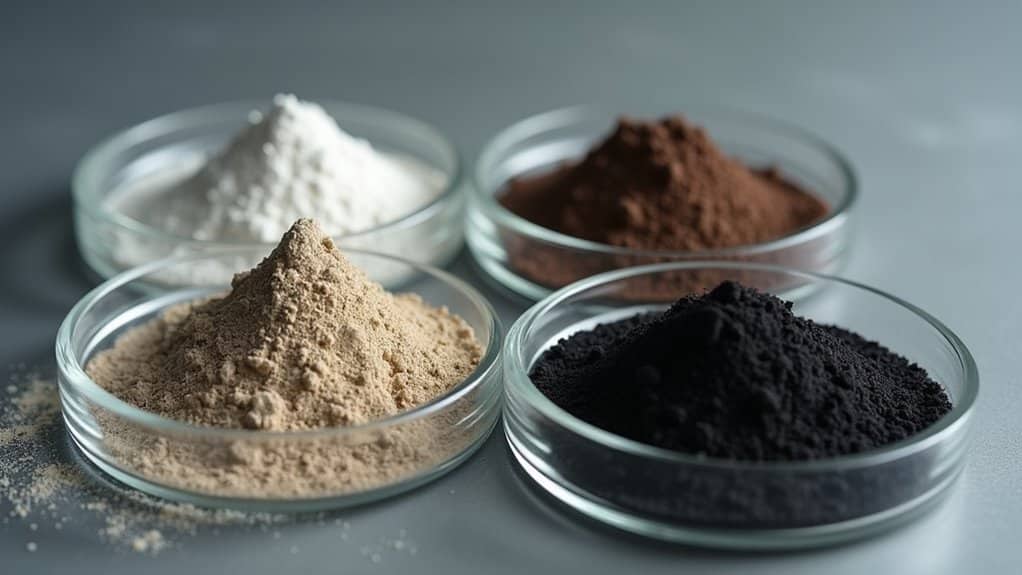
No type of heroin is safer than another. The honest answer is no. Although white powder heroin is often described as purer than brown powder or black tar, purity doesn’t guarantee safety.
Consider these realities:
- Color doesn’t indicate purity. Impurities and cutting agents affect appearance, so you can’t judge risk by look alone.
- Any form can carry fentanyl. Powder, tar, and chunks have all been found laced with potent synthetic opioids.
- Purity itself raises overdose risk. A stronger dose than expected can suppress breathing quickly.
No type protects you. Every form carries the potential for overdose, dependence, and life-threatening contamination, regardless of where it’s sold.
How Can You Tell if a Loved One Is Using
You can tell if someone you love is using heroin by watching for a mix of physical, behavioral, and environmental signs. Watch for constricted pupils, drowsiness or “nodding off,” slurred speech, and sudden weight loss. Track marks, frequent skin infections, or long sleeves in warm weather can also signal use. Behaviorally, you might see withdrawal from family, secrecy, mood swings, or financial problems. Pay attention to drug paraphernalia, too, such as burnt spoons, syringes, small plastic bags, or residue that’s white powder, brown powder, or sticky black tar. Because street heroin is frequently cut with fentanyl, overdose risk is high, so don’t ignore warning signs. If you’re concerned, approach your loved one with compassion, not judgment, and seek professional medical and addiction support promptly. Understanding heroin addiction mechanisms is crucial for effective intervention. Many factors contribute to the development and persistence of this condition, including genetic predisposition and environmental influences.
How to Find Treatment for Opioid Addiction
To find treatment for opioid addiction, connect your loved one with effective, evidence-based care. You don’t have to navigate this alone, and options exist to support recovery.
Start by reaching out to qualified providers who specialize in opioid use disorder. Consider these steps:
- Contact a medical professional who can assess the severity of use and recommend medication-assisted treatment, such as methadone or buprenorphine.
- Locate accredited treatment programs through your physician, insurer, or national helplines that verify licensing and clinical standards.
- Arrange ongoing support including counseling, behavioral therapy, and peer groups to sustain long-term recovery.
Acting early improves outcomes, so encourage your loved one to seek help promptly.
Conclusion
Heroin is sold in several forms, including white and brown powder and the sticky, dark form known as black tar, and each varies in purity and the way it is used. What they all share is danger: heroin is highly addictive, and today it is frequently cut with fentanyl, which dramatically raises the risk of overdose. No form of heroin is safe. If heroin has become part of your life or a loved one’s, you do not have to face it alone. The Hope Institute in West Milford, NJ offers compassionate treatment to help you find a safer path forward.
Your Life Is Worth Fighting For
The pain of heroin addiction runs deep, but so does the strength inside you that led you to look for help today. At The Hope Institute in Newfoundland, NJ, our compassionate team walks beside you through outpatient Heroin Addiction Treatment with real understanding and unwavering care. Call +1 (855) 659-2310 today and give yourself the chance you deserve.
Frequently Asked Questions
How Long Does Heroin Stay in Your System?
Heroin typically clears your bloodstream within about 6 hours, but detection depends on the test you’re facing. You’ll usually test positive in urine for 1 to 3 days, in saliva for around 1 to 5 hours, and in blood for up to 6 hours. Hair testing can detect use for up to 90 days. Your metabolism, dose, and overall health all affect these timeframes.
What Are the Immediate Signs of a Heroin Overdose?
You’ll notice slow, shallow, or stopped breathing as one of the most critical warning signs. Watch for pinpoint pupils, bluish lips or fingertips, and pale, clammy skin. You might see someone who’s unresponsive, limp, or can’t be woken up. Listen for gurgling or choking sounds. A weak pulse and extreme drowsiness are also common. If you spot these signs, call emergency services immediately and administer naloxone if it’s available.
Can You Overdose the First Time Using Heroin?
Yes, you can overdose the very first time you use heroin. Your body hasn’t built any tolerance, so even a small amount can dangerously slow your breathing. Street heroin’s often cut with fentanyl, which drastically increases overdose risk, and you can’t tell purity by looking. There’s no “safe” first dose. If you’re using, please don’t use alone, and keep naloxone nearby. Your life matters, and help is available.
Is Heroin Addiction Treatable With Medication?
Yes, heroin addiction is treatable with medication. You can access medications like methadone, buprenorphine, or naltrexone, which help reduce cravings and withdrawal symptoms. These treatments work best when you combine them with counseling and behavioral therapy. If you’re struggling, know that recovery is possible and you’re not alone. Talk with a healthcare provider about medication-assisted treatment options that fit your needs. Reaching out for help is a courageous first step.