The core difference comes down to opposite pharmacology. Meth is a stimulant that speeds up your brain and body, boosting dopamine, serotonin, and norepinephrine. You’ll feel euphoric, alert, and energized. Heroin is an opioid that slows you down, binding mu-opioid receptors to produce a rush, then sedation and slowed breathing. Meth accelerates; heroin suppresses. This distinction shapes their highs, addiction patterns, overdose risks, and treatments, each of which deserves a closer look below.
Key Takeaways
- Meth is a stimulant that accelerates the brain and body, while heroin is an opioid that slows breathing and induces relaxation.
- Meth boosts dopamine, serotonin, and norepinephrine, whereas heroin converts to morphine and binds mu-opioid receptors.
- Meth causes euphoria, alertness, and hyperactivity, while heroin produces an initial rush followed by sedation and pain relief.
- Meth addiction is driven by psychological cravings, while heroin addiction stems from intense physical dependence.
- Meth overdose causes cardiovascular collapse, while heroin overdose causes respiratory depression reversible by naloxone.
What’s the Difference Between Meth and Heroin
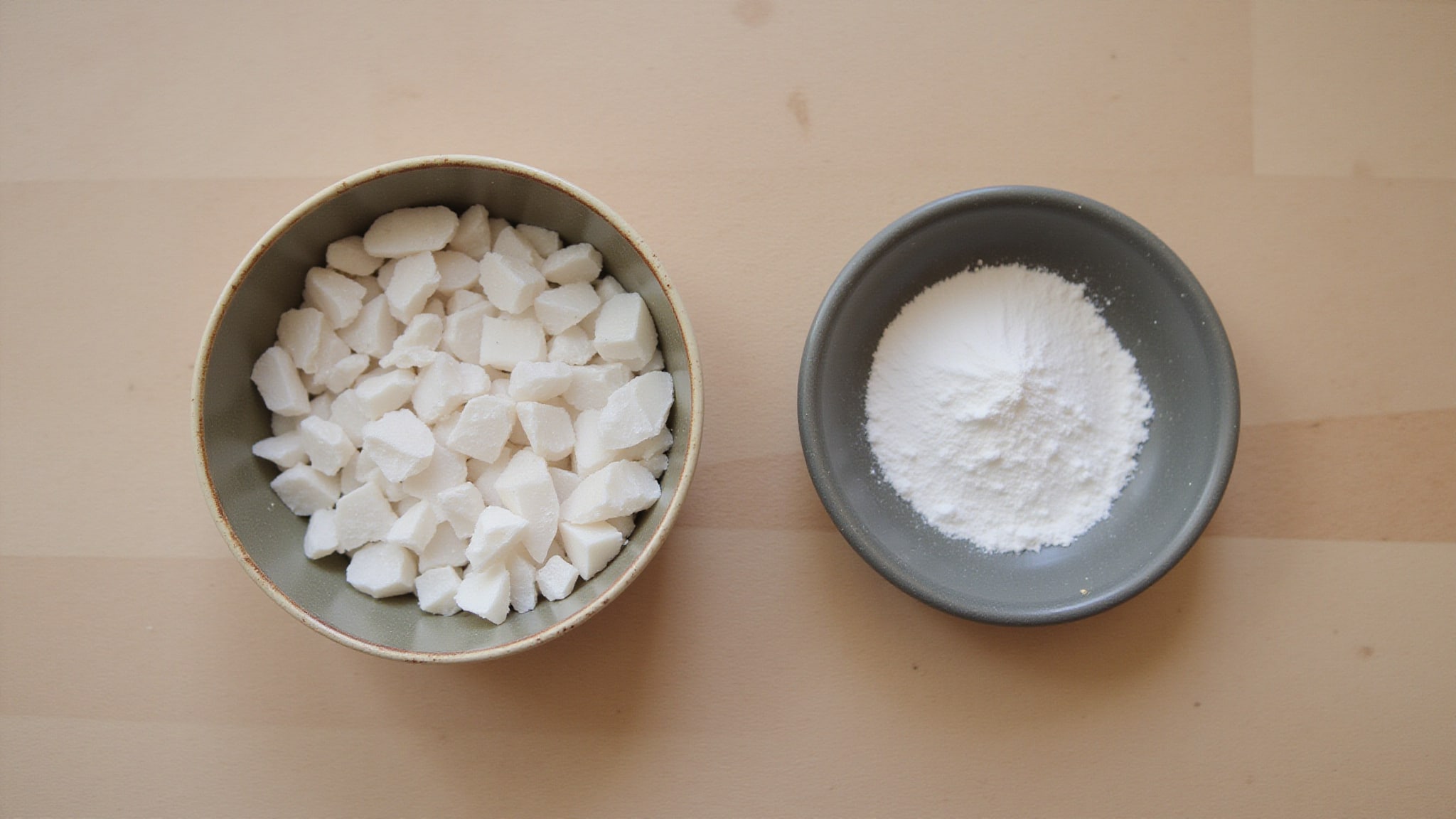
Meth and heroin differ in their core pharmacology as a stimulant versus an opioid. Meth is a stimulant that speeds your body up, raising dopamine, serotonin, and norepinephrine, while heroin is an opioid that slows you down by binding to mu-opioid receptors and converting to morphine.
Their effects reflect this split. Meth produces alertness, euphoria, hyperactivity, reduced appetite, and a rapid heartbeat. Heroin delivers a pleasure rush followed by sedation, drowsiness, pain relief, and slowed breathing.
Both carry high addiction potential, but the drivers differ. Meth addiction stems from fast dopamine surges and short-lived highs, while heroin dependence develops rapidly from intense opioid reinforcement. Understanding these differences helps you recognize how each substance affects your body.
How Does a Stimulant Differ From an Opioid in the Brain
A stimulant differs from an opioid by acting on entirely different brain systems. When you take meth, a stimulant, you boost central nervous system activity by raising dopamine, serotonin, and norepinephrine levels. This surge speeds your body up, producing alertness, energy, and a rapid heartbeat. The fast dopamine spike drives intense reinforcement, which explains meth’s strong addiction potential.
When you take heroin, an opioid, your body converts it to morphine, which binds to mu-opioid receptors. This binding slows your body down, producing relaxation, pain relief, drowsiness, and slowed breathing. Because heroin acts on opioid receptors, naloxone can reverse its effects, but naloxone won’t help with meth toxicity. The core distinction is straightforward: meth accelerates your brain and body, and heroin suppresses them.
How Do the Effects and Highs Compare

The highs differ because each drug works through an opposite mechanism. Meth raises dopamine, serotonin, and norepinephrine, producing euphoria, hyperactivity, reduced appetite, and rapid heartbeat. You’ll feel energetic, talkative, and overactive. Heroin binds mu-opioid receptors, delivering an initial rush of pleasure followed by sedation. You’ll feel calm, heavy, and physically slowed.
| Meth Effects | Heroin Effects |
|---|---|
| Euphoria and alertness | Rush then sedation |
| Hyperactivity | Drowsiness |
| Reduced appetite | Pain relief |
| Rapid heartbeat | Slowed breathing |
| Agitation, risky behavior | Impaired coordination |
The core distinction stays consistent: meth speeds your body up, and heroin slows it down. Meth’s high drives increased activity and stimulation. Heroin’s high drives relaxation and depression of vital functions. These opposing profiles define each substance’s characteristic experience.
Which Is More Addictive, Meth or Heroin
Neither meth nor heroin ranks as definitively “more addictive,” because each exploits distinct pathways. Both carry high addiction potential, but they hook you through different mechanisms. Heroin binds to your mu-opioid receptors, producing intense euphoric effects that drive rapid dependence. Its withdrawal is primarily physical, with pain and gastrointestinal symptoms that reinforce continued use. Meth, by contrast, triggers fast dopamine surges and short-lived highs, creating powerful reinforcement that pushes you toward repeated dosing. Its withdrawal is primarily psychological, including depression, cravings, and psychosis.
Heroin’s opioid grip develops quickly and locks in through physical dependence. Meth’s dopamine-driven reinforcement sustains compulsive use through psychological craving. What matters clinically is recognizing that both produce severe dependence, differing in mechanism, withdrawal profile, and relapse triggers.
How Do Overdoses Differ Between the Two Drugs

Overdoses differ primarily in their lethal mechanism: heroin kills through respiratory depression, while meth kills through cardiovascular collapse. When you overdose on heroin, respiratory depression drives the danger. Heroin’s action on mu-opioid receptors suppresses your breathing, and respiratory failure becomes the immediate lethal mechanism. You can reverse this with naloxone, because heroin acts on opioid receptors that naloxone blocks.
Meth overdose works differently. Stimulant toxicity strains your cardiovascular system, producing agitation and psychotic events rather than slowed breathing. Naloxone won’t help you here, because meth isn’t an opioid and doesn’t act on those receptors.
The scale matters too. Cited 2020 figures reported 23,837 meth-involved deaths versus 13,165 heroin-involved deaths. Both drugs kill, but you’re facing breathing suppression with heroin and cardiovascular collapse with meth, two distinct emergencies requiring different responses.
What Happens When People Mix Them
Mixing meth and heroin forces opposing pharmacological forces into your body at once, and that combination multiplies your risk rather than canceling it out. Meth speeds your body up while heroin slows it down, but neither drug neutralizes the other. Instead, you strain your cardiovascular and respiratory systems simultaneously. The stimulant can mask heroin’s sedation, so you might not recognize dangerous respiratory depression setting in, increasing your overdose risk. When meth wears off faster than heroin, you’re left with unopposed opioid effects that suppress your breathing. Your heart faces stimulant-driven demand while your respiratory drive collapses. Naloxone reverses only the opioid component, leaving stimulant toxicity untreated. This push-pull dynamic makes overdose harder to detect, harder to reverse, and more likely to prove fatal.
Conclusion
At their core, meth and heroin work in opposite ways: meth is a stimulant that floods the body with energy and speeds everything up, while heroin is an opioid that slows the body down and dulls pain. Despite these differences, both are powerfully addictive, damage the brain and body over time, and carry a serious risk of overdose. Recovery from either is possible with the right support and care. If meth or heroin is affecting you or someone you love, The Hope Institute in West Milford, NJ offers compassionate treatment to help you find your way toward a healthier life.
How to Find Treatment for Meth or Heroin Addiction
The pain of heroin addiction runs deep, but so does the strength inside you that led you to look for help today. At The Hope Institute in Newfoundland, NJ, our compassionate team walks beside you through outpatient Heroin Addiction Treatment and Meth Addiction Treatment with real understanding and unwavering care. Call +1 (855) 659-2310 today and give yourself the chance you deserve.
Frequently Asked Questions
How Long Do Meth and Heroin Stay in Your System?
Detection times depend on the test, the dose, and how often the drug is used. Meth generally shows up in urine for about one to four days, in blood and saliva for one to three days, and in hair for up to about 90 days. Heroin leaves the blood within hours but its byproducts can appear in urine for roughly one to three days, in saliva for one to two days, and in hair for up to about 90 days. Heavy or long-term use can extend these windows. For accurate information about a specific test, it is best to ask a clinic or medical professional.
Can Drug Tests Tell Meth and Heroin Apart?
Yes, drug tests can tell meth and heroin apart because they target different substances. Meth speeds your body up as a stimulant, while heroin slows it down as an opioid, and each leaves distinct chemical markers. Tests detect heroin through its opioid metabolites, which convert to morphine in your body. Meth screens identify stimulant compounds instead. Since heroin acts on opioid receptors and meth doesn’t, standard panels distinguish them reliably.
What Do Meth and Heroin Look Like Physically?
You’ll typically find meth as a white crystalline powder, sometimes resembling glass fragments or shards. Heroin’s appearance varies more widely: you’ll see it as a white or brown powder, or as black tar heroin, which has a sticky, dark consistency. These visual differences reflect how each drug is processed, though you can’t reliably confirm any substance by sight alone since appearance and purity vary considerably.
Are Meth and Heroin Legal for Any Medical Use?
Yes, in limited and tightly controlled ways. Prescription methamphetamine, sold as Desoxyn, is legally available in the United States for certain cases of ADHD and severe obesity, though it is rarely prescribed and strictly regulated as a Schedule II drug. Heroin, by contrast, is illegal in the United States with no accepted medical use, but a few countries such as the United Kingdom, Canada, and Switzerland use pharmaceutical-grade heroin, called diamorphine, in closely supervised medical settings. Outside these narrow, regulated uses, both drugs are illegal and dangerous.
How Many People Use Meth Versus Heroin Each Year?
You’ll find that meth use substantially outpaces heroin use in the United States. According to a cited 2020 survey, roughly 2.5 million people reported past-year meth use, compared to about 902,000 past-year heroin users. That’s nearly three times as many meth users. This scale difference also shows up in overdose data, where meth was involved in 23,837 deaths versus 13,165 heroin-involved deaths that same year.