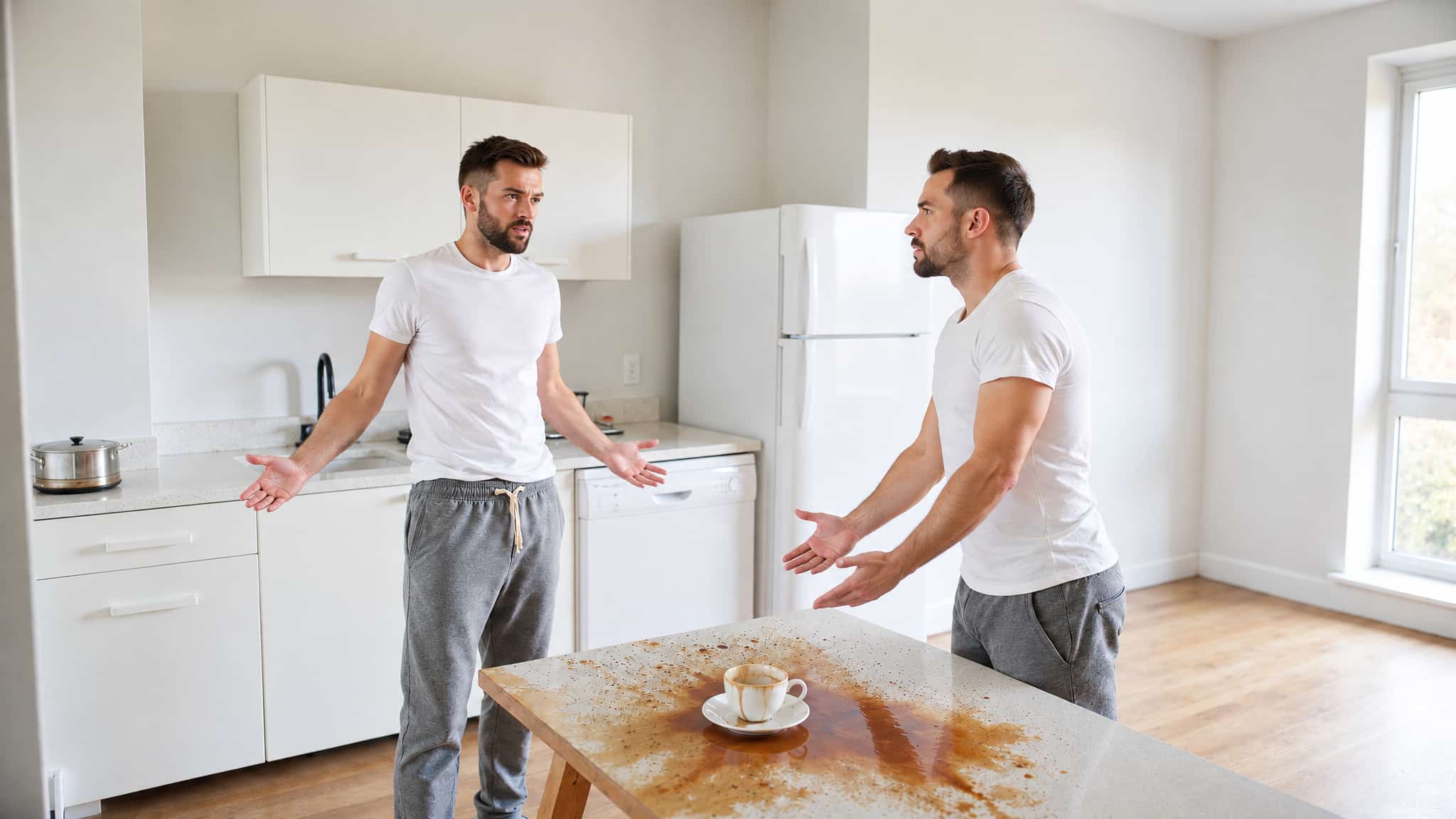
Hangxiety is the anxiety, dread, and guilt that arrive as alcohol’s calming effect fades, and it isn’t a character flaw. Research links hangovers with higher anxiety, stress, and low mood, even if you don’t have an anxiety disorder. Fatigue, nausea, and poor sleep amplify the distress. You may replay conversations or fill memory gaps with worst-case guesses. In one survey, 53% of weekly drinkers overthought the night before. Shame isn’t proof of wrongdoing. Understanding how hangxiety works, how long it lasts, and what helps can break the cycle.
Key Takeaways
- Hangxiety happens because alcohol suppresses nervousness at first, then anxiety rebounds as intoxication fades, raising stress and low mood during the hangover.
- Physical hangover symptoms like fatigue, nausea, and poor sleep can amplify emotional distress and worsen next-day anxiety.
- Next-day guilt is partly chemical, since hangover-related negative mood can make you judge your past behavior more harshly.
- Patchy memories invite worst-case guesses; half of weekly drinkers worry about something they said, but shame doesn’t prove wrongdoing.
- Hangxiety usually lifts within a day as the hangover clears; seek assessment if anxiety persists, intensifies, or appears between drinking episodes with shakiness, sweating, or poor sleep.
What Is Hangxiety and Why Do You Feel Anxious and Guilty After Drinking

Hangxiety, the anxiety and guilt that follow drinking, happens because alcohol’s calming effect fades as intoxication wears off, and anxiety often rises during the hangover that follows. Research links the next day with increased negative affect, including anxiety, stress, and low mood, even if you don’t have an anxiety disorder. Physical symptoms such as fatigue, nausea, and poor sleep can further amplify that distress. Guilt often follows as you replay conversations or worry that you embarrassed yourself. In one survey of weekly drinkers, 53% reported overthinking the previous night, and 37% reported embarrassment or shame. However, these feelings alone don’t prove you did anything wrong. If you drink heavily or regularly, you’re more likely to experience these symptoms, and repeated drinking-withdrawal cycles can intensify anxiety over time.
Why the guilt is partly chemistry, not just conscience
Next-day guilt is partly chemistry because the emotional shifts of alcohol recovery can color how you judge your own behavior. Alcohol can suppress nervousness at first, but anxiety may rise as intoxication fades. Research links hangovers with increased negative affect, including anxiety, stress, and depressed mood. In that state, you might replay conversations or feel embarrassment and shame. One survey of weekly drinkers found 53% overthought the previous night and 37% reported shame. These feelings don’t prove you did anything wrong. A study of 511 people linked guilt about drinking with how often hangovers occurred, though the statistical models explained only 9% to 11% of the variation. Physical discomfort, fatigue, and poor sleep can amplify dread, so treat next-day guilt as partly a recovery symptom.
How blackouts and patchy recall leave gaps your brain fills in badly

Patchy recall leaves gaps that your mind tends to fill with worst-case guesses, while it replays what you do remember. You don’t experience the gap as neutral, which is why a fuzzy memory of last night can feel so threatening the next morning. You’re not alone: in a survey of 1,308 weekly drinkers, 53% reported overthinking the previous night, half worried about something they’d said, and 44% feared they’d embarrassed themselves. Those worries can feel like evidence, but they aren’t. Shame and embarrassment don’t establish that you did anything harmful. Research also links repetitive negative thinking with worse emotional hangovers, so looping on gaps can intensify distress. If you regularly can’t remember parts of drinking episodes, treat that as a signal worth discussing with a professional.
Why it hits hardest if you drink to manage social anxiety
It hits hardest because alcohol can suppress nervousness at first, but anxiety may rise as intoxication fades, setting up a sharper rebound the next day. If social worry was what you were numbing, it may return with the hangover’s added fatigue and dread.
Using alcohol this way is a form of avoidant coping. Research links avoidant coping, along with repetitive negative thinking, with worse emotional hangover experiences. You may replay conversations. In one survey of weekly drinkers, half worried about something they’d said, and 44% worried they’d embarrassed themselves. Those feelings don’t prove you did anything wrong.
Relying on drinking for relief can reinforce the pattern, because heavy drinking and repeated withdrawal can worsen anxiety over time.
How the physical and emotional symptoms line up hour by hour
Research doesn’t fix exact hours, so physical and emotional symptoms line up in phases. Anxiety may rise as intoxication fades and continue into the next day, when physical discomfort can amplify it. The calm alcohol produced early in the evening can give way to the opposite as it wears off.
| Phase | Physical symptoms | Emotional symptoms |
|---|---|---|
| Intoxication fading | Disrupted sleep, restlessness | Rising nervousness |
| Next-day hangover | Fatigue, nausea, shakiness, sweating | Dread, overthinking, embarrassment |
| Between repeated episodes | Shakiness, sweating, poor sleep | Anxiety that may signal withdrawal |
In one study, anxiety scores tracked hangover severity closely, though that doesn’t prove one causes the other. Because hangover and withdrawal symptoms overlap, no single symptom tells you which one you’re experiencing. If symptoms persist or appear between drinking episodes, you should get a professional assessment.
How Long Does Hangxiety Last
Hangxiety usually lasts as long as the hangover does. For most people that means it peaks the morning after, eases through the afternoon as hydration, food, and rest take hold, and is largely gone within 24 hours. A heavy night, poor sleep, or a stimulant mixed in can stretch it into a second day.
Three things make it run longer. Repetitive thinking keeps the dread alive after the chemistry has settled, so the more you replay the night, the longer it feels. Regular heavy drinking shifts your baseline, so each episode starts from a more anxious place and takes longer to clear. And if anxiety is still present two or three days later, or shows up between drinking episodes with shakiness or sweating, you are likely looking at withdrawal or an independent anxiety disorder rather than a hangover, and that needs a clinician.
When Hangxiety Is Panic, Not Just Anxiety
Most hangxiety is a lingering unease that builds through the morning. A panic attack is different: a sudden surge of intense fear that peaks within minutes, with a racing heart, fast shallow breathing, sweating, trembling, and a sense of losing control. The morning after drinking sets the stage for it, because your nervous system is already rebounding toward overactivity, dehydration pushes your heart rate up, and poor sleep lowers your threshold for alarm. When you read those physical sensations as danger, the fear feeds itself and tips into a full attack.
| Feature | Hangxiety | Panic attack |
|---|---|---|
| Onset | Builds gradually through the morning | Sudden surge, peaks within minutes |
| Core feeling | Dread, worry, overthinking the night | Intense fear, sense of losing control |
| Body signals | Tension, unease, fatigue | Racing heart, breathlessness, trembling, sweating |
People who already live with panic disorder or health anxiety are most prone, because a hangover’s physical sensations closely mimic the ones they fear. A panic attack itself is not dangerous, but chest pain, fainting, or an irregular heartbeat should be checked urgently. If panic attacks keep following your drinking, that is a strong reason to look at the drinking and the anxiety together.
Hangxiety or Alcohol Withdrawal? How to Tell
Hangxiety follows a single drinking occasion and eases as the hangover clears. Alcohol withdrawal is different: it comes from stopping or sharply cutting back after prolonged heavy drinking, and it is a medical issue, not a rough morning. The two can feel similar at first, which is why the pattern behind them matters more than the symptoms themselves.
| Factor | Hangxiety | Withdrawal |
|---|---|---|
| Trigger | One drinking occasion | Stopping after prolonged heavy drinking |
| Timing | As blood alcohol falls, eases within a day | Begins hours after the last drink, peaks over days |
| Other signs | Dread, overthinking, fatigue | Tremor, sweating, racing heart, sometimes hallucinations or seizures |
If your anxiety comes with shaking, sweating, or a racing heart after heavy, regular drinking, that points to withdrawal rather than a hangover, and you should not stop drinking abruptly on your own. Withdrawal can escalate, and the hour-by-hour alcohol withdrawal timeline shows when the dangerous stages hit. Call emergency services for seizures, severe confusion, hallucinations, fever, or an irregular heartbeat.
Why the guilt itself can drive the next drink
Guilt can drive the next drink because a drink briefly quiets the dread, overthinking, and shame that follow a heavy night, but that relief doesn’t last. When intoxication fades, anxiety-like symptoms can return, and repeated intoxication-withdrawal cycles can intensify anxiety over time while reinforcing the drinking pattern itself.
Guilt fits into this loop. In a study of 511 participants, guilt about drinking was associated with how often hangovers occurred, though the models explained only 9% of variation among men and 11% among women. That’s a modest link, not proof that guilt causes drinking.
Still, if you cope by avoiding uncomfortable feelings or replaying the night repeatedly, research links those habits with worse emotional hangovers. Recognizing that pattern gives you a point to interrupt it rather than reaching for quick relief.
What helps in the moment and when the pattern needs attention
There is no instant hangxiety cure, but in the moment it helps to treat next-day dread as a temporary state rather than a verdict on your character. Rehydrate, eat, get outside, and avoid caffeine, which sharpens the jitters. The pattern needs attention if anxiety persists, intensifies, or shows up between drinking episodes. Replaying conversations or feeling embarrassed doesn’t mean you actually did something harmful. These feelings often reflect the hangover, which research links to anxiety, stress, and low mood. Physical discomfort, fatigue, and poor sleep can amplify that distress.
To see whether a pattern exists, track how much you drink, when, how you sleep, and what you feel the next day. Cutting back on heavy drinking and avoiding repeated intoxication-withdrawal cycles may ease anxiety over time. If anxiety persists, intensifies, or shows up between drinking episodes, talk with a healthcare professional. They can help you tell alcohol-related symptoms apart from an independent anxiety disorder.
Conclusion
Hangxiety is what happens when the brain’s chemistry swings back after alcohol has quieted it, and the hangover’s fatigue, nausea, and poor sleep make the swing feel worse. The guilt that comes with it is partly a symptom of the same rebound, not proof you did anything wrong. For most people it clears within a day. It becomes a problem when you drink to avoid it, when it hits harder each time, or when the anxiety starts showing up between drinking episodes. That is the point where the drinking and the anxiety need to be looked at together rather than waited out.
Get Help If Hangxiety Keeps Coming Back
If hangxiety is turning every night out into a morning of dread, or you’ve started drinking to quiet the anxiety the last drink caused, you don’t have to keep riding that loop. The Hope Institute in West Milford, NJ provides outpatient alcohol addiction treatment with cognitive behavioral therapy and counseling, plus dual diagnosis treatment that treats the anxiety and the drinking in one plan. Evening and virtual sessions fit around work. Contact us to verify your insurance or call (855) 659-2310 to talk it through.
Frequently Asked Questions
Is “Hangxiety” an Official Medical Diagnosis or Just an Informal Term?
Hangxiety is an informal term for hangover anxiety, not an official medical diagnosis. You’ll hear people use it to describe anxiety or negative emotions you feel after drinking. Research links hangovers with increased negative affect, including anxiety, stress, and low mood, and one heavy episode can trigger these feelings even if you don’t have an anxiety disorder. If your symptoms persist or worsen, a healthcare professional can help you identify what’s driving them.
How Common Is Feeling Anxious the Day After Drinking?
It’s common, though estimates vary. In one survey of 1,308 U.S. adults who drank at least weekly, one in four reported next-day anxiety or negative emotions. Another study of 1,837 participants found 22.6% reported anxiety as a hangover symptom. You shouldn’t read these figures as universal, since samples and methods differ. Still, if you feel uneasy after drinking, you’re not alone, and heavier drinking raises your likelihood of experiencing it.
Can One Heavy Night Cause Anxiety if I Don’t Have an Anxiety Disorder?
Yes. A single heavy drinking episode can trigger anxiety-like symptoms even if you don’t have an anxiety disorder. As intoxication fades, the nervousness alcohol suppressed can rebound, and hangover research links the next day with more anxiety, stress, and low mood. You might also replay conversations or feel embarrassed, which doesn’t prove wrongdoing. If your anxiety persists, intensifies, or shows up between drinking episodes, it’s worth seeing a healthcare professional.
Does Feeling Ashamed After Drinking Mean I Actually Did Something Wrong?
No, shame after drinking doesn’t prove you did something wrong. Hangovers commonly bring embarrassment, shame, and replaying of conversations, even when you haven’t done anything harmful. In one survey of weekly drinkers, 37% reported embarrassment or shame, and 53% overthought the previous night. Alcohol’s rebound effect can heighten negative emotions as intoxication fades. If you’re unsure, check facts calmly with someone you trust rather than relying on next-day dread alone.
Can Regular Heavy Drinking Make My Anxiety Worse Over Time?
Yes, it can. Heavy drinking and repeated withdrawal cycles can intensify your anxiety over time and reinforce a pattern of drinking to cope. Alcohol may calm you briefly, but it doesn’t prevent anxiety as it wears off. If you notice anxiety rising between drinking episodes, withdrawal may play a role. You’re not alone in this, and a healthcare professional can help you sort alcohol-related symptoms from an independent anxiety disorder.