Meth shows up in blood within one to two hours and clears in one to three days. Urine catches it within two to five hours and holds for three to six days, longer with heavy use. Saliva detects it within ten minutes and lasts one to four days. Hair reaches back up to 90 days but misses anything from the last week. Which window applies depends on the sample, the dose, and how fast a given body processes it. Meth vs cocaine can also differ significantly in their effects on the body and mind.
Key Takeaways
- Blood tests detect meth within 1, 2 hours and typically clear within 1, 3 days, offering the shortest but most recent-use-accurate window.
- Urine tests detect meth within 2, 5 hours, lasting 3, 6 days, and extending to 7+ days for chronic or heavy use.
- Hair tests provide the longest detection window, identifying meth use for up to 90 days, sometimes 120 days with prolonged use.
- Meth metabolizes primarily into amphetamine, so urine tests identify both substances and outlast blood detection.
- Detection times vary with frequency of use, metabolism rate, dosage, age, health, and administration method.
- No hydration method, supplement, or detox product reliably shortens clearance time.
Meth Detection Times in Urine, Blood, Hair
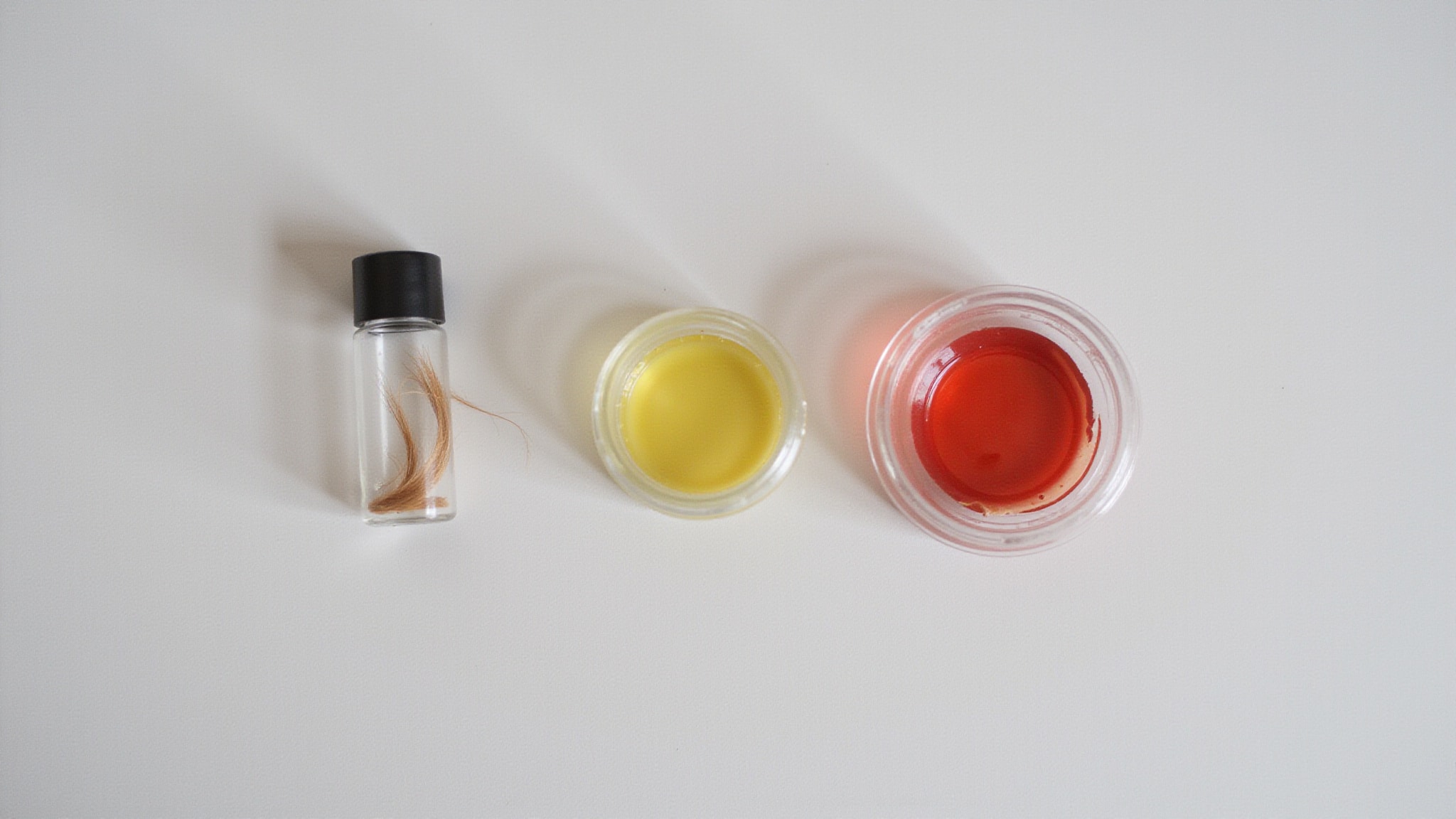
Meth detection times depend on which sample you’re analyzing. In your blood, meth becomes detectable within 1, 2 hours and clears within 1, 3 days, offering the shortest window but highest recent-use accuracy. Meth in urine appears within 2, 5 hours, with detection typically lasting 3, 6 days for occasional use and up to 7 days or longer for chronic use. Since meth metabolizes into amphetamine, urine tests identify both substances. Hair provides the longest window, detecting use for up to 90 days, though recent use within 5, 7 days won’t show yet. Ultimately, how long meth stays in your system hinges on the tissue tested and your individual physiology.
What factors affect how long meth stays in your system
Several factors determine how long meth actually stays in your system. Your frequency of use has the greatest impact, heavy or chronic use extends detection considerably, while occasional use clears faster. Your individual metabolism rate controls how quickly your body processes and eliminates the drug. Higher doses directly correlate with longer detection windows, so larger amounts take more time to clear. Your age, general health, and body characteristics also affect retention times. The method of administration influences both onset and duration. Finally, the sample type matters when you take a meth drug test: blood clears quickest, urine lasts longer, and meth in hair remains detectable up to 90 days, reflecting long-term rather than recent use patterns.
How long does the drug stay in your body
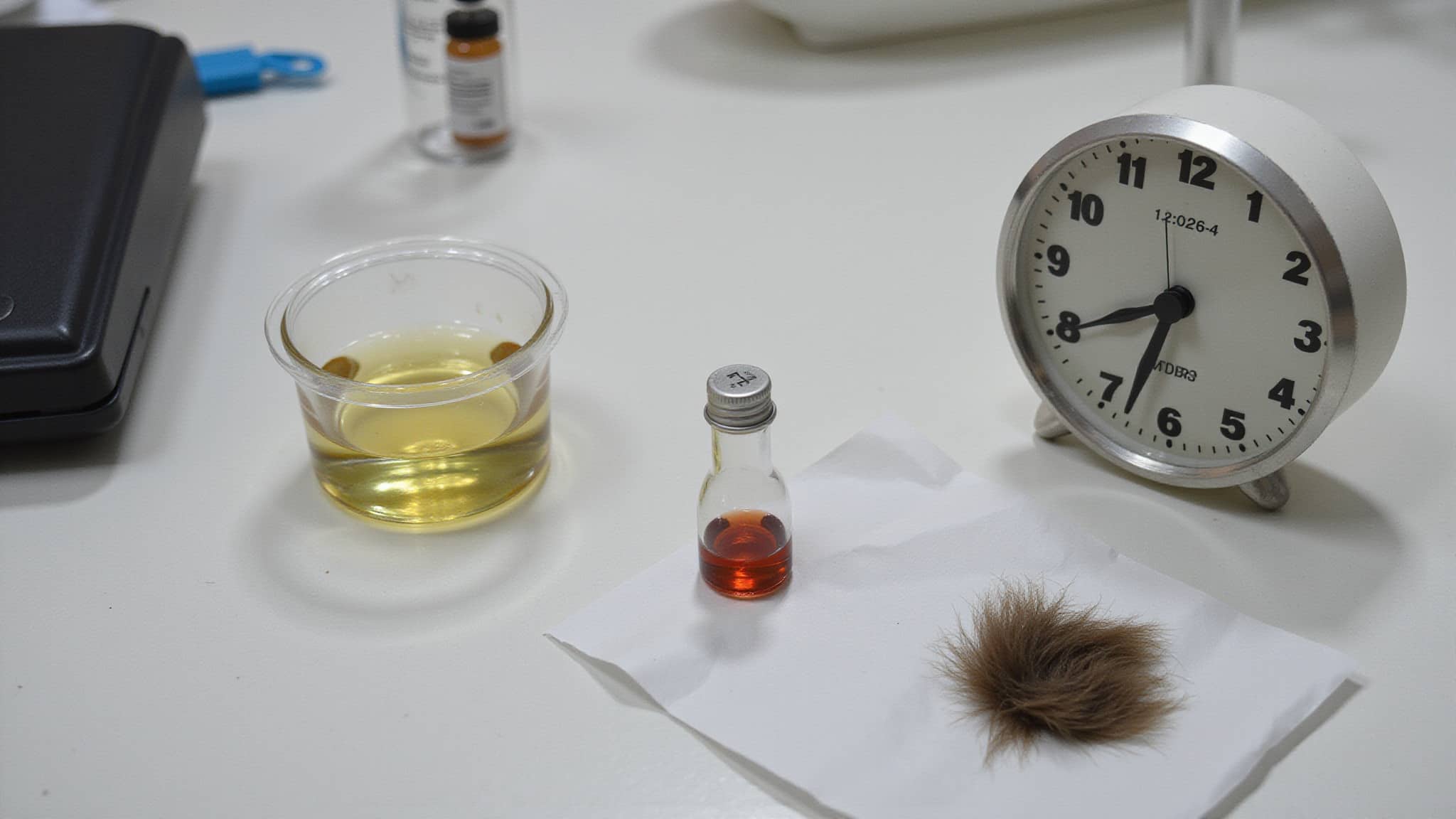
Detection windows for meth vary by sample type. In blood, meth becomes detectable within 1, 2 hours and typically clears within 1, 3 days, making it the shortest window but the most accurate for confirming recent use. Urine offers a longer range: the drug appears within 2, 5 hours, and single or occasional use stays detectable for 3, 6 days, while heavy or chronic use extends detection to 7 days or longer. Saliva detects meth within 10 minutes and lasts 1, 4 days. Hair provides the longest window, revealing use for up to 90 days, sometimes 120 with prolonged use, though it can’t detect consumption within the last 5, 7 days. Fingernails extend detection to 3, 6 months.
How do detection times compare across tests
Detection times vary significantly across tests, with blood offering the shortest window and hair the longest. Blood offers the shortest window but the highest recent-use accuracy, detecting meth within 1, 2 hours and clearing within 1, 3 days. Saliva detects use within 10 minutes and lasts 1, 4 days. Urine extends longer, catching use for 3, 6 days in occasional users and up to 7 days with heavy use. Hair provides the longest reach, covering up to 90 days.
| Test Type | Detection Window |
|---|---|
| Blood | 1, 3 days |
| Saliva | 1, 4 days |
| Urine | 3, 7 days |
| Hair | Up to 90 days |
You’ll choose a test based on whether you need recent-use confirmation or long-term usage patterns.
How is meth metabolized and eliminated
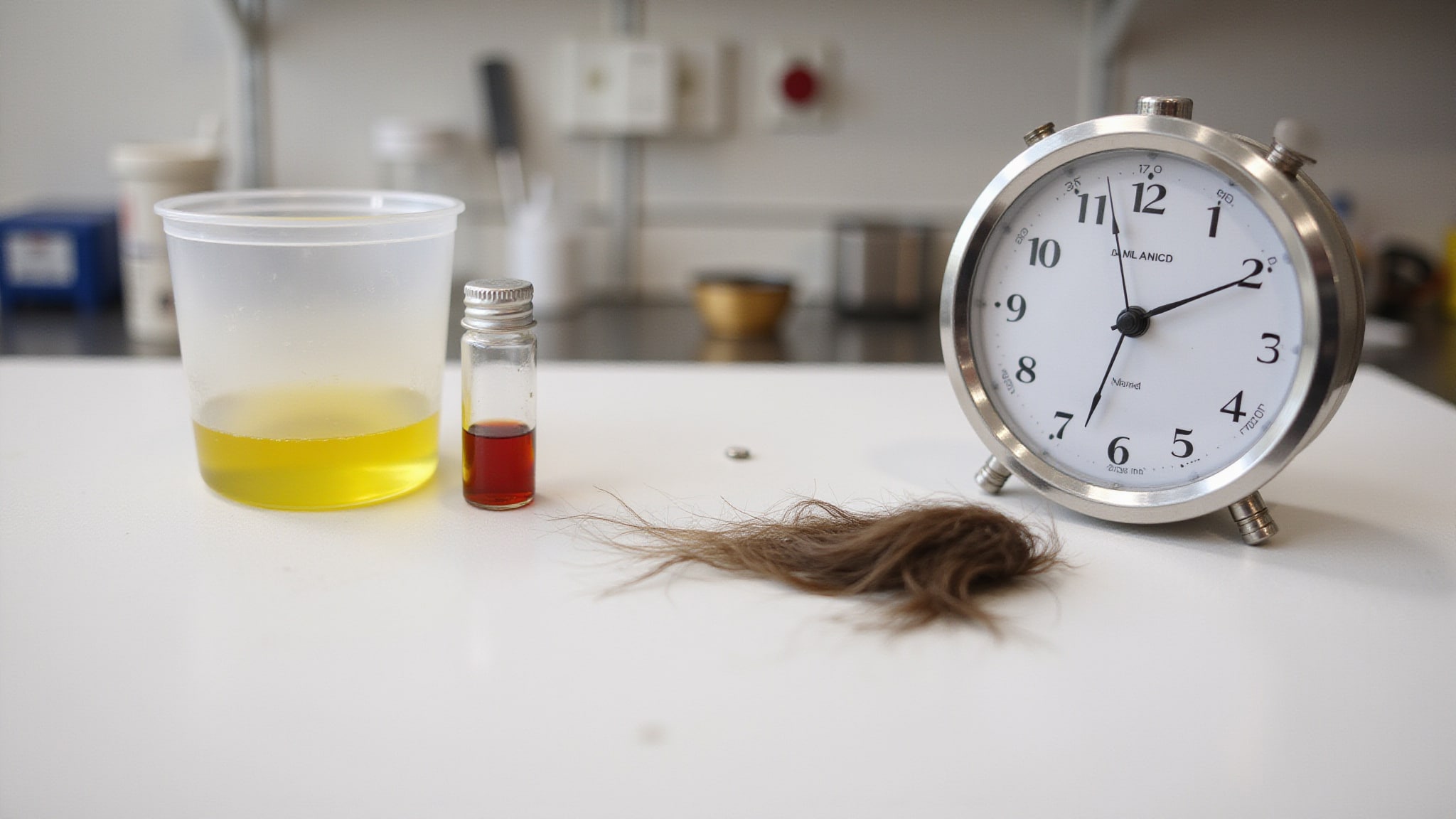
Meth metabolizes primarily into amphetamine, an active compound your body also clears more slowly. That’s why urine tests detect both substances after use. Your metabolism rate directly controls how fast you eliminate these compounds, and individual factors like age, health, and body composition shift that timeline. Dosage matters too. Larger amounts extend clearance and prolong detection. The method of administration affects how quickly meth reaches your bloodstream and how long it lingers. Frequency compounds everything: chronic use accumulates the drug, stretching elimination beyond a week. Your kidneys handle most excretion through urine, which is why urine detection outlasts blood but falls short of hair.
Can you speed up how fast it leaves your system
You cannot flush meth out faster, not reliably. Your body clears methamphetamine at a rate dictated primarily by metabolism, liver function, and kidney output. No proven method accelerates this process beyond your physiology’s natural pace. The physical reality of meth withdrawal can be harsh and debilitating. Many individuals experience a range of symptoms, including anxiety, fatigue, and intense cravings.
Hydration, exercise, and detox products often get marketed as solutions, but the evidence doesn’t support them:
- Excessive water intake may dilute urine temporarily, yet labs flag diluted samples and retest.
- Detox kits and supplements lack clinical validation and won’t shorten actual clearance time.
- Exercise could theoretically release stored metabolites faster, but it won’t guarantee a shorter detection window.
Ultimately, time remains the only dependable factor. Your individual metabolism, dosage, and usage frequency determine how quickly meth truly leaves your system. How meth harms your body is a significant concern for those who struggle with addiction. It can lead to severe damage to vital organs, impacting overall health and well-being.
Conclusion
Detection windows are useful to know, but they answer a narrow question. Blood, saliva, urine, and hair each cover a different stretch of time, and no product on the market shortens any of them. Time and physiology do the work.
People usually look this up because a test is coming. If the same search keeps coming back, that pattern is worth more attention than the numbers are. Treatment for meth use works, and it starts with an assessment rather than a commitment.
Your Story Isn’t Over, It’s Just Beginning
Meth may have taken so much, but the person you are underneath is still there, waiting to come back into the light. At The Hope Institute in Bloomingdale, NJ, our compassionate team walks beside you through outpatient Meth Addiction Treatment with real understanding and unwavering support. Call +1 (855) 659-2310 today and take that first brave step toward the life you deserve.
Frequently Asked Questions
Why can’t a hair test detect use from the last week?
Drug metabolites enter hair through the blood supply at the follicle, then have to grow out before a sample can capture them. Hair grows roughly half an inch per month, and the standard test cuts a segment starting at the scalp. Use from the past five to seven days is still inside the follicle rather than in the visible strand, so it produces a negative result even though the substance is present.
Does body hair give the same result as head hair?
Not quite. Body hair grows more slowly and cycles differently, which stretches the window it represents. A body hair sample can reflect roughly six months to a year of history rather than the standard 90 days, but it cannot be segmented into a reliable month-by-month timeline the way head hair can. Labs generally prefer head hair and turn to body hair only when head hair is unavailable or too short.
What is the difference between a screening test and a confirmation test?
The initial screen is usually an immunoassay, which is fast and inexpensive but detects a class of compounds rather than one specific substance. That is why it can flag structurally similar drugs. A positive screen normally goes to a confirmation test using gas or liquid chromatography with mass spectrometry, which identifies the exact molecule and its concentration. Confirmation testing is what distinguishes actual meth from a cross-reacting medication.
Do prescription ADHD medications show up as meth on a test?
Amphetamine-based prescriptions can trigger a positive on the initial amphetamine screen, since the screen is not specific. Confirmation testing separates them, because meth and prescription amphetamines are different molecules that produce different mass spectrometry signatures. Anyone testing while on a prescription should declare it in advance, which lets the medical review officer verify the prescription and report the result as negative.
How do labs detect a tampered or substituted sample?
Every urine sample gets a validity check before analysis. Labs measure creatinine and specific gravity to catch dilution, pH to catch added chemicals, temperature at collection to catch substitution, and oxidant levels to catch commercial adulterants. A sample failing any of these gets reported as invalid, adulterated, or substituted. In most testing programs that outcome is treated the same as a positive, and often more seriously.