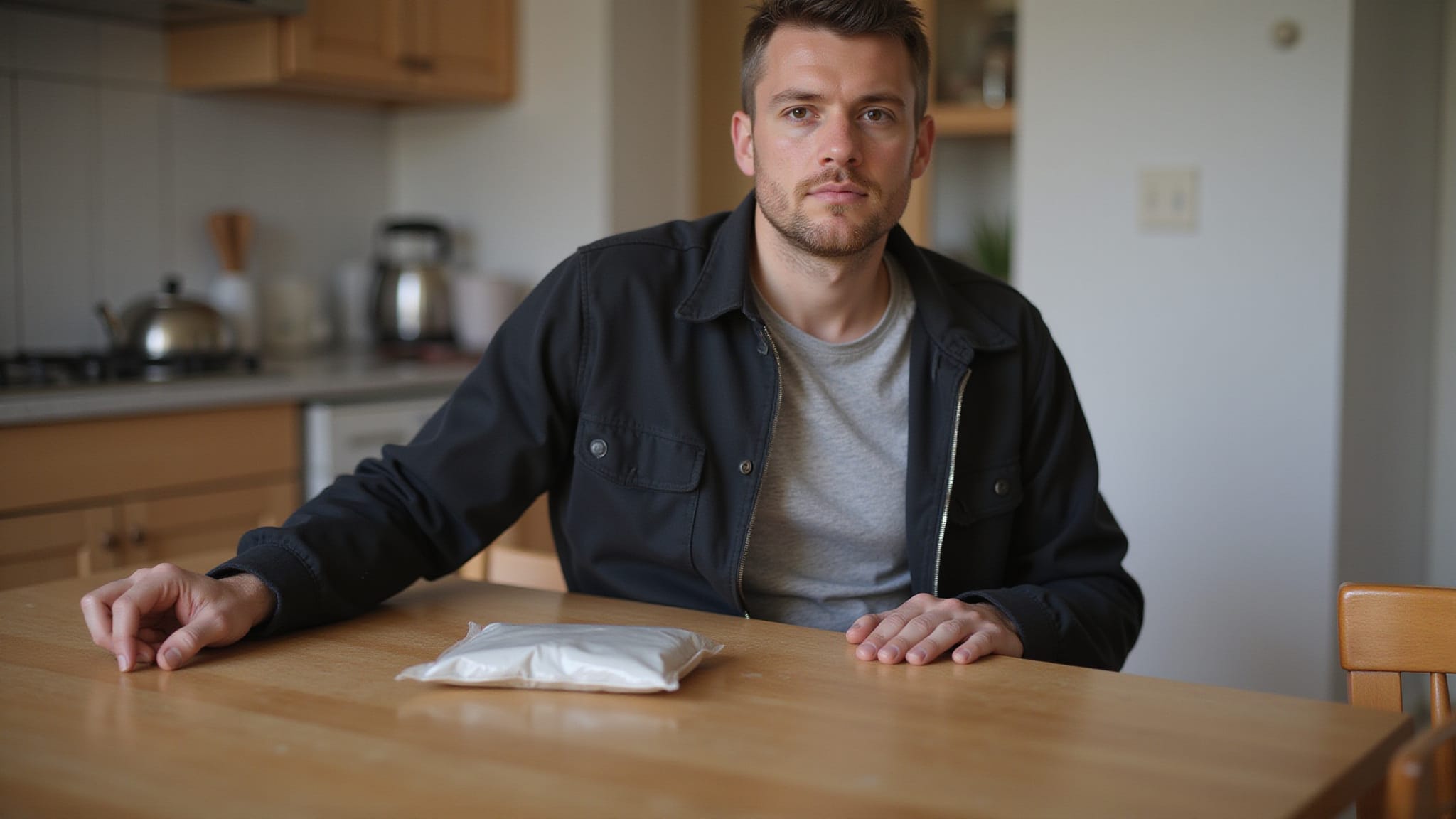
If you’ve experienced childhood trauma, your brain’s stress and reward systems may have been fundamentally altered, making you up to 74% more likely to develop a substance use disorder. Untreated PTSD drives roughly 20% of sufferers toward self-medication with alcohol, opioids, or other substances, creating a bidirectional cycle where each condition worsens the other. Understanding how this cycle works is the first step toward breaking it, and integrated treatment offers a proven path forward.
How Childhood Trauma Rewires the Brain for Addiction

When childhood trauma goes unresolved, it doesn’t just leave emotional scars, it physically restructures the brain’s stress, reward, and control systems in ways that make addiction far more likely. Chronic early stress disrupts your HPA axis, elevating CRF activity and locking your nervous system into persistent hyperarousal. This dysregulation biases your brain toward high-intensity reward seeking, flooding the nucleus accumbens with dopamine surges that natural rewards can’t match.
Simultaneously, trauma weakens your prefrontal cortex’s capacity for impulse control and judgment. Epigenetic changes alter hippocampal functioning and glucocorticoid receptor expression, strengthening fear-based emotional learning. Research shows that early childhood abuse correlates with greater internalizing symptoms and more substantial long-term disruption of stress regulation systems. You’re left with a nervous system primed for distress and a reward circuit that responds powerfully to substances. This neurobiological convergence explains why ptsd substance use disorder so frequently co-occur, and why integrated treatment matters.
Who’s Most at Risk for Trauma-Related Substance Use?
Certain groups carry a disproportionately high risk for developing substance use disorders after trauma exposure. If you’ve grown up in an urban environment with chronic community violence, survived childhood physical or sexual abuse, or are a woman exposed to interpersonal violence, your likelihood of turning to substances as a coping mechanism increases considerably. Research shows that physical and sexual abuse in childhood increase lifetime addiction risk by approximately 74% and 73% respectively. Understanding where you fall within these risk categories can help you and your treatment team target interventions more effectively.
Urban Populations Face More
Because urban environments concentrate violence, poverty, and limited treatment access in the same neighborhoods, residents face a disproportionate burden of trauma-related substance use. Research shows that half of urban trauma inpatients were using alcohol or drugs at the time of their injury, confirming that substance use and violence exposure go hand in hand.
If you’re living in an urban setting, your risk profile is shaped by more than demographics. Studies found that 70% of urban trauma patients were young, poor African-American men, yet only 3% were gang-affiliated, meaning ptsd and addiction affect far more people than stereotypes suggest. The strongest predictor of current substance use after trauma wasn’t neighborhood or income, it was a prior history of substance abuse, reinforcing the need for early screening and intervention. Research also reveals that up to 59% of adolescents with PTSD go on to develop substance abuse issues, often using drugs or alcohol as a way to self-medicate their symptoms.
Childhood Abuse Increases Risk
Childhood abuse and neglect rank among the strongest predictors of later substance use disorder, stronger, in many cases, than adult trauma alone. Research shows a 74% greater lifetime risk after childhood physical abuse and a 73% greater risk after sexual abuse. If you’ve experienced emotional abuse, your vulnerability extends across multiple substance categories, including cocaine, marijuana, and prescription drugs.
The link between adverse childhood experiences and addiction follows a dose-response pattern, the more ACEs you’ve accumulated, the higher your odds of illicit drug use and injection drug use. Trauma before age 11 is particularly damaging, increasing experimentation with multiple drug classes during adolescence. Even when you experience additional trauma in adulthood, that early-life exposure maintains its independent effect on your substance use risk.
Women Experience Higher Rates
Women develop PTSD at roughly twice the rate of men, largely because they’re more frequently exposed to the trauma types most likely to trigger it, sexual assault, childhood sexual abuse, and intimate partner violence.
Research shows that among women with substance use disorders:
- Nine out of ten report childhood abuse or neglect
- Thirty percent experience severe levels across all trauma categories
- Those with the highest trauma burden begin using substances three years earlier on average
- Current PTSD rates run roughly double compared to lower-trauma groups
These overlapping vulnerabilities, violence, poverty, and coercive relationships, create structural barriers that delay help-seeking. If you’re maneuvering this intersection, trauma-informed addiction treatment that addresses both PTSD and substance use simultaneously offers the strongest path toward lasting recovery. Psychological trauma treatment is crucial for individuals grappling with complex emotional wounds. It focuses on healing the mind and spirit, providing tools to cope with distressing memories.
Why PTSD and Substance Use Almost Always Travel Together
When PTSD goes untreated, your brain searches for anything that quiets the hypervigilance, intrusive memories, and emotional pain, and substances deliver fast, temporary relief. Because PTSD symptoms typically develop before the substance use disorder, this self-medication pattern establishes a neurological feedback loop that’s hard to break on your own. Each cycle of short-lived relief followed by worsening symptoms strengthens the connection between trauma and use, making the two conditions increasingly inseparable over time.
Self-Medication Drives Use
Because PTSD disrupts the brain’s ability to regulate distress, many people turn to substances as the fastest available relief. This self-medication pattern affects roughly 20% of people with PTSD in community samples, and it’s not limited to one substance. You might reach for:
- Alcohol to blunt hyperarousal and intrusive memories
- Opioids to numb emotional pain
- Benzodiazepines to suppress anxiety spikes
- Stimulants to counter emotional numbing and fatigue
The relief is real but short-lived, creating a reinforcement loop where each symptom spike drives another round of use. Self-medication doesn’t just sustain addiction, it escalates psychiatric risk. Research links this pattern to 2.46 times higher odds of suicide attempts, even after controlling for other mental health conditions. The temporary fix compounds the original problem.
PTSD Typically Develops First
Understanding why substances become the go-to coping tool matters, but so does recognizing which problem typically shows up first. Research consistently shows that PTSD typically develops first, with the disorder carrying a 4.5-fold increased risk of later drug abuse or dependence, even after controlling for demographics and prior depression.
This temporal pattern is especially striking in younger populations. Up to 60% of youth with PTSD eventually develop substance use problems, underscoring how early trauma and substance abuse become intertwined over time. Significantly, trauma exposure alone doesn’t carry the same risk, it’s the presence of PTSD symptoms like hyperarousal, intrusive memories, and emotional dysregulation that drives you toward substances. Recognizing this sequence changes everything about how you approach treatment, placing trauma work at the center of lasting recovery.
A Reinforcing Cycle Forms
Once PTSD takes hold and substances enter the picture, the two conditions stop existing side by side and start feeding each other. Research confirms this relationship is bidirectional, each condition actively worsens the other through negative reinforcement:
- You use to cope: Substances temporarily suppress flashbacks, hyperarousal, and insomnia, reinforcing repeated use.
- Your symptoms intensify: Chronic use deepens anxiety, emotional dysregulation, and sleep disruption over time.
- New trauma accumulates: Substance use increases your exposure to additional traumatic events and stressors.
- Treatment becomes harder: Intoxication and withdrawal impair the trauma processing required in approaches like EMDR for addiction recovery.
This reciprocally reinforcing cycle means your PTSD drives use, and your use deepens PTSD, making integrated treatment essential rather than optional.
The Self-Medication Trap: Numbing Trauma With Substance Use
When trauma goes untreated, the brain’s distress signals don’t simply fade, they persist as hypervigilance, intrusive memories, and emotional pain that can feel unbearable. To cope, you may turn to alcohol, marijuana, or opioids to quiet the noise. This is self-medication, using substances to manage symptoms no one has helped you treat.
Research shows approximately 20% of people with PTSD report self-medication to relieve symptoms. The temporary relief reinforces continued use, but it comes at a steep cost. Self-medication is independently associated with higher odds of suicide attempts, with an adjusted odds ratio of 2.46. It’s also linked to dysthymia, borderline personality disorder, and declining quality of life. What starts as survival becomes its own crisis, one that deepens the original wound rather than healing it.
How Substance Use Makes PTSD Symptoms Worse

Though substances may temporarily quiet PTSD symptoms, they reliably make them worse over time. Substance use intensifies flashbacks, heightens anxiety, and deepens depression. It also disrupts sleep cycles, amplifying nightmares and hyperarousal that leave you more depleted each day.
The worsening follows predictable patterns:
- Increased avoidance: Substances strengthen emotional numbing, preventing you from processing trauma and hindering recovery
- Impaired cognition: Substance use disrupts judgment, concentration, and impulse control, making daily functioning harder
- Sleep fragmentation: Rebound effects from alcohol or drugs leave sleep less restorative, intensifying daytime PTSD symptoms
- Accelerating dependence: Temporary relief drives repeated use, creating a self-reinforcing cycle where worsening PTSD fuels greater substance use
Research confirms that PTSD symptoms improve only when trauma is addressed directly, not when substance use is treated alone.
Why Treating Trauma and Addiction Separately Fails
The pattern is clear: substances worsen PTSD, and PTSD drives substance use. Treating one condition while ignoring the other leaves half the problem intact. If you address addiction alone, trauma-related triggers keep fueling relapse. If you address trauma alone, conditioned cravings and reinforcement patterns persist.
Fragmented care, where separate providers manage each condition without coordination, raises dropout risk and missed diagnoses. Sequential treatment delays attention to whichever disorder waits its turn. Research consistently shows that co-occurring PTSD and substance use disorders carry a more severe clinical burden, including higher rates of depression, suicidality, and treatment failure.
Evidence-based models like Seeking Safety demonstrate that integrated, simultaneous treatment produces stronger outcomes. You need both conditions addressed together, under one coordinated clinical team, from the start.
How Integrated Therapy Treats Trauma and Addiction Together

Because PTSD and addiction reinforce each other through shared neurological pathways, effective treatment can’t afford to address them on separate tracks. Integrated therapy combines trauma-focused interventions and addiction treatment under one coordinated clinical plan, delivered by a unified team. PTSD treatment options vary widely and can be tailored to meet individual needs.
Research shows this approach works. Core components include:
- Phased treatment structure, stabilization and coping skills before intensive trauma processing
- Exposure-based therapies like COPE and EMDR, delivered safely alongside substance use treatment
- Emotion regulation and distress tolerance training to replace self-medication patterns
- Individualized care plans matched to your trauma history, symptom severity, and substance use
Clinical trials demonstrate that integrated therapy produces greater PTSD symptom reductions persisting through nine-month follow-up, without worsening substance use. You’re treating the whole picture, not fragments. Psychological treatments for PTSD symptoms can also enhance overall well-being and social functioning. Many patients report improved relationships and increased life satisfaction as a result of effective therapies.
Heal Both Mind and Body Together
When mental health and substance use overlap, treating them together is the strongest path forward for lasting recovery. At The Hope Institute in West Milford, NJ, our skilled team offers reliable Dual Diagnosis treatment designed to support every step of your healing. Call +1 (855) 659-2310 today and start building a stronger, healthier tomorrow.
Frequently Asked Questions
Can PTSD From a Single Adult Event Cause Addiction Without Childhood Trauma?
Yes, it can. A single traumatic event, like an assault, accident, or combat exposure, can trigger PTSD and drive you toward substances to manage symptoms like hypervigilance, intrusive memories, and emotional numbing. You don’t need a childhood trauma history for this self-medication cycle to take hold. Research shows you’re two to four times more likely to develop a substance use disorder after trauma, regardless of when it occurred.
How Long Does Integrated PTSD and Addiction Treatment Typically Take?
Integrated treatment typically takes 30 days to 6 months, depending on your setting and symptom severity. Residential programs usually run 1, 3 months, while outpatient therapy spans 3, 6 months of weekly sessions. You’ll likely see meaningful improvements during active treatment, but durable recovery often requires ongoing follow-up support. The key is that both conditions are treated together, research shows you don’t need to wait for full abstinence before starting trauma work.
Can Medication Alone Treat Co-Occurring PTSD and Substance Use Disorders?
Medication alone isn’t enough to treat co-occurring PTSD and substance use disorders. While medications can ease cravings, withdrawal, and mood symptoms, they don’t address the trauma-related thoughts and avoidance that maintain both conditions. You’ll see the strongest outcomes when medication is paired with trauma-focused psychotherapy, approaches like Cognitive Processing Therapy or exposure-based treatments delivered alongside addiction care. Combined treatment targets both disorders simultaneously, giving you the most durable relief.
Does Treating PTSD Ever Make Substance Cravings Worse Before Improving?
Yes, it can. When you start processing trauma, the distress you’ve been numbing with substances becomes more visible, and cravings can temporarily spike. Trauma cues and substance cues activate together, producing an additive effect that makes urges feel stronger before relief sets in. That’s why integrated treatment matters, your clinical team can pair trauma-focused therapy with relapse-prevention strategies so you’re supported through that early intensity rather than facing it alone.
Are Certain Substances More Commonly Linked to Specific Types of Trauma?
Yes, research suggests patterns exist. If you experienced childhood physical abuse, you’re at higher risk for using a broad range of substances, while sexual abuse links more specifically to cocaine and marijuana use. Emotional abuse correlates strongly with cocaine use alongside active PTSD symptoms. People with four or more adverse childhood experiences are ten times more likely to develop problematic drug use, showing how cumulative trauma deepens vulnerability across substance categories.