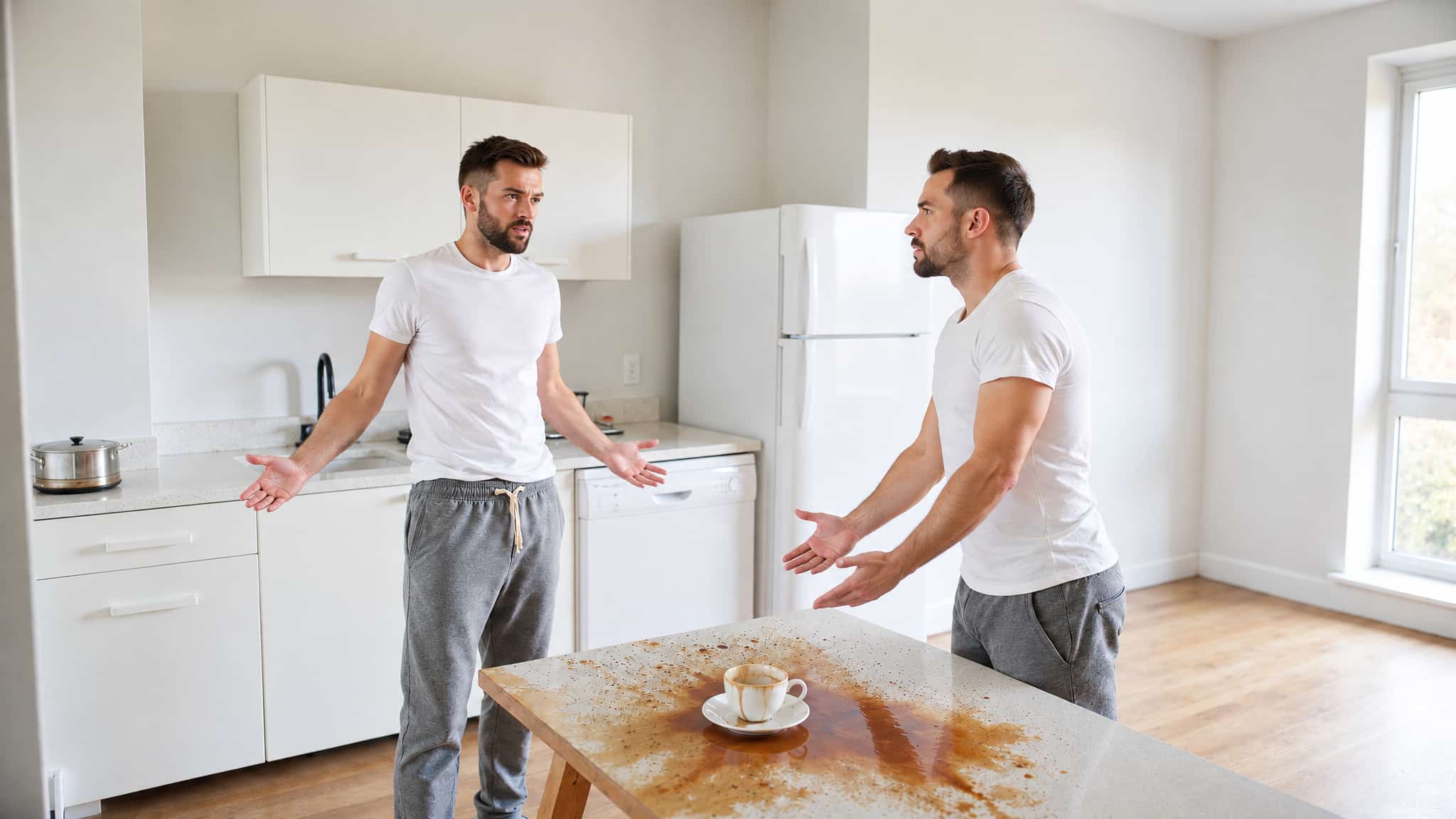
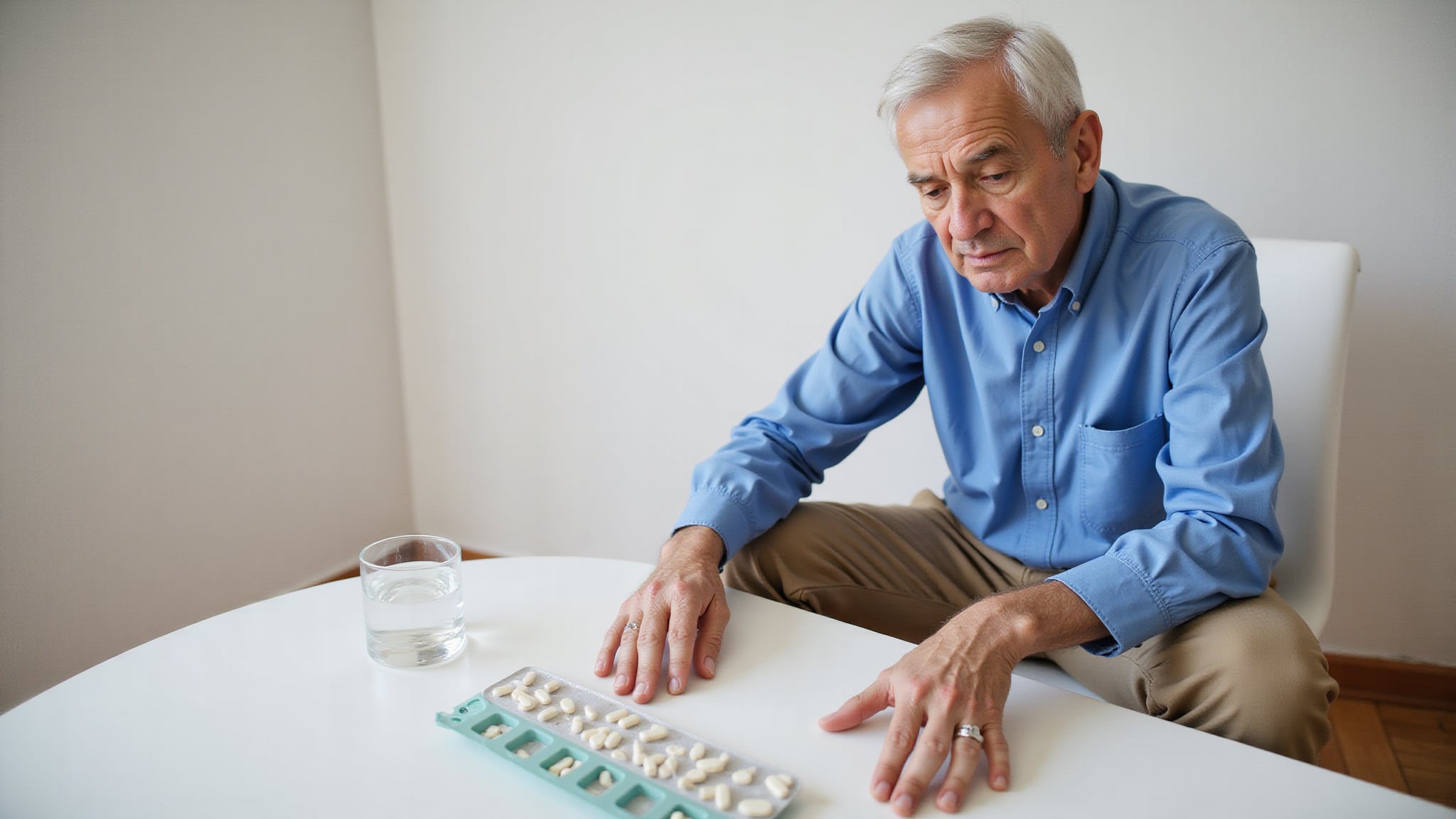
Waking up low, anxious, or irritable after heavy drinking is usually part of the hangover, not a sign you’ve developed clinical depression. Symptoms start as your blood alcohol falls, peak near zero, and can last up to 24 hours. A review of 22 studies linked hangovers with more anxiety, stress, and depression. Disrupted sleep, headache, nausea, and fatigue make emotional steadiness harder. Understanding what drives that dip, and when it signals more, can help you respond.
Key Takeaways
- Morning-after low mood is usually a hangover symptom, peaking as blood alcohol nears zero and lasting up to 24 hours.
- Research links hangovers with greater anxiety, stress, and depression, though no proven serotonin or dopamine “crash” explains it.
- Alcohol shortens sleep, lowers sleep efficiency, and disrupts REM cycling, leaving you unrefreshed and emotionally flat the next day.
- Headache, nausea, fatigue, and slowed attention keep focus on feeling bad and make ordinary tasks more frustrating.
- Seek support if low mood persists or recurs, or if you drink to cope, drink more than intended, or continue despite problems.
Why Do You Wake Up Depressed After Drinking Alcohol

You wake up depressed after drinking because the low, anxious, or irritable mood is often part of the hangover itself, not a sign of clinical depression. Hangover symptoms typically begin as your blood alcohol concentration falls, peak near zero, and can last up to 24 hours. Research supports this link: a systematic review of 22 studies involving 6,152 people associated hangovers with greater anxiety, stress, and depression.
Several factors drive the dip. Alcohol disrupts your sleep, reducing its duration and efficiency and altering its architecture. You may also face fatigue, headache, nausea, and weakness, which compound emotional distress. Controlled studies show binge-level drinking worsens next-day mood, attention, and reaction time. Drinking more, sleeping less, and having baseline anxiety can intensify how bad you feel.
What alcohol does to serotonin and dopamine overnight
Human studies haven’t confirmed that alcohol causes serotonin or dopamine to plunge overnight in a way that explains morning-after depression, even though popular explanations often blame a “crash” in these neurotransmitters. The evidence for that specific mechanism is limited. What studies do show is more practical:
- Your sleep suffers. Alcohol can shorten sleep, reduce its efficiency, and alter sleep architecture.
- Your mood measurably dips. A review of 22 studies linked hangovers with more anxiety, stress, and depression.
- Your body adds strain. Headache, nausea, fatigue, and weakness can make a hard morning feel heavier.
Why broken REM sleep leaves your mood flat the next day

Broken sleep, including disrupted REM, can leave you with fatigue, reduced alertness, and slower reaction time the next day, and these may make low mood, irritability, or anxiety feel heavier.
Alcohol is one way this disruption happens. It can make you drowsy at first, but it often unsettles the rest of your night. Studies report drinking can shorten your total sleep, lower sleep efficiency, and alter sleep architecture, the cycling between sleep stages, including REM. You might fall asleep quickly, then wake repeatedly or rise feeling unrefreshed. One study linked shorter sleep after drinking with more severe hangovers.
Still, the evidence isn’t uniform. Researchers don’t agree on how closely specific sleep changes track next-day mood, so broken sleep is likely one contributor among several. If your mood feels flat, time remains your best remedy.
How blood sugar and dehydration make it feel worse
Low blood sugar and dehydration are often blamed for hangovers, but research hasn’t shown either one explains next-day low mood on its own. What studies do link to that morning-after dip is physical discomfort, which can amplify your emotional state. With your head pounding and your stomach churning, it’s harder to feel emotionally steady.
Blood sugar and dehydration don’t fully explain hangover blues. Physical discomfort does, making it harder to feel emotionally steady the morning after.
- Headache and nausea keep your attention locked on how bad you feel, leaving less room for calm.
- Weakness and fatigue reduce your energy and vigor, which researchers have measured alongside higher next-day depression scores.
- Slower attention and reaction time can make ordinary tasks feel frustrating.
Eating and drinking water may make you more comfortable, but they may not speed recovery. A review found time matters most. Give yourself that time.
How morning low mood differs from hangxiety

Low mood weighs you down, while hangxiety winds you up. Both show up the morning after drinking and can feel like the same thing, but they tend to pull your emotions in different directions.
| Feature | Low mood | Hangxiety |
|---|---|---|
| Core feeling | Sadness, flatness, low energy | Worry, restlessness, dread |
| Common thoughts | “Nothing feels worth it” | “What did I say last night?” |
| Body signals | Heaviness, fatigue | Racing heart, tension |
Research links hangovers with both: a review of 22 studies found greater anxiety, stress, and depression afterward. You may feel one, the other, or both at once. Either way, these feelings usually ease within 24 hours. If they keep returning after drinking, or linger beyond the hangover, they’re worth discussing with a healthcare professional.
Why it hits harder if your mood was already low
A hangover hits harder when your mood is already low because baseline anxiety, avoidant coping, and repetitive negative thinking are linked with worse negative emotional experiences during hangovers, according to a systematic review. These factors can compound in three ways:
Baseline anxiety, avoidant coping, and repetitive negative thinking can make a hangover feel worse, especially when your mood is already low.
- Pre-existing anxiety: You start the day closer to your threshold, so hangover-related stress and dysphoria register more sharply.
- Avoidant coping: If you drank to escape a bad mood, that feeling often returns the next morning, alongside fatigue and physical discomfort.
- Repetitive negative thinking: Rumination can magnify regret or self-criticism, especially when poor sleep reduces your ability to reframe thoughts.
Drinking to cope with distress signals a risky pattern. If low mood keeps following your drinking, consider talking it through with a healthcare professional.
When morning depression after drinking stops being just a hangover
Morning depression after drinking stops being just a hangover when low mood persists, keeps recurring, or disrupts your daily life, since a hangover-related mood dip usually fades within 24 hours. If you’re regularly drinking to cope with distress, drinking more than you intended, needing more alcohol for the same effect, or continuing despite problems, these are warning signs of alcohol use disorder that merit professional assessment.
Withdrawal is another possibility. After heavy, prolonged drinking, you might notice tremor, sweating, nausea, insomnia, anxiety, or agitation when you cut back. These symptoms can begin within hours or several days later. If you’re drinking to calm morning shakes, seek medical support. Hallucinations, confusion, fever, or seizures need emergency care. Don’t stop abruptly without medical advice, because severe withdrawal can be dangerous.
Conclusion
Waking up depressed after a heavy night is usually the hangover talking, not clinical depression. Your blood alcohol has fallen, your sleep was wrecked, and the headache, nausea, and fatigue make low mood sit heavier than it would on a rested morning. For most people it clears within a day, and time, not a greasy breakfast or a fresh drink, is what fixes it. The picture changes when the low mood keeps returning after drinking, lingers past the hangover, or you find yourself drinking to lift it. At that point the mood and the drinking are feeding each other, and that is worth talking through with someone rather than waiting out one more morning.
Get Help If the Morning-After Low Keeps Returning
If you wake up depressed after drinking more often than not, or you’ve started drinking to lift the low the last night left behind, that loop is worth breaking. The Hope Institute in Wayne, NJ provides outpatient alcohol addiction treatment with cognitive behavioral therapy and counseling, plus dual diagnosis treatment that treats low mood and drinking together instead of one at a time. Contact us to verify your insurance or call (855) 659-2310 to talk it through.
Frequently Asked Questions
How Long Does Low Mood After a Heavy Drinking Night Usually Last?
Your low mood usually lifts within 24 hours. Hangover symptoms tend to peak as your blood alcohol nears zero and then fade. Poor sleep, fatigue, and anxiety can make the dip feel heavier, but time remains the most important factor in recovery. If your low mood persists beyond a day, keeps recurring after drinking, or disrupts your functioning, it’s worth discussing promptly with a trusted healthcare professional.
Does Everyone Who Drinks Heavily Wake up Feeling Depressed the Next Morning?
No, not everyone does. About 75% of people who drink to intoxication get a hangover at least sometimes, and studies link hangovers with greater next-day depression, anxiety, and stress. Your response varies with how much you drink, how short your sleep is, and your baseline anxiety, avoidant coping, or repetitive negative thinking. If you’re regularly waking up low after drinking, it’s worth reviewing your drinking pattern with a healthcare professional.
Can Drinking More Alcohol the Next Morning Ease the Low Mood?
No, it’s not a safe fix. Research identifies time as the most important part of hangover recovery, and your mood usually improves as symptoms fade, often within 24 hours. Drinking to avoid feeling bad signals a risky pattern, and if you’re drinking to ease morning shakes or other withdrawal symptoms, that’s a warning sign you shouldn’t ignore. You deserve medical support, so consider talking with a healthcare professional about it.
What Can You Do to Prevent Waking up Depressed After Drinking?
You can best prevent it by avoiding heavy drinking, since greater intake brings more severe hangovers, including next-day low mood. If you drink, keep amounts lower and protect your sleep, because research links shorter sleep with worse hangovers. Notice whether you’re drinking to cope with distress or avoid feelings; that pattern’s risky. If low mood keeps recurring after drinking, it’s worth reviewing your habits and talking with a healthcare professional.
Does the Type of Alcoholic Drink Affect Next-Day Mood?
The type of drink doesn’t appear to change your next-day mood. What matters is how much you drink, since greater intake brings more severe hangover symptoms, including low mood. Shorter sleep, baseline anxiety, and repetitive negative thinking can intensify it as well. If you notice recurrent low mood after drinking, it’s worth reviewing your patterns with a healthcare professional.