To calm anxiety quickly, slow your breathing with long exhales, ground yourself in what you can see, hear, and touch, and release the tension in your muscles. A Stanford Medicine study found that 5 minutes a day of cyclic sighing, two inhales through the nose followed by one long exhale through the mouth, improved mood and lowered breathing rate more than mindfulness meditation. Each technique below takes less than five minutes and works anywhere.
1. Cyclic Sighing
Breathe in through your nose, then take a second short breath in to fully fill your lungs. Exhale slowly through your mouth until your lungs are empty. Repeat for one to five minutes.
The long exhale is what matters. It slows your heart rate and signals your nervous system that you’re safe.
2. Box Breathing
Breathe in for 4 seconds, hold for 4, breathe out for 4, and hold for 4. Picture tracing the four sides of a square. If 4 seconds feels too long, use 3. Box breathing gives a racing mind something simple to count.
3. The 5-4-3-2-1 Grounding Exercise
Name 5 things you can see, 4 you can touch, 3 you can hear, 2 you can smell, and 1 you can taste. Grounding pulls your attention out of worried thoughts and back into the room you’re in.
4. Cold Water on Your Face
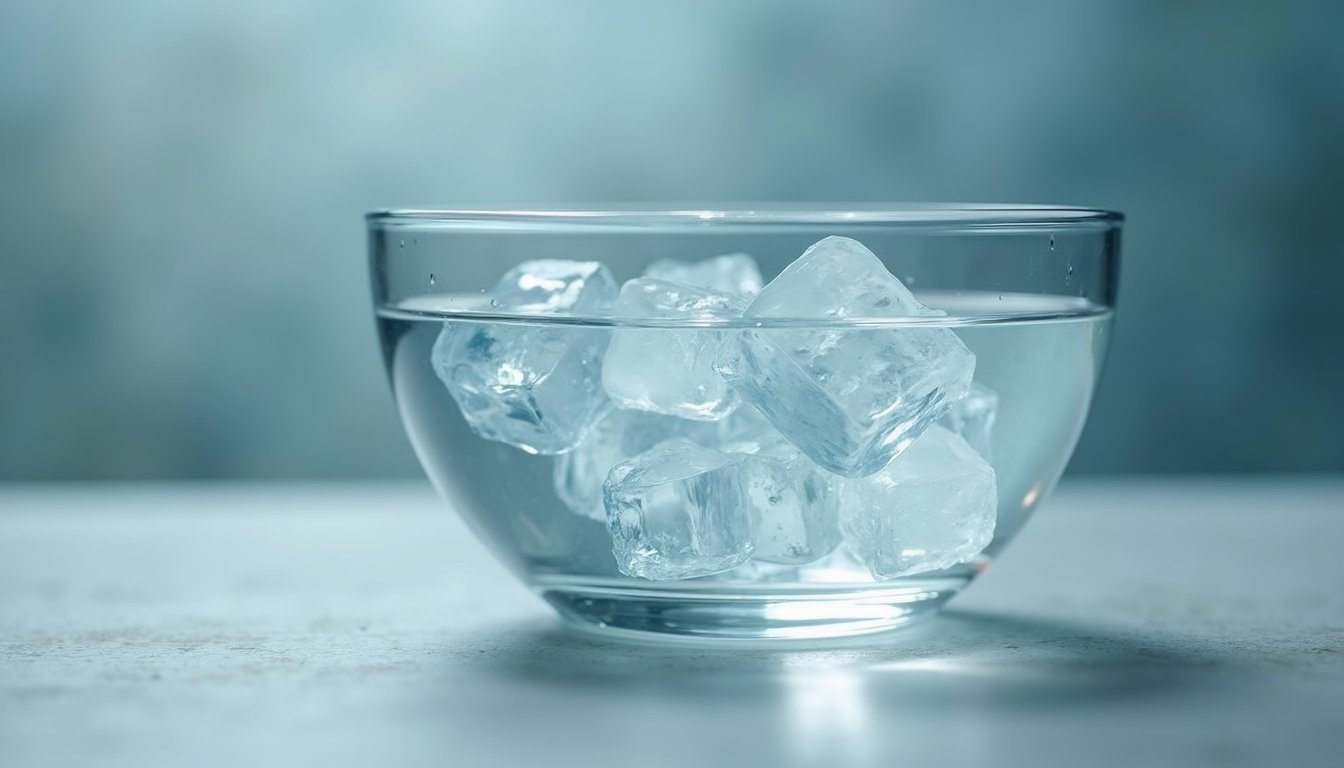
Splash cool water on your face or hold a cool, damp cloth over your eyes and cheeks for 15 to 30 seconds. This triggers the body’s dive reflex, which slows the heart rate. Skip this one if you have a heart condition or Raynaud’s.
5. Progressive Muscle Relaxation
Starting with your feet, tense one muscle group for 5 seconds, then release it and notice the difference for 10 seconds. Work up through your legs, stomach, hands, shoulders, and jaw. Anxiety lives in the body, and releasing it physically often calms the mind with it.
6. Name What’s Happening
Say to yourself, “This is anxiety. It’s uncomfortable, and it will pass.” Naming the feeling turns down its intensity. Then ask, “What is one small thing I can do right now?” and do only that.
7. Move for a Few Minutes
Walk briskly, climb stairs, or stretch. Movement burns off the stress hormones your body just released and gives restless energy somewhere to go.
How to Calm Anxiety at Night
Anxiety often gets louder when the house goes quiet. To settle down at night:
- Do 5 minutes of cyclic sighing or progressive muscle relaxation in bed
- Write down what’s on your mind, then close the notebook
- Keep your phone out of reach, since late-night scrolling feeds worry
- If you can’t sleep after 20 minutes, get up and do something calm in dim light until you feel sleepy
What to Do If Someone Is Having a Panic Attack
Stay with them and stay calm yourself. Speak slowly and simply: “You’re having a panic attack. It will pass. Breathe out slowly with me.” Breathe with them, and don’t tell them to “calm down.” If they have chest pain, trouble breathing that doesn’t ease, or it’s their first attack, call 911 to rule out a medical cause.
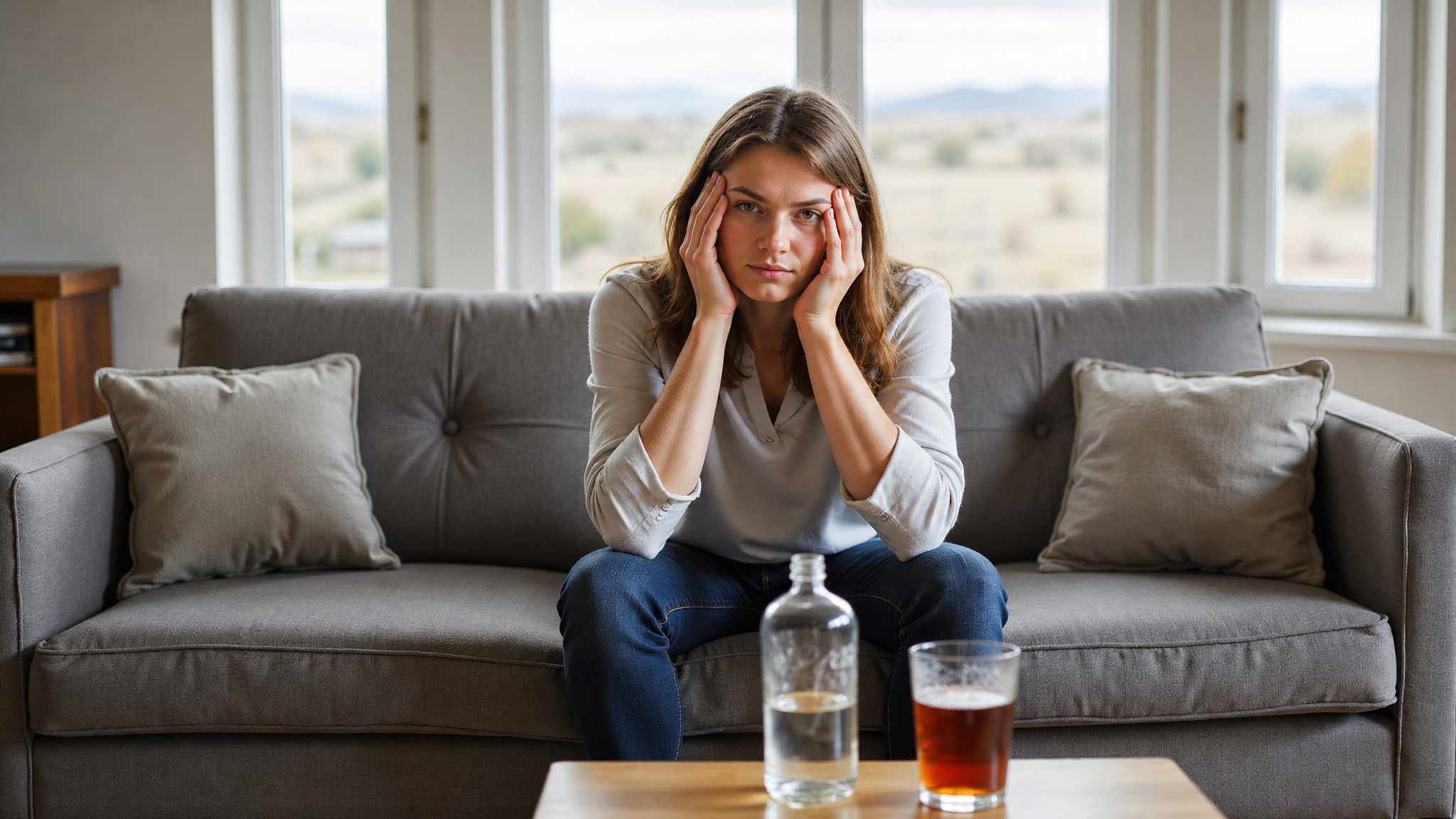
Why Alcohol and Weed Make Anxiety Worse
Many people reach for a drink or a joint to take the edge off. It works for an hour, then anxiety comes back stronger.
- Alcohol calms the brain at first, then causes a rebound of restlessness and anxiety as it wears off, often in the middle of the night or the next morning.
- Cannabis can ease anxiety in the moment, but regular use is linked to worse anxiety over time, and high-THC products can trigger panic.
- Withdrawal from both brings irritability, poor sleep, and anxiety, which pushes people to use again.
If you need a substance to calm down most days, the anxiety and the substance use need to be treated together.
When Anxiety Won’t Go Away
Quick techniques help in the moment, but they don’t treat an anxiety disorder. Talk to a professional if anxiety:
- Lasts most days for several weeks
- Gets in the way of work, school, sleep, or relationships
- Leads you to avoid places or people
- Comes with panic attacks
- Pushes you toward alcohol, drugs, or other ways of escaping
If you’re having thoughts of harming yourself, call or text 988, the Suicide & Crisis Lifeline, or call 911.
Get Help for Anxiety and Substance Use in New Jersey
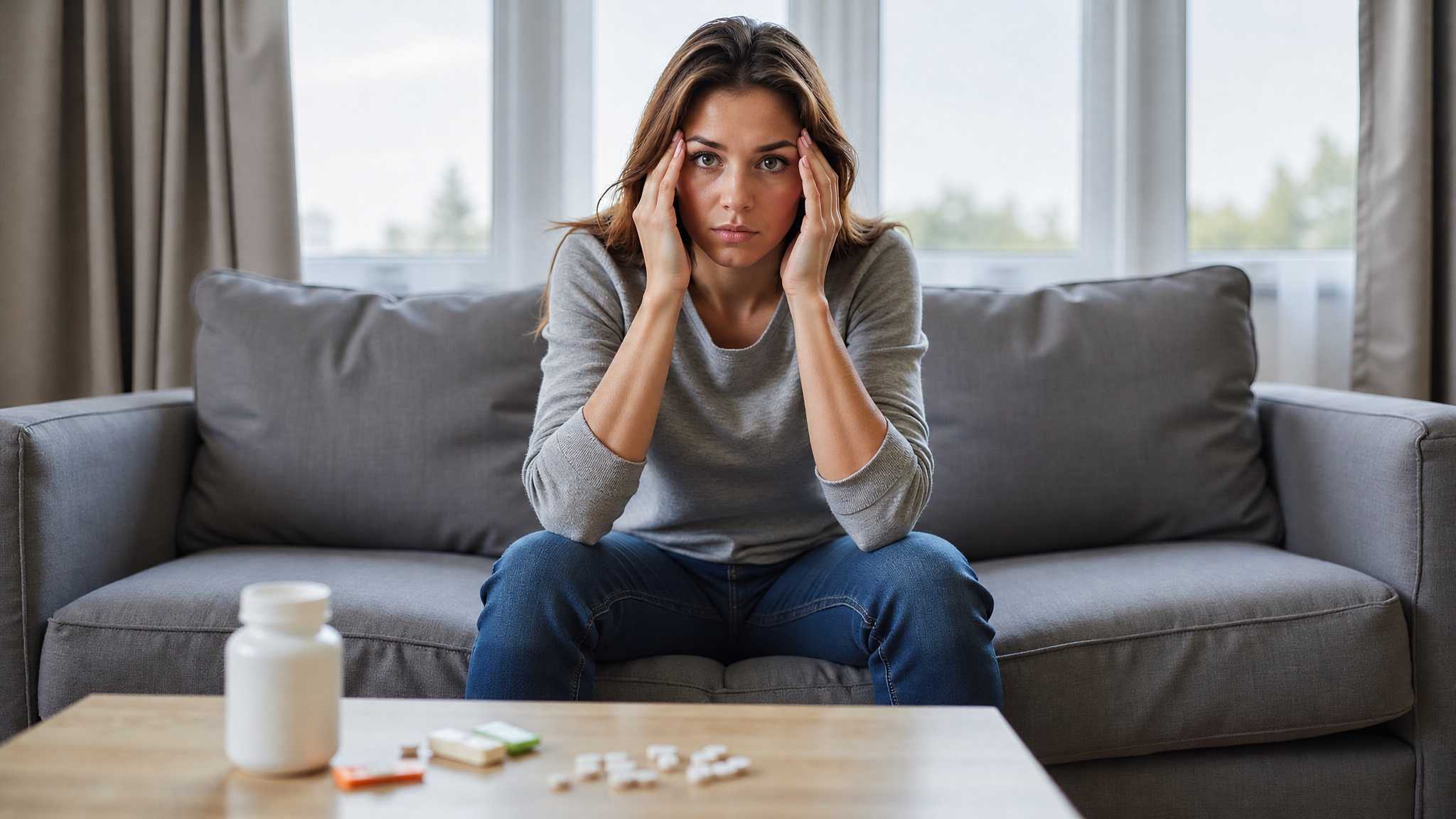
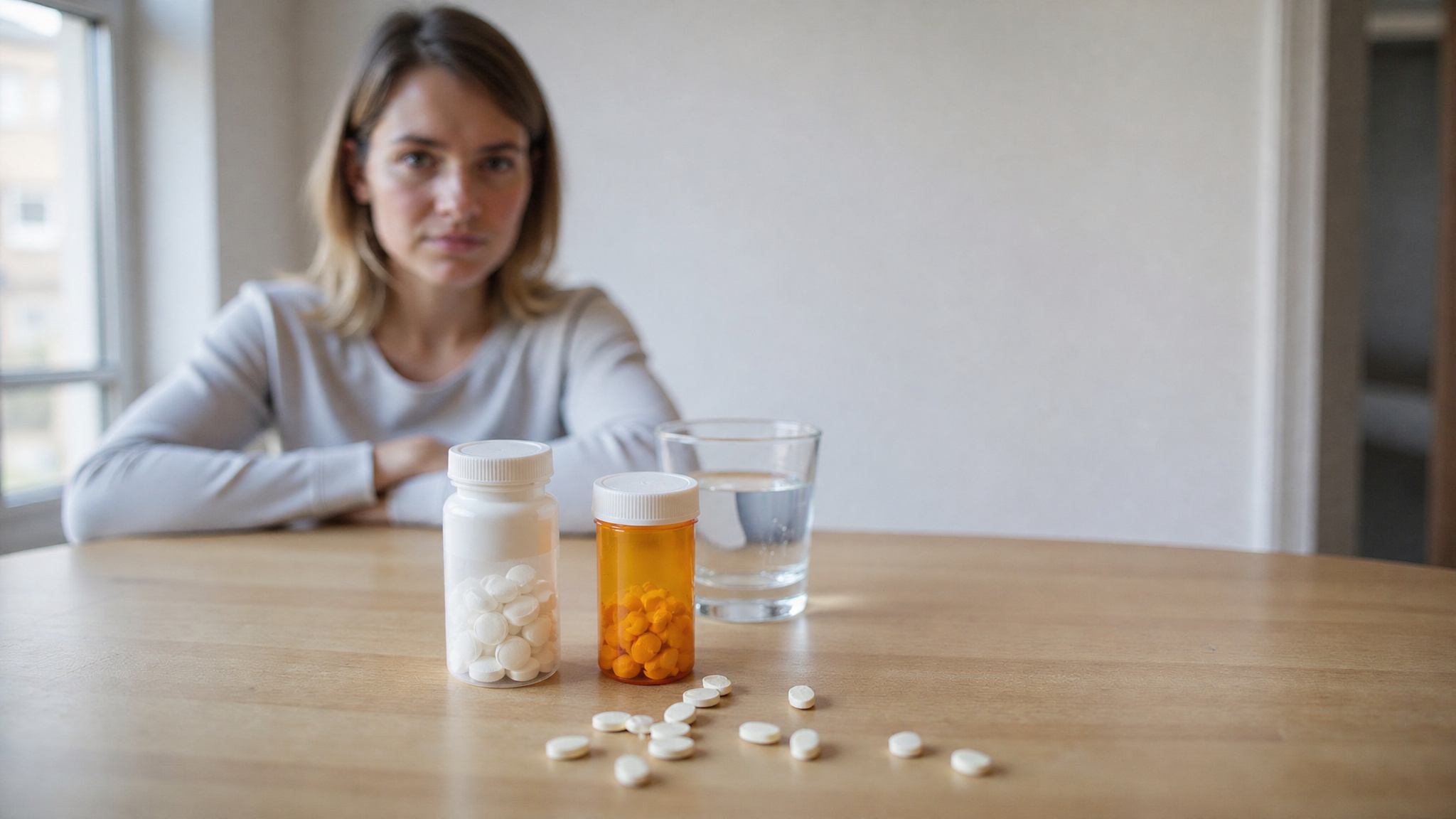
Calming anxiety quickly is a skill you can practice, but if you’re relying on alcohol, weed, or pills to get through the day, that pattern needs care of its own. The Hope Institute offers dual diagnosis treatment in New Jersey that treats anxiety and substance use together, using cognitive behavioral therapy, individual and group therapy, and an intensive outpatient program. Call (855) 659-2310 to talk with our team.
Frequently Asked Questions
What are some techniques for reducing anxiety?
The most effective quick techniques are slow breathing with long exhales, 5-4-3-2-1 grounding, progressive muscle relaxation, and short bursts of movement. Over time, regular exercise, steady sleep, less caffeine and alcohol, and therapy such as CBT reduce anxiety overall.
What should I do if I can’t control my anxiety anymore?
Reach out to a doctor or mental health professional, especially if anxiety is affecting your daily life. If you feel unsafe or are thinking about harming yourself, call or text 988 or call 911 right away.
How long does it take for breathing exercises to calm anxiety?
Many people feel calmer within one to five minutes of slow breathing. Practicing daily makes it work faster when you need it.
Can anxiety cause physical symptoms?
Yes. Anxiety can cause a racing heart, shortness of breath, sweating, shaking, dizziness, stomach upset, and muscle tension. Get any new chest pain or breathing trouble checked by a doctor.