Yes, cocaine dilates your pupils rapidly, often within seconds of smoking or minutes of snorting, by flooding your system with norepinephrine and blocking the parasympathetic signals that normally constrict them. Your pupils can expand to 6, 8 mm, creating a distinctive “wide-eyed” look that’s difficult to hide under normal lighting. This mydriasis typically lasts 2, 4 hours but can persist up to six. The immediate and long-term effects on your eyes go far beyond dilation alone.
Yes, cocaine dilates your pupils rapidly, often within seconds of smoking or minutes of snorting, by flooding your system with norepinephrine and blocking the parasympathetic signals that normally constrict them. Your pupils can expand to 6, 8 mm, creating a distinctive “wide-eyed” look that’s difficult to hide under normal lighting. This mydriasis typically lasts 2, 4 hours but can persist up to six, highlighting what do drugs do to your pupils and how visibly they can alter eye function. The immediate and long-term effects on your eyes go far beyond dilation alone.
How Cocaine Dilates Your Pupils in Minutes
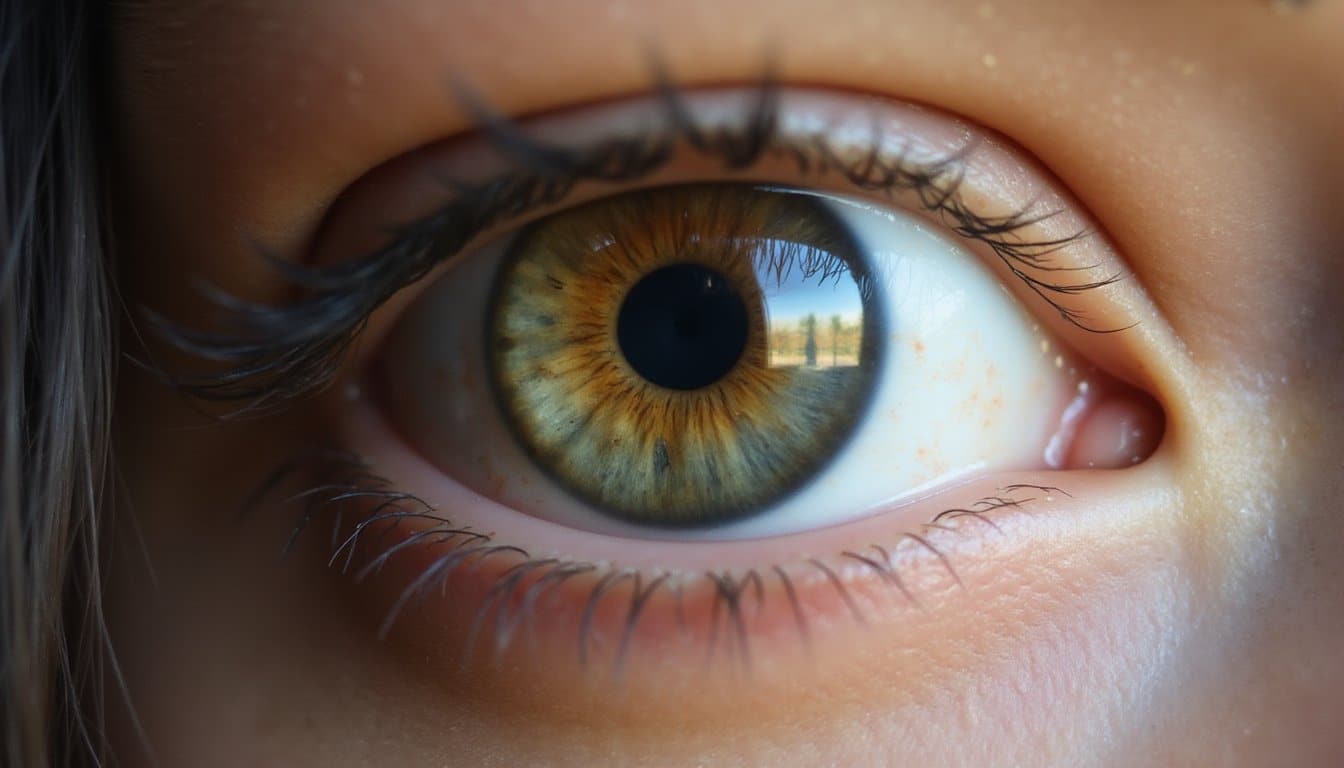
This isn’t subtle. Your pupils become visibly enlarged, causing photophobia and impaired light regulation as excess norepinephrine maintains unopposed sympathetic dominance across the iris. When cocaine is snorted, dilation occurs within minutes and can persist for up to 30 minutes as the drug sustains elevated norepinephrine levels. Pupils often measure 6-8 mm in diameter and remain enlarged even when exposed to bright light, as cocaine’s interference with parasympathetic nervous system function overrides the normal pupillary light reflex. Beyond dilation, cocaine simultaneously causes bloodshot eyes due to the narrowing of blood vessels and elevated blood pressure, a visible effect that can persist for hours or even days after use.
How Long Cocaine Pupils Last and What They Look Like
How long do cocaine-dilated pupils actually last? During active cocaine intoxication, mydriasis typically persists 2, 4 hours post-administration, though effects can extend up to 6 hours depending on dosage and metabolism. Your pupils will measure 6, 8 mm in diameter, significantly larger than the normal 2, 4 mm light response.
Drug induced mydriasis from cocaine creates a distinct appearance. Your pupils remain enlarged and unresponsive to light changes, producing a characteristic “wide-eyed” look. The larger pupil size makes your eyes appear noticeably darker while allowing excess light entry, causing photophobia lasting 2, 6 hours.
Administration route directly impacts duration. Smoking produces dilation within 4, 5 seconds, while snorting triggers changes in 1, 3 minutes. Chronic users often develop semi-permanent baseline enlargement, and conjunctival injection, bloodshot eyes, can persist 8, 12 hours beyond initial use.
Immediate Eye Effects You’ll Notice After Cocaine Use
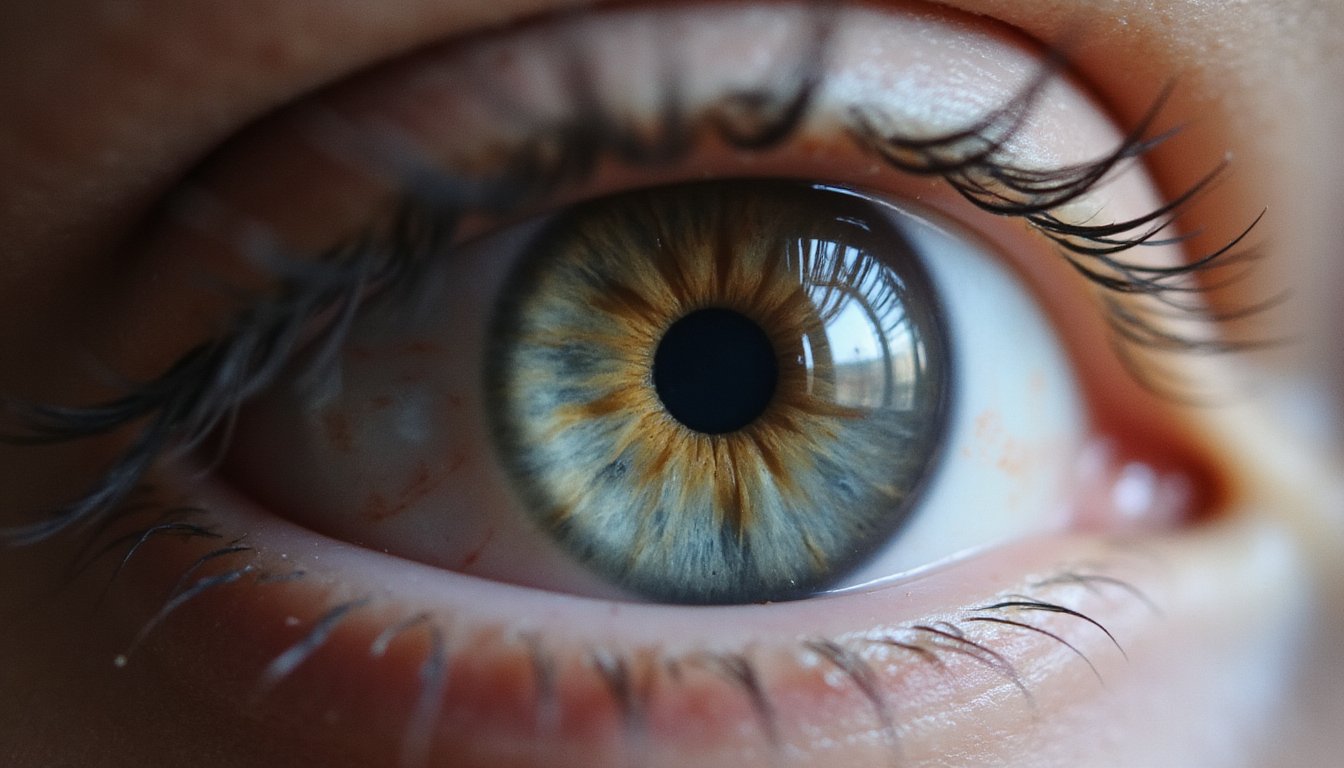
Cocaine also stimulates rapid, involuntary eye movements known as nystagmus, reflecting direct central nervous system overstimulation. Your gaze becomes unfocused and restless until the drug clears your system. Simultaneously, you may experience excessive tearing from irritation caused by drug impurities, or paradoxically, dry eyes from sympathetic activation reducing lacrimation. High concentrations can induce cycloplegia, paralyzing your ciliary muscle and blurring near vision.
How Cocaine Destroys Your Eyes Over Time
Beyond the immediate effects of a single dose, repeated cocaine use inflicts cumulative, progressive damage to nearly every structure in your eye. Chronic stimulant intoxication symptoms include ciliary muscle fatigue, corneal sensitivity loss, and neurotrophic keratitis from prolonged dilation cycles. Your retinal vasculature suffers artery occlusions, hemorrhages, and maculopathy that permanently impair central vision. These complications can be exacerbated by the presence of cocaine and alcohol in urine, which may indicate ongoing substance abuse. Furthermore, this combination can lead to heightened neurotoxicity, significantly increasing the risk for visual impairments. Many individuals may find themselves trapped in a cycle of dependency that exacerbates these ocular conditions.
Stimulant related eye changes compound over time. Heightened intraocular pressure triggers angle-closure glaucoma, destroying your optic nerve irreversibly. Structural complications include exophthalmos, eyelid retraction, and orbital infections from severe sinusitis.
The substance use effects on eyes extend beyond the globe itself. Immune suppression increases infection susceptibility, while reduced tear production accelerates corneal ulceration. Each use episode adds incremental damage, and these effects don’t reverse when the drug wears off.
How to Spot Cocaine Use by Looking at Someone’s Eyes
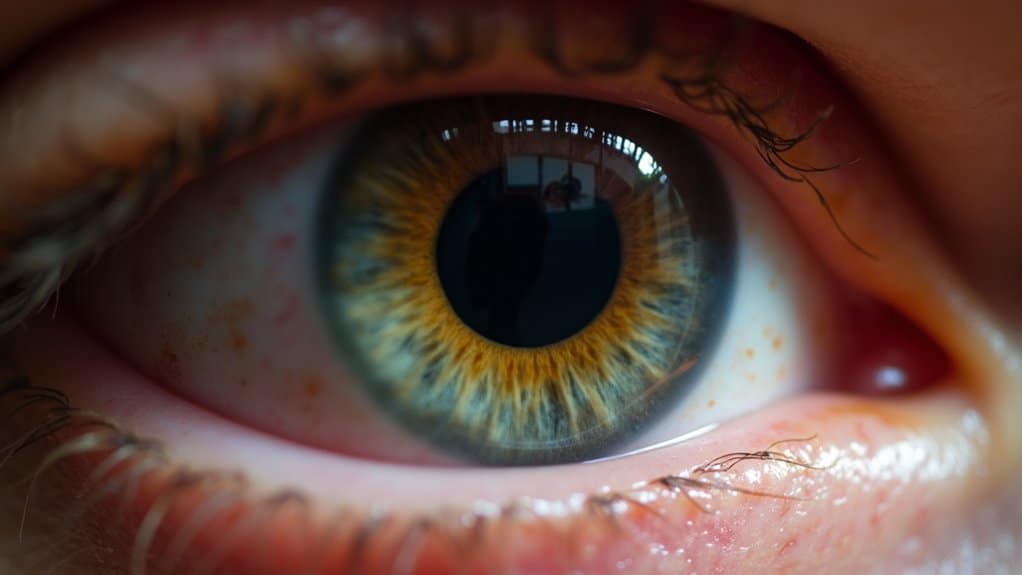
When someone uses cocaine, their eyes broadcast a distinct constellation of physical signs that trained observers and concerned individuals can learn to recognize with reasonable accuracy. The most prominent indicator is pupil dilation, pupils exceeding 6.5 millimeters under normal room lighting suggest stimulant intoxication. You’ll notice pupils appearing noticeably larger and darker than expected for ambient conditions.
Light sensitivity accompanies dilation, causing squinting, avoidance of bright environments, or wearing sunglasses indoors. Bloodshot eyes result from expanded blood vessels and irritation, particularly with smoked or intranasal routes.
Watch for rapid, involuntary eye movements called nystagmus, paired with an unfocused gaze. No single sign confirms use, you’re looking for the combination of dilated pupils, redness, photophobia, and irregular eye movements occurring simultaneously to establish reasonable suspicion.
Call Now and Get the Help You Need
Alcohol and cocaine take more than they give, and the people you love feel it before you do. At The Hope Institute, we provide Cocaine Addiction Treatment built on compassion and personalized care to help you heal. Call (855) 659-2310 now and let us walk this journey with you.
Frequently Asked Questions
Can Cocaine Eye Drops Still Be Used Legally in Medical Settings?
Yes, you can still encounter cocaine eye drops in medical settings legally. Cocaine remains a Schedule II controlled substance in the U.S., meaning it’s authorized for limited medical use under strict supervision. Neurologists have traditionally used 4, 10% topical cocaine solutions to diagnose Horner syndrome by testing sympathetic pupil responses. However, you’ll find this practice declining as clinicians increasingly adopt safer alternative diagnostic agents with fewer regulatory restrictions.
Do Opioids and Cocaine Cancel Out Each Other’s Pupil Effects?
No, opioids and cocaine don’t fully cancel each other’s pupil effects. Cocaine causes mydriasis by blocking norepinephrine reuptake, while opioids cause miosis through parasympathetic dominance. When you use both simultaneously, you’ll likely see variable pupil responses depending on dose, timing, and individual physiology. However, cocaine’s sympathomimetic dilation typically dominates in polydrug scenarios. No clinical studies confirm complete cancellation, your pupils will reflect whichever drug exerts the stronger pharmacological influence.
Does Eye Color Affect How Much Cocaine Dilates Your Pupils?
No, your eye color doesn’t meaningfully affect how much cocaine dilates your pupils. While darker irises contain more melanin that can bind certain drugs topically, cocaine’s mydriatic effect works primarily through systemic norepinephrine reuptake inhibition at sympathetic nerve terminals, a pathway that isn’t modulated by iris pigmentation. No published studies have found color-stratified differences in cocaine-induced dilation. Your dose, route of administration, and individual autonomic tone matter far more.
Can Pupil Dilation From Cocaine Be Reversed With Any Medication?
No medication specifically reverses cocaine-induced pupil dilation. Because cocaine blocks norepinephrine reuptake at the dilator pupillae muscle, you can’t simply counteract it with an antagonist the way you’d reverse an opioid with naloxone. Your pupils will gradually return to normal as your body metabolizes the cocaine, typically within two to four hours after a single intranasal dose. Apraclonidine mildly constricts normal pupils but isn’t used therapeutically for this purpose.
Does Levamisole in Street Cocaine Cause Additional Eye Damage?
Yes, levamisole, found in roughly 70, 80% of North American street cocaine, causes additional eye damage beyond cocaine’s own effects. It triggers systemic vasculitis that can produce retinal vasculitis, ocular cicatricial pemphigoid, and bilateral cicatrizing conjunctivitis resistant to standard immunosuppressants. Levamisole-induced agranulocytosis also compromises your corneal healing capacity, worsening cocaine’s existing corneal dryness and ulceration. Its neurological effects, including leukoencephalopathy, can impair your visual processing and ocular motor coordination.