No, cocaine doesn’t cause pinpoint pupils, it causes the opposite. When you use cocaine, it blocks norepinephrine reuptake and activates your sympathetic nervous system, triggering mydriasis (pupil dilation) within seconds to minutes. If you’re noticing pinpoint pupils, that’s a hallmark of opioid use, not cocaine, and it requires a completely different emergency response. Understanding how each substance affects your eyes can help you identify what you’re dealing with below.
Does Cocaine Cause Pinpoint Pupils?
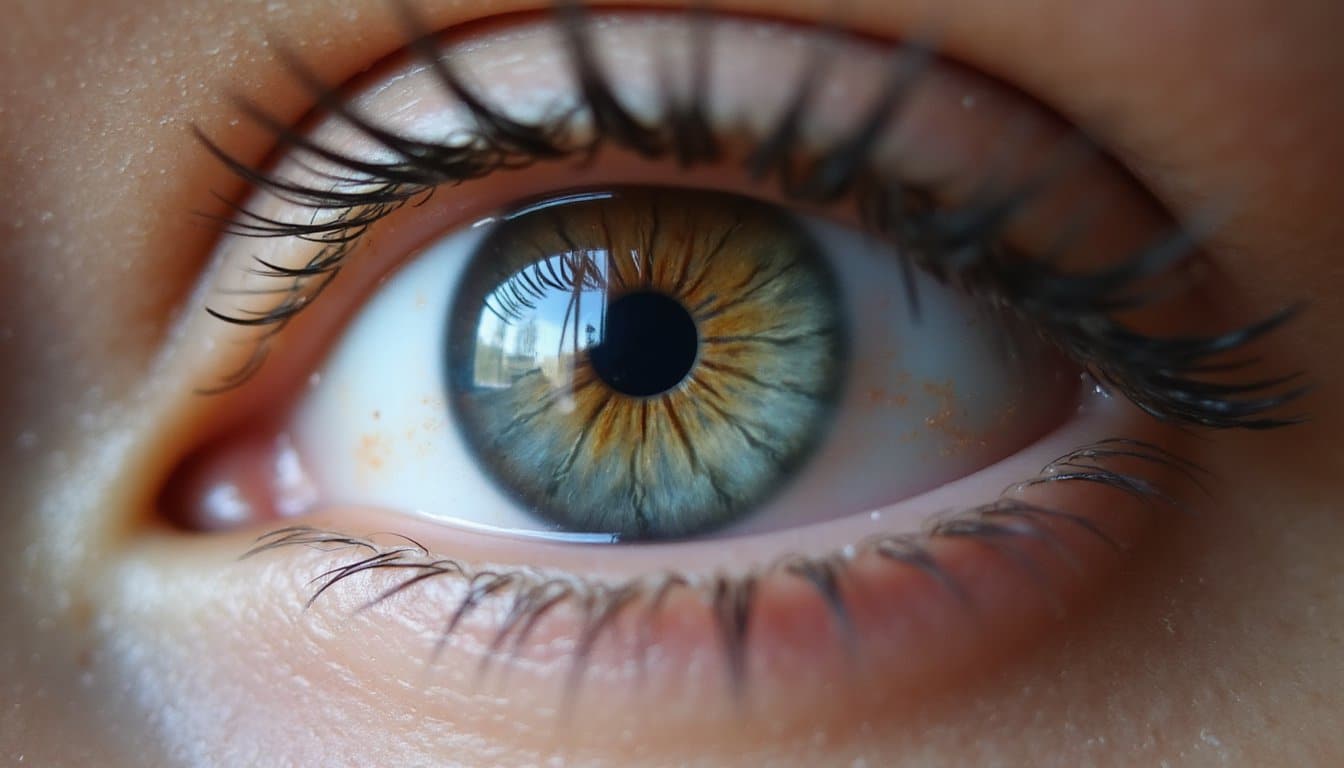
No. Cocaine causes pupil dilation, not constriction. If you’re observing pinpoint pupils, you’re looking at opioid effects, not stimulant drug effects.
During cocaine intoxication, norepinephrine reuptake inhibition activates your sympathetic nervous system, triggering mydriasis, pupils expanding to 6, 9 millimeters. This drug induced mydriasis occurs within minutes of use and represents one of cocaine’s most reliable clinical signs. Cocaine triggers this dilation partly through the release of adrenaline and other chemicals that stimulate the fight-or-flight response. When cocaine is smoked in freebase form, pupil dilation occurs almost immediately but typically lasts only about seven minutes.
Every reviewed source confirms this: cocaine enlarges pupils, never shrinks them. The term “cocaine eyes” exists precisely because pupil dilation is so consistently associated with stimulant use. In contrast, opioid use produces characteristic miosis, which is the pinpoint pupil constriction that many people mistakenly attribute to cocaine. Contrary to the misconception implied by the phrase does cocaine cause small pupils, evidence overwhelmingly shows that cocaine leads to the opposite effect. This is crucial for understanding the differences in how various substances affect pupil size and response. Misunderstanding these effects can lead to dangerous assumptions, particularly in medical or emergency situations.
If you notice pinpoint pupils alongside respiratory depression, suspect opioids, not cocaine. These findings require completely different emergency interventions. Call 911 immediately and administer naloxone if available.
Why Cocaine Dilates Your Pupils Instead
Cocaine dilates your pupils through a specific pharmacological mechanism: it blocks norepinephrine reuptake at sympathetic nerve terminals innervating the iris dilator muscle. This norepinephrine increase floods the synapse, triggering sustained contraction of the dilator pupillae and producing measurable pupil dilation from approximately 3.8mm to 7.2mm.
Simultaneously, cocaine triggers a dopamine increase that drives pleasure and reward signaling, while broader sympathetic nervous system activation releases adrenaline throughout your body. These combined neurochemical effects produce the characteristic stimulant response: dilated pupils, increased heart rate, and heightened alertness.
The route you use determines onset speed. Snorted cocaine causes dilation within minutes, lasting roughly 30 minutes. Smoked crack produces immediate dilation lasting up to 7 minutes. Both routes confirm cocaine’s consistent mydriatic effect.
What Actually Causes Pinpoint Pupils?
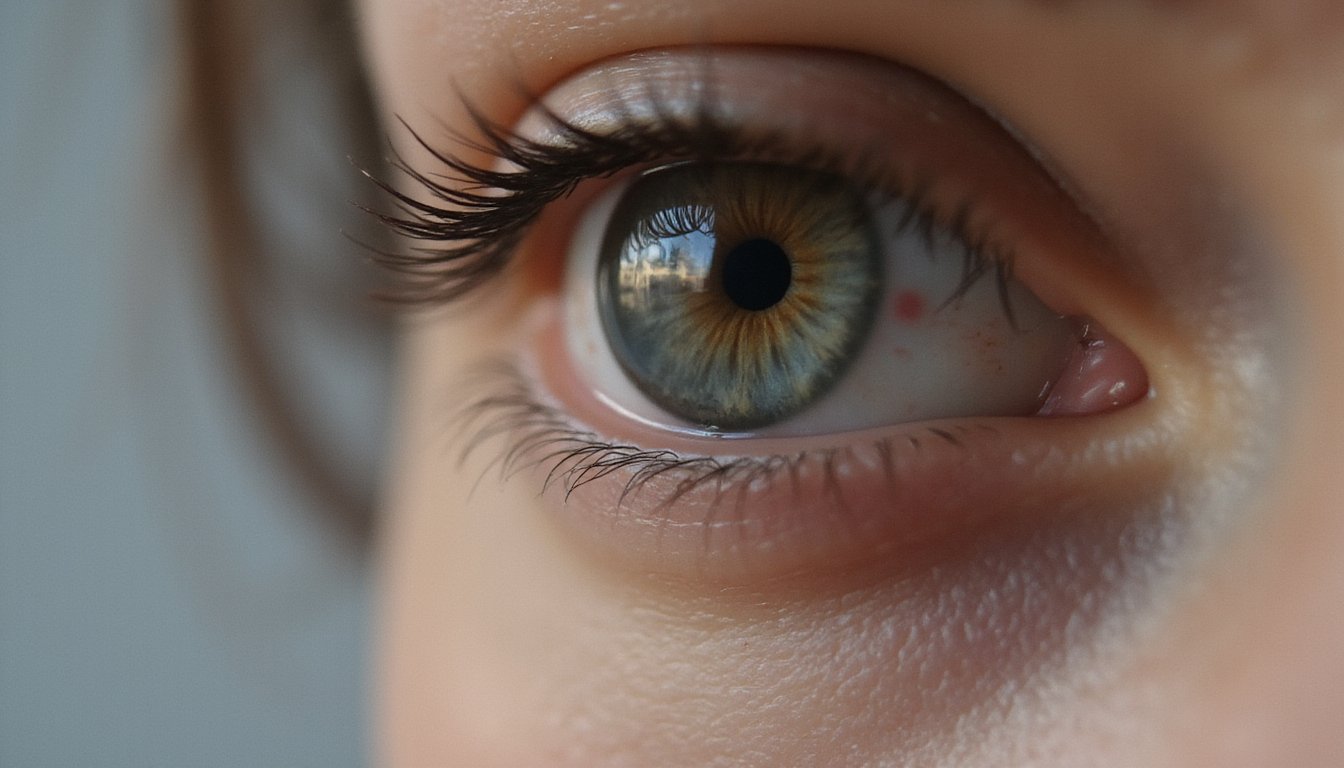
While cocaine consistently dilates your pupils, pinpoint pupils, clinically termed miosis, signal an entirely different pharmacological process. Unlike cocaine use, which triggers catecholamine release and adrenergic stimulation producing dilated pupils, miosis results from parasympathetic dominance or sympathetic suppression. As a central nervous system stimulant, cocaine drives mydriasis, never constriction.
The following table outlines common causes of pinpoint pupils:
| Category | Cause | Mechanism |
|---|---|---|
| Opioids | Fentanyl, heroin, morphine | Mu-receptor activation in Edinger-Westphal nucleus |
| Medications | Clonidine, pilocarpine | Alpha-2 agonism or direct cholinergic action |
| Toxins | Nerve agents, organophosphates | Acetylcholinesterase inhibition |
| Medical conditions | Horner syndrome, pontine hemorrhage | Sympathetic pathway disruption |
| Physiological | Bright light, deep sleep | Natural parasympathetic response |
You should never attribute pinpoint pupils to stimulant exposure.
Snorting vs. Smoking: How Fast Cocaine Hits Your Eyes
Understanding what causes pinpoint pupils clarifies that cocaine always drives pupil dilation, but how quickly that mydriasis appears depends directly on how the drug enters your body.
When you smoke cocaine, it reaches your brain within seconds through direct lung absorption, triggering immediate sympathetic overactivity and a rapid fight or flight response. Your pupils dilate almost instantly as stimulant intoxication symptoms peak within moments. This serotonin increase and norepinephrine surge produce intense ocular blood flow changes lasting 10, 15 minutes.
Snorting delivers cocaine through nasal blood vessels more slowly, delaying peak mydriasis compared to smoking. Your pupils still dilate markedly, but onset takes longer and intensity remains lower. Both routes produce short-lived effects that encourage repeated dosing, compounding cardiovascular strain and sustained pupil dilation with each successive hit.
Other Short-Term Eye Effects of Cocaine
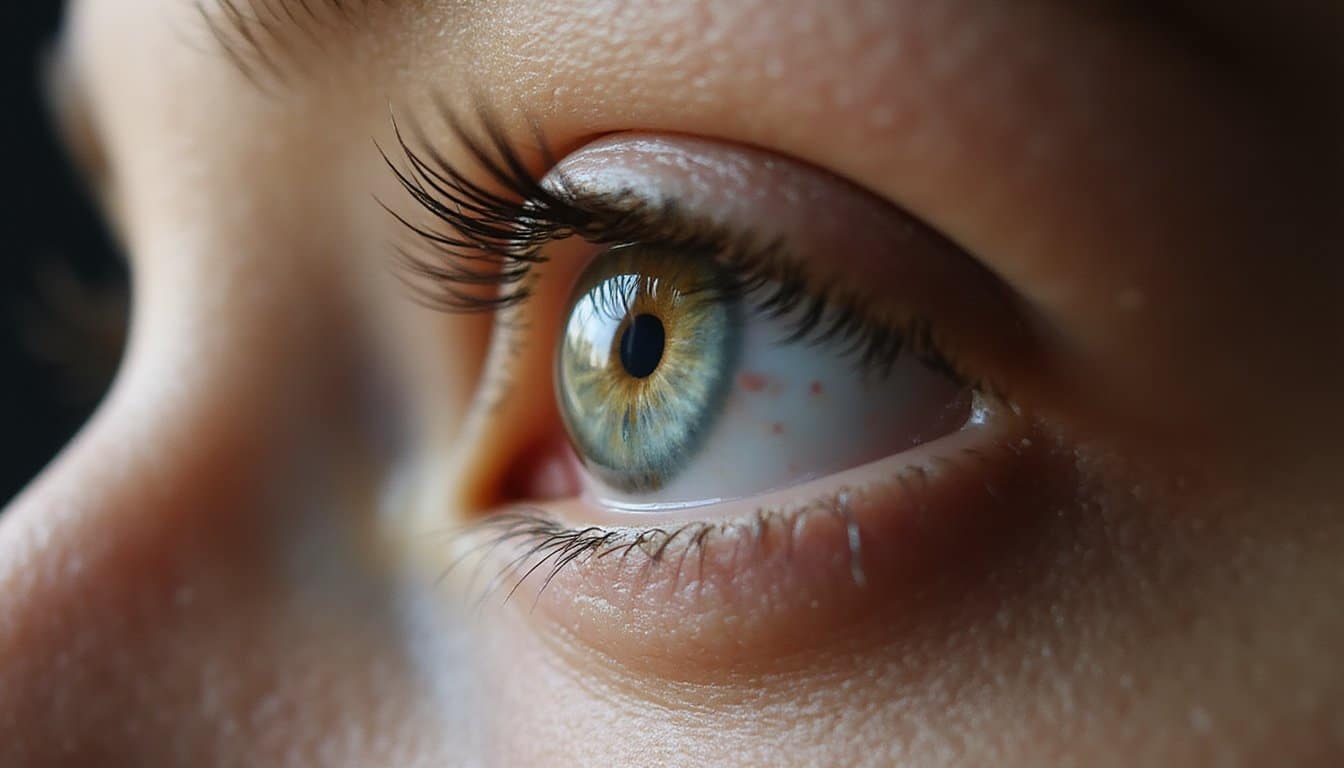
Beyond mydriasis, cocaine triggers at least five distinct short-term ocular effects that range from uncomfortable to sight-threatening. comparing cocaine and alcohol risks can further highlight the potential dangers of both substances, particularly when considering their impact on overall health and decision-making. While alcohol may lead to poor judgment and risky behaviors, cocaine’s immediate effects can elevate heart rates and induce anxiety, contributing to a precarious balance in addictive behaviors.
Photophobia develops directly from pupil dilation, as enlarged pupils admit excessive light that overwhelms retinal photoreceptors. You’ll notice bloodshot eyes from blood vessel expansion, worsened by sleep deprivation common during cocaine use.
Corneal damage occurs when powder contacts your eyes through touch or tear ducts. Adulterants like talc and sugar cause superficial punctate keratitis and epithelial defects. Eye muscle dysfunction manifests as nystagmus, double vision, and involuntary rapid blinking from nervous system overstimulation.
Blood vessel constriction simultaneously reduces oxygen delivery, temporarily diminishing color perception and visual acuity. Most effects resolve within 24, 48 hours, but vision changes paired with severe headache require immediate medical evaluation.
How Cocaine Damages Your Eyes Over Time
Although short-term ocular effects typically resolve within days, repeated cocaine use inflicts cumulative damage that progressively destroys eye structures and steals vision permanently. Chronic hyperstimulation and vasoconstriction starve delicate tissues of oxygen, accelerating irreversible harm. Mixing cocaine and alcohol further compounds the dangers to ocular health, leading to increased toxicity and greater risk of complications. As both substances exert opposing effects on the body, the strain on vascular systems becomes exacerbated, worsening the likelihood of vision impairment. Long-term use in this combination can lead to irreversible damage, leaving users with a diminished quality of life.
| Damage Category | What Happens to Your Eyes |
|---|---|
| Retinal damage | Blood vessel constriction causes hemorrhages, vein occlusions, and retinal detachment risking blindness |
| Glaucoma risks | Heightened intraocular pressure injures your optic nerve, potentially causing permanent vision loss |
| Corneal deterioration | Reduced sensitivity and tear production lead to ulcers and neurotrophic keratitis |
| Muscle dysfunction | Chronic dilation strains focusing muscles, producing persistent blurry vision and nystagmus |
| Structural changes | Exophthalmos compresses your optic nerve while eyelid retraction causes chronic dryness and infection vulnerability |
Cocaine Pupils vs. Other Drugs at a Glance
Because different drug classes act on fundamentally different neurological pathways, the pupil response you observe in someone under the influence serves as one of the fastest and most reliable clinical indicators of which substance is at work.
Cocaine dilates pupils alongside increased alertness, rapid heart rate (tachycardia), and heightened blood pressure (hypertension). Opioids constrict pupils to pinpoint size with slowed breathing and sedation. Alcohol dilates pupils moderately while impairing reactivity. Hallucinogens like LSD produce marked dilation through serotonin receptor activation.
You can distinguish stimulant from depressant toxidromes quickly: dilated pupils paired with tachycardia and hypertension point toward cocaine or amphetamines, while pinpoint pupils with respiratory depression indicate opioids. This distinction directly determines whether you’ll need naloxone for opioid reversal or benzodiazepines for stimulant-related agitation and seizure prevention.
How to Spot Cocaine or Opioid Use by the Eyes
When you’re trying to determine whether someone has used cocaine or opioids, the eyes offer the most immediate and reliable visual evidence, and knowing exactly what to look for can mean the difference between a correct response and a dangerous delay.
With cocaine, you’ll observe dilated pupils, redness, and pronounced light sensitivity. The ocular response to light becomes sluggish, and the person may report blurred vision or visual disturbances from overstimulated sympathetic pathways. Eye strain often accompanies prolonged dilation.
With opioids, you’ll see pinpoint pupils that remain constricted regardless of lighting, paired with heavy-lidded, glazed eyes and reduced responsiveness.
Ninety percent of stimulant users display measurable pupil dilation, making it a highly reliable intoxication marker. Always assess pupils alongside breathing rate, consciousness level, and critical signs before intervening.
When Cocaine Pupil Changes Need Emergency Care
Cocaine-driven pupil dilation can spiral into a medical emergency if it occurs alongside specific cardiovascular, neurological, or ocular warning signs. Persistent mydriasis paired with rapid heart rate, hypertension, or severe agitation signals cocaine toxicity symptoms requiring immediate intervention. Sudden vision loss may indicate retinal artery occlusion from vasoconstriction, a time-sensitive crisis demanding urgent care.
You should seek emergency help when neurological stimulation produces involuntary eye movements, double vision, or seizures. Substance use effects on eyes, like non-resolving corneal ulcers, orbital swelling, or light sensitivity lasting beyond 72 hours, also warrant hospital evaluation. Overdose warning signs include paranoia, hyperthermia, and chest pain concurrent with fixed, dilated pupils.
Cocaine Pupil FAQs People Also Ask
You’ve likely encountered conflicting claims about cocaine‘s effects on your pupils, so let’s clarify the most common questions with evidence-based answers. Cocaine dilates your pupils through norepinephrine reuptake inhibition, it doesn’t cause pinpoint pupils, which are the pharmacological signature of opioid intoxication. The duration of cocaine-induced dilation varies by route of administration, lasting approximately 30 minutes after snorting and up to 7 minutes after smoking crack.
Cocaine Dilates, Not Constricts
- Rapid onset: Snorted cocaine dilates pupils within minutes; smoked crack produces immediate dilation
- Photophobia: Enlarged pupils increase light sensitivity, disrupting daily function
- Bloodshot eyes: Vessel expansion and irritation accompany dilation as concurrent signs
Pupil Effects Duration Varies
The duration of cocaine’s pupil dilation depends directly on how the drug enters your bloodstream. Inhalation produces cocaine effects lasting 5, 7 minutes, while snorting extends pupil dilation up to 30 minutes. Regardless of method, your pupils typically require 4, 6 hours to return to baseline size.
During this window, you’ll experience measurable light sensitivity as enlarged pupils allow excessive light entry. Your visual acuity decreases because large doses can paralyze the ciliary muscle, impairing near-focus ability. These focusing difficulties persist until the drug fully metabolizes.
You’ll also notice vascular changes, blood vessel expansion causes visible redness and irritation. Sleep deprivation compounds every symptom. If you’re wearing sunglasses indoors or squinting persistently, these behaviors signal active dilation effects that others can readily identify.
Opioids Cause Pinpoint Pupils
Opioids and cocaine produce opposite pupil responses through distinct neurological pathways. When you use opioids like heroin or morphine, mu-receptor activation in your brainstem’s Edinger-Westphal nucleus drives parasympathetic outflow to the iris sphincter muscle, producing opioid induced miosis. This constriction reduces your pupils to below 2mm regardless of lighting conditions.
Pinpoint pupils opioids present alongside these critical signs:
- Respiratory depression below 12 breaths per minute
- Decreased consciousness progressing to unresponsiveness
- Bradycardia with low blood pressure
Miosis from opioids persists as long as the drug remains active at receptor sites. If you observe these combined symptoms, call 911 immediately and administer naloxone if available. Cocaine, by contrast, dilates your pupils through sympathetic norepinephrine reuptake inhibition, the pharmacological opposite of opioid constriction.
Call Now and Get the Help You Need
Alcohol and cocaine take more than they give, and the people you love feel it before you do. At The Hope Institute, we provide Cocaine Addiction Treatment built on compassion and personalized care to help you heal. Call (855) 659-2310 now and let us walk this journey with you.
Frequently Asked Questions
Can Cocaine and Opioids Cancel Out Each Other’s Pupil Effects Simultaneously?
When you use cocaine and opioids together, their opposing pupil effects can partially offset each other, but they don’t fully cancel out. Cocaine’s mydriasis and opioid miosis compete, with the dominant effect depending on dose ratios and timing. You’ll typically see cocaine’s dilation prevail initially, then opioid constriction as stimulant effects fade. No studies confirm complete mutual cancellation, making your pupil size unreliable for identifying which substance is driving toxicity during polydrug use.
Do Cocaine Eye Drops Used in Surgery Cause the Same Pupil Dilation?
Yes, cocaine eye drops used in ophthalmic surgery cause the same mydriasis you’d see with recreational use. When your doctor instills 4, 10% cocaine solution, it blocks norepinephrine reuptake at the iris dilator muscle, dilating your pupil an average of 2.1 mm in bright light. You’ll notice the effect peaks 40, 60 minutes after instillation, with brown eyes showing roughly 50% less dilation than blue or green eyes.
How Long After Quitting Cocaine Do Pupils Return to Normal Size?
Your pupils typically return to normal within 4 to 8 hours after your last cocaine use, aligning with the drug’s roughly 2-hour half-life and full metabolic clearance. The exact timeline depends on your dose, method of administration, and individual metabolism, snorting produces shorter peak effects than other routes. If your pupils remain dilated beyond 24 hours without continued use, you should seek medical evaluation to rule out other causes.
Can Pupil Size Alone Confirm Cocaine Use on a Drug Test?
No, you can’t confirm cocaine use through pupil size alone. While cocaine dilates your pupils, stress, medications, lighting conditions, and other stimulants produce identical mydriasis. Pupil assessment serves as a screening tool only, it flags potential substance use but lacks specificity for any single drug. You’ll need confirmatory body fluid analysis, such as urinalysis, to definitively identify cocaine. Clinicians use pupil observations alongside behavioral signs and critical/essential signs to guide further testing.
Does Cocaine Affect Pupil Dilation Differently in People With Dark Eyes?
No available research demonstrates that cocaine affects pupil dilation differently based on your eye color. The drug’s mechanism, blocking norepinephrine reuptake at sympathetic nerve terminals innervating your dilator pupillae muscle, operates independently of iris melanin content or pigmentation. Whether you’ve got dark or light eyes, cocaine produces the same sympathomimetic mydriasis. Current clinical literature focuses on this universal physiological response rather than demographic variations in pupillary effect.