Adderall uses amphetamine salts that force dopamine release, while Ritalin and Concerta both contain methylphenidate, which blocks dopamine reuptake, a distinction that shapes their side-effect profiles, duration, and efficacy. Ritalin’s immediate-release lasts 3, 4 hours, Concerta covers 10, 12 hours with once-daily dosing, and Adderall XR spans 8, 12 hours. Methylphenidate’s your first-line choice for children; amphetamines show superior outcomes in adults. Understanding how these eight differences interact will help you identify the right fit.
Adderall vs Ritalin vs Concerta: The Quick Breakdown
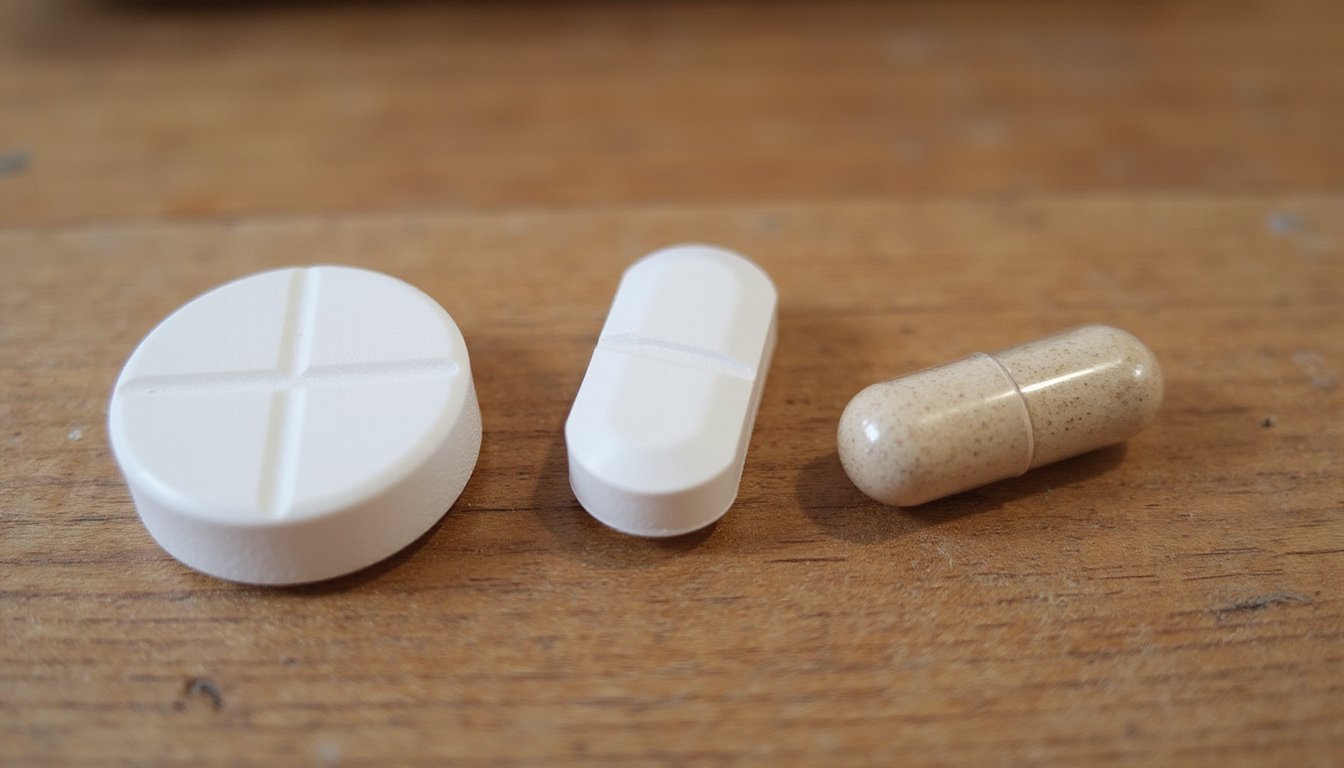
When comparing adderall vs ritalin vs concerta, the most fundamental distinction lies in their active ingredients. Concerta and Ritalin both contain methylphenidate, making them pharmacologically identical at the molecular level. Adderall, however, contains amphetamine salts, which produce a stronger dopaminergic effect through enhanced neurotransmitter release. Comparing concerta and adderall efficacy reveals further differences in their effects on attention span and focus levels.
In any stimulant medication comparison adhd specialists conduct, duration separates these three options most clearly. Ritalin’s immediate-release formulation lasts 3, 4 hours, requiring multiple daily doses. Concerta delivers methylphenidate over 10, 12 hours via extended-release technology, demanding only once-daily administration. Adderall offers a faster onset but varies in duration depending on formulation. Approximately half of patients respond equally to amphetamine and methylphenidate-based options, while the remaining half shows preferential response to one class. All three medications are classified as Schedule II controlled substances, reflecting their recognized potential for abuse and addiction.
Methylphenidate vs Amphetamine: Why It Matters
Though Ritalin and Concerta share the same active ingredient, the distinction between methylphenidate and amphetamine defines the most critical pharmacological divide in ADHD treatment. When comparing amphetamine vs methylphenidate, you’re evaluating two fundamentally different mechanisms. Amphetamine enters nerve terminals, forcing dopamine release into the cytoplasm while inhibiting VMAT-2 and monoamine oxidase. Methylphenidate blocks dopamine and norepinephrine reuptake, producing a subtler neurochemical shift. Research indicates that approximately 1 in 660 patients treated with stimulants experienced psychosis, with amphetamine users facing double that rate compared to methylphenidate.
This mechanistic divergence drives measurable clinical differences:
- Amphetamine delivers larger effect sizes across multiple meta-analyses but carries increased psychosis and mania risk
- Methylphenidate offers superior tolerability, making it safer for patients with psychiatric comorbidities
- Methylphenidate demonstrates neuroprotective properties in animal models, while amphetamine shows neurotoxic potential even at therapeutic doses
How Long Do Adderall, Ritalin, and Concerta Last?

When you take immediate-release Ritalin, you can expect its effects to last approximately 3 to 4 hours, while immediate-release Adderall provides a longer therapeutic window of 4 to 6 hours due to amphetamine’s more potent dopaminergic activity. Extended-release formulations considerably expand these durations, Ritalin LA covers 8 to 9 hours, Adderall XR sustains effects for 8 to 12 hours, and Concerta delivers the longest coverage at 10 to 12 hours through its controlled-release delivery system. Understanding these duration differences helps you and your prescriber determine which medication best aligns with your daily schedule and symptom management needs. Factors such as individual metabolism rates, age, weight, and other medications you may be taking can all influence how long each of these stimulants remains effective in your system.
Immediate-Release Duration Differences
- Adderall IR lasts approximately 4 to 6 hours due to its mixed amphetamine salts and dual-action dopamine mechanism
- Ritalin IR provides a shorter therapeutic window of 3 to 4 hours, requiring more frequent dosing to maintain consistent symptom control
- Concerta isn’t available in immediate-release form, it’s exclusively an extended-release methylphenidate formulation lasting 10 to 12 hours
You should note that Ritalin’s rapid hydrolysis by esterases contributes to its shorter duration compared to Adderall’s hepatic metabolism. Your prescriber considers these pharmacokinetic differences when tailoring your treatment plan.
Extended-Release Lasting Times
Extended-release formulations shift the conversation from frequent redosing to sustained, full-day symptom coverage. Adderall XR employs a dual-bead mechanism, delivering two distinct peaks, first at 3, 4 hours, second at approximately 7 hours, providing 10, 12 hours of effectiveness. Concerta uses an osmotic-controlled release system to maintain methylphenidate levels across 10, 12 hours. When comparing extended release vs short acting stimulants, you’ll notice XR formulations eliminate midday dosing requirements.
Your individual response depends on metabolism rate, body weight, liver function, and stomach pH. Adderall XR’s absorption requires 60, 120 minutes, with initial effects emerging within 30, 60 minutes. Food timing can extend or shorten duration. Some individuals experience full 12-hour coverage, while others see effects diminish closer to 8, 9 hours, requiring dosage adjustments from your prescriber.
Which ADHD Medication Kicks in Fastest?
When comparing onset times, Concerta reaches therapeutic levels in your central nervous system within 10-45 minutes due to its OROS delivery system, releasing 22% of the dose immediately, while Adderall’s amphetamine salts take approximately 30 minutes to begin working, with peak blood levels not occurring until 3 hours post-administration. Ritalin’s immediate-release methylphenidate falls between these two, starting within 30-60 minutes but achieving peak plasma concentration fastest at just 2 hours. You’ll notice Concerta’s rapid initial release provides the quickest pathway to symptom relief, though its full therapeutic effect builds gradually throughout the day rather than producing the pronounced peak you’d experience with Adderall or Ritalin.
Concerta Acts Quickest
Despite its name suggesting rapid action, Concerta doesn’t actually kick in fastest among the three medications. You’ll notice effects within 30-60 minutes post-ingestion, as approximately 22% of methylphenidate releases immediately into your bloodstream. The remaining 78% deploys gradually, optimizing medication duration for ADHD patients throughout the day.
- You won’t feel Concerta’s peak therapeutic impact until 6-8 hours after dosing, meaning patience is essential during those first critical hours.
- Your strongest symptom relief arrives in the afternoon, not the morning when you need it most urgently.
- You’re trading rapid onset for 10-12 hours of sustained coverage, a deliberate pharmacological compromise.
Concerta’s OROS delivery system prioritizes steady-state plasma concentrations over immediate symptom relief, reaching peak efficacy during late morning through afternoon hours.
Adderall’s Slower Onset
Adderall’s immediate-release formulation absorbs within 20-30 minutes on an empty stomach, placing its onset squarely between Ritalin’s faster uptake and Concerta’s delayed OROS-mediated release. High-fat meals extend this window to 30-60 minutes, as lipid content slows gastric emptying and delays amphetamine absorption.
You’ll reach peak plasma concentration approximately three hours post-dose, with therapeutic effects emerging one to two hours after ingestion. The extended-release variant requires 60-120 minutes before you notice initial effects, delivering dual peaks at 1.5-2 hours and 5-7 hours.
Understanding the adderall vs ritalin difference in onset clarifies why your provider may favor one over another. Adderall’s amphetamine-based mechanism increases both dopamine release and reuptake inhibition, producing potent but slower-building effects compared to methylphenidate’s rapid esterase-driven metabolism.
How Many Times a Day Do You Take Each One?
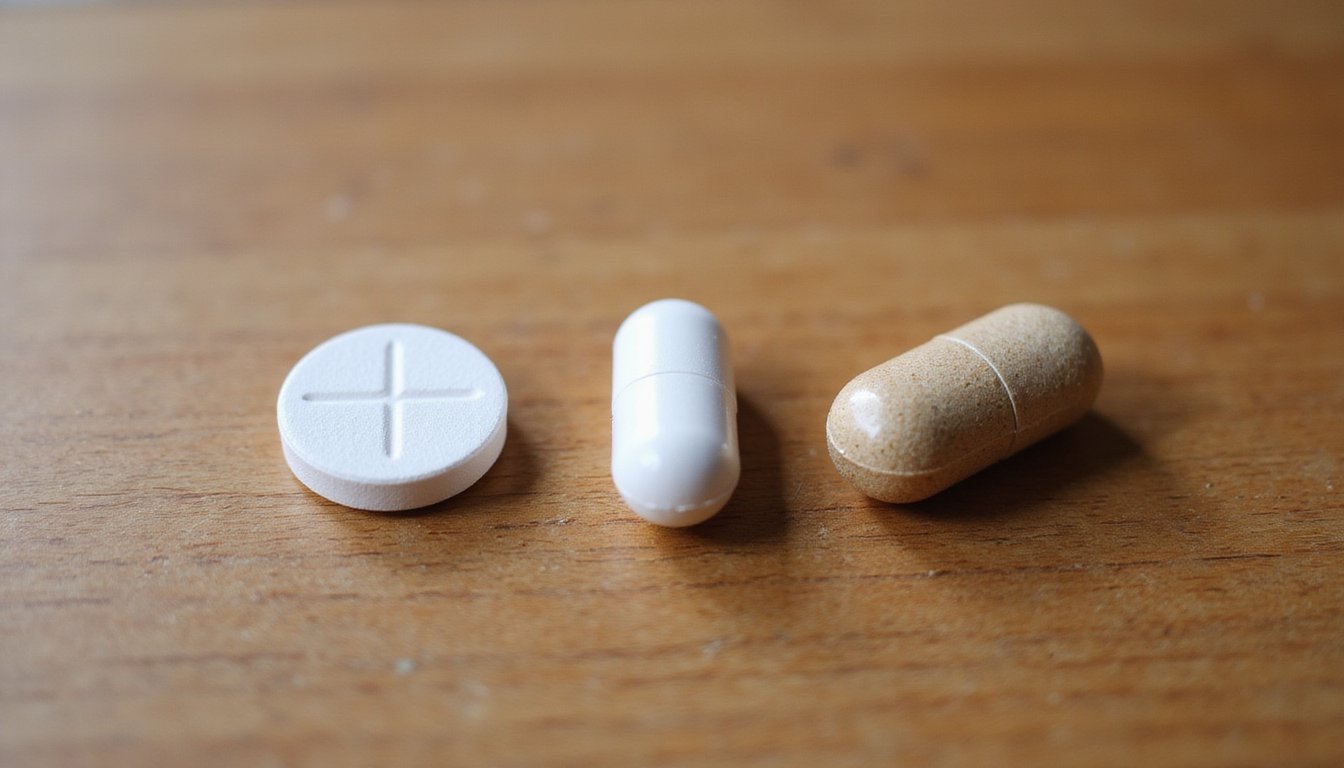
How often you take each medication depends on its formulation and release mechanism. Adderall IR requires 2-3 doses daily, spaced 4-6 hours apart, while Adderall XR needs only once-daily morning administration. Ritalin IR‘s shorter duration typically demands 2-3 daily doses, and Concerta’s extended-release system provides coverage with a single daily dose lasting 10-12 hours.
Your dosing frequency directly impacts adherence and symptom control throughout the day.
- Adderall IR’s multiple daily doses can disrupt your routine if you forget midday administration
- Ritalin’s frequent dosing schedule may feel burdensome, especially for children in school settings
- Concerta’s once-daily convenience reduces missed doses and maintains steadier plasma concentrations
Your prescriber adjusts dosing frequency based on your individual pharmacological response and daily coverage needs.
Side Effects of Adderall vs Ritalin vs Concerta
Adderall’s amphetamine mechanism generates more pronounced mood fluctuations and carries twice the psychosis risk compared to methylphenidate options. Concerta triggers anxiety in 17% of users versus 8.6% for Adderall and causes tics more frequently. Ritalin’s immediate-release profile correlates with higher rates of depression, excessive sweating, and tooth pain. Concerta effects on weight management can be a concern for many users. Some may experience weight loss as a side effect, while others have reported weight gain after extended use.
Serious complications, including rhabdomyolysis, seizures, and circulation problems, remain rare across all three. You should report chest pain, hallucinations, or severe agitation immediately, as these constitute medical emergencies requiring prompt intervention.
Which Works Better for Kids vs Adults?
When comparing these three medications across age groups, clinical evidence points to a clear pharmacological divide: methylphenidate (Ritalin, Concerta) serves as the most effective first-line treatment for children, while amphetamines (Adderall) demonstrate superior outcomes in adults. Network meta-analyses confirm this ADHD treatment comparison drugs pattern, with Concerta achieving 44.65% effectiveness in pediatric populations versus Ritalin’s 40.77% effectiveness in adults.
- Your child’s brain chemistry responds differently from yours, 50% of responders show equal benefit from either class, but the other 50% split between methylphenidate and amphetamine preference
- Over 80% of patients respond to stimulant medication, regardless of age
- Children under 6 should receive Ritalin first when behavioral interventions prove insufficient
Which ADHD Medication Is Right for You?
Understanding whether your brain responds better to methylphenidate or amphetamine salts narrows the decision between Adderall, Ritalin, and Concerta, but it doesn’t finalize it. Approximately 50% of patients respond equally to both stimulant classes, while the remaining half show a clear preference for one over the other. Adderall side effects in adults can vary significantly from person to person. Some individuals might experience increased anxiety or insomnia, while others report appetite suppression or dry mouth.
Determining which ADHD medication is best requires evaluating your daily coverage needs. If you need 3-4 hours of targeted focus, Ritalin’s immediate-release profile works. Concerta’s 10-12 hour extended release eliminates midday dosing. Adderall’s amphetamine mechanism produces stronger dopaminergic effects, benefiting those who don’t respond adequately to methylphenidate.
Your prescriber should also assess cardiovascular baseline, metabolic factors, and side-effect tolerance. Efficacy data show adults favor Ritalin slightly, while pediatric populations report higher effectiveness ratings with Concerta.
Your Path to Safer Recovery Starts Here
Struggling with prescription drug use can feel isolating, but you don’t have to face it alone. Real support, understanding, and hope are within reach. At The Hope Institute in West Milford, NJ, our Prescription Drug Addiction treatment supports you in safely overcoming prescription drug dependence while leading you toward stability, clarity, and a healthier future. Call (855) 659-2310 today and take the first step toward lasting recovery.
Frequently Asked Questions
Can You Switch Between Adderall, Ritalin, and Concerta Without a Transition Period?
You shouldn’t switch between these medications without medical supervision, though a formal changeover period isn’t always required. Since Ritalin and Concerta both contain methylphenidate, switching between them primarily involves dosage recalibration due to different release mechanisms. However, switching to or from Adderall requires careful conversion calculations because it contains amphetamine salts, a pharmacologically distinct compound. Your healthcare provider will monitor your response and adjust dosing to maintain symptom control safely.
Do Any of These ADHD Medications Interact Negatively With Common Over-The-Counter Drugs?
Yes, all three medications can interact negatively with common over-the-counter drugs. You should avoid combining them with decongestants like pseudoephedrine, which can elevate blood pressure and heart rate. Antacids may alter Adderall’s absorption, increasing its potency unpredictably. You’ll also want to avoid OTC supplements containing St. John’s Wort, which can heighten serotonergic effects. Always consult your prescriber before adding any OTC medication to your regimen.
Are Generic Versions of Adderall, Ritalin, and Concerta Equally Effective as Brand-Name?
Generic versions generally match brand-name effectiveness. FDA bioequivalence standards require generics to deliver active ingredients within approximately 80, 125% of brand-name absorption levels, with actual differences averaging only 3.5%. Large-scale research analyzing millions of patients confirms that generics produce comparable clinical outcomes. However, you may notice subtle differences due to variations in inactive ingredients between manufacturers. If you experience changes in effectiveness after switching, you should discuss manufacturer-specific options with your prescriber.
How Do Adderall, Ritalin, and Concerta Affect Appetite and Long-Term Weight Changes?
All three medications suppress your appetite through their neurochemical effects on dopamine pathways. Clinical data show that approximately 70% of methylphenidate-treated patients experience appetite loss, with 66.7% developing weight loss within two months. You’ll likely notice reduced hunger during peak medication hours, with increased appetite in the evening. Long-term use in children may cause small reductions in height and weight. You should time doses after breakfast and prioritize calorie-dense evening meals.
Is It Safe to Drink Caffeine While Taking These ADHD Medications?
You should approach caffeine cautiously while taking Adderall, Ritalin, or Concerta. Caffeine and stimulant medications both increase heart rate and blood pressure, so combining them can amplify cardiovascular strain. You’ll also risk worsening insomnia and anxiety. If you experience chest pain, rapid heartbeat, or severe agitation, seek immediate medical attention. Talk to your healthcare provider about safe caffeine limits, as individual tolerance varies based on your specific medication and dosage.