The five important Concerta vs. Adderall dosage comparison points are starting dose, age-specific dose limits, dosing frequency, titration schedule, and individual response when switching medications. Concerta contains methylphenidate, while Adderall XR contains mixed amphetamine salts, so their milligram doses should not be treated as directly interchangeable. Concerta typically starts at 18 mg once daily for children and adolescents and 18 or 36 mg for adults, with recommended limits of 54 mg daily for children and 72 mg daily for adolescents and adults.
Adderall XR generally starts at 10 mg once daily for patients ages 6 to 17, while the recommended adult dose is 20 mg daily. The FDA-labeled maximum for children ages 6 to 12 is 30 mg daily, and adolescents may increase from 10 mg to 20 mg after one week when needed. Both extended-release medications are generally taken once in the morning, but their titration steps differ, and doses should be adjusted according to effectiveness and tolerability. There is no FDA-established fixed conversion such as Adderall XR 30 mg = Concerta 54 mg, so switching between them requires individualized clinical dosing rather than a simple milligram-to-milligram formula.
How Concerta and Adderall Doses Compare

When comparing Concerta and Adderall doses, it’s essential to recognize that milligram-to-milligram equivalence doesn’t apply, these medications contain fundamentally different active ingredients with distinct potency profiles. In any Concerta dosage vs Adderall dosage comparison, you’ll find amphetamine salts deliver roughly twice the potency of methylphenidate per milligram. Adderall vs ritalin effectiveness comparison reveals that each medication can yield different results for users based on individual response and specific condition needs. While both are prescribed for ADHD, their mechanisms and side effects may vary significantly.
For stimulant dose equivalence, ADHD clinicians use a adderall to concerta conversion ratio where 1 mg of amphetamine approximates 1.8, 2 mg of methylphenidate. This means Adderall XR 30 mg converts to approximately 54 mg Concerta. Understanding how to switch from Concerta to Adderall requires applying these ratios precisely. You shouldn’t adjust doses independently, your prescriber must calculate equivalent therapeutic levels while accounting for each medication’s unique delivery system and duration characteristics. Both medications increase levels of dopamine and norepinephrine in the brain, so precise dose conversion is critical to maintaining stable neurotransmitter activity during any switch.
Dose Ranges for Kids, Teens, and Adults
Three distinct age brackets, children, adolescents, and adults, each carry their own approved dose ranges for Concerta and Adderall, reflecting developmental differences in drug metabolism and clinical response. A Concerta dosage chart shows children aged 6, 12 start at 18 mg/day with a 54 mg ceiling, while adolescents and adults can titrate up to 72 mg/day. Safety concerns of Concerta and Adderall have been a topic of discussion among healthcare professionals and parents alike.
The Adderall dosage chart reveals more granular stratification. Immediate-release dosing begins at 2.5 mg for children aged 3, 5 and 5 mg for those 6 and older, with adult maximums reaching 40, 60 mg/day. Extended-release caps differ sharply: 30 mg for children, 20 mg for teens, and 30 mg for adults. Understanding pediatric vs adult ADHD dosing guarantees you’re applying age-appropriate titration protocols that optimize efficacy while minimizing adverse effects. Across all age groups, dosages for both medications are adjusted based on individual response and tolerance, making close collaboration with a prescribing clinician essential throughout the titration process.
How to Convert Concerta Doses to Adderall
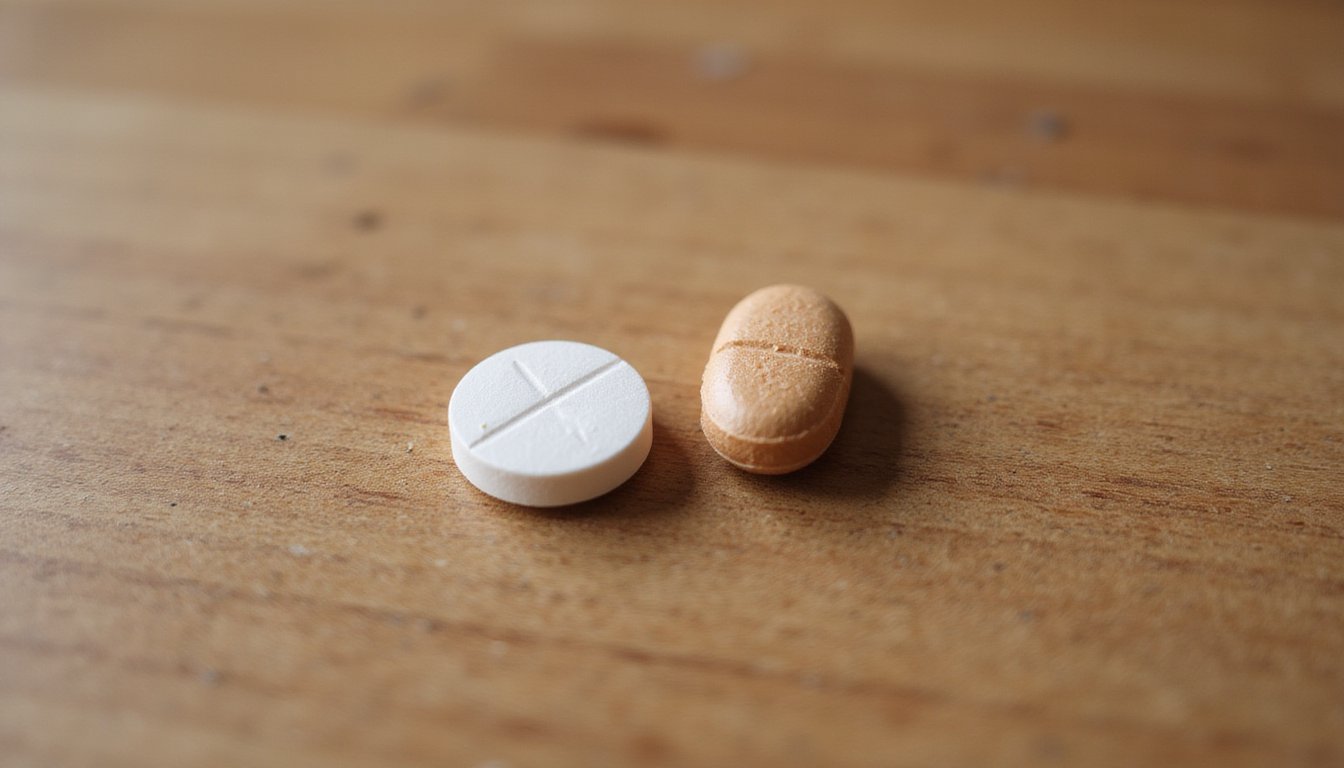
Because amphetamine products carry greater potency per milligram than methylphenidate, converting Concerta doses to Adderall isn’t a simple one-to-one swap. Clinical practice applies a stimulant dose equivalency ratio of approximately 1:1.8, 2, meaning 1 mg of amphetamine corresponds to roughly 1.8, 2 mg of methylphenidate. For example, Adderall XR 30 mg converts to approximately 54 mg of Concerta.
When evaluating Concerta vs Adderall dosage during medication conversion ADHD protocols, you should know that up to 55% of patients require doses exceeding standard calculated equivalents. Your provider will use the conversion formula as an initial reference point, then schedule follow-up within one to two weeks. Close monitoring of cardiovascular markers, sleep quality, and symptom control guarantees the adjusted dose achieves therapeutic efficacy without unnecessary risk. Because both medications belong to the stimulant class, any discontinuation during the conversion process should involve tapering under medical supervision to prevent withdrawal symptoms such as depression and anxiety.
Why Dosing Frequency Matters for Both Drugs
Although Concerta and Adderall share the same therapeutic goal, their dosing frequencies diverge sharply due to formulation design and pharmacokinetic profiles. Methylphenidate dosing guidelines specify Concerta as a single morning dose, providing 10, 12 hours of sustained coverage. Immediate-release Adderall, however, demands 2, 3 daily administrations spaced 4, 6 hours apart, increasing missed-dose risk.
Amphetamine dosing recommendations for Adderall XR permit once-daily administration, narrowing the convenience gap with Concerta. Extended release dosage differences between these formulations directly affect peak plasma timing, Concerta peaks at 6, 10 hours, while Adderall XR peaks around 7 hours. You’ll find that multi-dose regimens complicate school, work, and travel logistics. Single-dose options reduce medication management burden and maintain consistent therapeutic levels, minimizing symptom gaps throughout your day.
Which Medication Offers More Dosage Flexibility?

How precisely can a prescriber dial in the right dose? Adderall provides considerably greater flexibility during titration ADHD medications require. With IR doses ranging from 5 mg to 30 mg across seven strengths and XR offering six options, you’re looking at more than double Concerta’s four fixed strengths. Adderall IR increases by 2.5, 5 mg weekly, enabling finer adjustments toward your typical ADHD dose. Concerta’s 18 mg incremental jumps risk overshooting ideal levels.
Adderall’s dual-formulation availability, IR and XR, lets prescribers start short-acting, then shift to extended-release based on your response. Concerta offers only its OROS extended-release form. When approaching the maximum dose stimulant medications allow, Adderall’s smaller increments provide more precise calibration, reducing unnecessary side effect exposure. The side effects of Concerta and Adderall can vary significantly between individuals. It’s important to monitor how your body reacts to either medication, as some users may experience more pronounced side effects with one drug over the other.
Your Path to Safer Recovery Starts Here
Struggling with prescription drug use can feel isolating, but you don’t have to face it alone real support, understanding, and hope are within reach. At The Hope Institute in West Milford, NJ, our Prescription Drug Addiction treatment supports you in safely overcoming prescription drug dependence while leading you toward stability, clarity, and a healthier future. Call (855) 659-2310 today and take the first step toward lasting recovery.
Frequently Asked Questions
What Happens if You Accidentally Take a Double Dose of Concerta?
If you accidentally double your Concerta dose, you may experience headaches, rapid heartbeat, irritability, and heightened blood pressure within hours. Because Concerta’s extended-release mechanism continues delivering medication over 12 hours, you’re at prolonged risk for agitation, palpitations, and increased body temperature. In severe cases, you could develop seizures or hallucinations. You should contact your doctor or Poison Control immediately and call 911 if you experience breathing difficulties, chest discomfort, or collapse.
Can Concerta or Adderall Dosages Be Safely Split or Crushed?
You shouldn’t crush or split Concerta tablets because their osmotic-release system depends on an intact structure to deliver methylphenidate gradually. Breaking the tablet destroys this mechanism and can release the full dose at once, risking overdose. Adderall XR capsules can’t be crushed either, though you can open them and sprinkle the beads on applesauce without chewing. Immediate-release Adderall tablets may be split if scored. Always confirm with your prescriber first.
How Does Food Intake Affect Concerta or Adderall Dosage Absorption?
Food affects these medications differently. When you take Concerta, its OROS delivery system maintains consistent methylphenidate absorption regardless of whether you’ve eaten. However, Adderall’s amphetamine concentrations drop markedly after a high-fat breakfast (p < 0.0001), reducing early bioavailability during the critical first 8 hours. You’ll experience more reliable symptom control with Concerta across varying eating patterns, while Adderall’s absorption remains meal-dependent, making fasting-state dosing preferable for consistent early drug exposure.
Do Concerta or Adderall Doses Need Adjustment During Pregnancy?
Current research hasn’t established specific dose adjustments for Concerta or Adderall during pregnancy. Both carry FDA Category C classification, meaning animal studies show potential risks, but human data remains insufficient. You should know that prescribed methylphenidate doses haven’t demonstrated increased risks in available studies, and Adderall research shows no association with major congenital malformations. However, you’ll need an individualized risk-benefit assessment with your healthcare provider before making any medication changes during pregnancy.
Will Tolerance Develop Requiring Higher Doses of Either Medication Over Time?
Yes, you can develop tolerance to both Concerta and Adderall over time, potentially requiring dose adjustments. Your brain’s dopaminergic receptors may downregulate with prolonged stimulant exposure, diminishing therapeutic effects. You’ll notice signs like reduced symptom control despite consistent dosing. Your prescriber should titrate doses gradually within approved limits up to 72 mg for Concerta and 40 mg for Adderall IR, while monitoring for cardiovascular side effects, anxiety, and insomnia.
Is Adderall to Concerta Conversion the Same for IR and XR Versions
No, Adderall-to-Concerta conversion is not a fixed IR-to-XR or mg-for-mg calculation because Adderall contains mixed amphetamine salts while Concerta contains methylphenidate. FDA labeling allows divided doses of immediate-release Adderall to be changed to Adderall XR at the same total daily milligram dose, but that rule does not apply when switching to Concerta. Concerta doses are generally adjusted in 18 mg weekly increments based on response and tolerability.
How Long Does a Concerta to Adderall Conversion Take to Stabilize
There is no FDA-defined stabilization period, and stimulant effects can usually be evaluated on the first day of a new dose, but finding a stable dose may take roughly 1 to 4 weeks or longer if several adjustments are needed. Both Concerta and Adderall XR labeling recommends dose adjustments at approximately 1-week intervals, so stabilization depends on symptom control, duration of effect, and side effects rather than a fixed number of days.
Why Might Adderall XR to Concerta Conversion Feel Weaker Than Expected
Concerta may feel weaker because there is no exact potency equivalence between methylphenidate and mixed amphetamine salts, and their release patterns differ. Concerta produces an initial methylphenidate peak at about 1 hour, then concentrations rise for another 5 to 9 hours, with average peak levels occurring around 6 to 10 hours, so its effect may feel more gradual than expected after switching from Adderall XR.
Does Concerta vs Adderall Dosage Conversion Change by Age Group
There is no official age-based conversion ratio, but starting doses and maximum doses do change with age. Concerta generally starts at 18 mg/day for ages 6 to 17, with maximums of 54 mg/day for ages 6 to 12 and 72 mg/day for ages 13 to 17, while adults may start at 18 or 36 mg/day. Adderall XR generally starts at 10 mg/day for ages 6 to 17 and 20 mg/day for adults, so prescribers account for age rather than applying one universal conversion.
Why Does Adderall to Methylphenidate Conversion Require Doubling the Dose
It does not always require doubling the dose. The commonly cited 2:1 methylphenidate-to-amphetamine approximation comes partly from comparative clinical dosing, including a randomized crossover study that compared 0.30 mg/kg of methylphenidate with 0.15 mg/kg of dexamphetamine per dose. This is a rough clinical reference rather than an FDA-approved conversion formula, and individual responses can differ enough that the final dose should be determined through gradual titration rather than automatically multiplying an Adderall dose by 2.