If you witness a meth overdose, call 911 immediately and describe symptoms like chest pain, seizures, or extreme hyperthermia. While waiting, apply damp cloths for cooling and place an unconscious person in the recovery position. In the ER, doctors administer IV benzodiazepines for seizures, manage arrhythmias, and use aggressive hydration to prevent kidney failure. Every second counts, and understanding each stage of intervention can mean the difference between life and death.
How to Spot a Meth Overdose Fast
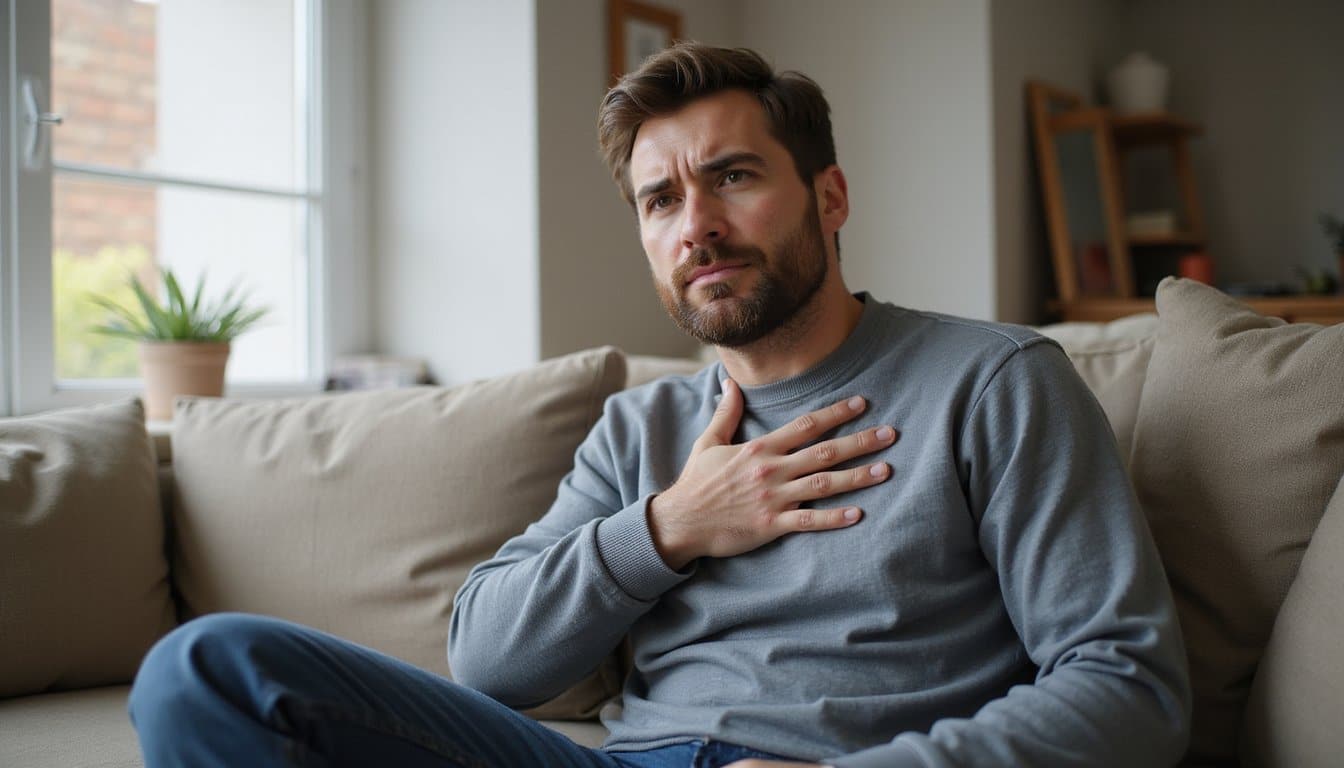
When methamphetamine pushes the body past its physiological limits, the window between a survivable overdose and a fatal one narrows fast. Recognizing sympathomimetic toxicity early determines whether meth overdose treatment succeeds. You’re looking for a specific cluster: chest pain with rapid or irregular heartbeat signals a cardiac crisis. Hot, flushed skin with core temperature spiking indicates hyperthermia requiring emergency medical treatment immediately. The urgency of treatment is compounded by the question of how long meth stay in system, as this affects the timing and type of intervention required. Understanding the drug’s half-life and metabolic pathway can be crucial for healthcare providers to tailor their response effectively. Additionally, the longer methamphetamine remains in the system, the more severe the potential complications, making immediate medical attention imperative.
Seizures, rigid muscles, or tremors point to severe amphetamine toxicity treatment needs. Slurred speech, confusion, or sudden weakness suggest stroke, a toxicology emergency demanding emergency department care with airway management priority. Psychosis, hallucinations, or extreme agitation confirm that crystal meth stimulant overdose management is critical.
Blue or gray lips with labored breathing mean oxygen delivery is failing. The risk escalates dramatically when ice is consumed alongside other substances, since high purity can trigger overdose or toxicity even at small doses. The chances of coming back from a meth overdose depend heavily on the amount taken and how quickly professional medical intervention begins. If the person loses consciousness, turn them on their side to prevent choking while waiting for emergency responders. Call 911 now, every minute of delayed intervention increases mortality risk.
What to Do Before Paramedics Arrive
The minutes between recognizing a meth overdose and paramedic arrival can determine survival, so immediate action matters more than questions such as how long does meth stay in your system for urine sample testing. Call 911 immediately, clearly describe the symptoms, and stay on the line for instructions while waiting for emergency medical help.
While paramedics prepare oxygen therapy, intravenous fluids, cardiac monitoring, electrocardiogram monitoring, benzodiazepines for sedation for agitation, antipsychotics, and seizure management protocols, you handle what’s possible now. Begin active cooling measures, apply damp cloths to the neck, armpits, and groin, because hyperthermia treatment delays cause irreversible organ damage. Place an unconscious person in the recovery position to protect the airway. Monitor breathing and pulse; start CPR if both stop. Keep the environment quiet, prevent further drug intake, and administer naloxone if available, since polydrug use is common. Don’t leave until help arrives.
How ERs Treat Meth Overdose Seizures and Agitation
Emergency physicians zero in on two immediate threats the moment a meth overdose patient arrives, seizing or combative: uncontrolled electrical activity in the brain and catecholamine-driven agitation that can trigger cardiac arrest, hemorrhagic stroke, or fatal hyperthermia. Anticonvulsant treatment begins with intravenous lorazepam or intramuscular midazolam when IV access isn’t available. If seizures persist, phenobarbital provides longer-acting coverage. CT imaging is used to rule out intracranial hemorrhage.
For agitation control, benzodiazepines remain first-line. Haloperidol targets dopamine-receptor-driven psychosis when combined with sedatives. Physical restraint secures patient safety during pharmacologic intervention. Supportive care runs simultaneously, cooling blankets combat hyperthermia, hydration therapy protects kidneys from rhabdomyolysis, and blood pressure control prevents vascular catastrophe. Patients meeting these criteria require intensive care unit monitoring until stabilization confirms a survival trajectory.
Why Organ Damage From Meth Overdose Needs Immediate Care
Because methamphetamine triggers a catecholamine surge that simultaneously attacks multiple organ systems, damage doesn’t stay confined to one area, it cascades. Cardiovascular stabilization requires immediate arrhythmia management alongside hypertension management using nitroprusside or phentolamine for refractory cases. Diazepam controls sympathetic overdrive while olanzapine addresses acute agitation resistant to benzodiazepines alone.
Your kidneys face direct assault through rhabdomyolysis-driven myoglobin precipitation and vasoconstrictive ischemia. Kidney function monitoring tracks creatinine, urine output, and myoglobin levels to prevent irreversible tubular damage. Electrolyte correction stabilizes cardiac rhythm and counters metabolic acidosis treatment demands from accumulating lactate and failing hepatic clearance.
Liver injury escalates through hyperthermia-dependent necrosis, elevating AST and ALT within hours. Without rapid multi-system intervention, organ failure compounds, each failing system accelerates the next’s decline.
Monitoring and Recovery After a Meth Overdose
Once emergency interventions stabilize your immediate cardiovascular and neurological crises, hospital monitoring shifts to sustained observation protocols that track whether organ damage is progressing or resolving. Toxicology screening confirms substance interactions while teams continue rhabdomyolysis treatment through aggressive IV hydration targeting renal failure prevention. Myocardial infarction management requires continuous cardiac monitoring, and clinicians maintain caution with beta blockers given unopposed alpha-receptor risks. Evaporative cooling continues until hyperthermia resolves, and psychosis management with antipsychotics addresses persistent agitation.
Your recovery trajectory extends well beyond discharge. Substance use disorder treatment integrates cognitive behavioral therapy to restructure drug-seeking patterns alongside relapse prevention strategies, including contingency management and support groups. Withdrawal phases demand weeks of psychiatric monitoring as anxiety, depression, and cravings intensify before gradually subsiding.
Call Now and Get the Help You Need
Meth grips your life faster than you realize, and every moment without support puts everything you have at risk. At The Hope Institute, we provide Meth Addiction Treatment rooted in genuine care and personalized support to guide you toward lasting recovery. Call (855) 659-2310 now and let us walk this journey with you.
Frequently Asked Questions
Is There a Specific Antidote for Methamphetamine Overdose Like Naloxone for Opioids?
No, there’s currently no specific antidote for methamphetamine overdose like naloxone reverses opioids. You’ll rely entirely on supportive care, benzodiazepines to control seizures and agitation, active cooling for hyperthermia, and titratable antihypertensives for dangerous blood pressure spikes. However, Clear Scientific is developing CS-1103, a small molecule that sequesters methamphetamine from your central nervous system. Until it’s FDA-approved, call 911 immediately, rapid symptom management remains your lifeline.
Do Good Samaritan Laws Protect You From Prosecution When Calling 911 for an Overdose?
Yes, Good Samaritan laws protect you from drug possession prosecution when you call 911 during an overdose. Forty-five states and DC have enacted these laws, shielding both you and the person overdosing. Research shows that knowing these protections exist triples your likelihood of calling 911. Don’t let fear of arrest delay action, every minute counts. Check your state’s specific protections at ncsl.org, and always call 911 immediately.
What Is the Most Effective Treatment for Methamphetamine Use Disorder Currently Available?
Contingency management (CM) gives you the strongest evidence-based treatment for methamphetamine use disorder available right now. CM provides tangible rewards for negative drug tests, and a 2021 New England Journal of Medicine trial showed 12-week CM programs produced abstinence rates of 17.6% versus 7.8% with usual care. You should also know that combining CM with cognitive-behavioral therapy improves outcomes further.
Why Are Beta-Blockers Used Cautiously During Methamphetamine Overdose Hypertension Management?
Beta-blockers require caution because blocking beta receptors while methamphetamine’s catecholamine surge drives alpha-adrenergic vasoconstriction can leave that vasoconstriction unopposed, paradoxically worsening your hypertensive crisis. That’s why clinicians prefer labetalol, which blocks both alpha and beta receptors simultaneously. You’ll find emerging evidence supports beta-blocker safety in stimulant toxicity, but current protocols still prioritize benzodiazepines first for sedation-driven blood pressure reduction before adding titratable antihypertensives like nicardipine or labetalol.