Cocaine and heroin differ on one core line: cocaine’s a stimulant, heroin’s a depressant. Cocaine speeds you up, raising your heart rate, blood pressure, and body temperature while dilating your pupils. Heroin slows you down, depressing your breathing and heart rate while constricting your pupils to pinpoints. Both carry high addiction risk and distinct overdose dangers, cardiovascular collapse versus respiratory failure. Understanding how each works, and why mixing them turns deadly, matters more than you’d think.
Key Takeaways
- Cocaine is a stimulant that speeds up the nervous system, while heroin is an opioid depressant that slows it down.
- Cocaine produces energy, alertness, and euphoria; heroin produces calm, drowsiness, and pain relief.
- Cocaine dilates pupils and lasts 15 to 30 minutes; heroin constricts pupils to pinpoints and lasts several hours.
- Cocaine overdose causes cardiovascular strain and convulsions; heroin overdose causes respiratory failure leading to coma and death.
- Both are highly addictive, but combining them as a speedball raises overdose risk through masked, delayed symptoms.
What Is the Difference Between Cocaine and Heroin

Cocaine and heroin differ at their core as a stimulant vs depressant. Cocaine’s a stimulant that speeds up your central nervous system, while heroin’s an opioid that slows it down. You’ll experience opposite effects from each. Cocaine produces energy, alertness, and euphoria, raising your heart rate, blood pressure, body temperature, and breathing rate. Heroin produces calm, drowsiness, and pain relief, slowing your heart rate, breathing, and digestion. Cocaine typically dilates your pupils; heroin constricts them to pinpoints. Cocaine’s high is short and intense, fading within 15 to 30 minutes when snorted, while heroin’s effects last several hours. They affect different brain systems, but both carry a high addiction risk and can prove dangerous, even fatal, in overdose.
How Do a Stimulant and a Depressant Work Differently in the Brain
A stimulant and a depressant work differently because they target opposing brain systems. Cocaine acts as a stimulant, speeding up your central nervous system, while heroin acts as an opioid depressant, slowing it down. These opposite mechanisms explain why you experience such different physical and mental states.
- Cocaine drives energy, alertness, and euphoria; heroin drives calm, drowsiness, and pain relief.
- Cocaine increases heart rate, blood pressure, body temperature, and breathing rate.
- Heroin slows your heart rate, breathing, and digestion.
- Cocaine typically dilates your pupils; heroin constricts them to pinpoints.
- Cocaine’s high fades within 15 to 30 minutes when snorted; heroin’s effects last several hours.
Because they target different systems, each drug demands a different emergency response.
How Do the Short-Term Effects Compare

Short-term effects diverge sharply because cocaine speeds you up and heroin shuts you down. When you snort cocaine, effects begin almost immediately, delivering energy, alertness, and euphoria that fade within 15 to 30 minutes, pushing you toward repeat dosing. Heroin produces a rapid rush followed by sedation, the “nod,” lasting several hours.
| Feature | Cocaine | Heroin |
|---|---|---|
| Onset | Almost immediate | Rapid rush |
| Duration | 15 to 30 minutes | Several hours |
| Pupils | Dilated | Pinpoint |
| Behavior | Restlessness, hostility | Warmth, sleepiness |
At larger doses, you may experience restlessness, hostility, hallucinations, and erratic behavior with cocaine. Heroin instead brings warmth, relaxation, dizziness, nausea, and vomiting. Cocaine’s brief high drives short-interval redosing, and heroin’s prolonged action follows a slower cycle.
Which Is More Addictive, Cocaine or Heroin
Neither cocaine nor heroin is definitively “more addictive”; they simply capture you differently, so you can’t rank them on a single scale. Both carry a high addiction risk, but they hook you through different mechanisms. Cocaine’s brief, intense high fades within 15 to 30 minutes, driving you toward repeated dosing in short intervals. Heroin’s effects last several hours, reinforcing use through sedation, relief from discomfort, and intense physical dependence.
Consider how each drug reinforces continued use:
- Cocaine delivers a short high that encourages frequent redosing.
- Cocaine produces a harsh crash marked by depression, craving, and anxiety.
- Heroin creates strong physical dependence quickly.
- Heroin reinforces use through rapid relief and withdrawal avoidance.
- Both activate powerful reward pathways that sustain compulsive use.
How Do the Overdose Risks Differ
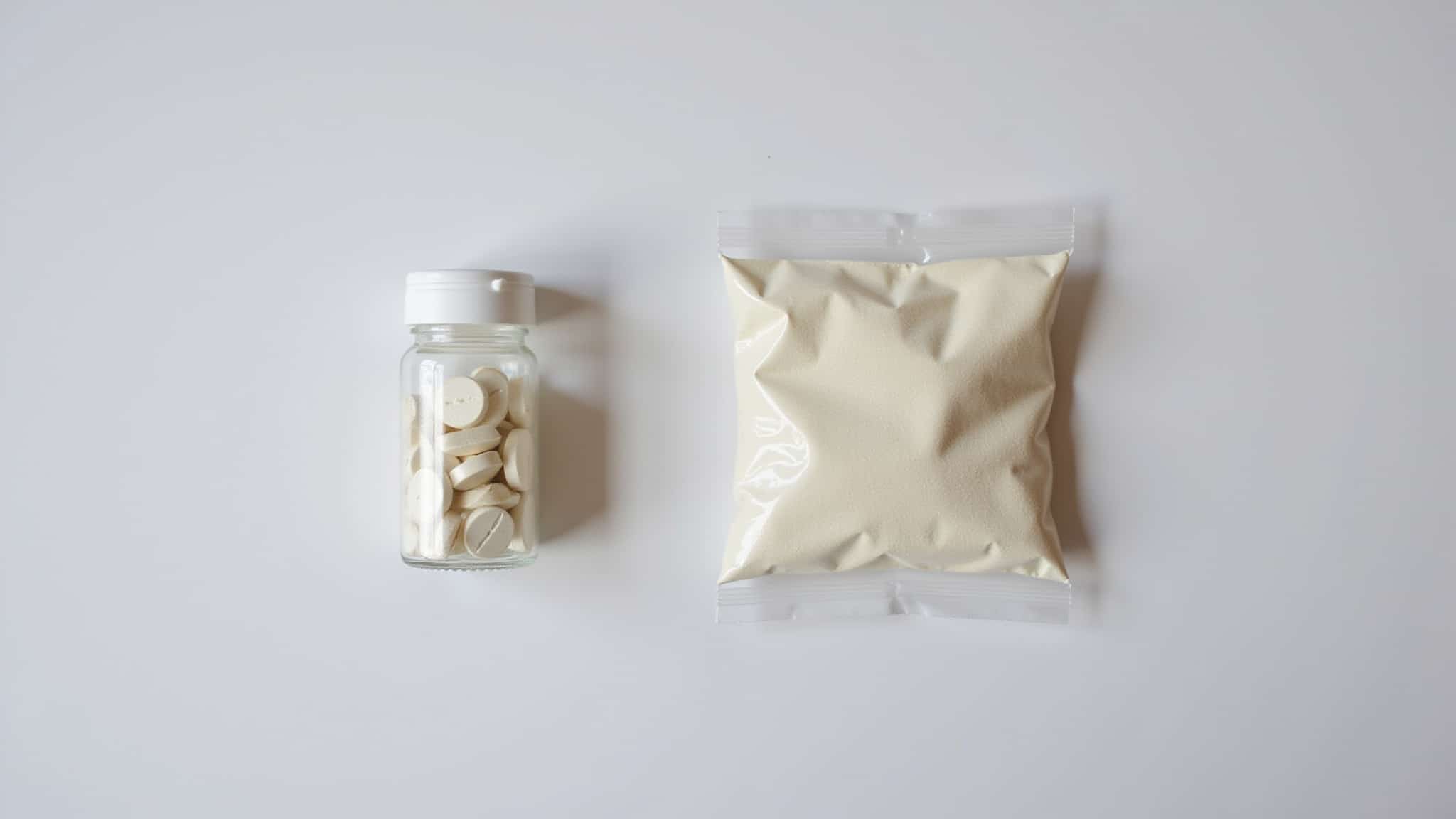
Cocaine and heroin overdoses kill you in opposite ways. Cocaine overdose stems from hyperstimulation. Your heart rate and blood pressure spike, placing heavy strain on your heart and blood vessels. You can experience severe anxiety, paranoia, hallucinations, muscle twitching, convulsions, and cardiovascular complications. The danger centers on agitation and seizures.
Heroin overdose works in the opposite direction. It suppresses your central nervous system, slowing your breathing until it stops. You can slip into stupor, then coma, and die from respiratory failure. That’s why airway and breathing support are critical during a heroin emergency.
Because one drug overstimulates and the other depresses, they demand different emergency responses. Recognizing which system is failing determines whether intervention focuses on your heart or your lungs.
What Is a Speedball and Why Is Mixing Them So Deadly
Combining a stimulant and a depressant multiplies your risk because their opposite actions mask each other’s warning signs. A speedball mixes cocaine and heroin, and cocaine’s stimulation can hide heroin’s sedation, so you may not notice how dangerously your breathing has slowed.
- Masked symptoms: Cocaine’s alertness conceals heroin’s respiratory depression until it’s severe.
- Delayed overdose: As cocaine fades faster, heroin’s depressant effects surge unchecked.
- Cardiovascular strain: Your heart faces stimulant-driven stress alongside opioid slowing.
- Contradictory signals: Dilated and pinpoint pupils, racing and slowing rhythms confuse response.
- Complicated treatment: Emergency responders must address stimulant and depressant emergencies simultaneously.
You’re loading your body with competing demands, and that instability makes overdose and death far more likely.
Conclusion
Cocaine and heroin pull the body in opposite directions, one a stimulant that speeds you up, the other an opioid that slows you down, yet both are dangerous and deeply addictive. Cocaine can strain the heart and trigger dangerous spikes in blood pressure, while heroin can slow breathing to the point of overdose. Mixing them, sometimes called a speedball, is especially deadly. Whatever the substance, addiction is treatable with the right help. If cocaine or heroin is harming you or someone you love, The Hope Institute in West Milford, NJ offers compassionate treatment to help you find a safer path forward.
How to Find Treatment for Cocaine or Heroin Addiction
The pain of heroin addiction runs deep, but so does the strength inside you that led you to look for help today. At The Hope Institute in Newfoundland, NJ, our compassionate team walks beside you through outpatient Heroin Addiction Treatment and Cocaine Addiction Treatment with real understanding and unwavering care. Call +1 (855) 659-2310 today and give yourself the chance you deserve.
Frequently Asked Questions
How Long Do Cocaine and Heroin Stay in Your System?
It varies by test, dose, and frequency of use. Cocaine typically shows up in urine for about one to four days, and in blood and saliva for one to two days, though heavy use can extend the urine window to a week or more. Heroin clears the blood within hours, but its byproducts can appear in urine for about one to three days and in saliva for one to two days. Both drugs can be detected in hair for up to about 90 days. For accurate detection windows, it is best to check with a clinic or medical professional.
Can You Develop Tolerance to Cocaine or Heroin?
Yes, you can develop tolerance to both cocaine and heroin. With repeated use, your body adapts, so you’ll need larger or more frequent doses to feel the same effects. Heroin produces strong physical dependence, driving rapid reinforcement and withdrawal relief. Cocaine’s brief, intense high often pushes you toward repeat dosing in short intervals. Building tolerance raises your overdose risk, since you’ll take more to chase diminishing effects.
Are Cocaine and Heroin Detectable on Standard Drug Tests?
Yes, standard drug panels typically detect both substances. You’ll find that most urine tests screen for cocaine metabolites and opioids, which include heroin’s breakdown products. Cocaine is usually detectable for a few days after use, while heroin’s markers often clear more quickly. Detection windows depend on your dose, frequency, metabolism, and the test type. Specialized tests can extend these windows considerably, especially with chronic use.
What Legal Penalties Come With Cocaine or Heroin Possession?
Legal penalties vary widely by state and country and depend on the drug, the amount, and prior history, so exact consequences are best confirmed with a qualified attorney. In general, both cocaine and heroin are illegal in the United States, and possession can lead to charges ranging from misdemeanors to felonies, with possible fines, probation, mandatory treatment, or jail time. Many areas also offer drug courts or diversion programs that direct people toward treatment rather than incarceration. If legal trouble is tied to drug use, treating the addiction itself is often the most important step forward.
How Much Do Cocaine and Heroin Typically Cost?
Prices vary widely by location, purity, and supply, and they change constantly, so there is no fixed figure. Far more important than any dollar amount is the steep hidden cost of these drugs: rapidly growing tolerance that drives spending higher, along with the toll on health, relationships, work, and freedom. Both cocaine and heroin also carry a serious risk of overdose, made worse when supplies are cut with fentanyl.