Crack and heroin sit on opposite ends of the drug spectrum. Crack’s a stimulant derived from the coca plant, and it speeds up your central nervous system. Heroin’s an opioid made from morphine, and it slows your CNS down. You’ll notice crack delivers a quick, intense high, while heroin produces sedation. They also differ in form, health risks, and treatment options. Keep going, and you’ll understand exactly what separates these two drugs.
Key Takeaways
- Crack is a stimulant from the coca plant that speeds up the CNS, while heroin is an opioid depressant from the opium poppy.
- Crack appears as rock-like crystals and is smoked, whereas heroin is derived from morphine and often injected.
- Crack delivers a quick, intense high lasting about 15 minutes; heroin produces prolonged sedation and calming effects.
- Crack stresses the cardiovascular system and lungs, while heroin risks respiratory depression, overdose, and needle-related infections.
- Heroin addiction has FDA-approved medications like methadone, but crack addiction relies solely on behavioral therapies like CBT.
What Is the Difference Between Crack and Heroin
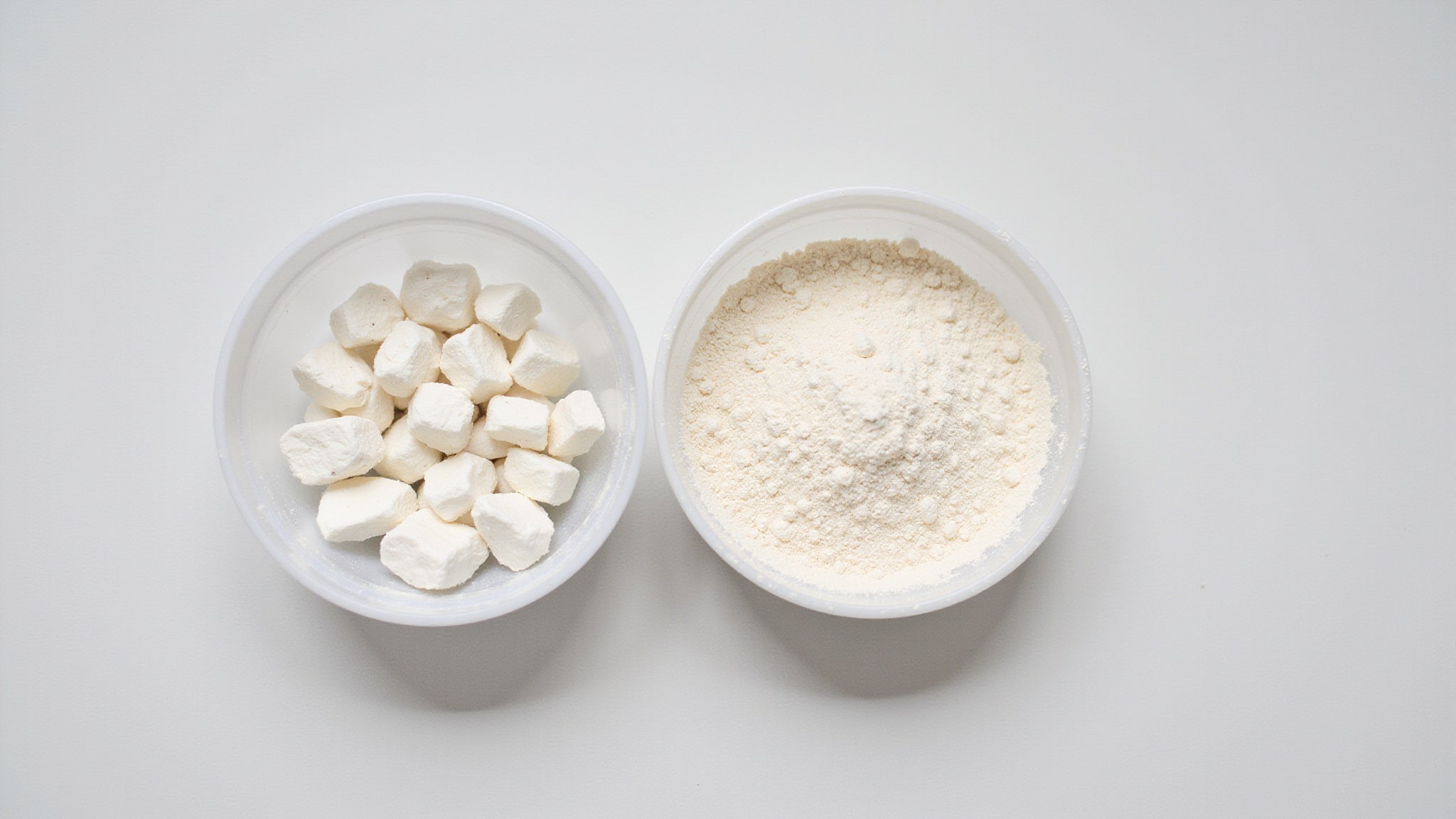
Crack and heroin differ at the core because of drug class: crack is a stimulant, while heroin is a depressant. Crack cocaine comes from the leaves of the coca plant, whereas heroin is an opioid derived from morphine, which comes from the opium poppy. Their drug effects on your brain differ sharply. Crack increases alertness, energy, and dopamine signaling, speeding up your central nervous system. Heroin does the opposite, slowing your central nervous system and basic body functions, producing sedation and calm. Comparing cocaine and heroin reveals profound differences in their effects and potential for abuse.
You’ll also notice differences in form. Crack appears as solid, rock-like crystals, while heroin shows up as a powder or tar-like substance. At the most basic level, they differ in drug class, plant source, and how they affect your brain. Understanding the difference between morphine and heroin is essential, as they are both derived from the opium poppy but serve different purposes in medicine and recreation.
What Exactly Is Crack and How Is It Different From Powder Cocaine
Crack is a solid, rock-like form of cocaine made by converting cocaine powder with baking soda or ammonia and water, then heating and drying the mixture. This process transforms the powder into hard crystals you can smoke. The name comes from the crackling sound produced when you heat and smoke it.
Here’s how crack differs from powder cocaine:
- Form: Crack appears as rock-like crystals, while powder is a fine powder.
- Production: Crack requires an extra chemical conversion step.
- Route: You typically smoke crack using a small glass pipe.
- Onset: Smoking delivers a quick, intense high.
- Class: It’s a stimulant, not an opioid.
That comparison matters because the route and form directly shape crack’s rapid, short-lived effects.
How Do the Highs and Crashes Compare
The highs and crashes differ because these two drugs produce opposite effects on your central nervous system. Heroin depresses your CNS, producing euphoria alongside calming and sedating effects that last relatively long. Crack stimulates your CNS, delivering a quick, intense high marked by energy and alertness that fades within a few minutes to around 15 minutes. Meth vs heroin presents a stark contrast not only in their effects but also in their potential for addiction. Understanding these differences is crucial for addressing the challenges posed by both substances in society.
| Feature | Heroin | Crack |
|---|---|---|
| Drug class | Depressant | Stimulant |
| High quality | Sedating, calming | Intense, energizing |
| Duration | Longer-lasting | Short-lived (~15 min) |
That short duration drives you toward repeated dosing to extend the effect, raising your addiction risk. With heroin, you’re more likely to face sedation and drowsiness. With crack, you’ll experience an abrupt crash after each brief peak.
Which Is More Addictive, Crack or Heroin
Neither crack nor heroin ranks as universally “more addictive,” because each drives dependence through distinct pathways. Both drugs are highly addictive, but they hook you through different mechanisms:
- Crack delivers a fast onset and short high, which pushes you toward compulsive redosing to sustain the effect.
- Heroin produces longer sedation, but repeated use builds physical dependence and tolerance quickly.
- Crack’s brief duration, minutes to around 15, reinforces frequent, rapid dosing cycles.
- Heroin’s daily use patterns reflect strong physical dependence and withdrawal avoidance.
- Both substances show high daily-use rates in study populations, though patterns vary by site.
You’ll find crack’s addiction risk tied to its rapid, repeated stimulation, while heroin’s centers on tolerance, dependence, and the drive to prevent withdrawal.
How Do the Health Risks and Overdose Dangers Differ

The health risks and overdose dangers differ because these drugs have opposing effects on your body. Heroin, a depressant, slows your central nervous system. Its biggest threat is respiratory depression. Your breathing can slow so much that it stops, causing overdose. If you inject it, you also face infections and other needle-related harms.
Crack works in the opposite direction. As a stimulant, it stresses your cardiovascular system, raising your heart rate and blood pressure. Over time, you risk lung damage and anxiety, and the acute danger is stimulant toxicity rather than sedation.
Do People Use Them Together and Why Is That So Dangerous
Yes, some people combine heroin and crack, a practice often called “speedballing.” You’re mixing a depressant with a stimulant, taking both drugs in one session to blend crack’s intense, energizing high with heroin’s calming, sedating effect. This combination masks each drug’s warning signs, making it essentially dangerous:
- The stimulant can hide heroin’s sedating effects, so you underestimate your opioid dose.
- The depressant can mask crack’s overstimulation, encouraging repeated cocaine use.
- Your heart faces competing signals, straining cardiovascular function.
- As crack wears off faster, heroin’s respiratory depression can dominate suddenly.
- Overdose risk climbs because breathing may slow after stimulant effects fade.
You’re essentially forcing your body to process opposing pressures at once, which sharply increases the likelihood of fatal respiratory failure.
Conclusion
Crack and heroin are very different drugs with one thing in common: both are dangerous and highly addictive. Crack is a stimulant form of cocaine that speeds the body up with an intense, short-lived high, while heroin is an opioid that slows the body down and dulls pain. Each carries serious risks, from overdose to lasting damage to the body and mind, and both can trap a person in addiction quickly. If crack or heroin has taken hold in your life or a loved one’s, The Hope Institute in West Milford, NJ offers compassionate treatment to help you find a safer path forward.
How to Find Treatment for Stimulant or Opioid Addiction
Heroin has taken so much, but reaching out for help right now can change the entire direction of your story. At The Hope Institute in West Milford, NJ, our caring team offers compassionate outpatient Heroin Addiction Treatment with medical safety, warmth, and understanding at every step. Call +1 (855) 659-2310 today and let us walk with you toward a safer tomorrow.
Frequently Asked Questions
How Long Do Crack and Heroin Stay in Your System?
Detection times depend on the test, the amount used, and how often. Crack is a form of cocaine, so it usually shows up in urine for about one to four days, and in blood and saliva for one to two days, with heavy use extending the urine window. Heroin leaves the blood within hours, but its byproducts can appear in urine for roughly one to three days and in saliva for one to two days. Both can be detected in hair for up to about 90 days. For accurate results, it is best to consult a clinic or medical professional.
Are Crack and Heroin Legal Anywhere for Medical Use?
Crack itself has no medical use anywhere, though pharmaceutical cocaine, which crack is made from, is occasionally used as a local anesthetic in certain surgeries. Heroin is illegal in the United States and classified as having no accepted medical use, but a few countries, such as the United Kingdom, Canada, and Switzerland, use pharmaceutical-grade heroin, known as diamorphine, in tightly controlled medical settings for severe pain or supervised addiction treatment. Outside those strict programs, both drugs are illegal and dangerous.
Can You Overdose on Crack the Way You Can on Heroin?
You can overdose on both, but the mechanisms differ. With heroin, you’re facing respiratory depression, your breathing slows dangerously, which drives most overdose deaths. With crack, you’re dealing with stimulant toxicity instead. Your heart rate and blood pressure spike, straining your cardiovascular system and potentially causing lung damage. So while heroin’s overdose risk centers on sedation and slowed breathing, crack’s threat comes from cardiovascular stress and overstimulation, not sedation.
What Are the Withdrawal Symptoms for Crack Versus Heroin?
You’ll notice the withdrawal profiles differ by drug class. With heroin, an opioid depressant, you’ll likely face physical symptoms like muscle aches, nausea, sweating, chills, and intense cravings as your nervous system rebounds. With crack, a stimulant, you’ll experience mostly psychological effects, depression, fatigue, agitation, anxiety, and strong cravings during the “crash.” Both drive compulsive redosing, but heroin’s withdrawal tends to be more physically severe, while crack’s hits you psychologically.
How Much Do Crack and Heroin Typically Cost?
Prices vary widely depending on location, purity, and availability, and they change constantly, so there is no fixed figure. What stays constant is the far greater cost these drugs carry: rapidly growing tolerance that pushes spending higher, along with the toll on health, relationships, work, and freedom. Many people find that addiction quickly costs far more than money. If the price of crack or heroin, in any sense, has become too high, The Hope Institute in West Milford, NJ offers compassionate treatment to help you reclaim your life.