Crack and powder cocaine contain the same active drug. The difference is chemical form and what that allows. Powder is cocaine hydrochloride, water-soluble, so it can be snorted or dissolved and injected. Crack is the freebase form with the hydrochloride removed, which makes it smokable but not injectable. Smoking sends it to the brain in seconds for a 5 to 10 minute high, while snorting takes minutes and lasts longer, and that speed gap is what drives crack’s higher addiction risk.
Key Takeaways
- Chemical form: Powder cocaine is water-soluble cocaine hydrochloride, while crack is the freebase form made by removing the hydrochloride salt.
- Method of use: Powder can be snorted or dissolved and injected, whereas crack is almost always smoked in a glass pipe.
- Onset and duration: Crack hits the brain in seconds with a short, intense 5 to 10 minute high; powder acts in minutes and lasts 15 to 30 minutes.
- Addiction and health risks: Crack carries higher addiction risk and unique “crack lung,” while powder causes nasal damage; both harm the heart and nervous system.
- Legal penalties: Crack offenses have historically carried harsher sentences than powder, and recent reforms have narrowed but not eliminated this disparity.
What are the key differences between crack and powder cocaine
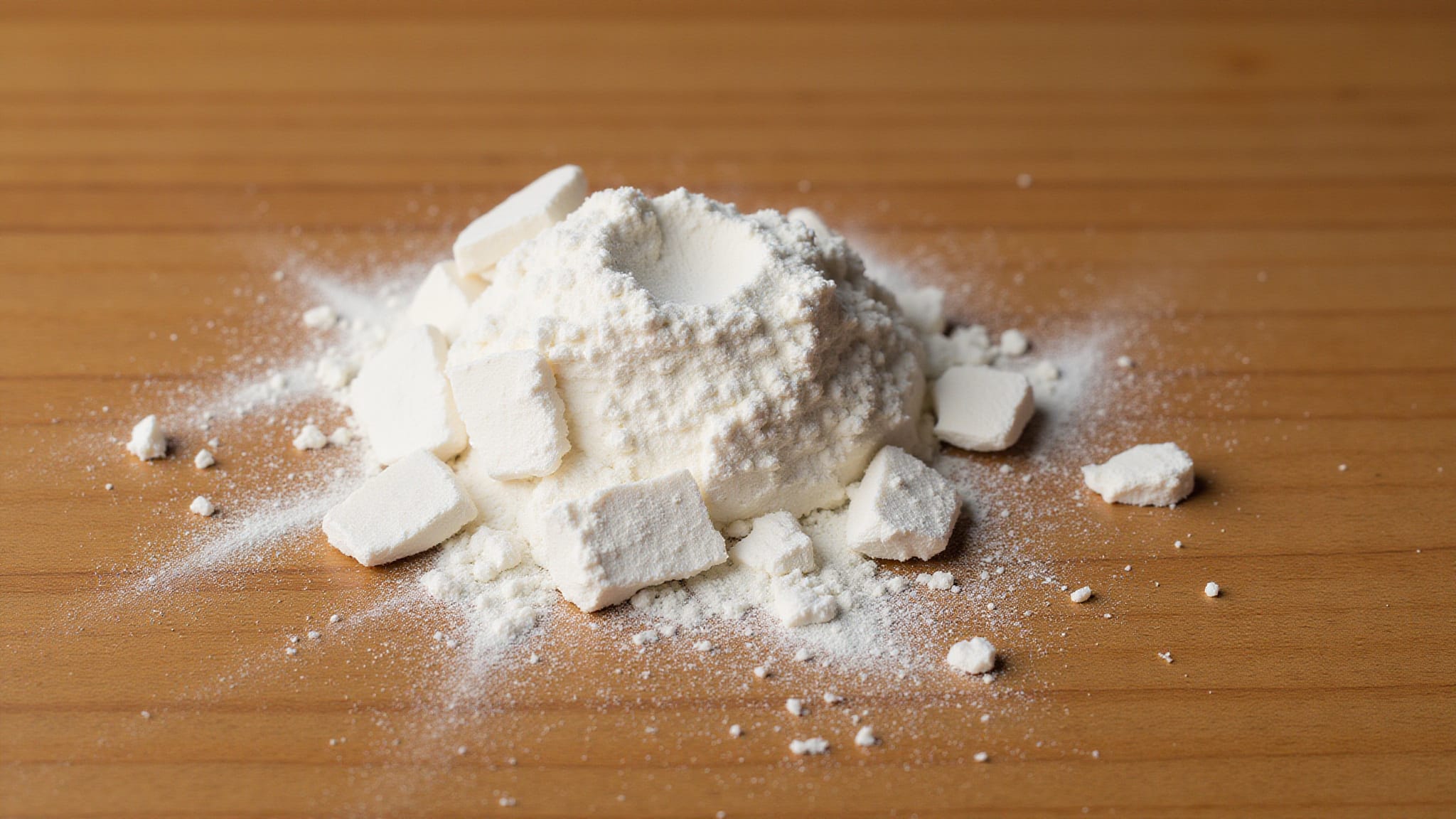
Crack and powder cocaine differ in their chemical form, how you use them, and how they affect your body, though they share the same active ingredient. The distinction starts with chemistry. Powder cocaine exists as cocaine hydrochloride, a water-soluble form you snort or dissolve for injection. Crack cocaine is the freebase form, made by removing the hydrochloride salt, leaving smokable rocks.
The powder cocaine differences extend to onset and duration. Smoked crack reaches your brain within 10 to 15 seconds, producing an intense high lasting 5 to 10 minutes. Snorted powder takes 3 to 5 minutes to act but lasts 15 to 30 minutes. Because crack’s high is so rapid and brief, it carries a notably higher risk of addiction than powder.
What is powder cocaine and what is crack cocaine
Both crack and powder cocaine come from the coca plant and share cocaine as their active ingredient, but they exist in different chemical forms. Powder cocaine is cocaine hydrochloride, a water-soluble white powder you can snort or dissolve for injection. Crack, by contrast, is the freebase form, created by removing the hydrochloride salt. To make it, someone mixes the powder with baking soda and water, then heats the mixture until it hardens into solid rocks.
These cocaine differences matter because removing the hydrochloride makes crack smokable but no longer water-soluble, so you can’t inject it. Understanding how crack and cocaine relate chemically helps you better recognize why each form affects your body and behavior in distinct, sometimes dangerous, ways.
How do they differ in how they’re used
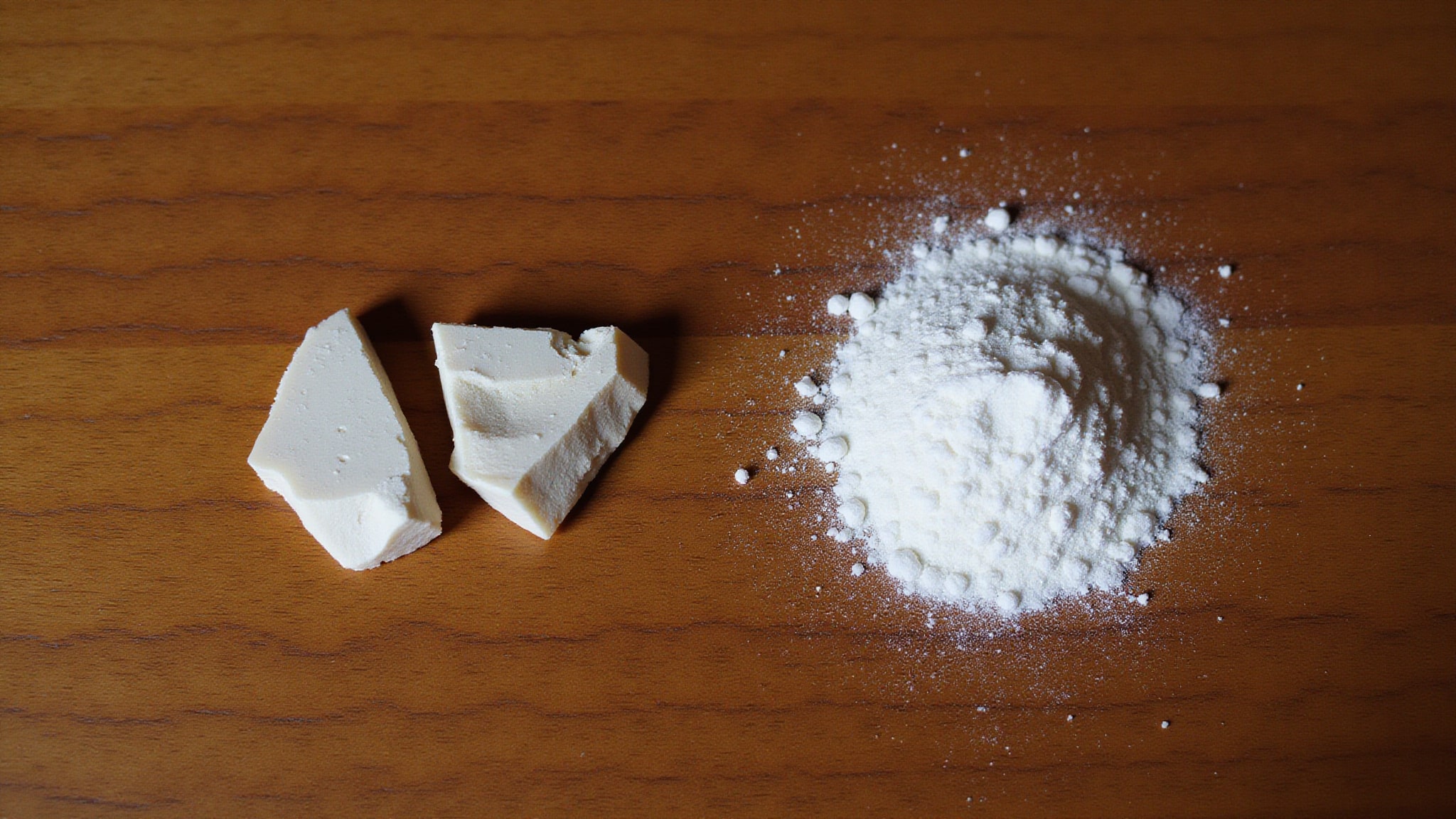
Powder cocaine and crack differ in how you take them because of their chemical structures. Powder cocaine exists as a water-soluble hydrochloride salt, so you can snort it through your nose or dissolve it for injection. When you snort it, the drug absorbs through your nasal tissues, taking several minutes to reach peak effects. Injecting dissolved powder delivers a faster onset but shorter duration than snorting.
Crack, the freebase form, isn’t water-soluble, so you can’t inject it. Instead, you almost always smoke it using a glass pipe or cigarette. When you inhale crack, the drug reaches your brain within seconds.
These different routes matter because how quickly a substance hits your system shapes both the intensity of its effects and your risk of developing dependence.
How do their effects and risks compare
Crack and powder cocaine differ most in intensity and speed. Because crack reaches your brain within seconds, it delivers a more intense, immediate euphoric rush than powder. That intensity, paired with a short 5 to 10 minute high, drives a cycle of rapidly escalating addiction. Powder’s slower onset and longer duration make it highly addictive too, though crack carries a higher risk of severe dependence.
| Effect/Risk | Comparison |
|---|---|
| Onset speed | Crack: seconds; Powder: 3 to 5 minutes |
| High duration | Crack: 5 to 10 min; Powder: 15 to 30 min |
| Addiction risk | Crack considerably higher |
| Unique harm | Crack: “crack lung”; Powder: nasal damage |
You should know both forms threaten your heart and nervous system, causing cardiovascular and neurological damage. If you’re struggling with either, effective support and treatment are available to you.
How do the legal penalties differ between the two

Legal penalties differ sharply depending on which form you’re caught with. Historically, crack cocaine offenses carried much harsher penalties than powder cocaine offenses, even though both contain the same active drug. This disparity meant you could receive a far longer sentence for crack while someone possessing a larger quantity of powder faced less severe punishment.
These sentencing gaps disproportionately affected marginalized communities across the United States, deepening existing inequities. The harsher crack laws rested on perceived differences in danger, despite the two forms being pharmacologically identical.
Recent reforms have narrowed this gap, but they haven’t eliminated it entirely. Understanding these lingering disparities can help you recognize what you’re truly facing in the legal system.
Which form is more addictive and dangerous
Crack carries a higher risk of severe addiction than powder because of its speed and intensity, even though both are highly dangerous. When you smoke crack, it reaches your brain within 10 to 15 seconds, producing an intense euphoric rush. But that high fades fast, lasting only 5 to 10 minutes. This rapid onset and short duration drive escalating use, as you chase the next hit repeatedly.
Powder cocaine, whether you snort or inject it, produces a slower, more sustained effect, which somewhat reduces the immediate reinforcing intensity. Still, both forms block dopamine reuptake in your brain’s reward system, making each highly addictive and dangerous. If you’re struggling with either, understand that effective treatment and support are available to you.
How do you find help for cocaine addiction
To find help for cocaine addiction, start by talking with your primary care doctor, who can assess your health and refer you to specialized treatment. Evidence-based options include behavioral therapies like cognitive behavioral therapy and contingency management, which help you address the psychological drivers of addiction. Because cocaine affects the brain’s dopamine reward system, professional support improves your chances of lasting recovery.
Contacting a treatment center directly is often the fastest route, since an assessment identifies the level of care that fits your situation. Outpatient options such as intensive outpatient or partial care provide structure while keeping work and family commitments intact, and support groups offer community and accountability alongside formal treatment. If you’re facing severe withdrawal or co-occurring conditions, a program with medical oversight is the safer starting point. Recovery is possible, and seeking help today can change your life.
Conclusion
The chemistry explains almost everything else. Removing the hydrochloride makes the drug smokable, smoking makes it reach the brain in seconds, and that speed is what makes crack harder to stop using. Everything downstream of that, the shorter high, the faster escalation, the specific lung damage, follows from the same change.
What the chemistry does not explain is the sentencing gap, which was built on a claimed pharmacological difference that does not exist. That distinction is worth holding onto, because it has shaped how people are treated by the legal system in ways the two drugs themselves never justified. Clinically they are the same substance, and treatment for both starts the same way.
You Deserve a Safer Path Forward
Somewhere beneath the cravings, the crashes, and the shame, there’s a version of you still waiting to be reached. At The Hope Institute in West Milford, NJ, our compassionate team walks beside you through outpatient Cocaine Addiction Treatment with genuine warmth and understanding at every step. Call +1 (855) 659-2310 today and take the first step back toward a life that feels like yours.
Frequently Asked Questions
What was the 100-to-1 sentencing ratio?
Under the Anti-Drug Abuse Act of 1986, five grams of crack triggered the same five-year mandatory minimum sentence as 500 grams of powder, a hundredfold difference for the same drug. The Fair Sentencing Act of 2010 reduced that ratio to roughly 18-to-1, and the First Step Act of 2018 made the change retroactive so people already serving could petition for resentencing. Proposals to eliminate the gap entirely have not passed.
Is freebase cocaine the same thing as crack?
Chemically they are the same, but they are made differently. Traditional freebasing uses ammonia and a volatile solvent such as ether to strip the hydrochloride, which produces a purer product but carries serious fire and explosion risk during preparation. Crack uses baking soda and water instead, which is safer to make and leaves some residue behind. Crack largely replaced ether freebasing in the 1980s because the process is simpler and cheaper.
Does crack contain more additives than powder?
Not necessarily, and the assumption goes both ways. Powder is commonly cut with levamisole, benzocaine, phenacetin, and inert fillers before it reaches a buyer. The baking soda process leaves residue in crack, and adulterants present in the source powder carry through. Which form has more contamination depends entirely on the supply chain rather than the form itself, and neither can be assessed by appearance.
Why do people say crack is instantly addictive?
The claim overstates real pharmacology. No drug creates dependence from one exposure, and the research shows the majority of people who try crack do not develop a use disorder. What is accurate is that fast delivery produces stronger conditioned learning, so dependence tends to form faster than with slower routes. The “instantly addictive” framing came out of the 1980s and helped justify the sentencing disparity that later reform partly undid.
Does treatment differ for crack versus powder?
The core approach is the same, since it is the same substance and there is no approved medication for either. What differs is the surrounding plan. Smoked use is associated with more frequent binges, stronger environmental cues, and often more disruption to housing and finances, so retention support and relapse planning get more weight. Powder use more often involves nasal damage needing medical follow-up, and injection use adds infection screening.