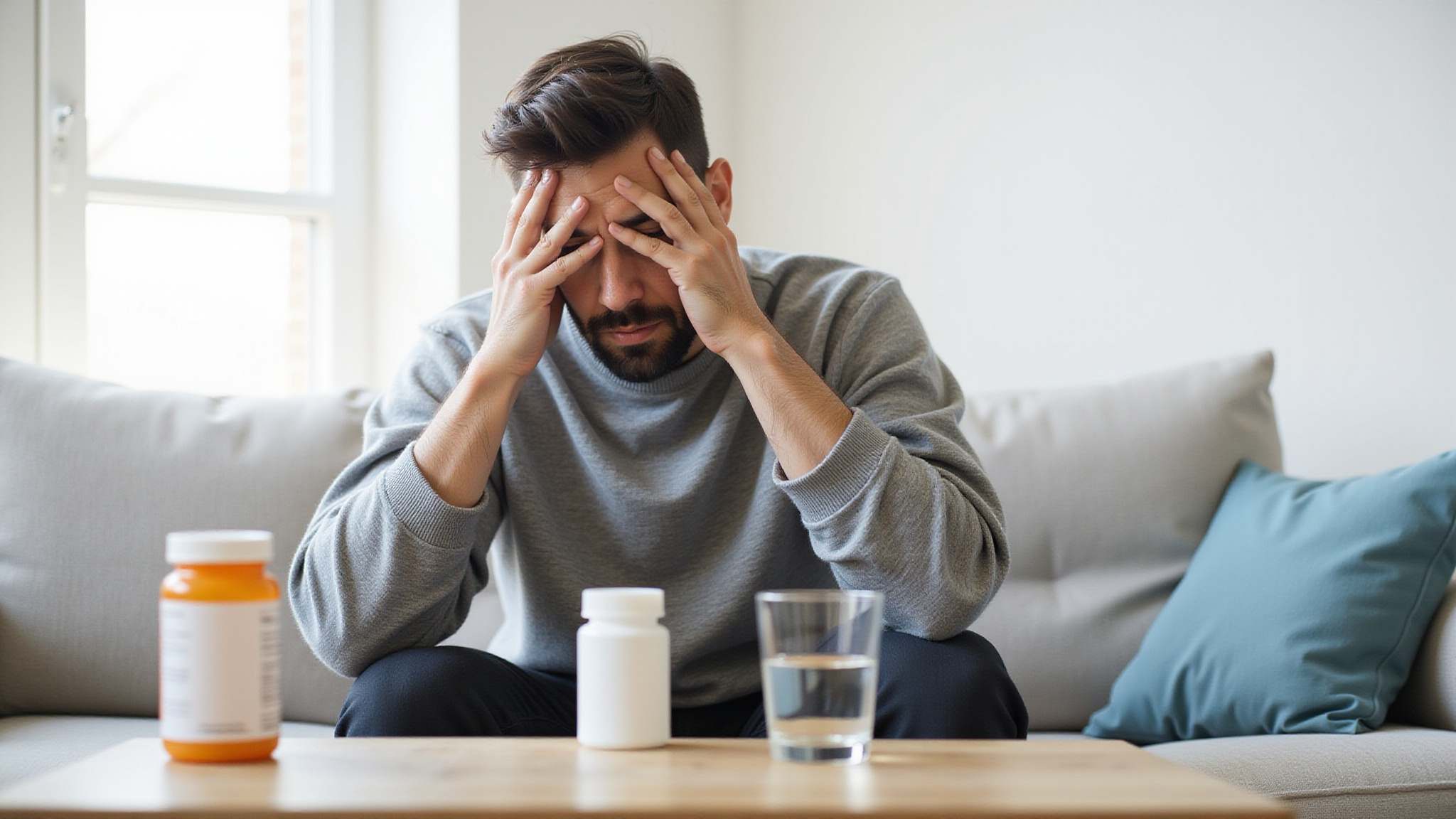
No, there is no cure in the sense of a treatment that removes the condition permanently. What exists is something closer to how diabetes or asthma are handled: effective long-term management that lets people work, hold relationships, and stay alive. Medication combined with behavioral therapy is the strongest approach available, and it reduces cravings, relapse, and overdose death substantially. That is not a cure, but the outcomes are better than the word suggests.
Key Takeaways
- There is no outright cure for heroin addiction, but highly effective treatments enable long-term recovery and management.
- Addiction is treated as a chronic disease, much like diabetes or asthma, requiring ongoing care rather than a one-time fix.
- The strongest recovery path combines medication such as methadone, buprenorphine, or naltrexone with behavioral therapy.
- Medication-assisted treatment restores normal brain function, reduces cravings, and blocks heroin’s euphoric effects.
- Cognitive-behavioral therapy, support groups, and continued care sustain lasting recovery after detox.
Is there a cure for heroin addiction

There’s no outright cure for heroin addiction, but there are highly effective treatments that let you manage it much like a chronic disease such as diabetes or asthma. Just as you’d manage those conditions with ongoing care, heroin addiction treatment restores normal brain function and helps you rebuild your life. Medications for opioid use disorder, the gold standard of care, reduce your cravings, lower relapse and overdose risk, and decrease your chances of contracting HIV or Hepatitis C. When you combine these medications with behavioral therapies and social support, you see marked improvements, including returning to work or school. So while there’s no single fix for opioid addiction, you can achieve lasting recovery by following your doctor’s instructions and staying engaged with treatment long-term.
Why is heroin addiction considered a chronic disease
Heroin addiction is considered a chronic disease because it fundamentally alters how your brain functions, much like diabetes changes how your body processes insulin or asthma affects your airways. Once these changes take hold, you can’t simply will them away. That’s why treating heroin addiction parallels managing any long-term condition: it requires ongoing care rather than a one-time fix. Your brain’s reward system, cravings, and stress responses stay affected long after you stop using, which is why relapse can happen without proper support. During the process of recovery, understanding the heroin withdrawal timeline can provide insight into what to expect as your body adjusts.
Understanding this helps reframe heroin recovery as a process, not a failure. When you use medications according to your doctor’s instructions and stay engaged in treatment, you restore normal brain function over time, just as you’d manage diabetes with consistent, evidence-based care.
What treatment options are available

Several proven treatment options are available, and the most effective approach usually combines two elements: medication and behavioral therapy.
The strongest path to recovery pairs medication with behavioral therapy, two proven elements working together for lasting results.
You have several approved medications to review. Methadone blocks euphoric effects and relieves cravings without grogginess. Buprenorphine reduces cravings without producing a high, and Suboxone adds naloxone to deter misuse. Naltrexone, which is nonaddictive, interferes with heroin’s pleasurable effects. Lofexidine eases withdrawal symptoms directly.
You’ll choose between maintenance therapy, where you stay on a stable dose of a medication long-term, or detox, where you gradually withdraw toward abstinence.
Pairing medication with cognitive-behavioral therapy and contingency management strengthens your results. These therapies help you change thought patterns while rewarding drug-free progress, giving you the best chance at lasting recovery.
How does medication-assisted treatment work
Medication-assisted treatment works by restoring normal brain function so you can focus on recovery rather than cravings. Medications like methadone and buprenorphine reduce your cravings and block heroin’s euphoric effects without causing grogginess or a high. Naltrexone, which is nonaddictive, interferes with your ability to experience pleasure from heroin, while lofexidine eases withdrawal symptoms directly. Your prescriber adjusts your dosage over several weeks and monitors your progress through regular check-ups. Think of it like managing a chronic disease such as diabetes or asthma. You take medication according to instructions to stay stable. When combined with behavioral therapies and counseling, medication-assisted treatment lowers your relapse and overdose risk and reduces HIV and Hepatitis C transmission.
What role do therapy and support play
Therapy and support address the thoughts and behaviors that drive addiction, while medication stabilizes your brain chemistry. Cognitive-behavioral therapy helps you change the thought patterns and actions that fuel heroin use, and it works especially well when paired with medication. Contingency management rewards you for staying drug-free, reinforcing progress alongside medication. Research consistently shows that integrating behavioral and pharmacological treatments is the most effective approach for many people, and counseling engagement increases success rates for those on medication.
Support doesn’t end with clinical care. Structured outpatient programs provide therapy and accountability while you continue working and living at home. Peer support groups offer connection throughout recovery. After detox, you’ll need ongoing support for at least six months to maintain abstinence.
How do you manage heroin addiction long term
Managing heroin addiction long term means treating it like any other chronic condition, such as diabetes or asthma. You’ll follow your doctor’s instructions consistently, since long-term recovery holds best when medications are used as prescribed. Methadone maintenance typically continues for at least 12 months, with no fixed endpoint, so you’ll stay engaged for as long as it helps.
Your ongoing plan typically includes:
- Regular check-ups that monitor your dosage and progress
- Continued behavioral therapy alongside your medication
- Support for at least 6 months after any detox
- Connection to peer support groups or local treatment services
- Long-acting options such as extended-release buprenorphine, needing only weekly or monthly visits
How do you find effective treatment
Find effective treatment by contacting your doctor or a local treatment center, either of which can provide an assessment and connect you to the right level of care. Look for a program that combines medication with behavioral therapy, since research shows this integrated approach works best for many people. Ask whether the program offers medication-assisted treatment directly or refers out for it, and whether therapy is included rather than billed separately.
Outpatient options such as intensive outpatient and partial care provide structure while allowing work and family commitments to continue, which makes long-term engagement more sustainable. Ask about aftercare planning too, since the months following initial treatment carry the highest relapse risk and are where continued support matters most.
Conclusion
The honest answer to the question is no, and that answer is less discouraging than it first appears. Nobody expects a cure for asthma or type 1 diabetes, and nobody treats managing those conditions as failure. Opioid use disorder sits in the same category, and the treatments available for it produce outcomes as good as those for many chronic illnesses.
What that means practically is that the goal is not a finish line. Someone stable on buprenorphine for years, working and present with their family, has not fallen short of recovery. They are living it. The measure that matters is whether life is functioning, not whether medication has been discontinued.
You Deserve a Safer Path Forward
Heroin has taken so much, but reaching out for help right now can change the entire direction of your story. At The Hope Institute in Oakland, NJ, our caring team offers compassionate outpatient Heroin Addiction Treatment with medical safety, warmth, and understanding at every step. Call +1 (855) 659-2310 today and let us walk with you toward a safer tomorrow.
Frequently Asked Questions
How long do people usually stay on medication?
There is no standard endpoint, and that surprises people who expect a set course. Twelve months is a common minimum, but many stay on medication for years and some indefinitely, and outcome data supports that choice: discontinuation is associated with sharply higher relapse and overdose risk regardless of how long someone has been stable. The decision to taper is usually driven by the person’s circumstances rather than a clinical deadline.
What is the difference between methadone and buprenorphine in practice?
Access is the main practical difference. Methadone is dispensed through licensed opioid treatment programs, usually requiring daily visits at the start, while buprenorphine can be prescribed by any qualified provider and filled at a regular pharmacy. Methadone is a full opioid agonist and often works better for people with high tolerance. Buprenorphine has a ceiling effect that makes overdose less likely and offers far more scheduling flexibility.
Does naltrexone work as well as the other two?
It works well for people who complete induction, but that is the difficulty. Naltrexone blocks opioid receptors entirely, so it requires seven to ten days fully opioid-free before the first dose, and many people relapse during that window. For those who get through it, the extended-release injection provides a month of coverage with no daily decision. It tends to suit people with strong external structure, such as court supervision or professional monitoring.
Why do some programs refuse to offer medication?
Some abstinence-based programs treat any opioid medication as continued use, a view rooted in older recovery philosophy rather than current evidence. Major medical bodies do not share it, and the outcome data on overdose reduction is not close. This matters when choosing a program, because an abstinence-only requirement can mean losing access to the most effective available treatment. It is worth asking directly before enrolling.
What does successful long-term recovery actually look like?
Less dramatic than people expect. It usually looks like steady work, repaired relationships, stable housing, and health issues being addressed, with medication as an unremarkable part of the routine. Cravings become occasional rather than constant. Many people do experience a lapse at some point, and the ones who recover well are generally those who returned to treatment quickly rather than those who never slipped.