Successful drug treatment requires a systematic approach, starting with meticulous medical and psychological assessments to create your personalized recovery plan. You’ll need supervised detoxification for safe withdrawal, followed by evidence-based behavioral therapies and counseling. Building a strong support network and establishing healthy daily routines are vital for long-term success. Engaging in trauma-informed care and relapse prevention strategies will strengthen your recovery foundation. The expedition ahead offers proven pathways to lasting wellness. How professional drug treatment works involves multiple stages that ensure comprehensive care. This encompasses not only medical support but also emotional and social resources to cultivate resilience.
The Initial Assessment and Screening Process

Every successful drug treatment program begins with a thorough initial assessment and screening process. During this all-encompassing needs assessment, you’ll undergo detailed evaluations of your substance use patterns, including specific drugs used, frequency, and duration. Healthcare providers will document your complete medical history and current health status while conducting a psychological examination to identify any co-occurring mental health conditions. A critical goal is to establish baseline measurements for monitoring your progress throughout treatment. The assessment also examines your social environment, including living conditions, employment status, and legal situations that might impact your recovery. You’ll discuss previous treatment attempts, withdrawal experiences, and family history of substance use. The comprehensive evaluation typically requires a 90-minute session. This information helps create an individualized treatment plan with realistic, measurable objectives. The screening process guarantees all aspects of your health, physical, mental, and social, are considered when developing your recovery strategy. Careful assessment also ensures that treatment aligns with your cultural and personal values.
Medical Evaluation and Detoxification Safety
Medical evaluation and detoxification represent critical initial steps in your treatment path, requiring careful clinical oversight to safeguard safety and efficacy. Your comprehensive assessment includes physical exams, blood tests, and substance screenings to establish a baseline for medication management. During detox, you’ll receive personalized care focused on withdrawal symptom reduction and stabilization, with continuous monitoring of your essential signs and mental status. The acute medical management of life-threatening conditions requires immediate attention and specialized protocols. Attempting to detox at home can be dangerous and potentially fatal without proper medical supervision. The detoxification period typically requires one to three weeks for full physical stabilization.
Medical detox combines thorough evaluation with personalized care to ensure safe withdrawal and stabilization under expert clinical supervision.
- Clinical teams provide targeted medications to address specific withdrawal symptoms like anxiety, tremors, and seizure risks
- Nutritional support and hydration protocols maintain your physiological stability
- Round-the-clock supervision guarantees rapid response to any medical complications
- Integrated psychosocial support helps orient you to the treatment environment
Your individualized detox plan considers your substance use history, medical conditions, and previous treatment experiences to optimize safety and effectiveness.
Customized Treatment Program Development

Your customized treatment program begins with a sophisticated analysis of multiple data points, integrating medical, psychiatric, and substance use assessments to create a precisely crafted intervention strategy. Through data-driven planning, your care team utilizes genetic testing, biomarker analysis, and validated diagnostic tools to identify co-occurring conditions and potential treatment barriers. Active patient involvement ensures your treatment goals and preferences are incorporated into the decision-making process. Research shows that genetic factors contribute to at least half of addiction vulnerability. The integration of personalized medicine enables healthcare providers to more accurately predict treatment responses and disease susceptibility.
Multidisciplinary collaboration guarantees you’ll receive targeted therapies that align with your specific needs. Your treatment may combine CBT, motivational interviewing, and holistic approaches, adjusted based on your response patterns. You’ll benefit from real-time monitoring through wearable technology and telehealth options, allowing for swift modifications when needed. The program’s success relies on continuous assessment of your progress, with your care team making evidence-based adjustments to maintain ideal therapeutic outcomes.
Building a Strong Support Network
Building an effective support network amplifies the success of your personalized treatment program through strategic social connections and structured support systems. By expanding social networks with recovery-focused individuals and engaging community resources, you’ll strengthen your path to sustained recovery. Studies show that larger networks of supportive, abstinent connections considerably reduce relapse risk and improve treatment outcomes. Research consistently demonstrates that greater social support predicts higher treatment retention and improved abstinence outcomes. Peer recovery support services provide non-clinical peer support that enhances the overall treatment experience. Engaging in peer support groups offers mutual benefits between members and facilitators, enhancing overall recovery outcomes.
- Join peer support groups and mutual help organizations, which demonstrate 86% abstinence rates at six-month follow-up
- Cultivate relationships with family members who actively support your recovery goals and reinforce positive coping strategies
- Connect with recovery-oriented community organizations to access additional resources and reduce isolation
- Evaluate and adjust your social circle regularly, limiting exposure to individuals who may compromise your recovery progress
Maintaining quality connections across these support channels creates a sturdy foundation for long-term recovery success and enhanced well-being.
Behavioral Therapy and Counseling Approaches
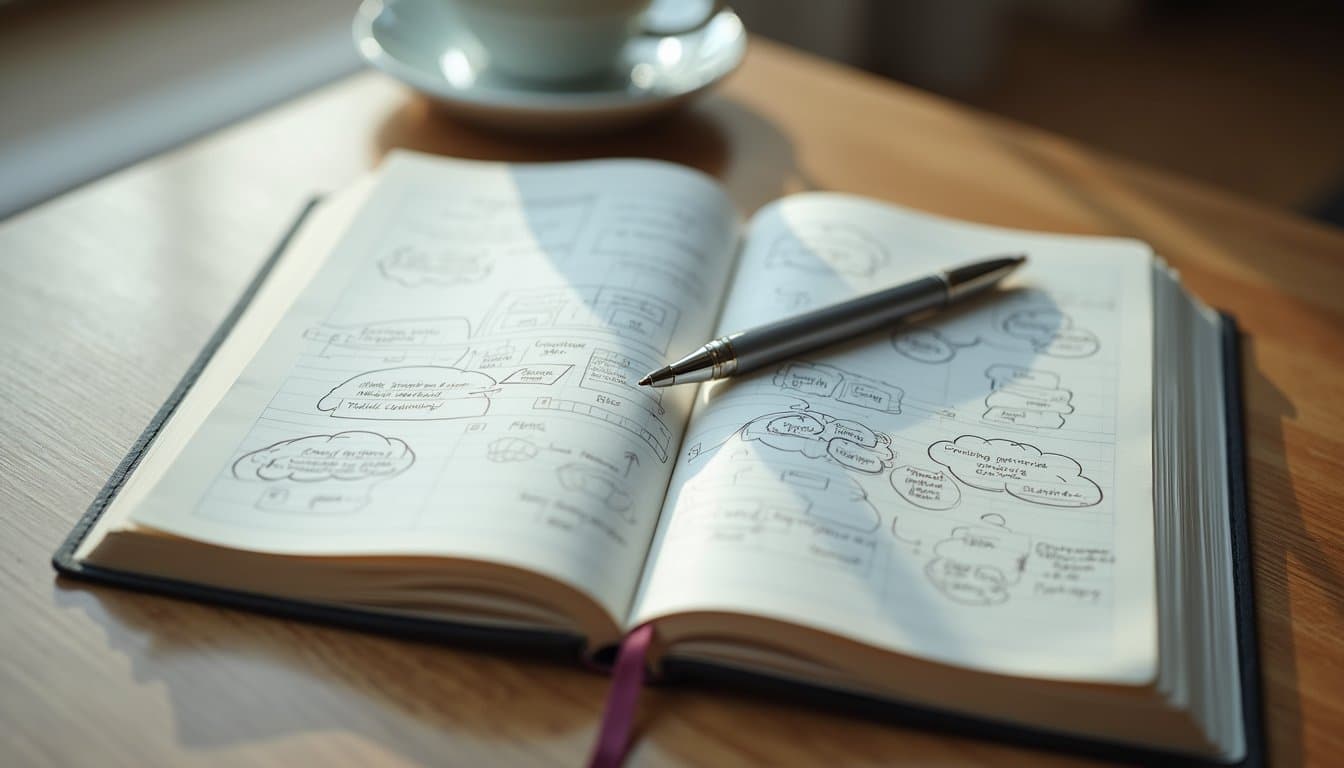
Through evidence-based behavioral therapy, you’ll learn essential cognitive skills like identifying triggers, restructuring negative thought patterns, and developing healthier coping mechanisms. Your participation in group support settings can bolster your recovery by providing peer validation and real-world feedback while practicing these new behavioral strategies. Utilizing proven techniques like motivational interviewing can effectively address uncertainty about making positive changes in substance use behaviors. When combined with trauma-informed counseling techniques, which address underlying psychological factors, you’ll gain a robust toolkit for maintaining long-term sobriety and improved mental health outcomes. Studies indicate that combining cognitive behavioral therapy with pharmacological treatments improves substance use frequency outcomes compared to usual care. Research shows that personalized treatment approaches can significantly improve the effectiveness of cognitive behavioral therapy and reduce relapse rates.
Cognitive Behavioral Skills Training
Cognitive Behavioral Skills Training represents a cornerstone of effective drug treatment recovery, integrating multiple evidence-based techniques to modify thoughts, behaviors, and coping strategies. Through cognitive bias modification and emotion-focused processing, you’ll learn to identify and challenge negative thought patterns while developing healthier coping mechanisms. Best drug treatment approaches often incorporate a holistic perspective, addressing not just the psychological factors but also the physical and social aspects of recovery.
- Master mindfulness and relaxation techniques to manage stress and reduce anxiety-driven substance use urges
- Engage in structured problem-solving exercises to tackle challenges systematically and build confidence
- Practice behavioral activation to counter avoidance patterns and establish positive daily routines
- Develop essential skills through role-play and real-world assignments, focusing on communication and assertiveness
This thorough approach combines cognitive restructuring with practical skill development, helping you maintain long-term recovery through evidence-based strategies that target both thoughts and behaviors.
Group Support Dynamics
Support groups form a critical cornerstone of effective drug treatment, leveraging the collective power of shared experiences and peer dynamics to bolster recovery outcomes. You’ll find that group settings promote accountability while fostering essential interpersonal dynamics through real-time feedback and emotional support. Cultural diversity within groups enriches the recovery experience, as members learn from varied perspectives and coping strategies.
Trained facilitators guide these therapeutic environments, ensuring balanced participation and implementing evidence-based techniques. You’ll develop pivotal communication skills while building trust and empathy with peers who understand your challenges. Research confirms that group therapy matches individual treatment in effectiveness, with over 90% of facilities utilizing this approach. The combination of peer support, structured guidance, and community building creates a powerful foundation for sustained recovery success.
Trauma-Informed Counseling Techniques
While treating substance use disorders effectively requires a multi-faceted approach, trauma-informed counseling has emerged as a pivotal component of extensive recovery programs. You’ll find that trauma-focused intervention integrates evidence-based techniques like EMDR, TF-CBT, and Somatic Experiencing to address underlying trauma that often drives substance use. Culturally responsive counseling guarantees that treatment aligns with your unique background and experiences. Residential drug treatment for recovery provides a structured environment for individuals seeking to overcome addiction.
- Cognitive Processing Therapy helps you challenge and modify trauma-related beliefs through structured 12-week sessions
- Mindfulness and DBT techniques strengthen your emotional regulation and stress management skills
- Body-based approaches like Sensorimotor Psychotherapy support holistic trauma processing
- Regular assessment and feedback loops confirm your treatment remains effective and adaptable
Understanding Relapse Prevention Strategies
Building a strong support network is vital to your recovery success, as research shows that social connections substantially reduce relapse risks. You’ll need to systematically identify your personal triggers, whether they’re emotional states, specific locations, or social situations, and develop concrete strategies to manage each one effectively. Working with your counselor and support group, you can create a detailed relapse prevention plan that incorporates proven coping mechanisms and establishes clear action steps for high-risk situations.
Building Resilience Through Support
Maintaining long-term recovery requires an all-encompassing strategy built on resilience and reliable support systems. You’ll find success by developing positive identity through meaningful connections and cultivating gratitude within supportive environments. Professional guidance, combined with peer support, offers vital accountability and expertise for your recovery journey.
- Engage regularly in support groups like AA, NA, or SMART Recovery to share experiences and gain wisdom from others’ paths
- Build a network of sober individuals who understand and champion your recovery goals
- Practice mindfulness and emotional regulation techniques to strengthen your resilience against triggers
- Establish structured routines that include therapy sessions, exercise, and healthy social activities
This thorough approach ensures you’re equipped with both internal strength and external support to maintain lasting recovery.
Identifying Personal Trigger Points
A thorough understanding of personal triggers forms the foundation of successful relapse prevention. You’ll need to identify both internal and external environmental factors that could jeopardize your recovery expedition. Through trigger journaling and mindfulness practices, you can track situations, emotions, and thoughts that precede substance use urges.
Your triggers might include stressful work situations, negative emotions, or social environments where substances are present. Even positive events can unexpectedly trigger cravings. 12 step program engagement helps you recognize these patterns while providing essential coping strategies. Consider working with counselors to map your personal trigger history and develop targeted avoidance plans.
Establishing Healthy Daily Routines
Developing healthy daily routines stands as a cornerstone of successful drug treatment recovery. Through therapeutic activity scheduling, you’ll create structure and stability that considerably reduces exposure to triggers and relapse risks. Activity-based habit tracking helps you establish predictable patterns that foster safety while maximizing your recovery capital through strategic time management.
Structured daily routines and therapeutic scheduling create vital stability, reducing relapse risks while building strong foundations for lasting recovery success.
- Dedicate 49.4% of your day to positive, structured activities, including work, exercise, and social engagement
- Schedule essential daily living tasks to occupy 22-25% of your time
- Integrate rest periods and recreational activities to maintain emotional regulation
- Connect regularly with support systems through group activities and therapy sessions
Your routine should balance consistency with flexibility, allowing you to adapt to life’s challenges while maintaining the structure necessary for sustained recovery success.
Long-term Recovery Maintenance
Successful long-term recovery maintenance requires an extensive, multi-faceted approach that extends well beyond initial treatment. You’ll need to build and actively maintain a strong support network through peer accountability reinforcement, including participation in support groups and regular contact with mentors or sponsors.
Your recovery expedition demands ongoing self-reflection and vigilant monitoring of potential relapse triggers. You must develop personalized coping strategies through CBT and life skills training while establishing meaningful pursuits that reinforce your identity as a person in recovery. Regular engagement in community activities, career development, or volunteer work will help combat isolation and build self-efficacy.
Don’t underestimate the importance of continued education about addiction and maintaining connections with counselors who can provide timely feedback and guidance when challenges arise.
Holistic Wellness and Self-Care Practices
The holistic approach to recovery encompasses multiple dimensions of wellness, extending beyond traditional treatment methods to integrate physical, emotional, spiritual, and social healing practices. You’ll experience deeper therapeutic community engagement through extensive programs that combine evidence-based interventions with alternative therapies, fostering a spiritual awakening that supports lasting recovery.
- Participate in mindfulness-based cognitive therapy and meditation practices, which reduce depression relapse by up to 50% while enhancing emotional regulation
- Engage in physical wellness activities like yoga, nutrition counseling, and sleep hygiene to repair and strengthen your body
- Build strong social connections through peer support groups and family therapy to create protective barriers against relapse
- Delve into spiritual practices and nature-based interventions, which show positive outcomes in 85% of cases, supporting comprehensive healing
Recovery Happens One Real Step at a Time
From the outside, the path out of addiction can look overwhelming. It gets clearer with people walking it beside you. The Hope Institute guides drug treatment in New Jersey for the West Milford, NJ community. Call us at (855) 659-2310 or contact us to learn more.
Frequently Asked Questions
How Can I Maintain My Job While Attending Intensive Drug Treatment?
You can maintain employment while seeking treatment by leveraging scheduling flexibility and employer communication. Foremost, discuss your situation with HR or your supervisor to understand FMLA eligibility and workplace protections. Consider evening or weekend Intensive Outpatient Programs that accommodate work hours. If needed, request reasonable accommodations under ADA guidelines. Many employers will work with you to adjust schedules, allowing remote work options or modified hours during treatment.
What Are the Success Rates for Different Types of Addiction Treatments?
You’ll find treatment efficacy statistics vary greatly by addiction type. Alcohol addiction shows the highest success at 50-60%, while opioid treatment achieves 30-50% success rates with medication assistance. Program completion rates average 43%, with an extra 16% continuing care elsewhere. You’re more likely to succeed with longer treatment duration; six months or more leads to 68-71% abstinence rates. Keep in mind that aftercare involvement dramatically enhances your long-term recovery chances.
Will My Insurance Cover Alternative or Holistic Treatment Approaches?
Your insurance coverage options for alternative treatments vary greatly by plan and provider. Most commonly, you’ll find coverage for acupuncture and chiropractic care, while other treatment modalities like homeopathy or naturopathy rarely receive coverage. To optimize your benefits, you’ll need to obtain a referral from your primary physician and verify that treatments are deemed medically necessary. Check your specific plan details, as many insurers require pre-authorization and limit the number of covered visits.
How Do I Explain My Treatment Journey to My Children?
Use age-appropriate language to communicate progress with your children, keeping explanations simple and honest. Break down information into small, digestible pieces and utilize visual aids like calendars or drawings. Build family support by encouraging questions and allowing them to express their feelings through play or conversation. Remember to reassure them that you’re getting help to feel better and that medical professionals are there to support your recovery adventure.
Can I Continue Prescribed Medications While in Drug Treatment Programs?
Yes, you can typically continue your prescribed medications in drug treatment, but you’ll need to work with the program’s medical team to establish a medication management plan. They’ll evaluate your prescriptions and may adjust or create a tapered dosage schedule if needed. Many facilities allow necessary medications under strict supervision, especially those treating mental health conditions or supporting recovery. Always disclose your current prescriptions during admission for proper medical oversight.