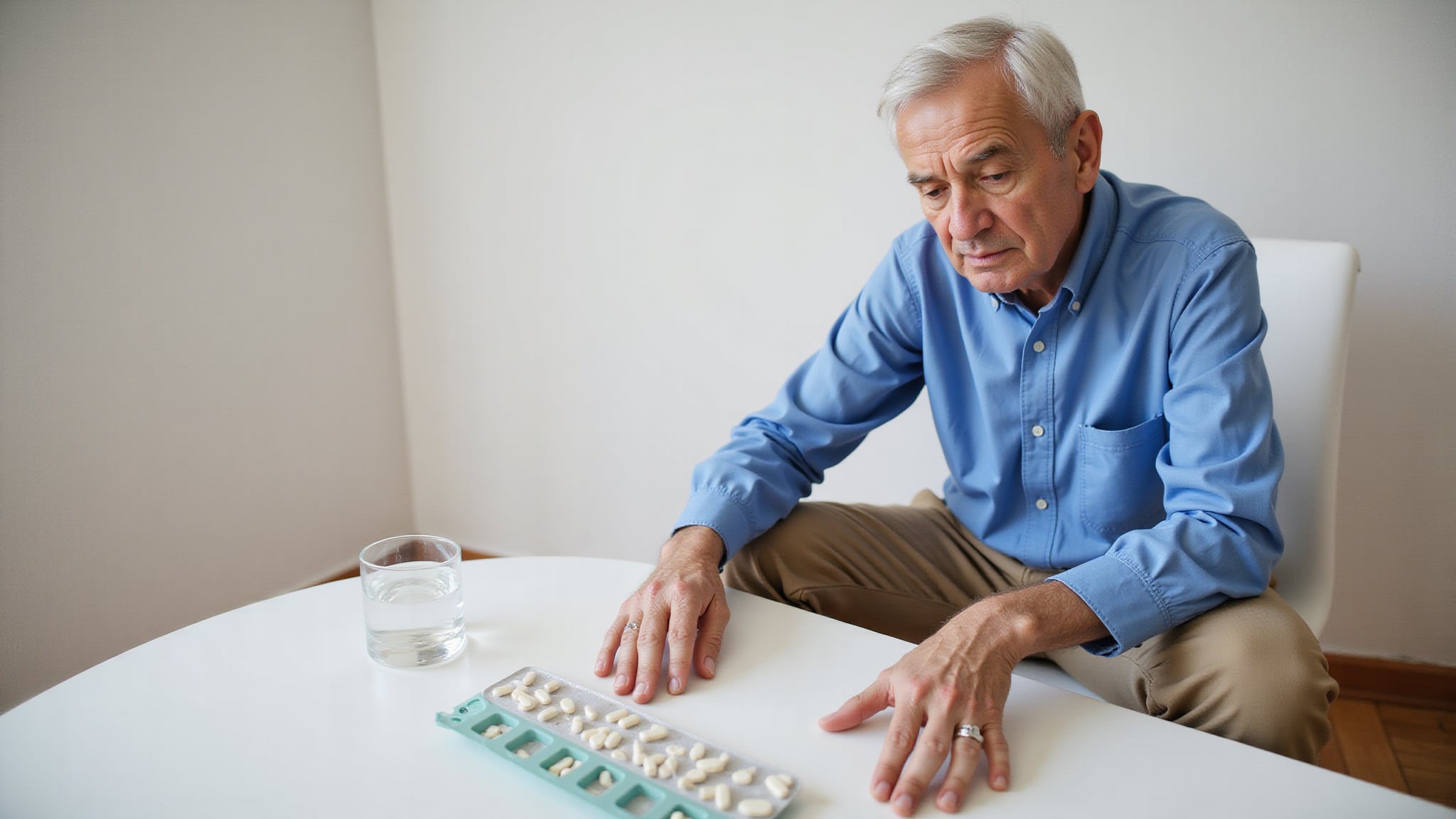
Emotional flatness after long-term fentanyl use is one of the least talked-about parts of recovery. Your brain’s reward and stress circuits adapt, so everyday pleasures like music, sunsets, or conversation feel muted while drug cues stay sharp. Clinicians call that blunted pleasure anhedonia, and it isn’t a character flaw. It’s distinct from depression, though the two can overlap, and it can quietly amplify craving. Studies suggest some brain changes improve within months, while others persist longer. Here’s what shapes that timeline and what helps rebuild feeling.
Key Takeaways
- Long-term fentanyl use reshapes the brain’s reward and stress circuits, muting everyday pleasures while sharpening drug cues.
- Emotional flatness is muted feeling, not sadness, and it is distinct from depression and withdrawal even though the three can overlap.
- Flatness strengthens craving because when nothing else registers, opioids can feel like the only relief.
- Recovery is gradual and uneven; some brain changes improve within six months, others take longer than a year.
- Medication for opioid use disorder, mindfulness-based approaches, and deliberately practicing everyday pleasures help rebuild the capacity to feel.
Why does emotional flatness follow long term fentanyl use

Emotional flatness after long-term fentanyl use likely stems from changes in how your brain processes reward, according to studies of opioid use disorder (OUD), though researchers haven’t pinned it to a single cause. Long-term opioid use can reshape reward, stress, and cognitive-control circuits, including the nucleus accumbens, amygdala, and prefrontal areas. These adaptations may make opioid cues more compelling while dulling your response to everyday rewards, like a pleasant image or a good conversation.
Over time, you might use less for pleasure and more to relieve withdrawal distress, a shift researchers call negative reinforcement. Withdrawal itself can bring dysphoria, anxiety, and irritability that temporarily intensify disconnection. Depression, chronic pain, or other health conditions can also contribute. Keep in mind most research examines OUD broadly, not fentanyl specifically, so your experience may differ.
What the flatness actually feels like from the inside
Emotional flatness feels like a muted quality to experience rather than outright sadness. You might watch a sunset, hear a favorite song, or hug someone you love and register that it should matter, yet feel little in response. Researchers call this reduced capacity for pleasure anhedonia, and studies of opioid use disorder show weaker responses to natural rewards like pleasant images. Drug-related cues may still grab your attention sharply, which can make everyday life seem dull by comparison. During withdrawal, the flatness can mix with irritability, anxiety, or dysphoria, leaving you feeling disconnected rather than calm. Your experience won’t match everyone’s, and overlapping depression, chronic pain, or medication effects can shape it. Feeling muted now doesn’t mean it’s permanent.
How receptor downregulation and lost endorphin production cause it

Receptor downregulation and lost endorphin production are often given as the reason a sunset or a favorite song stops landing the way it used to, but research hasn’t confirmed either as the sole cause. What studies of opioid use disorder show is broader:
- Your reward circuitry may grow more responsive to drug cues and less responsive to everyday pleasures.
- Regions like the nucleus accumbens, amygdala, and prefrontal cortex can respond differently to rewards and emotion.
- Over time, use may shift from producing pleasure to relieving withdrawal distress.
Most of this evidence comes from heroin, prescription opioids, or OUD generally, not fentanyl alone. It describes associations, not proof. Your flatness may overlap with depression, pain, or withdrawal, and it isn’t necessarily permanent.
How flatness differs from depression and from ordinary withdrawal
Flatness mutes pleasure so everyday rewards feel dim, while depression brings persistent low mood and acute withdrawal brings intense distress.
| Experience | What it tends to involve |
|---|---|
| Flatness | Muted pleasure; everyday rewards feel dim |
| Depression | Persistent low mood, often with hopelessness or guilt |
| Acute withdrawal | Dysphoria, anxiety, irritability, physical distress |
| Overlap | Symptoms can coexist and reinforce each other |
Research describes flatness as blunted positive affect: you may not feel sad so much as unmoved. Withdrawal tends to bring intense distress, whereas flatness can feel quieter. Studies don’t draw firm lines between these states, and flatness may overlap with depression, chronic pain, or medication effects. If you notice lasting emptiness, hopelessness, or thoughts of self-harm, tell a clinician. Sorting out what’s driving it shapes which treatment helps you most.
Why it drives relapse more often than craving does

Flatness may not drive relapse more often than craving does, but it can make craving stronger, because research suggests the two feed each other rather than acting as separate forces. When everyday rewards stop registering, opioid cues can feel louder by contrast. Studies point to linked patterns:
When everyday rewards stop registering, opioid cues can feel louder by contrast, and flatness can make craving stronger.
- You may respond less to natural rewards, like pleasant images, while drug cues draw stronger reactions.
- In 115 prescription-opioid users, depressed mood tracked with craving, partly through efforts to suppress unwanted thoughts.
- In mindfulness-based treatment research, stronger positive responses to natural rewards were linked to lower craving and less opioid misuse.
None of this proves flatness alone causes relapse, or that it outweighs craving. It does suggest that if you can’t feel much, use may start to look like the only relief available. That’s why rebuilding your capacity for ordinary pleasure deserves attention in recovery.
How Long Emotional Flatness Takes to Lift
The time it takes for emotional flatness to lift varies widely, and there’s no fixed timeline or fentanyl-specific estimate in the research. In one review, some brain oscillations normalized after about six months of methadone treatment among people with roughly 10 years of opioid use. Another review found certain reward-circuit differences persisting at 16 months, even as some connectivity measures improved with longer abstinence.
For you, that means improvement can be gradual and uneven. You might notice small returns of interest or pleasure before broader engagement comes back. Persistent findings in some studies don’t mean your flatness is permanent. Depression, chronic pain, or medication effects can also shape your pace, so it’s worth discussing lingering numbness with your treatment clinician.
What actually rebuilds the capacity to feel
Medication for opioid use disorder, mindfulness training, and deliberately savoring everyday pleasures all appear to help rebuild your capacity to feel, alongside the passage of time.
Healing isn’t only waiting. Treatment, mindfulness, and savoring small pleasures may help your brain relearn how to feel joy.
Research points to a few supports:
- Medication for opioid use disorder. MOUD is evidence-based care, and imaging studies suggest drug-cue responses may quiet during treatment or sustained abstinence.
- Mindfulness-Oriented Recovery Enhancement (MORE). In studies of chronic opioid users, MORE was linked to weaker opioid cue-reactivity and stronger responses to natural rewards.
- Deliberately savoring everyday pleasures. When your positive responses to natural rewards grow, craving tends to ease.
These findings come mostly from heroin and prescription-opioid research, not fentanyl specifically, and MORE isn’t a standalone treatment. Still, they suggest you aren’t simply waiting. You can actively help your reward system relearn ordinary joy.
Conclusion
Emotional flatness after long-term fentanyl use is a documented effect of opioid exposure on the brain’s reward system, not a personal failing. It can look like depression, blur into withdrawal, and quietly feed craving. Recovery is uneven and varies by person, but medication for opioid use disorder, mindfulness-based approaches and deliberately practicing everyday pleasures all give the reward system a path back. If the numbness lingers, tell a clinician rather than waiting it out.
Get Help Rebuilding Feeling After Fentanyl
If emotional flatness after long-term fentanyl use is making recovery feel pointless, you don’t have to wait it out on your own. The Hope Institute treats fentanyl and opioid addiction on an outpatient basis in West Milford, NJ, with therapy and counseling alongside dual diagnosis treatment for the depression and anxiety that often sit underneath the numbness. Learn more about our heroin and opioid addiction treatment or contact us to verify your insurance or call (855) 659-2310.
Frequently Asked Questions
Can People Prescribed Fentanyl for Chronic Pain Also Experience Emotional Flatness?
Yes, you can, though it isn’t inevitable. Studies of chronic prescription-opioid users suggest they may respond less to everyday rewards, but most research examines opioids broadly, not prescribed fentanyl specifically. Your chronic pain, depression, or withdrawal between doses can also mute your feelings, so you can’t pin flatness on one cause. If you’re noticing it, tell your prescriber. They can help you sort out contributors and adjust your care safely.
How Can Family Members Tell if a Loved One Feels Emotionally Flat?
You might notice your loved one seems less interested in activities, people, or moments they once enjoyed. They may describe feeling numb, show fewer positive reactions, or respond more to drug-related cues than everyday rewards. Don’t assume opioids explain everything: depression, anxiety, chronic pain, withdrawal, or medication effects can look similar. Ask gently how they’re feeling, listen without judgment, and encourage them to discuss these changes with a trusted clinician.
Can Medications Like Buprenorphine or Methadone Contribute to Feeling Emotionally Blunted?
Possibly, but the evidence doesn’t prove it. Some people on long-term buprenorphine report flat affect, yet researchers haven’t shown the medication causes it. With methadone, one review found some brain oscillations normalized after about six months of treatment. Your flatness might also reflect depression, chronic pain, withdrawal, or lingering reward-system changes. If you’re feeling muted, talk with your prescriber before changing anything, since MOUD remains evidence-based care that supports recovery.
How Should Someone Describe Emotional Flatness to Their Doctor or Counselor?
Describe what’s changed, when it started, and how it affects your daily life. Tell them which activities no longer feel rewarding, whether positive feelings seem muted, and how often it happens. Mention your fentanyl use history, current medications, withdrawal symptoms, cravings, sleep, pain, and mood. Flatness can overlap with depression, anxiety, or medication effects, so specific examples help your clinician identify causes and tailor treatment. You don’t need perfect words.
Is Emotional Flatness After Fentanyl Use a Sign of Permanent Brain Damage?
No, current evidence doesn’t show that emotional flatness means permanent brain damage. Long-term opioid use can change reward circuits, dulling your response to everyday pleasures, but studies show some measures improve during sustained abstinence or treatment, though timelines vary from person to person. Most research examines opioids broadly, not fentanyl specifically. Depression, withdrawal, or pain can also contribute, so it’s worth discussing your symptoms openly with your doctor or counselor.