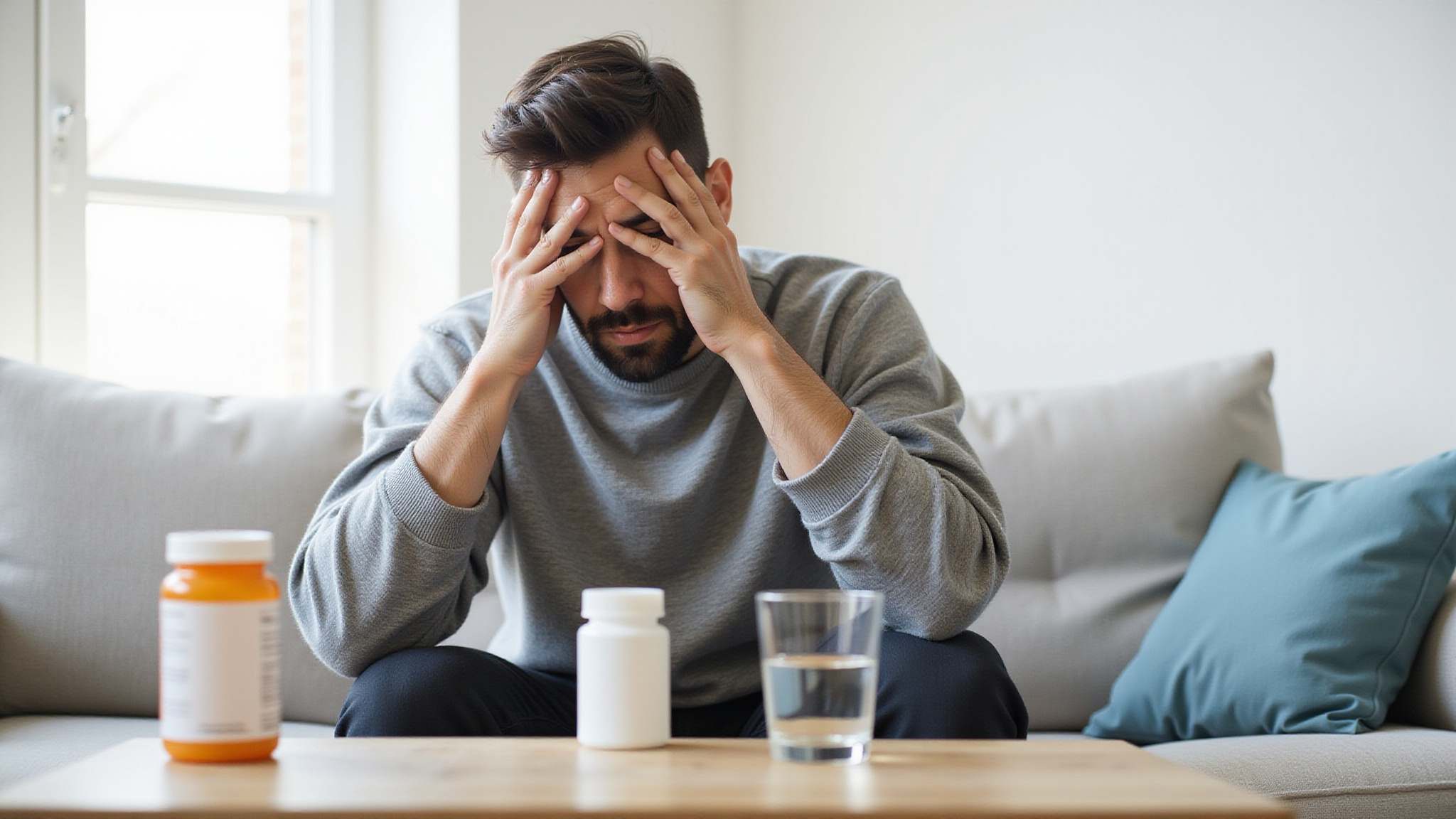
The new year offers you a powerful opportunity to embrace addiction recovery, with research showing that 57% of people achieve 12-month abstinence with proper support and over 29 million Americans have already resolved substantial substance use problems. You’re not starting from scratch, you’re starting with experience and renewed determination. Treatment access is expanding, medication options are more available than ever, and success rates climb considerably over time. Understanding what’s working for others can help guide your own path forward.
The Power of a Fresh Start in Recovery

When you’re standing at the threshold of a new year, something shifts inside, a sense that change isn’t just possible but within reach. This moment can transform your recovery perspective and spark genuine hope for what’s ahead.
Research shows recovery journeys average five attempts before success, each fresh start builds your foundation stronger. Programs emphasizing structured beginnings see graduation rates of 80%, with participants achieving 43% improvement in recovery capital. Encouragingly, around 75% of people seeking recovery from substance use problems ultimately achieve their goal.
Your recovery mindset matters profoundly during this season. Early recovery initiation links directly to better long-term functioning, and 72.2% of adults with substance use history now self-identify as being in recovery. Recovery addresses more than symptoms, it helps individuals rebuild lives and reconnect with families and communities.
Building recovery confidence takes time, but self-belief grows with each step forward. The new year offers you permission to begin again. Navigating the aftercare journey is essential for maintaining progress and fostering resilience. It is important to reach out for support and utilize available resources along the way.
Understanding Recovery Success Rates That Inspire Hope
Beyond mindset and fresh starts, concrete numbers tell a powerful story about recovery’s promise. Nearly 75% of people with addiction eventually recover, offering genuine recovery encouragement when you need it most. Your journey isn’t hopeless, it’s statistically likely to succeed. Going back to work after treatment can be a significant milestone in the recovery journey. It often involves not only a return to professional responsibilities but also an opportunity to rebuild relationships and confidence.
| Recovery Milestone | Success Rate |
|---|---|
| 12 months abstinence (with support) | 57% |
| 5+ years sobriety maintenance | 85%+ |
These figures demonstrate that recovery support and persistence pay off. After five years of continuous sobriety, relapse rates drop below 15%. This emotional renewal you’re seeking isn’t wishful thinking, it’s backed by evidence. Building recovery after rehab involves understanding the importance of community and support networks. Engaging with others who share similar experiences can greatly enhance your journey.
What fuels recovery motivation? Understanding that the median person makes two serious attempts before resolving their substance use problem. Each attempt builds strength. You’re not failing; you’re progressing toward lasting change. With over 17,000 treatment facilities across the United States, help is more accessible than ever before. Additionally, approximately 29.3 million U.S. adults have already walked this path and resolved a significant substance use problem, proving that lasting recovery is achievable.
Treatment Access Improvements Making a Difference

Although treatment access has historically been a barrier for many seeking help, recent legislative changes are creating real pathways to recovery. The SUPPORT Reauthorization Act, signed into law in December 2025, extends critical funding through 2030 and expands Medicare and Medicaid services for addiction treatment.
You’ll find improved access to medications for addiction treatment, which supports your recovery stability during challenging moments. The legislation allocates $505 million for overdose prevention and $38 million for specialized residential programs serving pregnant and postpartum women. Additionally, $57 million supports first responder training to ensure emergency personnel can provide life-saving interventions during overdose situations.
These improvements strengthen your emotional grounding by ensuring treatment remains available when you need it most. Workforce development programs are also expanding, meaning more trained professionals can support your journey. The legislation includes a loan repayment program specifically designed to grow the substance use disorder treatment workforce. With enhanced funding and permanent Medicaid waivers for residential treatment, you’re better positioned to maintain recovery continuity throughout the year ahead.
Setting Meaningful Goals for Sobriety in the New Year
Because lasting recovery thrives on intentional direction, setting meaningful goals helps you channel your renewed energy into concrete actions. Using the SMART framework builds forward momentum while keeping expectations realistic.
| Goal Element | Recovery Application |
|---|---|
| Specific | Attend two support meetings weekly |
| Measurable | Journal 15 minutes daily for emotional balance |
| Achievable | Break sobriety into monthly milestones |
| Time-bound | Complete 90 days of consistent practice |
Write your goals down and post them where you’ll see them daily. Track progress through weekly check-ins with your sponsor or therapist. When you hit milestones, even small ones like handling a trigger well, celebrate them. These victories strengthen your resilience and reinforce motivation. Remember, you’re building sustainable habits, not chasing perfection. Setting recovery goals provides a sense of purpose and direction, helping you stay focused on the present while working toward a better future. These small victories build confidence and keep you motivated as you progress through each phase of your recovery journey.
Building a Support Network for Lasting Recovery

When you surround yourself with people who support your sobriety, you’re considerably more likely to maintain lasting recovery. Research shows that social networks with higher proportions of abstinent individuals correlate directly with sustained sobriety rates, while networks containing substance users greatly increase relapse risk.
You don’t have to build this network alone. Approximately 2.1 million people participated in self-help groups in 2019, and 73% of opioid users in mid-recovery attended mutual-help organizations. These connections foster personal growth and provide accountability during challenging moments.
Consider exploring peer support services, which are now integrated into over half of substance abuse treatment facilities. Recovery most often happens within communities where you live and work. Research demonstrates that social support operates at multiple levels, including both individual perceptions and the broader house or community environment. By actively cultivating supportive relationships, you’re investing in a foundation that strengthens with each passing year.
Medication-Assisted Treatment Options Available Today
If you’re exploring treatment options for opioid use disorder, you’ll find three FDA-approved medications available today: methadone, buprenorphine, and naltrexone. These medications work by reducing cravings, easing withdrawal symptoms, or blocking opioid receptors entirely, and when combined with counseling, they can achieve up to 50% long-term abstinence rates. Despite these proven benefits, only about 25% of adults who need this treatment currently receive it, which means expanded access remains a critical priority for recovery communities nationwide. With 5.9 million Americans aged 12 and older qualifying as having an opioid use disorder, the need for accessible medication-assisted treatment has never been more urgent. Research shows that medication-assisted treatment can reduce mortality risk by half, making it a life-saving intervention for those struggling with addiction.
FDA-Approved Medication Types
Although addiction recovery requires commitment and determination, you don’t have to face it through willpower alone. The FDA has approved several medications that can transform your addiction recovery outlook by reducing cravings and preventing relapse. Opioid use disorder patients receiving medication treatment are 50% less likely to experience fatal overdose.
FDA-approved medications include:
- Buprenorphine, A partial opioid agonist available as sublingual tablets or monthly Sublocade injections that reduces overdose risk by 76% at three months
- Methadone, A full opioid agonist dispensed through certified clinics that makes patients 4.44 times more likely to stay in treatment
- Naltrexone, An opioid antagonist blocking cravings, available as daily pills or monthly Vivitrol injections
- Acamprosate, Stabilizes brain chemistry for alcohol use disorder
- Disulfiram, Blocks alcohol metabolism to discourage drinking
These evidence-based treatments, combined with counseling, give you powerful tools for lasting recovery. Research shows that MAT not only addresses addiction but also improves mental health, with depression rates dropping from 54.1% to 23.3% among patients in treatment programs.
Treatment Facility Access Rates
Despite the proven effectiveness of medications like buprenorphine and naltrexone, accessing these treatments remains a significant challenge for many people seeking recovery. Currently, fewer than half of privately-funded treatment programs offer MAT, and only 23% of publicly funded facilities provide FDA-approved medications. This means you might face limited options depending on where you live or what insurance you carry.
Geographic barriers compound these challenges. Approximately 30 million Americans live in counties without a single buprenorphine prescriber, and rural communities often require long travel distances for medication access. However, there’s hope on the horizon. The elimination of X-waiver requirements now allows any physician to prescribe buprenorphine, potentially expanding your access to care. Recent legislative progress, including Act 45 of 2025, expands access to additional FDA-approved MAT for substance use disorders, particularly for incarcerated individuals who have historically faced treatment gaps. If you’re facing barriers, don’t give up, advocacy and policy changes are steadily improving treatment availability nationwide.
Opioid Recovery Medication Statistics
Understanding your medication options can feel overwhelming, but today’s FDA-approved treatments, methadone, buprenorphine, and naltrexone, offer proven pathways to recovery that weren’t widely accessible just years ago.
These medications work by reducing cravings and managing withdrawal symptoms, helping you focus on rebuilding your life. Access has expanded considerably, 85.1% of opioid treatment programs now offer buprenorphine, up from 67% in 2017.
Key medication facts you should know:
- Buprenorphine prescribing increased 303% from 2017-2021
- 52.7% of treatment facilities now offer naltrexone
- 3,985 programs provide all three medication options
- Methadone and buprenorphine effectively reduce cravings and withdrawal
- Continuing medication post-incarceration cuts fatal overdose risk by 52%
You deserve access to every available tool. These medications aren’t replacing one substance with another, they’re giving you a foundation for lasting recovery.
Long-Term Abstinence and What the Data Reveals
When you’re working toward recovery, understanding what the research shows about long-term abstinence can help you set realistic expectations and stay motivated. The data reveals that lasting sobriety often takes time, sometimes years, and multiple attempts before it becomes stable, which means setbacks don’t define your journey. Knowing these patterns can empower you to approach your recovery with patience and persistence.
Abstinence Rates Over Time
Although recovery statistics can feel overwhelming at first glance, the data reveals clear patterns that can guide your path forward. Understanding these trends helps you set realistic expectations while maintaining hope.
Key abstinence patterns you should know:
- If you’ve maintained sobriety for two years, your relapse risk drops to 40%
- Those reaching five years of sobriety show substantially lower relapse probability
- Approximately 30% of individuals with opioid use disorder remain abstinent at 10+ year follow-ups
- 71% of people in recovery experience at least one abstinence period lasting a month or longer
- Half of those who achieve stable recovery had four or more separate abstinence periods first
These numbers show that setbacks don’t define your journey. Each attempt strengthens your foundation for lasting recovery.
Years to Lasting Recovery
Everyone’s path to lasting recovery follows its own timeline, and the research confirms what many already sense, this journey often spans years, not months. Studies show the median time from first substance use to lasting recovery is 27 years, while the period from first treatment to stable recovery averages 9 years.
Your specific circumstances shape this timeline. If you started using before age 21, particularly before 15, your path may take longer. Multiple treatment episodes and high mental distress levels also extend the journey.
Here’s encouraging news: primary opioid use disorder often resolves after 8.4 years, while alcohol use disorder averages 21.9 years. These numbers aren’t meant to discourage you, they’re meant to normalize your experience. Recovery isn’t a sprint. Each day you invest builds toward lasting change.
Millions of Americans Thriving in Recovery Right Now
Millions of Americans are living proof that recovery works. You’re not alone in this journey, approximately 23.5 million adults who once struggled with substance use now consider themselves in recovery or fully recovered. That’s nearly three-quarters of everyone who’s ever faced addiction finding their way through.
The numbers tell a powerful story of hope:
- Over 22 million people have moved from active addiction to recovery
- Relapse rates drop below 15% after five years of sobriety
- 12.8 million individuals received treatment in 2023
- 2.1 million people participate in self-help groups annually
- 29.3 million adults have resolved significant substance use problems
You can join these millions who’ve reclaimed their lives. Recovery isn’t just possible, it’s happening right now across the country, and your fresh start awaits.
Recovery Is Always Possible
There’s no better time to start your recovery journey than today. At The Hope Institute, we provide trusted speak with our admissions team alongside our flexible Intensive Outpatient Program (IOP) to help you take the next step. Call (855) 659-2310 today and begin moving toward a healthier life.
Frequently Asked Questions
How Do I Handle Recovery Setbacks During the Holiday Season?
You can handle setbacks by reaching out to your support system immediately, don’t isolate yourself. Maintain your daily routines as much as possible, even when schedules get disrupted. Plan ahead for high-risk situations and have an exit strategy ready. If you slip, seek medical guidance rather than letting shame keep you silent. Remember, setbacks don’t erase your progress. They’re opportunities to strengthen your recovery toolkit and recommit to your journey forward.
What Should I Do if Family Gatherings Trigger Cravings?
If family gatherings trigger cravings, you’ll want to prepare ahead by identifying specific triggers, whether it’s certain people, locations, or emotional dynamics. Create an exit strategy you can use when overwhelmed. Reach out to a supportive family member who understands your recovery journey. Practice grounding techniques during stressful moments, and don’t hesitate to step away for brief breaks. Remember, setting healthy boundaries isn’t selfish, it’s essential for protecting your progress.
Can I Celebrate New Year’s Eve Without Risking My Sobriety?
Yes, you can absolutely celebrate New Year’s Eve while protecting your sobriety. Start by seeking out sober gatherings or recovery-focused events in your area, a quick search will reveal options designed specifically for people like you. Bring a sober friend who’ll provide support and accountability. Plan a polite exit strategy if you feel triggered. You don’t have to fear this night; with preparation, you can ring in the new year confidently.
How Do I Explain My Recovery Journey to New People?
You can share your recovery journey simply by focusing on where you are now, not every detail of your past. Start with what feels comfortable, maybe that you’ve made positive life changes or that you prioritize your health. You don’t owe anyone your full story. Remember, 29.3 million U.S. adults have resolved significant substance use problems, so you’re far from alone. Share at your own pace with people who’ve earned your trust.
What Are Healthy Alternatives to Alcohol at New Year’s Parties?
You’ve got plenty of great options! Try premium mocktails, non-alcoholic beers, or alcohol-free spirits, they’ve improved dramatically in flavor and quality. Functional beverages with adaptogens or botanical ingredients offer interesting alternatives too. Many restaurants now serve sophisticated non-alcoholic drinks that stand on their own. Sparkling water with fresh fruit or craft sodas also work well. Having a delicious drink in hand helps you stay engaged socially while honoring your recovery journey.