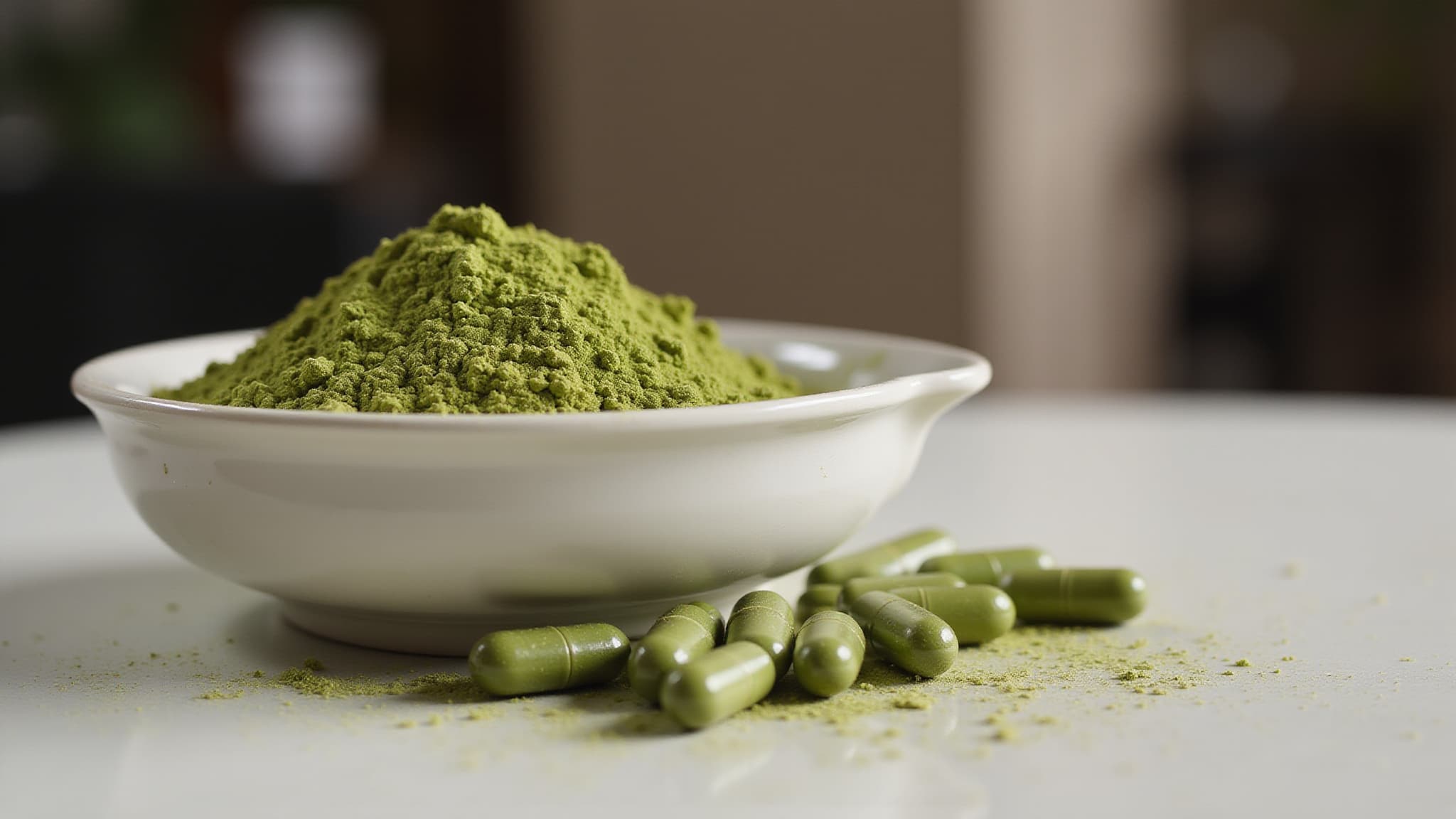
Maeng Da kratom is a strain of kratom, a product made from the leaves of the Mitragyna speciosa tree, which grows in Southeast Asia. It is sold as one of the strongest kratom varieties and is usually taken for energy, focus, or pain relief. Its main active compounds, mitragynine and 7-hydroxymitragynine, act on the same brain receptors as opioids. That is why regular use can lead to tolerance, dependence, and withdrawal. Its reputation as a natural energy aid leaves much of that risk out.
Key Takeaways
- Maeng Da is a marketing name for a kratom product sold as high potency, not a medically tested or standardized strain.
- At lower amounts kratom feels stimulating, and at higher amounts it produces opioid-like sedation and pain relief.
- Red, green, and white Maeng Da are marketed for different effects, but research has not confirmed clear differences between them.
- Daily use can cause physical dependence, with withdrawal symptoms such as muscle aches, irritability, insomnia, and strong cravings.
- Kratom addiction is treatable with outpatient therapy and, in some cases, medication used for opioid use disorder.
What Is Maeng Da Kratom?
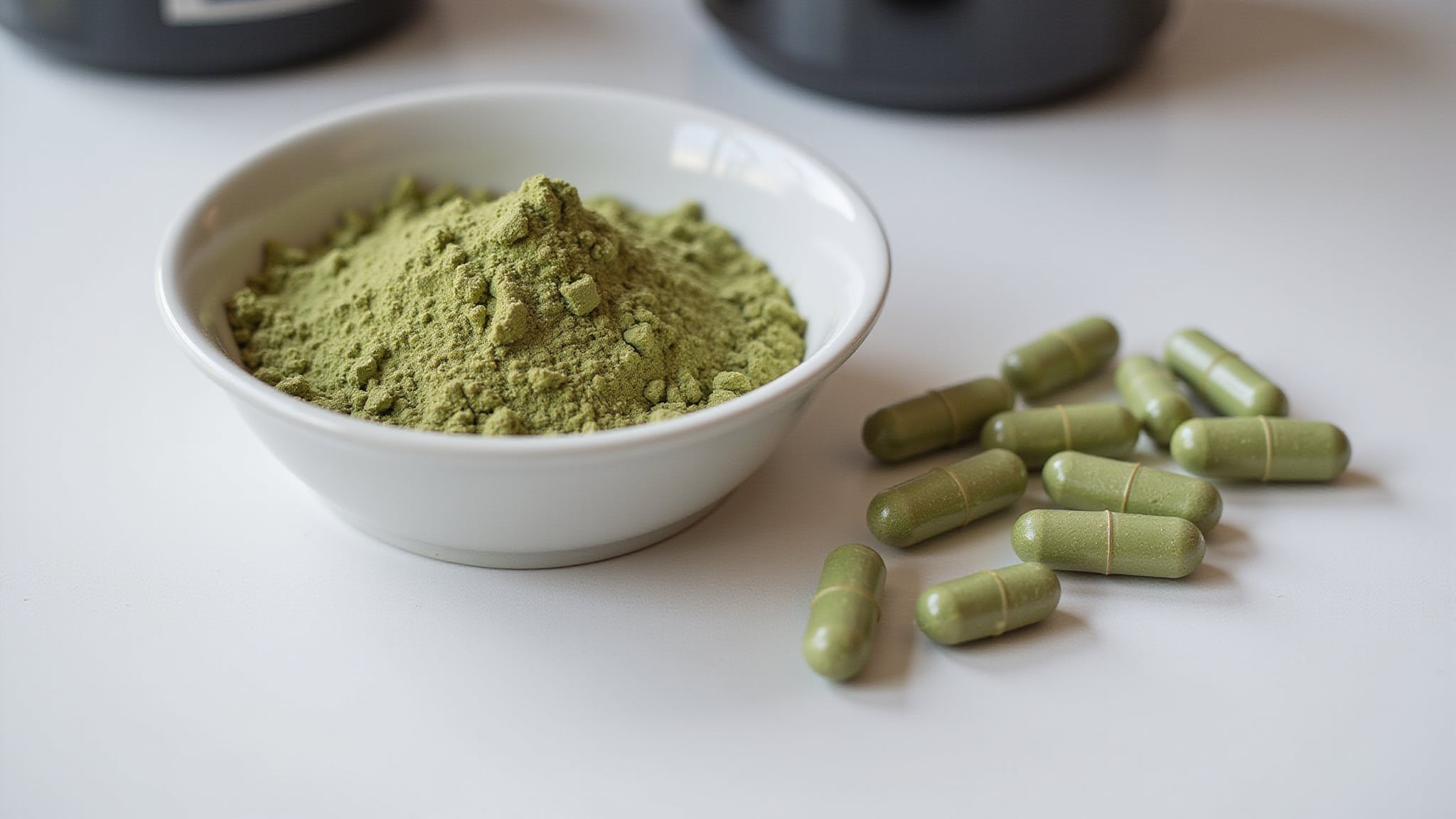
Maeng Da kratom is a type of kratom powder or capsule that sellers label as their most potent product. Kratom itself comes from a tropical evergreen tree in the coffee family, native to Thailand, Indonesia, Malaysia, and nearby countries. In those regions, workers have chewed the leaves for generations to fight fatigue.
The name Maeng Da is a Thai term that vendors use to signal a premium, high-strength product. There is no official standard behind it. The amount of active alkaloids can vary widely from one batch or brand to the next, so two products with the same label may affect you very differently.
Kratom is not approved for any medical use in the United States. It is sold as powder, capsules, tablets, liquid extracts, and shots, often in smoke shops and gas stations, with little quality control.
What Does Maeng Da Kratom Do to a Person?
Maeng Da kratom acts as a stimulant at lower amounts and as an opioid-like sedative at higher amounts. Effects usually begin within 5 to 10 minutes and can last 2 to 5 hours.
- Lower amounts: more energy, alertness, talkativeness, and sociability.
- Higher amounts: pain relief, calm, euphoria, and drowsiness, similar to opioids.
This happens because mitragynine and 7-hydroxymitragynine bind to mu-opioid receptors in the brain, the same receptors targeted by drugs like oxycodone and heroin. Mitragynine also affects other brain systems linked to alertness and mood. With repeated use, the brain adapts to this constant receptor activity, which is how tolerance and dependence build.
What Are the Types of Maeng Da Kratom?
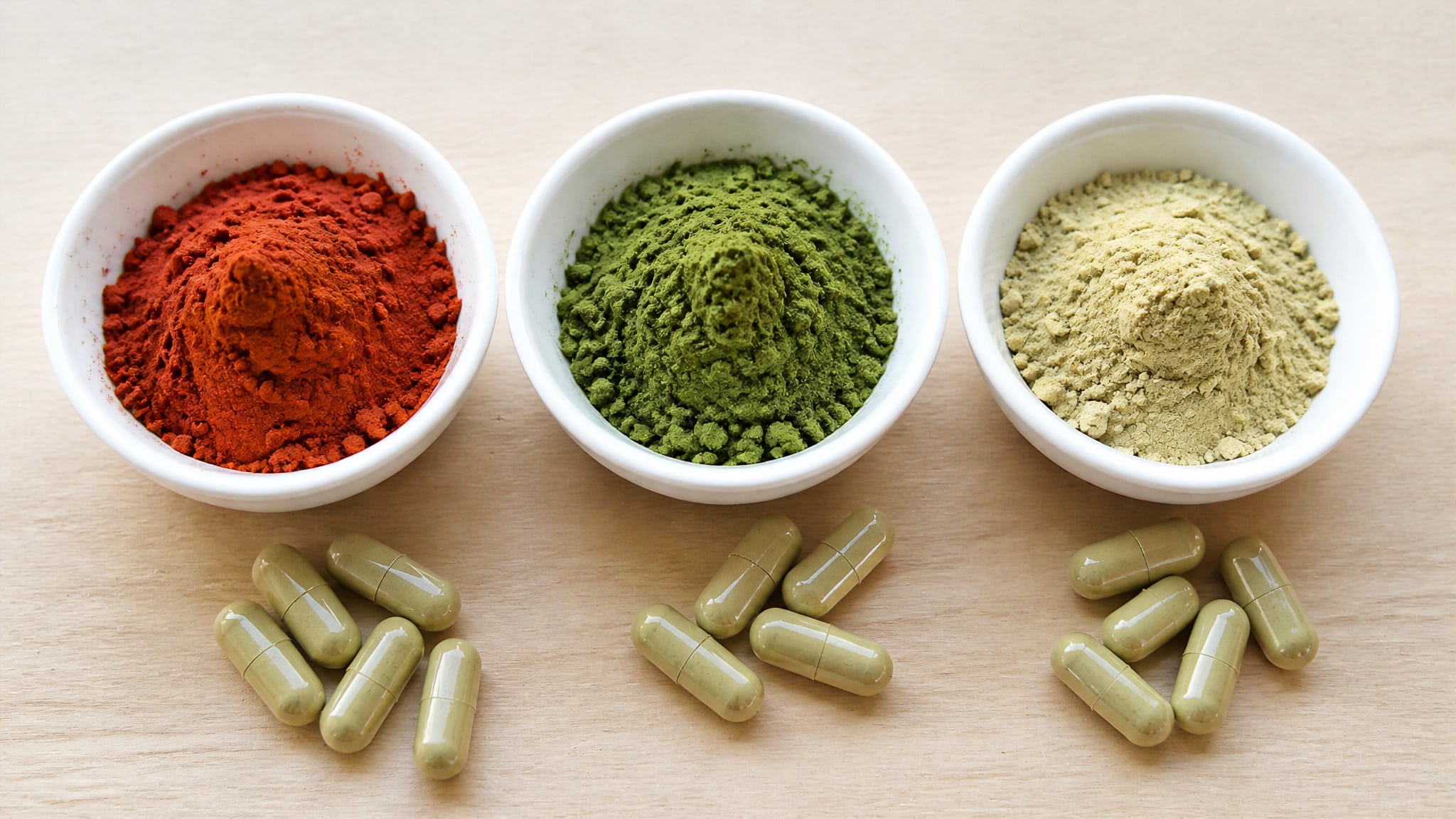
Maeng Da kratom is sold in three main types, named after the color of the vein running through the leaf at harvest: red, green, and white. Sellers market each one for a different effect.
| Type | How It Is Marketed | What Is Actually Known |
|---|---|---|
| Red Maeng Da kratom | Relaxation, pain relief, sleep | Differences are not confirmed by controlled studies |
| Green Maeng Da kratom | Balanced energy and calm | Alkaloid levels vary more by batch than by color |
| White Maeng Da kratom | Energy, focus, motivation | Still acts on opioid receptors and carries dependence risk |
Vein color mostly reflects leaf maturity and how the leaves are dried and processed. The idea that one color is safe for daily energy while another is only for pain relief is a sales claim. All three contain the same opioid-acting compounds.
Is Kratom an Opioid?
Kratom is not technically an opioid because it does not come from the opium poppy, but it works like one in the brain. Its alkaloids activate opioid receptors, which is why kratom can relieve pain, cause euphoria, and lead to opioid-style withdrawal when you stop.
This also means kratom interacts dangerously with other depressants. Combining it with alcohol, benzodiazepines, or prescription opioids raises the risk of extreme sedation and slowed breathing. Many serious kratom-related emergencies involve more than one substance.
Which Kratom Is the Strongest, and Why Does That Raise the Risk?
No lab-verified ranking of kratom strains exists. Maeng Da is marketed as the strongest leaf kratom, but its real potency depends on how much mitragynine and 7-hydroxymitragynine a specific batch contains.
The strongest products on the market today are not leaf powders at all. Concentrated extracts and products boosted with 7-hydroxymitragynine (7-OH) can be many times more potent than plain kratom leaf. Federal regulators have warned about these products and moved to restrict them, because higher potency means a faster path to dependence and a higher overdose risk when mixed with other drugs.
What Are the Side Effects of Maeng Da Kratom?

Maeng Da kratom side effects range from mild stomach problems to serious complications with heavy or long-term use.
Common Side Effects
- Nausea and vomiting
- Constipation
- Dry mouth and frequent urination
- Sweating and itching
- Dizziness and drowsiness
- Loss of appetite and weight loss
Serious Risks
- Liver injury, reported in some regular users
- Seizures, especially at high doses
- Rapid heartbeat and high blood pressure
- Confusion, hallucinations, or psychosis with heavy use
- Slowed breathing when combined with other depressants
Product contamination adds another layer of risk. Kratom products in the US have been linked to a multistate salmonella outbreak and have tested positive for heavy metals like lead and nickel.
Can You Get Addicted to Maeng Da Kratom?
Yes. Regular kratom use can lead to tolerance, physical dependence, and addiction. National survey data from 2021 estimated that about 1.7 million Americans aged 12 and older used kratom in the past year, and a portion of daily users go on to develop a kratom use disorder.
Many people start using kratom to manage pain, anxiety, or opioid withdrawal on their own. Over time, they need more to feel the same effect, then keep using mainly to avoid feeling sick. Signs that use has become a problem include:
- Needing larger or more frequent doses to get the same effect
- Feeling sick, anxious, or restless when you skip a dose
- Trying to cut back and not being able to
- Spending a lot of money or time getting and using kratom
- Hiding how much you use from family or friends
- Continuing to use despite health, work, or relationship problems
What Are Maeng Da Kratom Withdrawal Symptoms?
Maeng Da kratom withdrawal looks a lot like mild to moderate opioid withdrawal. Symptoms usually start 12 to 48 hours after the last dose.
| Timeframe | What You May Feel |
|---|---|
| First 1 to 2 days | Restlessness, runny nose, watery eyes, sweating, irritability, cravings |
| Days 2 to 4 | Muscle and bone aches, jerky leg movements, diarrhea, nausea, insomnia, hot and cold flashes |
| Days 5 to 7 | Physical symptoms ease for most people |
| Weeks after | Low mood, anxiety, poor sleep, and cravings can linger |
How hard withdrawal feels depends on how much you used, how often, how long, and whether you used concentrated 7-OH products. People who used large daily amounts should stop under medical guidance rather than quitting alone.
How Is Kratom Addiction Treated?
Kratom addiction is treated much like opioid use disorder. There is no medication approved specifically for kratom, but clinicians have successfully used medication-assisted treatment such as buprenorphine to ease withdrawal and cravings in people with heavy daily use.
Therapy is the other half of care. Cognitive behavioral therapy helps you spot triggers and build new ways to cope. Group therapy connects you with people facing the same struggle. If you started kratom to manage pain, anxiety, or depression, dual diagnosis treatment addresses those conditions at the same time, so you are not left with the problem kratom was covering.
Most people can recover in an intensive outpatient program while living at home, stepping down to lighter support as they stabilize.
Conclusion
Maeng Da kratom is sold as a natural energy and pain aid, but it acts on opioid receptors and can lead to the same cycle of tolerance, dependence, and withdrawal. Labels like red, green, or white do not change that risk, and stronger extracts make it worse. If you rely on kratom to get through the day or feel sick without it, your body has likely become dependent, and support can make stopping safer. Kratom dependence is treatable, and the right care makes stopping safer and far more manageable.
Get Kratom Addiction Treatment in New Jersey
If Maeng Da kratom has gone from a daily boost to something you cannot stop, help is close to home. At The Hope Institute in West Milford, NJ, our team offers outpatient addiction treatment in New Jersey with medication support and therapy. Call +1 (855) 659-2310 today to talk with our admissions team.
Frequently Asked Questions
Does Maeng Da Kratom Have Any Proven Benefits?
No. Maeng Da kratom has no proven medical benefits. People who use it describe energy, focus, or pain relief, but these are personal reports, not tested results. Kratom is not approved to treat any condition, and the same compounds behind those effects cause dependence and withdrawal.
Is Red Maeng Da Kratom Safer Than Other Types?
No. Red Maeng Da kratom is marketed for relaxation and pain relief, but there is no solid evidence that it works differently from green or white. All types act on opioid receptors and carry the same risk of dependence and withdrawal.
Does Maeng Da Kratom Show Up on a Drug Test?
Maeng Da kratom does not show up on a standard 5-panel drug test. Specialized tests that look for mitragynine can detect it, and some employers, courts, and treatment programs use them.
Is It Safe to Take Maeng Da Kratom Every Day?
Taking Maeng Da kratom every day raises your risk of tolerance and physical dependence. Daily users are the group most likely to have withdrawal when they stop. If you already take it daily and find it hard to skip, talk to a provider before stopping on your own.
How Long Does It Take to Recover From Kratom Dependence?
Physical withdrawal from kratom usually eases within about a week. Recovery takes longer, since cravings, sleep problems, and mood changes can last for weeks. Most people do best with several weeks to a few months of outpatient treatment and ongoing support afterward.